
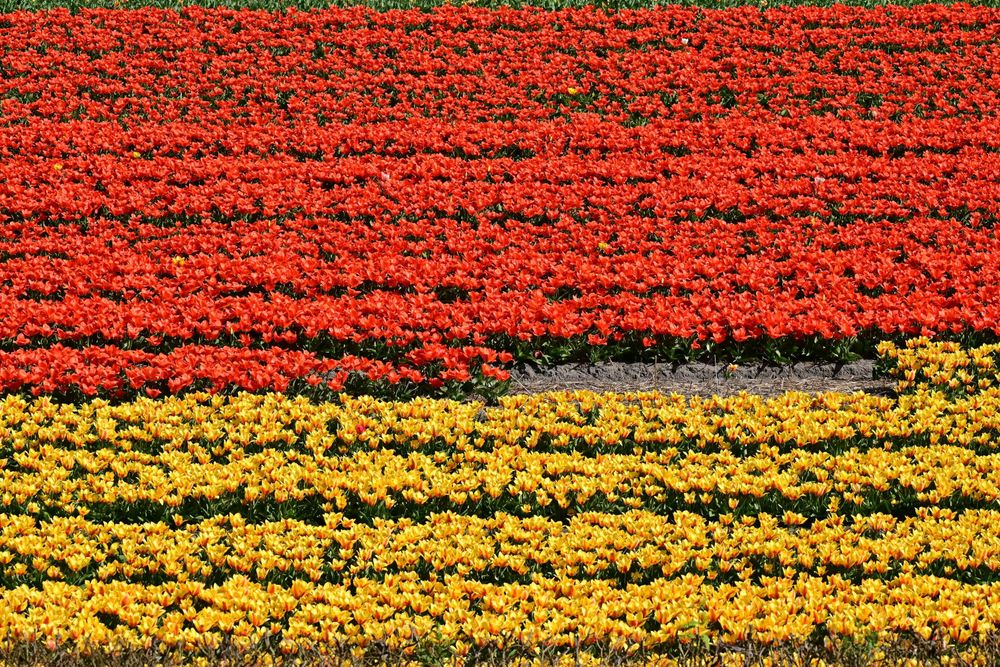
Keukenhof 2027: Dates, Tulips & Amsterdam Day Trip
Plan Keukenhof 2027 with confirmed dates, the best tulip weeks, honest ticket guidance, transport planning and a respectful route through the flower fields.
Keukenhof will open from 18 March to 9 May 2027, giving travellers just over seven weeks to see the Netherlands' most concentrated spring display. The park is in Lisse, not central Amsterdam, and the experience changes sharply across the season: crocuses and daffodils lead in March, the broadest tulip colour normally arrives in mid-to-late April, and late varieties share the final week with rhododendrons and azaleas. This guide helps you choose the right week, build a realistic day trip and see the working flower fields without trespassing.
For a wider trip around the same season, start with our best European cities to visit in spring, which compares Amsterdam with Paris, Seville, Rome and nine other spring destinations.
Fast Facts
| Detail | Confirmed information |
|---|---|
| 2027 season | 18 March-9 May 2027 |
| Daily hours | 08:00-19:00; entrance closes at 18:15 |
| Address | Stationsweg 166A, 2161 AM Lisse |
| Tickets | 2027 sales open from mid-October 2026 on the official Keukenhof website |
| Best all-round tulip window | Usually mid-to-late April; bloom timing still depends on winter and spring weather |
| Time needed | 4-6 hours inside the park; a full day if you add the Bollenstreek fields |
| Field etiquette | Stay on public roads and paths; never enter a grower's field without permission |
The dates and opening hours above come directly from the official Keukenhof 2027 information. Prices and exact public-transport products had not yet been released when this guide was checked on 21 September 2026, so this page does not present a recycled 2026 fare as a confirmed 2027 price.
When to visit Keukenhof in 2027
There is no single perfect day because Keukenhof plants for a succession of colour rather than one simultaneous peak. Your best week depends on what you want to see.
18 March to early April: the early-spring garden
The first fortnight favours crocuses, narcissi, hyacinths and early tulips. It is the quietest part of the season and the trees are still relatively bare. Choose this window if lower visitor numbers matter more than wall-to-wall outdoor tulips. The indoor pavilions provide reliable colour even when a cold March delays the beds outside.
Mid-to-late April: the broadest tulip display
For most first visits, roughly 15-30 April is the strongest target. Mid-season tulips are normally open, late varieties are emerging and the commercial bulb fields around Lisse often carry their clearest bands of colour. This is also the busiest period. Book the earliest entry you can use and avoid weekends if your dates are flexible.
Flowering cannot be guaranteed months in advance. A warm February accelerates the sequence; a cold March delays it. Keukenhof publishes a current flower report during the season, so check the official bloom updates a few days before travelling instead of relying on a generic annual calendar.
Early May: late tulips and mature gardens
The final days can still be colourful inside the park because its planting plan includes late-flowering varieties. Outside the gates, however, commercial growers may already have removed flower heads so that the bulbs develop underground. Visit in early May for a mature landscaped garden, not on the assumption that every surrounding field will still be striped with tulips.
Tickets: what is known and what is not
Keukenhof says 2027 tickets will go on sale in mid-October 2026. Buy through the official website and choose a timed arrival that you can realistically reach. At the time of writing, the park had not published a confirmed 2027 admission price or final transport-combination products. Any guide quoting an exact 2027 ticket price before sales open is extrapolating.
A standard entrance ticket covers the park and its pavilions. Bike hire, boat trips, parking, food and transport are separate. If a bus-and-entry combination becomes available, compare it with separate travel rather than assuming the bundle is automatically cheaper.
The busiest dates are usually April weekends, Easter-related school holidays and the period around King's Day on 27 April. An 08:00 arrival gives you the quietest paths and the cleanest photographs. Late afternoon becomes calmer again, but do not arrive close to the 18:15 last-entry cutoff and expect a complete visit.
Getting from Amsterdam to Keukenhof
Keukenhof is about 40 km southwest of central Amsterdam. There is no railway station at the gate. The normal public-transport pattern is a train to a regional interchange followed by a seasonal express bus, but route numbers and combination tickets can change from year to year.
When the 2027 timetable is released, compare these starting points:
- Amsterdam centre: allow roughly 75-100 minutes each way after transfers and waiting time.
- Schiphol Airport: usually the most convenient interchange for visitors staying near the airport or arriving on an early flight.
- Leiden: a useful base if you want a shorter approach to Lisse and a quieter evening than Amsterdam.
- Haarlem: practical for combining the Bollenstreek with historic streets and the final section of the flower-parade route.
Use the official Keukenhof transport page plus the Dutch journey planners shortly before departure. Do not build a non-refundable itinerary around a previous year's bus number. If you drive, reserve any required parking with the ticket and expect heavy traffic on flower-parade and peak-April weekends.
A practical one-day itinerary
08:00-10:00: the quiet outdoor loop
Start with the outdoor beds while paths are relatively empty. Walk the pond and windmill side first, then cross the formal gardens before tour groups spread through the park. Save indoor pavilions for later unless the morning is wet.
10:00-12:30: pavilions and changing displays
The pavilions make Keukenhof resilient to imperfect weather. Exhibitions change across the season, so the official programme is more useful than an old list of named shows. Build in time for the orchid and cut-flower displays available on your date rather than trying to photograph every bed.
12:30-14:00: lunch without losing the day
On-site restaurants are convenient but busiest around 12:30. Eating slightly early or late reduces queue time. Bringing a simple picnic is useful when the weather cooperates; follow signed rules and keep off planted areas.
14:00-17:00: choose park depth or the bulb region
If flowers and garden design are the priority, remain inside for the afternoon and revisit beds in different light. If you want to understand the working landscape, leave time for a legal cycling or walking loop outside the park. Do not try to squeeze central Amsterdam museums, Keukenhof and a field route into the same daylight window.
Seeing the Bollenstreek flower fields responsibly
Keukenhof is a designed exhibition garden. The long colour bands seen in aerial photographs belong to working bulb farms across the Bollenstreek, the region between Haarlem and Leiden. They are crops, not public photo sets. Walking between rows damages flowers and compacts soil; it can also prevent a bulb from reaching saleable size. Stay on public roads, marked paths and designated visitor areas.
The Amsterdam tourism board's flower-field guidance recommends fixed walking, cycling and driving routes and explicitly asks visitors to respect growers' land. The region offers routes from short local loops to longer rides towards Hillegom, Noordwijk and the dunes.
Bikes can be rented beside Keukenhof's main entrance. The official cycling page makes two important points: bicycles are for the surrounding region and cannot be ridden through Keukenhof itself. Its currently displayed rental price is €12.50 for an adult bike for three hours, but recheck the rate when 2027 booking opens.
Choose a short route if your main visit is the park. Longer rides make more sense as a separate Bollenstreek day, especially when coastal wind or rain is forecast. Photograph fields from public verges and signed viewpoints; use farms that explicitly advertise visitor access if you want to enter a planted area.
Where to stay: Amsterdam, Leiden, Haarlem or Lisse
Amsterdam has the widest hotel and restaurant choice, but also the longest and busiest daily journey. It works best when Keukenhof is one day inside a broader city trip.
Leiden is the most practical alternative for travellers prioritising flowers. It has a compact historic centre, strong rail links and easier access to Lisse. It also gives you a calmer base for an early start.
Haarlem suits travellers combining tulips with architecture and the North Sea coast. It is particularly useful if the annual Bloemencorso route and display schedule align with your visit. Confirm the 2027 parade details before booking around it.
Lisse removes much of the morning travel but has limited accommodation and fills early. Stay there if photography at opening time or cycling the bulb region is the core purpose of the trip.
Weather, accessibility and families
Dutch spring weather changes quickly. Pack a waterproof shell, shoes suitable for wet paths and a warm layer even when Amsterdam's forecast looks mild. Umbrellas are awkward on crowded paths; a hooded jacket works better. Pavilions provide cover, so a rainy day is not automatically wasted.
Most principal paths are paved and the park publishes accessibility information before each season. Visitors who need wheelchair rental or accessible transport should confirm 2027 arrangements directly rather than relying on an older fee. Families have playgrounds, a maze and activity trails, but a full six-hour garden visit is long for small children; alternate walking with the family areas.
Common planning mistakes
Treating Amsterdam and Keukenhof as the same place. They are separate destinations. Budget most of a day once transfers are included.
Booking the first available March date for tulip fields. Early flowers are attractive, but the broad commercial-field colour normally arrives later. Choose March for lower crowds and mixed spring flowers, not a guaranteed peak-tulip landscape.
Quoting an unconfirmed 2027 price. Dates and hours are official; admission and transport prices should be checked after sales open in mid-October 2026.
Entering fields for photographs. A gap in a hedge is not permission. Use public routes or visitor farms.
Combining too much. Rijksmuseum in the morning, Keukenhof at noon and Haarlem at night sounds efficient but leaves most of the day in queues and transit. Give Keukenhof a real half-day at minimum.
Frequently Asked Questions
When is Keukenhof open in 2027?
Keukenhof is officially scheduled to open daily from 18 March through 9 May 2027, from 08:00 to 19:00, with final admission at 18:15. Ticket sales are due to begin in mid-October 2026 through the official Keukenhof website.
What is the best week for tulips at Keukenhof in 2027?
Mid-to-late April is usually the strongest all-round window, but no exact peak can be guaranteed before the spring weather is known. Check Keukenhof's live flower report a few days before visiting. March favours crocuses, daffodils, hyacinths and early tulips; early May favours late varieties and mature landscaped beds.
Can I visit Keukenhof as a day trip from Amsterdam?
Yes. Allow roughly 75-100 minutes each way once transfers and waiting time are included, plus four to six hours in the park. Seasonal bus routes and combination tickets can change annually, so use the official 2027 transport information rather than a previous year's route number.
Can I walk through the tulip fields around Keukenhof?
Only where a grower or visitor attraction explicitly permits it. The surrounding fields are commercial crops on private land. Stay on public roads and marked paths, and never walk between rows simply to take a photograph.
Is Keukenhof worth visiting in rain?
Yes, provided you bring waterproof clothing. Indoor pavilions maintain substantial displays, while rain can reduce outdoor crowds. Strong wind is more disruptive than light rain, especially if you plan to cycle through the Bollenstreek.

Keep Exploring
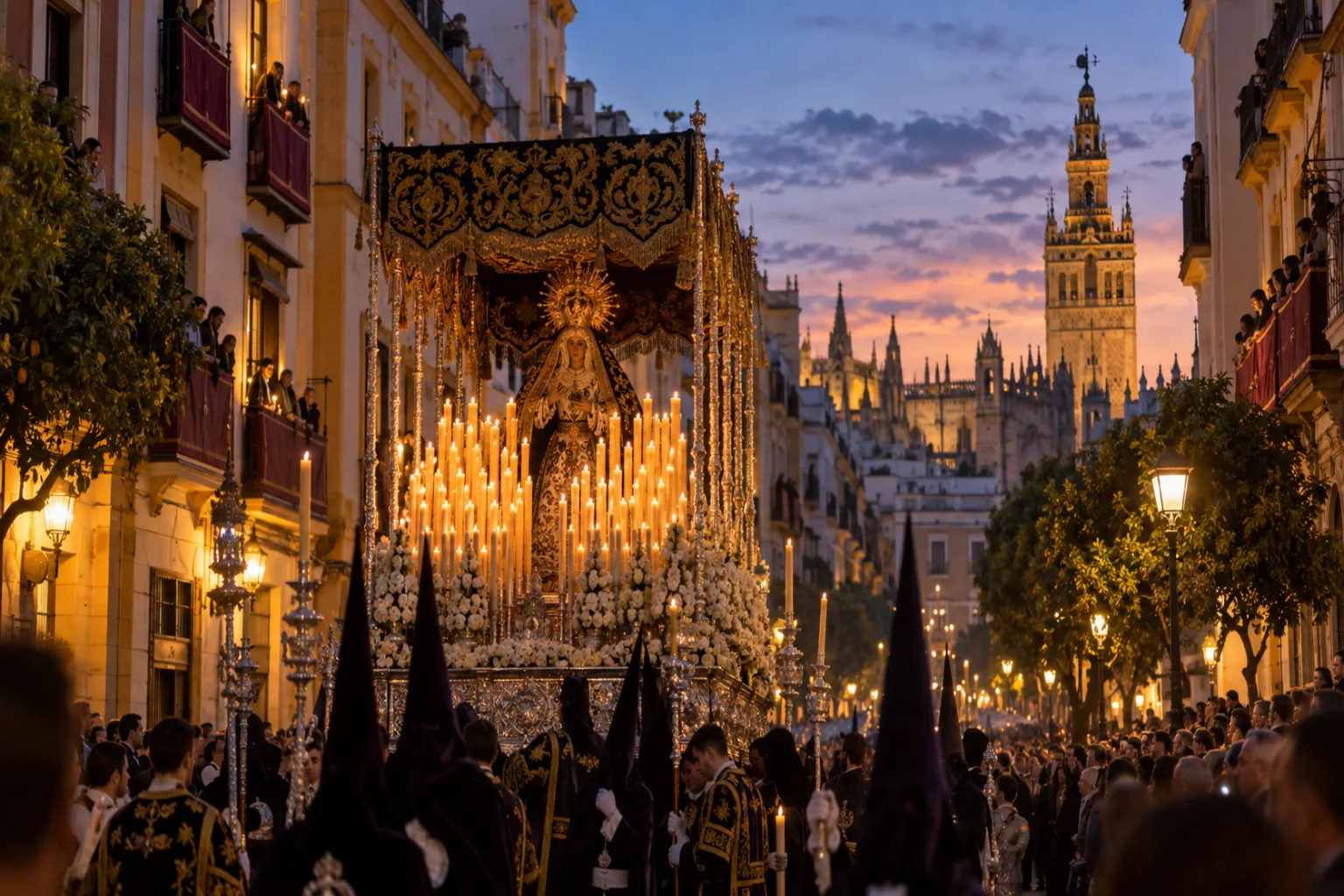
Semana Santa in Spain 2027: Dates & Where to Go
Confirmed Semana Santa 2027 dates, the best Spanish destinations and practical advice for transport, hotels and processions.
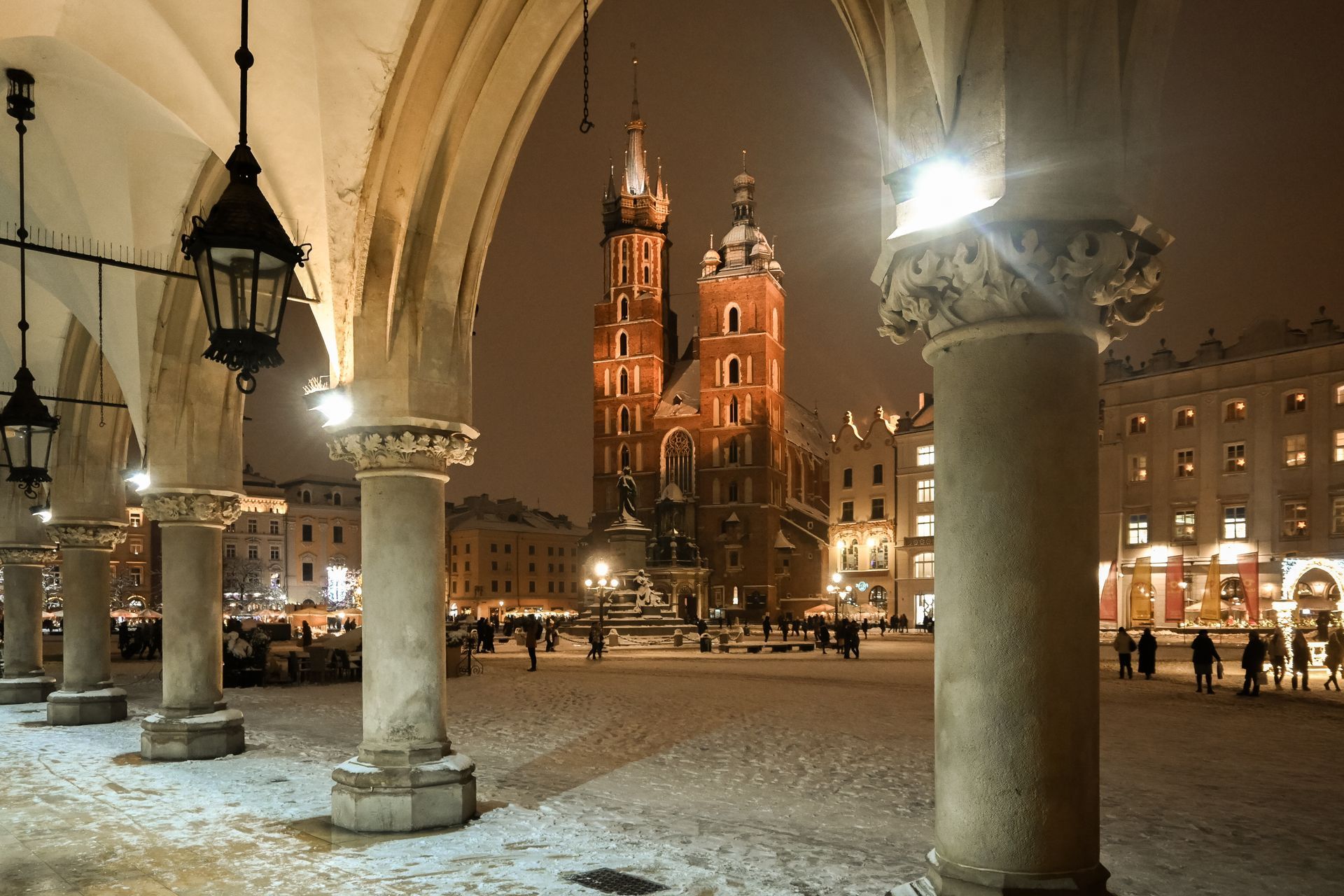
Krakow Christmas Markets 2026: Dates and Weekend Guide
Plan a Krakow Christmas weekend with provisional 2026 market dates, airport fares, a 48-hour itinerary and a clearly labelled sample budget.

Carnivals in Europe: Best Celebrations to Visit in 2027
Explore top European carnivals in 2027, from Venice to Basel. Get key dates, free vs. ticketed access, and tips for Ash Wednesday (Feb 10) celebrations.