
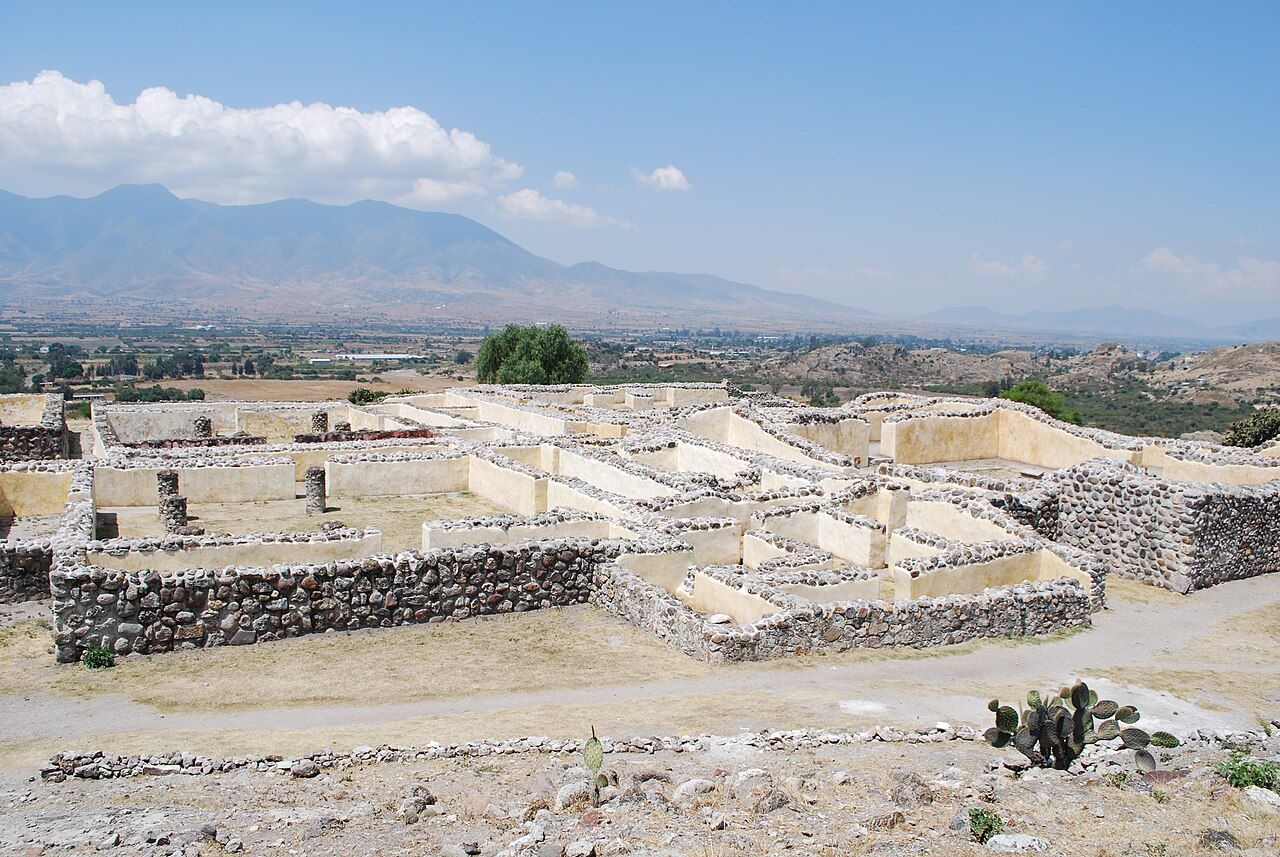
Yagul from Oaxaca: Tickets, Transport and Visit
Plan Yagul from Oaxaca: current admission categories, the access-road walk, courtyards and ballcourt, and why the UNESCO caves need a separate plan.
Choose Yagul when you want to understand a Zapotec city through its courtyards, ballcourt and position in the Tlacolula valley. Give the archaeological zone about 90–120 minutes and protect a half-day for the outing from Oaxaca, including transport. Those are editorial planning allowances, not a verified driving time or an official route duration.
The essential choice is between a focused archaeological visit and an overloaded eastern-valley tour. Yagul deserves a stop where you can read the layout and ask questions. If a proposed excursion allows only a hurried photograph before the next attraction, choose fewer stops or make Yagul the main destination.
For the broader decision between archaeology, food and craft villages, start with our things to do in Oaxaca guide. This guide concentrates on reaching Yagul, understanding what the ticket covers and deciding whether another eastern-valley stop genuinely fits.
Decide what kind of day you want
Official sources were checked on 10 November 2026. Suggested durations and combinations are editorial recommendations. Confirm current access before departure, particularly if a particular structure or a higher viewpoint is central to your plans.
| Your priority | Best plan | Main condition |
|---|---|---|
| Read an ancient city's layout | Yagul as the main half-day outing | Allow proper time for courtyards and ballcourt |
| Compare two archaeological places | Yagul and Mitla, with a meal between | Confirm both opening windows and limit other stops |
| Visit independently without driving | Arrange transport that reaches the entrance | Settle the return as carefully as the outward journey |
| Keep costs down using public transport | Check a service on the eastern highway corridor | Account for the separate access road and return walk |
| Limit walking or climbing | Ask about the currently usable lower circuit | Do not make the fortress ascent compulsory |
| See prehistoric caves | Plan a separately verified activity | A Yagul ticket does not establish cave access |
Tickets: the nationality and residence distinction
The current INAH visitor listing gives 210 MXN for foreign visitors and 105 MXN for Mexican visitors. The main INAH Yagul page explicitly includes foreign residents in Mexico in the 105 MXN category. Bring evidence of residence if that rate applies to you; a tourist stay is not equivalent to residency.
Sunday is not automatically free for every international visitor. INAH's national admission explanation extends Sunday free access to Mexican citizens and foreign residents in Mexico. A foreign tourist should budget for the ordinary applicable fee unless the site confirms another exemption.
The site's Spanish page lists child, student and teacher concessions without much detail, while INAH's national explanation connects exemptions to Mexican nationality or foreign residence and the relevant proof. Do not assume a foreign school card or a child's age alone establishes free entry. Confirm eligibility and accepted documents before calculating a family budget.
These are published ordinary tariffs, not a booked ticket or a quotation for a guided excursion. Ask a driver or tour organiser to separate transport, guide service, admission and any extra stop. A cheap headline price may simply exclude more of the day. Likewise, a higher package price does not demonstrate that you receive more time at the ruins.
Hours and misleading older listings
The current INAH pages agree on daily opening, 08:00–17:00, with last entry at 16:00. Arriving at last admission leaves only an hour before closing, less than the fuller visit proposed here. Aim earlier and retain time to orient yourself and return to your transport without rushing.
An older government cultural directory still shows a different timetable and price. Its Yagul entry was last modified in 2022, so it is not the basis for this guide's operational information. Use the current INAH listing and reconfirm near your visit, rather than averaging conflicting numbers from search results.
A morning visit is a useful starting choice for a day with outdoor walking. The best order still depends on weather, your departure point and any confirmed second visit. If conditions make the exposed areas uncomfortable, shorten the route or change the day instead of treating a proposed itinerary as an obligation.
Getting from Oaxaca to the actual entrance
INAH describes the route east from Oaxaca along Federal Highway 190 toward Tehuantepec, passing Tlacolula before the turnoff for Yagul. The visitor address places the access road at highway kilometre 36 + 300. This identifies the corridor; it is not a guarantee of a fixed journey time from every hotel in the city.
For a driver or organised tour, specify the archaeological-zone entrance and agree how long you will spend there. Ask whether the vehicle waits, where the return meeting point is, and what happens if the visit runs longer. A clear return arrangement is worth more than an itinerary containing many place names.
Public transport requires an extra decision. INAH says buses toward Mitla or the Isthmus can reach the turnoff, followed by approximately 1.5 kilometres on foot to the site. That is the access leg, before the archaeological walking begins, and it must be considered again for the return. This guide does not verify a current departure terminal, timetable or fare.
Check the service and stopping arrangement locally before setting out. Do not assume that a vehicle passing on the highway will stop where you want on the way back. If roadside waiting or the additional walk would make the outing uncomfortable, arrange entrance-to-entrance transport instead. With children or limited stamina, the cheaper outward ride can be a poor choice if it leaves the hardest part of the day unresolved.
What you are looking at
The INAH historical overview places Yagul's growth in the context of the decline of Monte Albán and identifies major elements including the Palace of the Six Patios, ballcourt and fortress. Use those features to organise your understanding rather than trying to memorise every construction phase.
Start with the relationship between buildings and slope. How do courtyards connect, where does movement narrow, and which spaces look more enclosed? These are observation questions, not claims that every surviving wall can be assigned a function without archaeological interpretation.
At the Palace of the Six Patios, focus on the arrangement of rooms around courts. Read the available interpretation to distinguish what is established from what is reconstructed. A palace complex is not simply a collection of small rooms: its organisation helps explain how access, activity and social distinctions could be managed through space.
At the ballcourt, step back far enough on the permitted route to understand its form. It provides a different scale and type of space from the palace. Avoid treating it as a modern sports ground with familiar rules transplanted into the past; use the site's interpretation for its cultural role.
The fortress adds the relationship between settlement and higher ground. Its existence in the historical description does not establish that every ascent or viewpoint is open on your day. Ask staff before committing to the climb and leave it optional if heat, time or mobility makes the lower circuit the better choice.
A route that leaves time to understand
Begin with orientation and current access advice at the entrance. Locate the main groups on the available plan and ask which paths are open. If you have a guide, explain whether architecture, daily life or the landscape is your main interest. That gives the visit a useful focus before names and dates begin to accumulate.
Use the main civic and palace areas for sustained looking. Choose a few structures you can identify clearly and compare how they connect. Then make the ballcourt a distinct stop. This sequence is a planning suggestion, not a guaranteed one-way circuit; follow the arrangement and instructions you find on site.
Before any higher section, reassess the group. The descent, return to the entrance and onward journey still count. Do not spend all your remaining energy reaching a viewpoint simply because an old photograph was taken there. A complete visit can mean understanding a limited set of accessible spaces well.
Finish by looking back across the relationship between the built remains and the valley. Keep photographs within permitted areas and leave masonry untouched. Archaeological surfaces should not become seats or shortcuts merely because a barrier is absent.
Yagul is not a bundled cave visit
The UNESCO property called Prehistoric Caves of Yagul and Mitla encompasses a wider cultural landscape, archaeological complexes, caves and rock shelters. Its significance includes evidence for the development of agriculture, particularly material associated with Guilá Naquitz.
That designation does not mean ordinary Yagul admission includes entry to those caves, a trail between them or a guided prehistoric-landscape excursion. Nor should you expect the botanical evidence discussed by UNESCO to remain displayed in place. The archaeological zone and the wider World Heritage property are related but different visiting propositions.
If the caves are your main reason for travelling, ask the responsible authorities about authorised access, local arrangements and conservation restrictions before booking transport. Do not follow an informal track simply because a cave appears on a map. This guide does not provide a self-guided cave route or claim that one is currently available.
Heat, walking and accessibility
Yagul is an outdoor archaeological outing with changes in level. The visitor portal lists an accessibility service, parking and toilets, but that icon alone does not establish a step-free circuit through every structure. Describe your needs to the site and ask about the route from parking to the principal areas, surfaces, steps and usable facilities.
Wear footwear suited to uneven paths, bring water appropriate to conditions and use sun protection. Keep the higher section optional. Check the forecast shortly before leaving; a route comfortable in mild weather may become demanding in stronger sun or after rain.
The official rules prohibit bringing food into the zone, smoking and pets. Plan a meal outside the visit rather than assuming a picnic among the ruins is permitted. For other equipment or individual access needs, obtain the relevant clarification directly. A short explanation at the entrance is better than discovering a restriction after walking far from the vehicle.
Add Mitla only if you want the comparison
Our Mitla from Oaxaca guide explains a separate visit centred on architectural detail and the living town. Pairing it with Yagul can be meaningful when you actively want to compare sites, but each needs its own admission, current access check and time on the ground.
Keep lunch and the journey between them visible in the plan. If adding a weaving demonstration, mezcal stop and another landscape excursion reduces both archaeological visits to quick circuits, remove something. The correct number of stops is the number you can understand and enjoy, not the number a vehicle can physically reach.
For a simpler day, return toward Oaxaca after Yagul and keep the afternoon flexible. A focused half-day is a complete excursion. It leaves time to connect what you saw with museum material, a conversation over lunch or another part of your stay without exhausting the eastern valley in one outing.
Cover photograph: Stone walls and pale courtyards of the Palace of the Six Patios at Yagul — Photographed on 23 April 2011; proportionally resized by Wikimedia Commons. Historical image, not confirmation of current paths or access. — AlejandroLinaresGarcia, CC BY-SA 3.0.
Frequently Asked Questions
How much is Yagul admission for foreign tourists?
The current published ordinary rate is 210 MXN. Mexican visitors and foreign residents in Mexico pay 105 MXN, with applicable proof and exemptions to confirm.
Is Yagul free for everyone on Sunday?
No. The published INAH Sunday policy covers Mexican citizens and foreign residents in Mexico. Foreign tourists should budget for their applicable admission unless another exemption is confirmed.
Can I reach Yagul by public transport?
INAH describes buses on the Mitla or Isthmus corridor to the turnoff, followed by about 1.5 kilometres of walking to the site. Verify the actual service and return arrangements locally.
Does a Yagul ticket include the prehistoric caves?
Do not assume so. UNESCO describes a wider landscape; ordinary archaeological-zone admission does not establish cave access or an authorised route between the sites.


Keep Exploring
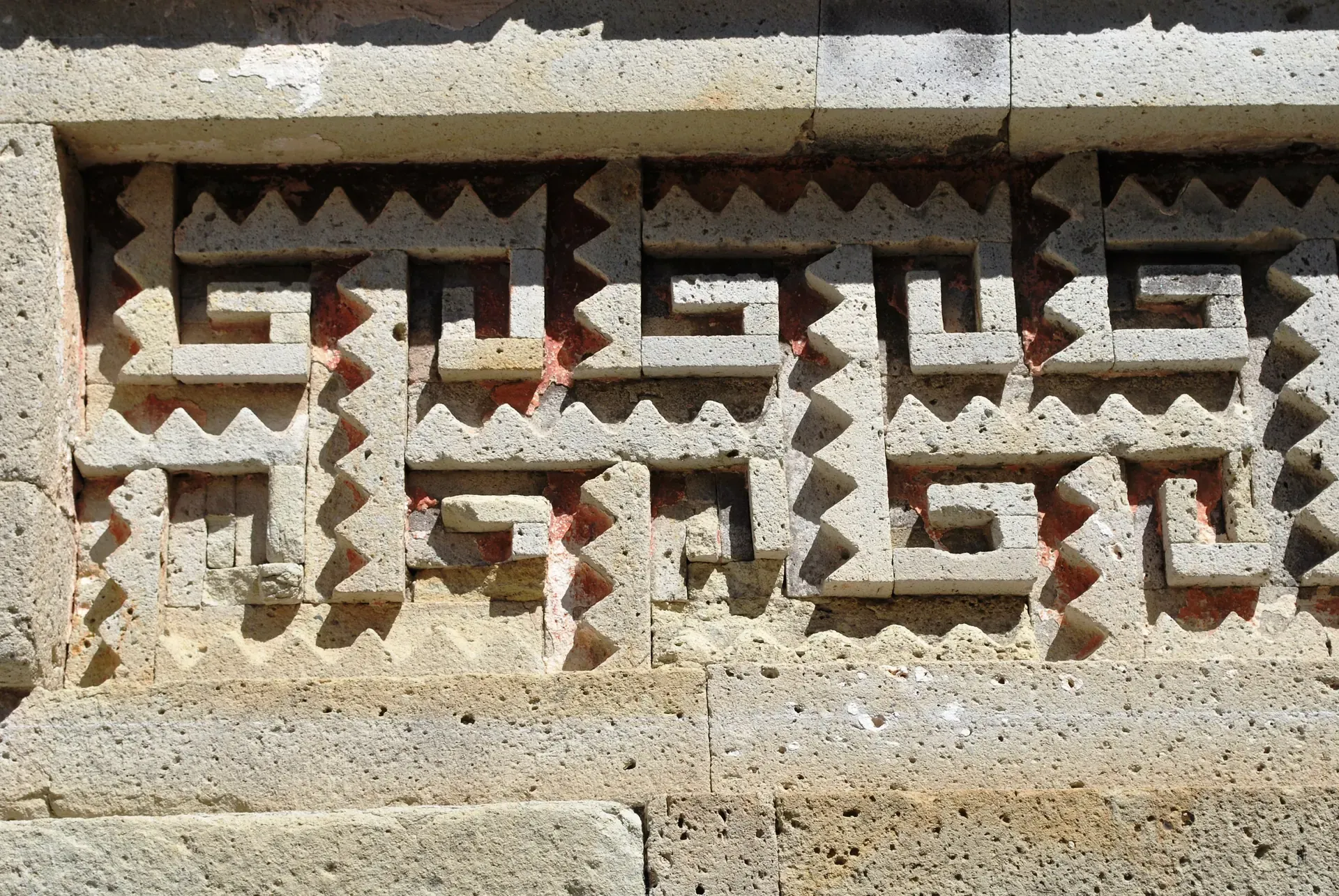
Mitla from Oaxaca: Plan Your Visit
Visit Mitla for intricate stone mosaics and the relationship between archaeology and a living Zapotec town. Compare transport choices and protect time for the site.
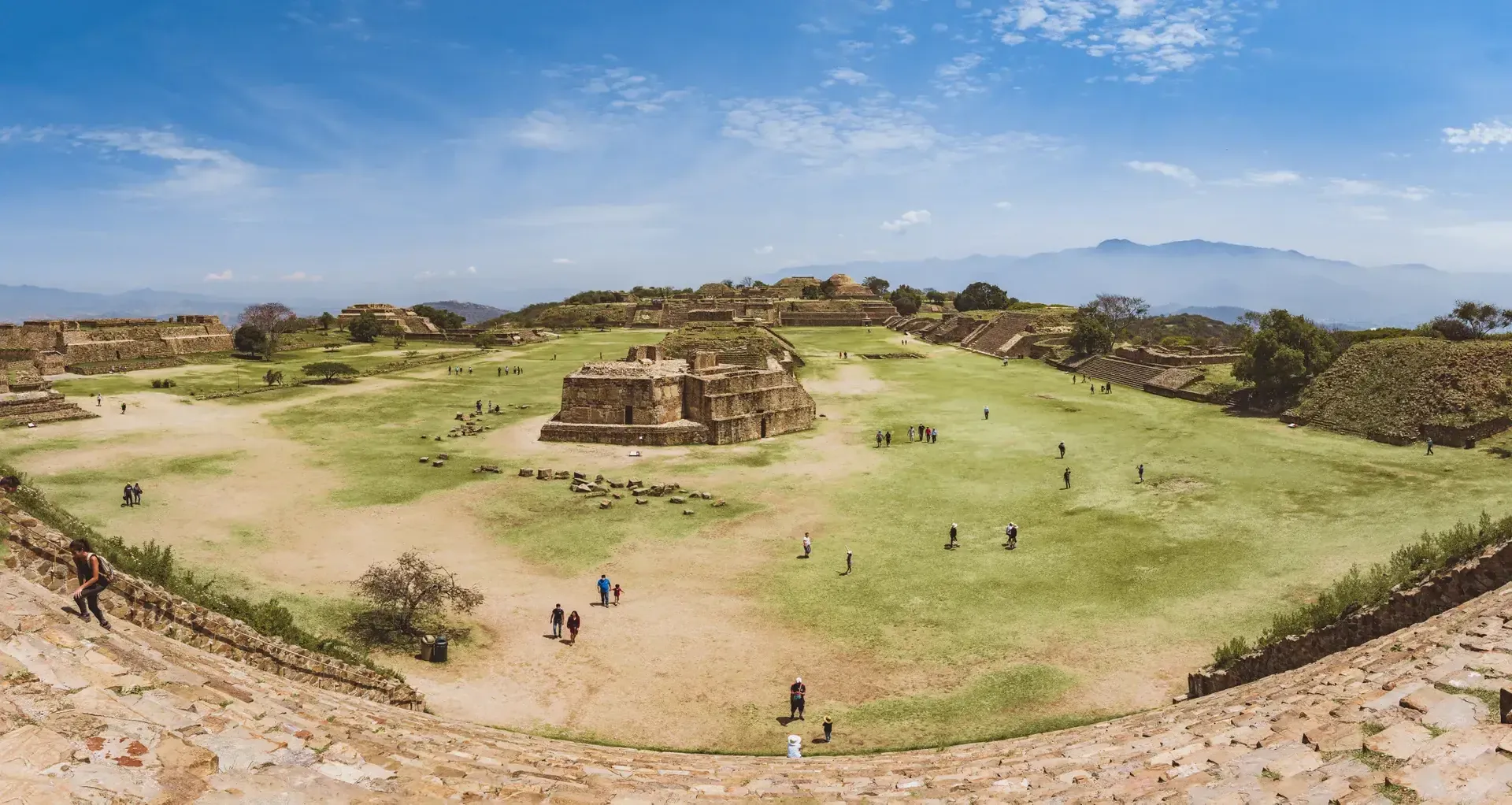
Monte Albán from Oaxaca: Plan Your Visit
Plan Monte Albán as a focused half-day from Oaxaca: transport trade-offs, admission checks, a manageable route and the difference between its two museums.
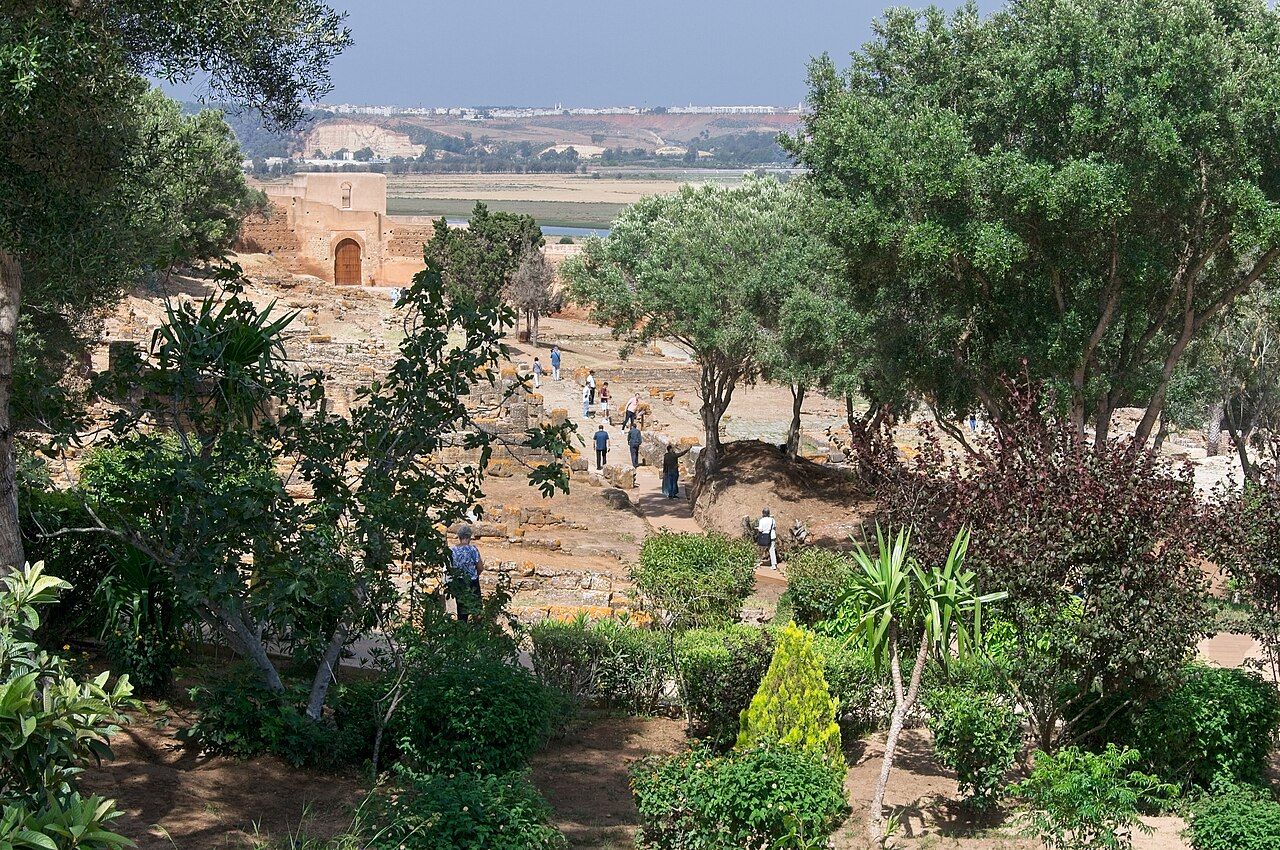
Chellah Rabat: Tickets, Hours and Visit Planning
Plan Chellah in Rabat: compare entry and audioguides, understand the ruins, check Ramadan hours and choose a manageable route.