
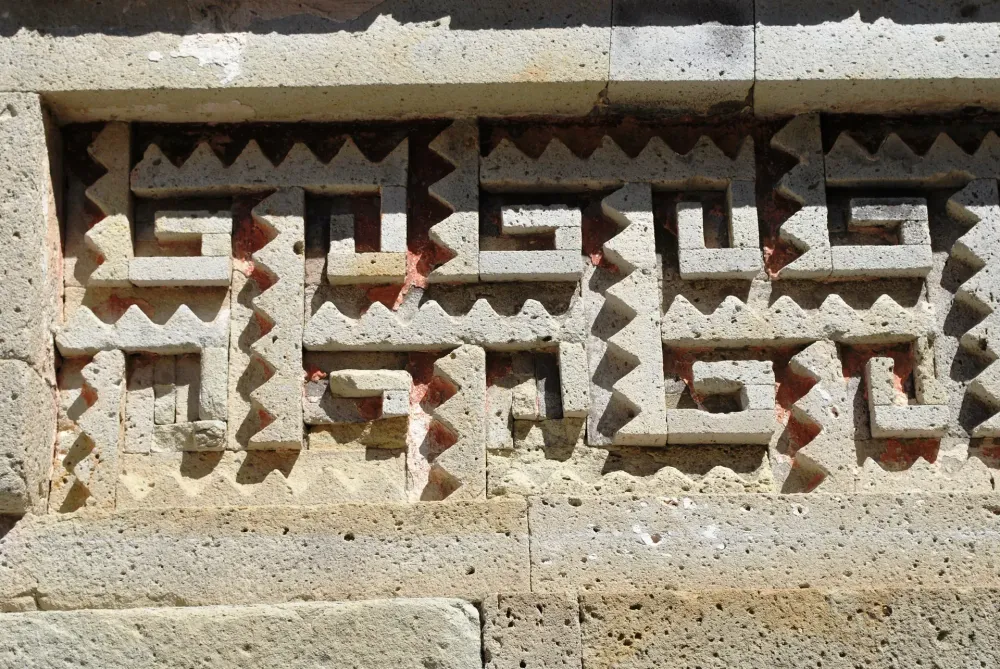
Visit Mitla for intricate stone mosaics and the relationship between archaeology and a living Zapotec town. Compare transport choices and protect time for the site.
Choose Mitla from Oaxaca when you want to look closely at architecture: geometric stone mosaics, courtyards and the relationship between archaeological remains and a living town. It is a different outing from Monte Albán's broad hilltop landscape. The strongest plan gives the archaeological site a generous visit, then leaves room for lunch and the town instead of treating Mitla as a brief stop between distant attractions.
Make San Pablo Villa de Mitla your main destination for the day. Arrange the return to Oaxaca before setting off and ask any tour operator how much uninterrupted time the site receives. A long list of included stops is less useful than a clear answer about the one you most want to see.
Visitor information checked on 21 October 2026. Suggested visit durations and day allowances are editorial estimates, not guaranteed journey times or official tour lengths.
Mitla planning facts
| Item | What to plan around |
|---|---|
| Main interest | Geometric stonework and architecture within a living Zapotec town |
| Published opening | Daily 08:00–17:00 |
| Last admission | 16:30 |
| Published standard admission | MXN 210; MXN 105 for Mexican nationals and foreign residents in Mexico |
| Archaeological visit | Allow 90–120 minutes as an editorial starting point |
| Wider outing | Protect most of the day for travel, site, lunch and town |
| Essential transport detail | Agreed return point and conditions, not just a one-way drop-off |
The hours and visitor tariffs above come from INAH's institutional Mitla listing. Confirm eligibility and required documentation before relying on a reduced rate. These are published admission prices, not a dated quote for a tour or a promise that every visitor pays the same amount.
For the wider destination choice, our guide to things to do in Oaxaca compares archaeology, textiles, markets and landscape excursions. If monumental scale matters more than detailed stonework, compare Monte Albán from Oaxaca before booking transport.
Why Mitla is a distinct archaeological visit
At Mitla, the pleasure comes from changing viewing distance. From farther away, look at the way rooms and courtyards fit together. Closer to the permitted viewing areas, compare the repeated patterns and the individual stones that form them. This is a useful approach even without specialist knowledge: begin with what you can see, then use interpretation or a guide to understand it.
Oaxaca's official destination page highlights the geometric stone mosaics and the church built on a pre-Hispanic platform. The juxtaposition matters. Archaeological and colonial buildings do not belong to a single unchanging moment, and the present-day community adds another layer to the setting.
Avoid approaching the visit as a hunt for the largest pyramid. Instead, choose a small number of details to follow: how a motif repeats, where its direction changes, how decorated walls frame a space. Looking closely does not mean touching; keep hands and bags away from the stonework and observe barriers.
A guide can be especially useful if you want to distinguish surviving fabric, interpretation and later intervention. Ask for the language, approximate duration and agreed cost before starting. Good questions concern the buildings in front of you: which spaces are accessible today, what evidence supports an explanation, and how this part relates to the rest of the site.
Arrange transport around the visit you actually want
Mitla lies on the eastern valley outing from Oaxaca. INAH's access directions use the Panamericana 190 toward Tehuantepec, with a turn toward Mitla. That identifies the road approach; it does not establish how long your hotel pickup, city traffic and final arrival will take.
For a private driver or taxi arrangement, agree on the full service before departure. Specify the archaeological entrance, waiting time, whether a town stop is included and the return destination in Oaxaca. Ask how additional time is charged. A round trip with a waiting driver and a one-way ride are different purchases.
For an organised excursion, ask for the actual running order and time at Mitla. Check whether the advertised price includes archaeological admission, guiding, lunch and any additional stops. If archaeology is the main reason for your day, decline a programme that gives it only a hurried interval between shops, tastings and another distant attraction.
Independent public transport may suit someone comfortable confirming local arrangements. Obtain the current departure point, service, fare and return information from a reliable local source before travel. Establish whether the arrival point is by the archaeological entrance or elsewhere in town, and how you will cover the final section. This guide does not publish an unverified bus timetable or colectivo fare.
Self-driving gives flexibility but still requires deciding where to park, leaving enough time for the return and understanding current road conditions. Do not fill every spare hour with another stop simply because you have a vehicle. If a mezcal tasting is included, arrange a non-drinking driver rather than making the tasting part of a self-driven return.
Give the mosaics the first substantial block
Aim to visit the archaeological site before a long meal or shopping stop. The 16:30 last-entry time is a deadline for admission, not enough time to complete a careful visit before closing. A morning arrival offers more room to adapt the rest of the day if the journey takes longer than expected.
Use 90–120 minutes as an editorial starting point, and allow more for detailed explanation, photography within the rules or a slower pace. At the entrance, ask which groups and interiors are currently accessible. A historic description of a chamber or tomb does not mean that visitors can enter it today.
INAH's visitor portal describes the architectural groups and identifies the Hall of Columns among the site's main features. Use the available visitor route to connect the broad arrangement with the close detail. Begin by understanding the courtyard or hall, then look at individual panels; this gives the patterns a setting rather than isolating them as decoration.
In a first pass, look without trying to photograph every surface. On a second pass, choose a detail you want to remember, where access and photography are permitted. Avoid backing into other visitors or stepping past a barrier to include more of a wall. A picture is less useful if taking it prevents you from noticing the actual construction.
The site is outdoors and includes surfaces and changes of level that deserve attention. If steps, uneven ground or restricted spaces pose difficulties, ask about the exact usable route before paying for transport. An accessibility symbol on a listing does not establish that every chamber and courtyard is step-free.
Treat the town as part of the day
After the archaeological visit, take a proper break and a meal. The surrounding town is not an empty buffer between ruins and the car park. People are going about their work, shopping and worship, and a relaxed visit can include ordinary streets as well as a specific craft interest.
The state tourism page identifies textile workshops and a municipal craft market. If textiles interest you, arrange a workshop visit or ask a shop what is being made locally. Look at the piece in front of you and ask who made it, what fibres it uses and how to care for it. Do not assume that every item sold in town comes from the same workshop or uses the same techniques.
A demonstration is not guaranteed simply because a workshop appears in a destination description. Confirm availability, language, cost and whether you are expected at a particular time. Make space to listen if someone agrees to explain their work; a visit squeezed between transport deadlines benefits neither party.
The church is a separate place of worship, not automatically an interior included with your archaeological ticket. Check whether it is open to visitors and whether a service is taking place. Ask before photographing people, workspaces or religious activity, and respect any request to put the camera away.
Decide carefully about another stop
Mitla can be combined with another eastern-valley visit, but first decide which experience will lose time. If you want a textile workshop, protect that appointment and reduce general shopping. If Hierve el Agua is essential, ask the operator to explain the additional journey, current access and time at each place before accepting the combination.
Do not assume that being in the same broad direction makes every stop adjacent. A packed day may leave you with a photograph of the mosaics but little understanding of the buildings. A focused Mitla visit with lunch is a complete excursion, even when a tour brochure offers more names for the same day.
Also distinguish the town's archaeological zone from the UNESCO-listed Prehistoric Caves of Yagul and Mitla, a wider cultural landscape associated with early agriculture. The similar names do not establish shared entry or unrestricted cave access. Cave visits require their own confirmed arrangements; they are not part of this route.
If you have already visited Monte Albán, choose Mitla because the smaller-scale architectural detail interests you. If you are reaching the point of archaeological fatigue, a city day or a single craft visit may be a better use of your attention. The two sites need not compete for a place in the same rushed schedule.
What to confirm before leaving Oaxaca
Check the current INAH listing and any operational notice near your travel date. Published hours are useful planning evidence, but they are not a live guarantee that every section is open. Keep a copy of your transport arrangement and confirm the pickup location in terms both you and the driver understand.
Carry suitable sun protection, comfortable footwear and water for the journey, and follow the site's instructions about what may be brought inside. The visitor portal prohibits food, smoking and pets; organise meals outside the archaeological visit. Do not assume lockers or other listed services will solve every luggage problem without checking.
Keep the return flexible enough for ordinary delays, particularly if you have a reservation that evening in Oaxaca. If the day starts late, remove an extra stop before reducing the visit you came for. Mitla is most rewarding when you have time to see how the stonework, buildings and living town relate to each other.
Cover photograph: Stone mosaic detail at Mitla. Photo: Thelmadatter, Wikimedia Commons, CC BY-SA 3.0. Photograph from 2009, resized and converted to WebP; adapted image remains CC BY-SA 3.0. Source · License.
Frequently Asked Questions
Should I choose Mitla or Monte Albán?
Choose Mitla for detailed geometric stonework and archaeology within a living town. Choose Monte Albán for the broad hilltop setting and monumental scale. Visit both on separate outings if the different experiences interest you.
How much is Mitla admission?
The INAH listing checked on 21 October 2026 shows MXN 210, with MXN 105 for Mexican nationals and foreign residents in Mexico. Confirm eligibility and documentation before relying on the reduced rate; transport and guiding are separate unless explicitly included.
How long should I spend at the archaeological site?
Allow 90–120 minutes as an editorial starting point, with more for a guided explanation or a slower pace. Add travel, lunch and the town separately. Last admission is 16:30, before the 17:00 closure.
Does a Mitla visit include the prehistoric caves?
No cave visit is included in this route. The wider UNESCO cultural landscape and its caves require separate access arrangements; the name does not mean an ordinary archaeological ticket includes them.


Keep Exploring
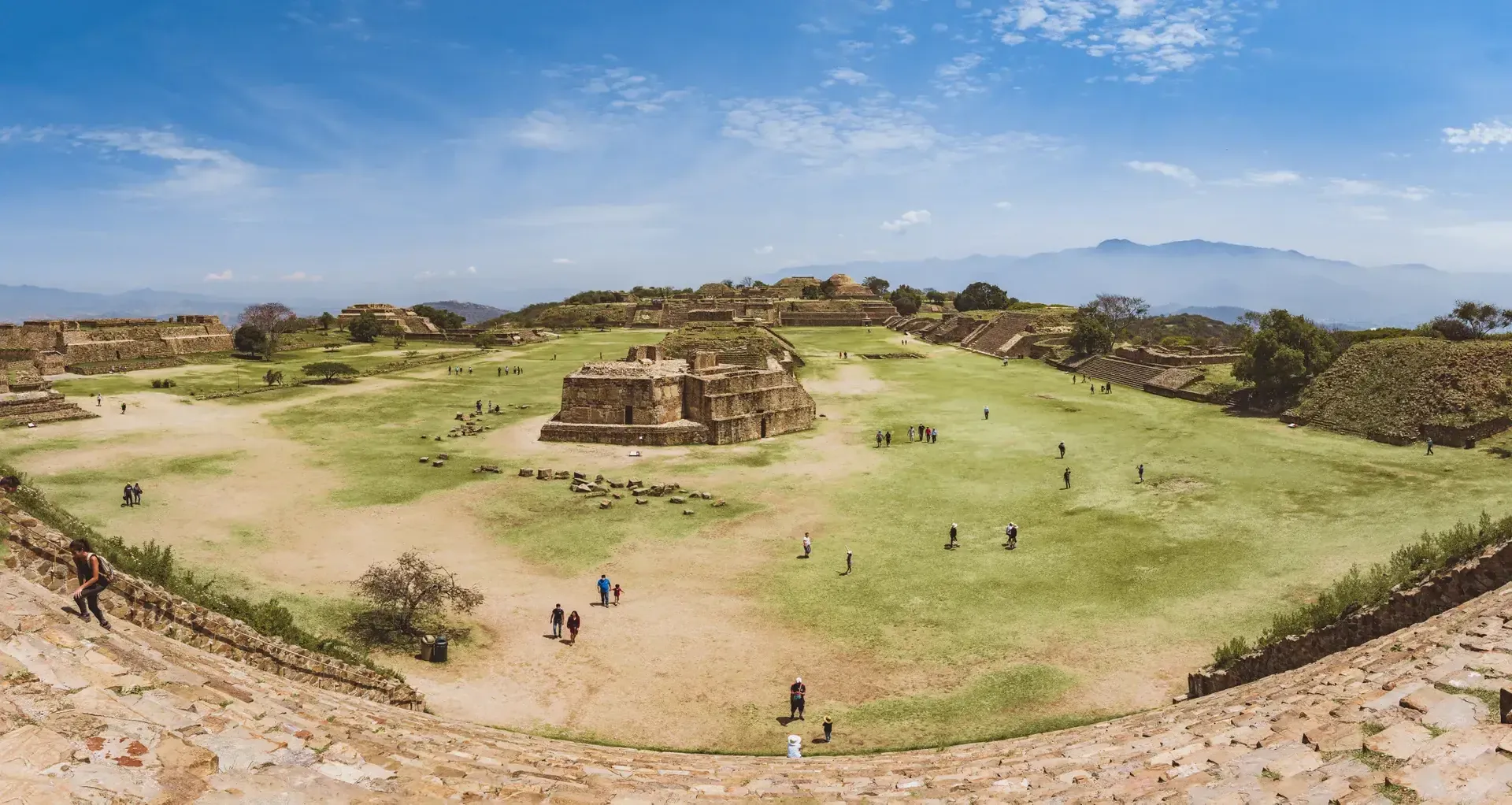
Monte Albán from Oaxaca: Plan Your Visit
Plan Monte Albán as a focused half-day from Oaxaca: transport trade-offs, admission checks, a manageable route and the difference between its two museums.

Griffith Observatory: Plan Your Visit
Choose between a free viewpoint visit and a fuller astronomy outing, with practical advice on planetarium tickets, getting uphill and returning after dark.
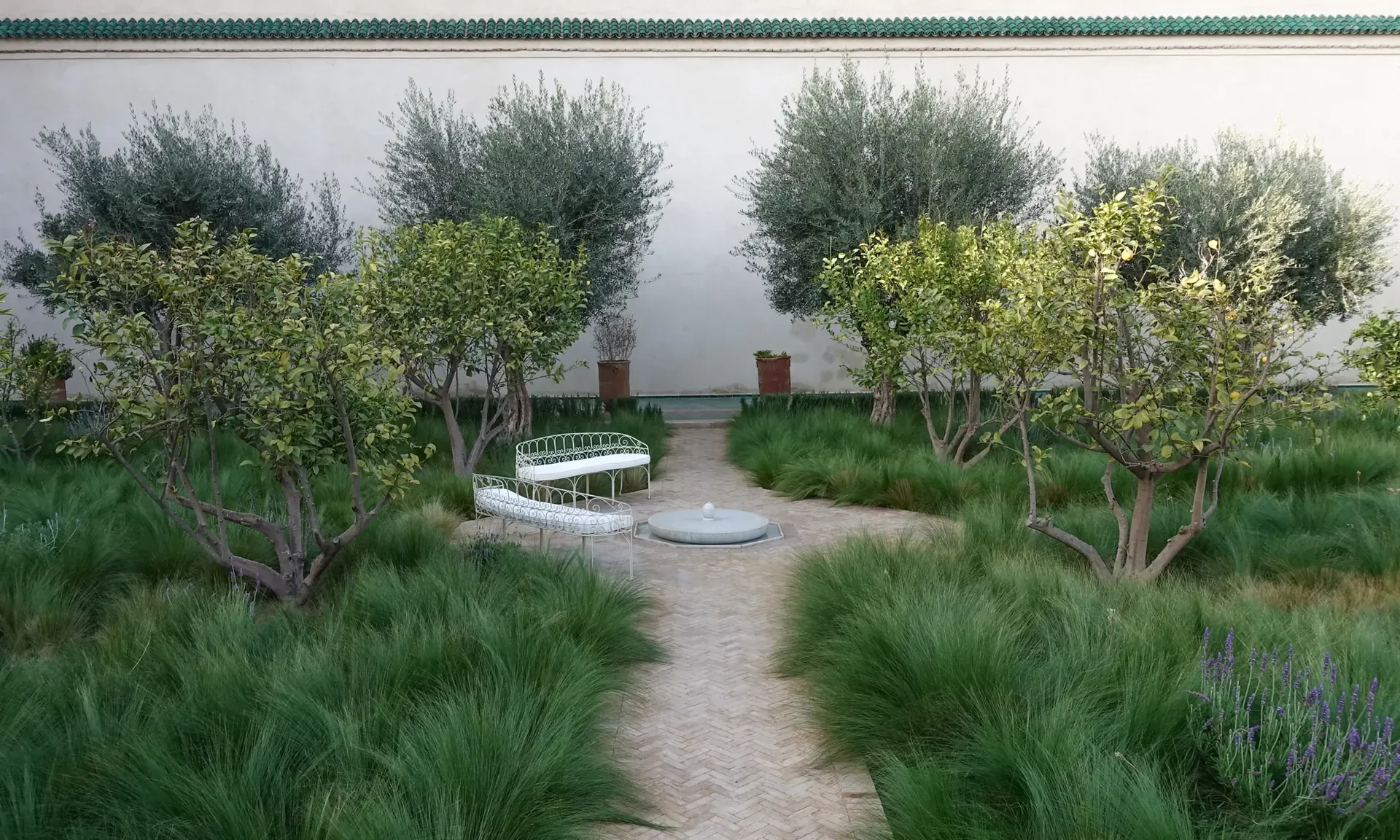
Le Jardin Secret: Plan Your Marrakech Visit
Plan a focused Le Jardin Secret visit in Marrakech's medina: compare the two gardens, follow the historic water system and decide whether the tower adds enough to your visit.