
Tokyo Skytree: Choose Your Observation Deck Visit
Choose Tokyo Skytree’s Tembo Deck or Galleria, compare current ticket options and plan arrival, visibility and one continuous visit.
Tokyo Skytree works best when you decide what you want from the view before buying a ticket. The Tembo Deck at 350 metres provides the main panorama. The Tembo Galleria around 450 metres adds a higher, sloping viewing route. The second level is an extra experience, not a requirement for understanding Tokyo from above.
Choose the Deck if you want one observation stop with a controlled budget. Choose both if the ascent and the changing perspective are a highlight of your trip. For the rest of the city, our Tokyo highlights guide helps place Skytree within a wider itinerary rather than treating it as an isolated journey.
| Your priority | Sensible starting choice |
|---|---|
| A first panorama without buying every option | Tembo Deck |
| The tower experience is a major attraction | Deck and Galleria combination |
| Unsure about visibility | Check the forecast and cancellation terms before committing |
| Travelling with someone uneasy about heights | Discuss the enclosed setting and choose the shorter visit |
| Comparing several Tokyo viewpoints | Choose the district and experience you most want, not only the height |
What the two observation levels actually offer
The official floor guide distinguishes the Deck's levels from the Galleria above. The Deck is not simply a lift lobby on the way to something better. It gives you time to orientate yourself, follow the city's density and pick out routes and landmarks through the windows.
The Galleria description explains the route from the arrival level around 445 metres up towards Floor 450 and the Sorakara Point at 451.2 metres. The sloping passage is part of the attraction: the perspective changes as you move, rather than being a second identical viewing room.
There is no direct journey to the Galleria that bypasses the Deck. Think of the combination ticket as one continuous visit with a further ascent. If your group is tired or mainly wants a quick city overview, the Deck alone can be a coherent choice. More height is not automatically more enjoyment for every visitor.
Buy the level you intend to use
The current official ticket page, checked on 23 November 2026, lists adult web prices from ¥1,800 for the Deck and from ¥3,000 for the Deck and Galleria. These are starting prices, not a promise for your chosen date. The booking calendar determines the amount you will actually pay.
The same page states a ¥500 per-ticket counter issuance charge for purchases at the fourth-floor ticket counter or machines. Check the full total and product before paying, especially when comparing a web ticket with an old blog's walk-up price. Age categories and special products also affect the comparison.
If you already know you want both levels, compare the combination at booking. If you buy the Deck first, the operator's visitor FAQ says the purchased ticket cannot simply be changed into a combination ticket. An additional Galleria ticket can be bought at Floor 350, subject to availability; sales can be suspended when the upper level is crowded.
That distinction matters. A later decision preserves flexibility about whether you want to go higher, but does not guarantee admission or the same total price as buying both together. Do not tell a child or companion that the upper level is certain until you have the right ticket.
A timed ticket still needs arrival time
Select the date and entry period carefully. The official FAQ says undated admission tickets are not sold. Your chosen slot should fit a real journey through the station and the complex, not just the train's scheduled arrival.
The official access guide directs visitors to the fourth-floor main entrance. Use its route information for your actual arrival point and follow signs for the observation entrance. Reaching Tokyo Skytree Town is not the same as being ready at the lift queue.
Keep the ticket code accessible, with enough phone battery for the visit. Agree whether your group will enter together and make sure the person holding the tickets can find the entrance. If someone is delayed, follow the instructions for the booked product rather than assuming a late arrival has an unlimited grace period.
Choose daylight, dusk or darkness for a reason
Daylight is useful for reading the shape of the city: buildings, waterways and the relationship between neighbourhoods. Darkness emphasises illuminated roads and towers. Dusk can provide a transition between them, but it also gives your schedule less flexibility if the change of light is the main reason for booking.
Use the sunset time for your actual date, then allow time for arrival and the ascent before it. A ticket bearing the sunset time does not put you at the window at that instant. Do not build the whole visit around a precise photograph if queues, cloud or your group's pace would make that stressful.
For a first visit, choose the light that interests you rather than assuming sunset is universally best. A daytime slot can suit a family that wants an unhurried meal afterwards. A night visit can work after another activity nearby, provided the current opening and last-admission times leave enough room.
Visibility is separate from admission
A ticket buys access to the observation experience, not a specific distance of visibility. Low cloud, haze or rain can reduce the panorama. The operator FAQ states that poor views caused by weather do not in themselves generate a refund; read the conditions for your particular ticket before buying.
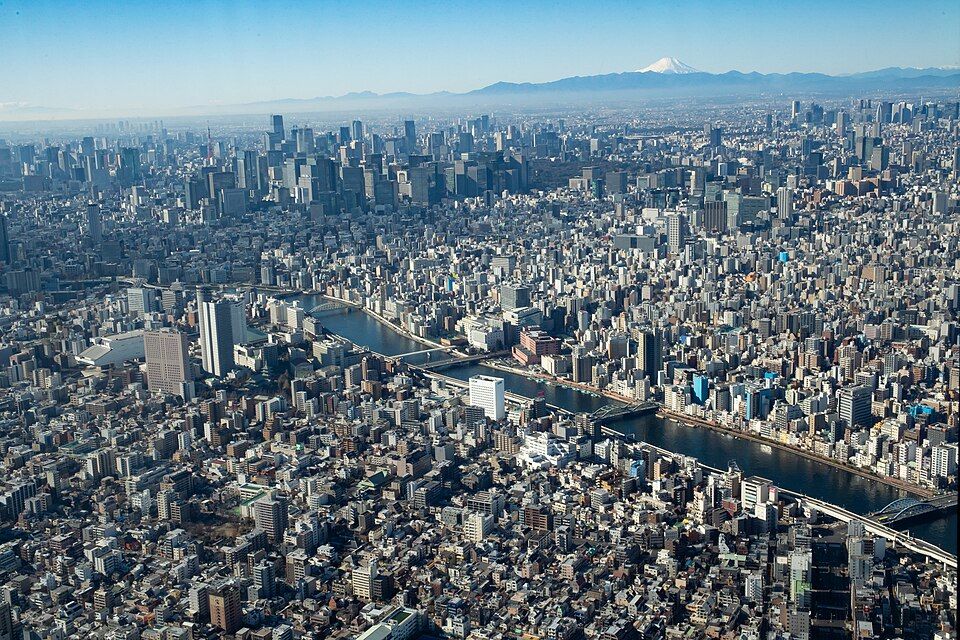
The cover photograph is an archival clear-weather view taken from the Tembo Galleria. It is useful for understanding the scale of the outlook, not a prediction for your visit. In particular, do not make a distant Mount Fuji sighting the condition for a successful day.
If the forecast looks uncertain, decide what you would still enjoy: the ascent, the nearby complex, or another part of the city. Check operating notices on the day, because a weather-related operational interruption is different from an open observation floor with limited visibility. Follow the operator's instructions for the actual situation.
Give the view a simple structure
Once upstairs, spend a few minutes orientating yourself before taking many photographs. Follow a broad feature such as the Sumida River, then look at the tighter street pattern around it. The contrast between large routes and dense blocks makes the panorama more understandable than a collection of disconnected landmarks.
Move around the available viewing areas rather than stopping at the first crowded window. A different angle may be more interesting even if it is not the one used in a famous photograph. Leave room for other visitors and use the current signs to understand the route between levels.
If you have the Galleria ticket, leave enough time to experience its rising passage without rushing immediately back down. Decide when to make the ascent according to the light and your group's energy. You do not have to spend equal time at every level for the visit to feel complete.
Plan one continuous visit
The FAQ does not set a general stay limit, although staff may direct visitors according to crowding or lift operations. That should not be treated as a promise of unrestricted access until closing. Check the day's operating times and leave time for the descent.
Re-entry is not offered after leaving the observation visit. Eat beforehand if hunger would otherwise force you to leave early, or confirm the current food options and their conditions inside. Do not plan to go down to shop and then return using the same admission.
As an editorial allowance, reserve 90 minutes to two hours for the observation visit, with extra time for entry queues, meals or shopping. A shorter Deck-only visit may suit some travellers, while a keen photographer may want longer. The allowance is a planning aid, not a guaranteed queue or lift duration.
Fit Skytree into the day without duplicating it
Keep the surrounding part of the day flexible. A meal or a short neighbourhood walk is easier to adjust than another tightly timed attraction immediately after the descent. If you intend to combine Skytree with a river crossing or Asakusa, check the actual route and conditions rather than judging walking time from the tower's visibility on the skyline.
If you already plan another observation tower, ask what each adds. Our Tokyo Tower guide helps compare a different location and tower experience. You may enjoy both, but you do not need two paid panoramas simply because they appear on separate sightseeing lists.
Travellers with mobility requirements should use the operator's current access information and explain any assistance needed. Ask about the complete path from your arrival point through the booked levels. For children or anyone uneasy with heights, agree that moving away from the glass or shortening the visit is acceptable; the itinerary should serve the group.
Cover photograph: Tokyo cityscape and Sumida River viewed from Tokyo Skytree Tembo Galleria — Archive photograph Image adapted for publication. — Dick Thomas Johnson, CC BY 2.0.
Frequently Asked Questions
Is the Tembo Galleria necessary?
No. The Deck provides the main panorama at 350 metres. The Galleria adds the higher sloping route around 450 metres and suits visitors who want the fuller tower experience.
Can you add the Galleria after buying a Deck ticket?
The operator allows an additional purchase at Floor 350 when available. It is not a simple conversion of the original ticket, and upper-level sales can be suspended because of crowding.
How much do tickets cost?
The official page checked on 23 November 2026 lists adult web prices from ¥1,800 for the Deck and ¥3,000 for both levels. The actual date price and any counter charge must be checked before purchase.
Will bad visibility qualify for a refund?
The operator says poor views due to weather do not by themselves qualify. Check your product's cancellation conditions and distinguish limited visibility from an operational closure.
How long should you allow at Skytree?
Around 90 minutes to two hours is our editorial allowance for the observation visit, with extra time for queues and other activities. Plan it as one continuous visit because re-entry is not offered.


Keep Exploring
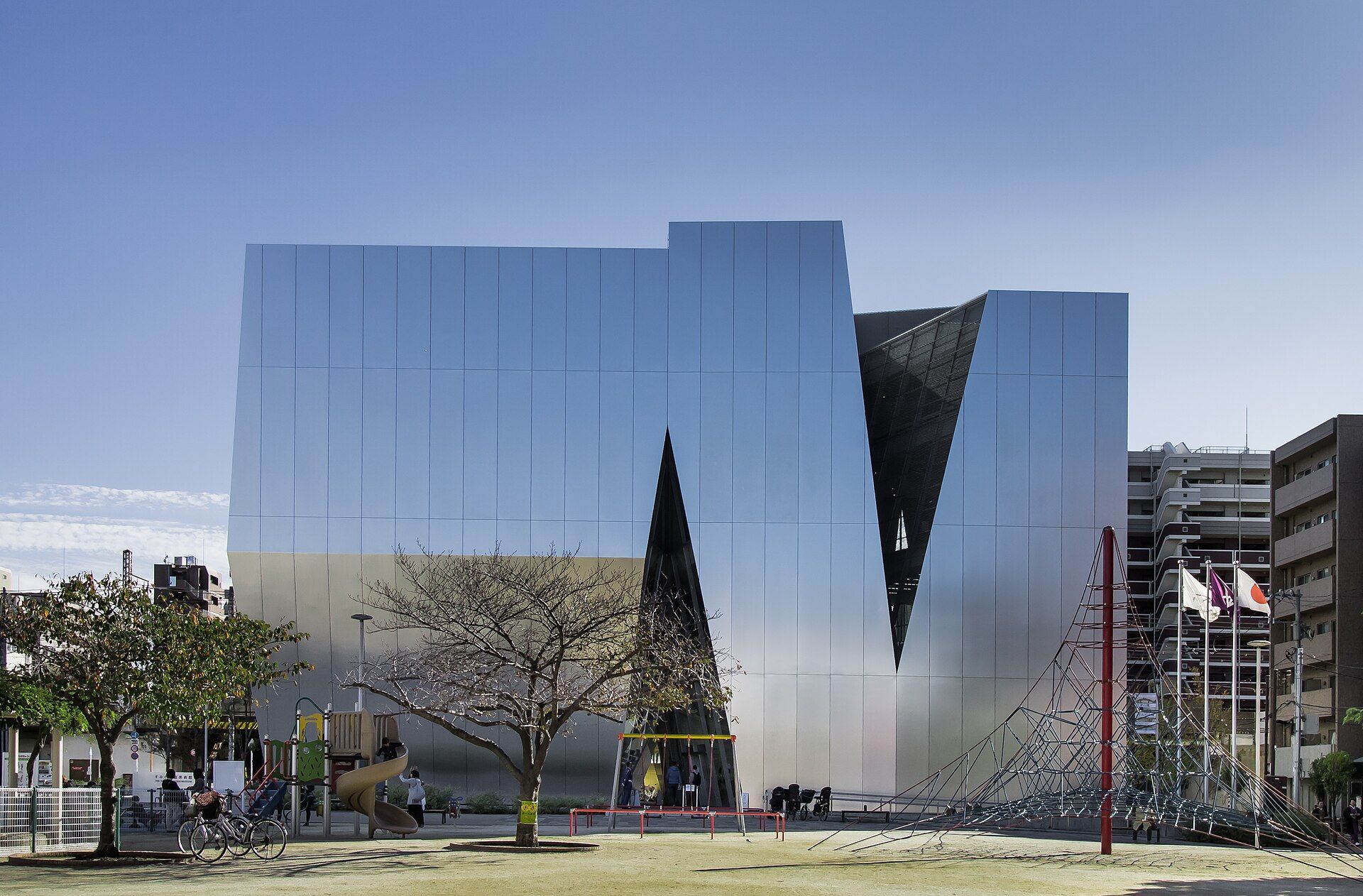
Sumida Hokusai Museum: Choose Your Tokyo Visit
Choose the Sumida Hokusai Museum ticket for your interests: replicas, changing original works, Ryogoku access and practical visit planning.
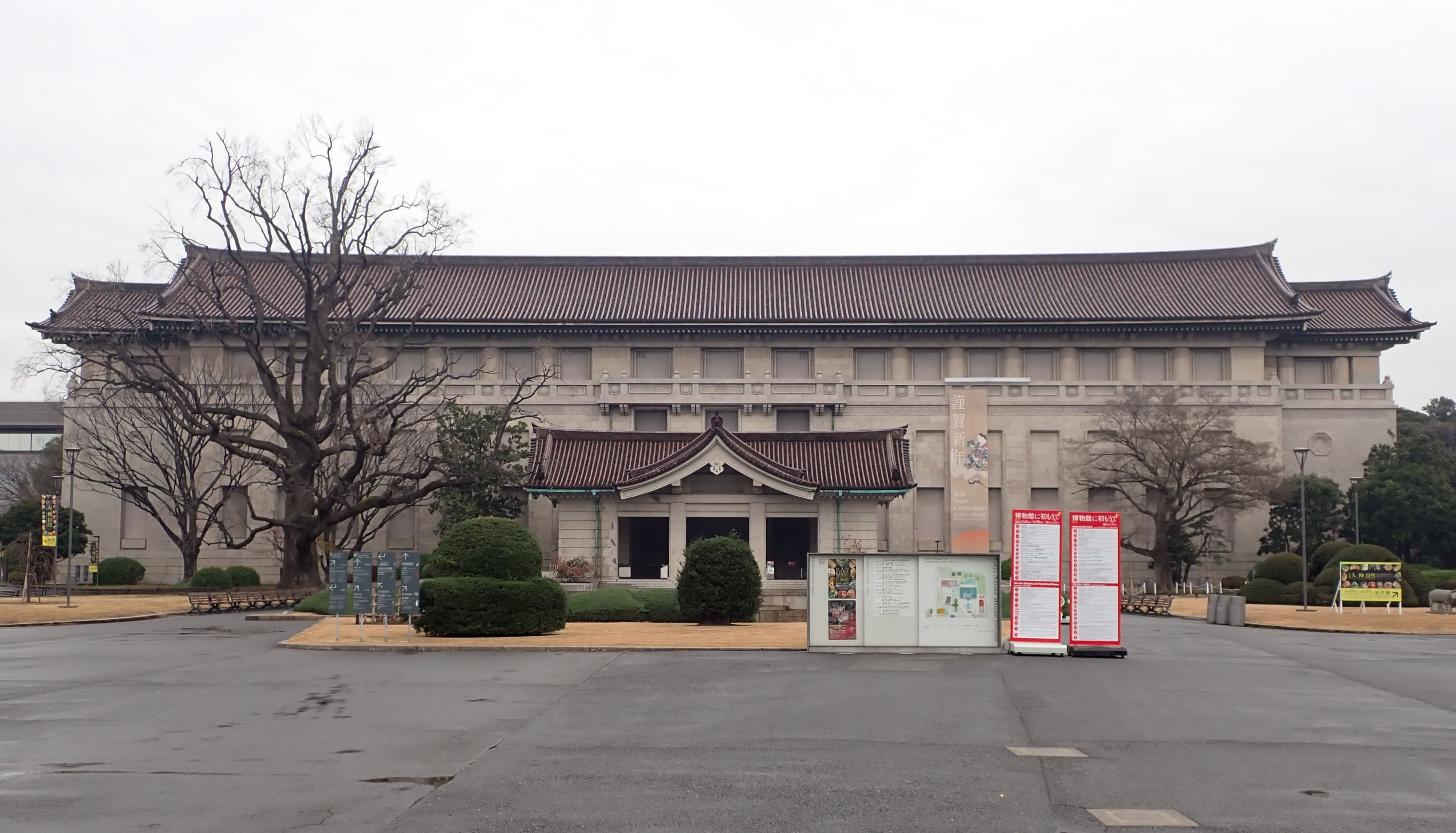
Tokyo National Museum: Choose Your Visit
Choose Tokyo National Museum galleries and tickets, with a focused Honkan route, late-2026 closures, hours and suitcase rules.
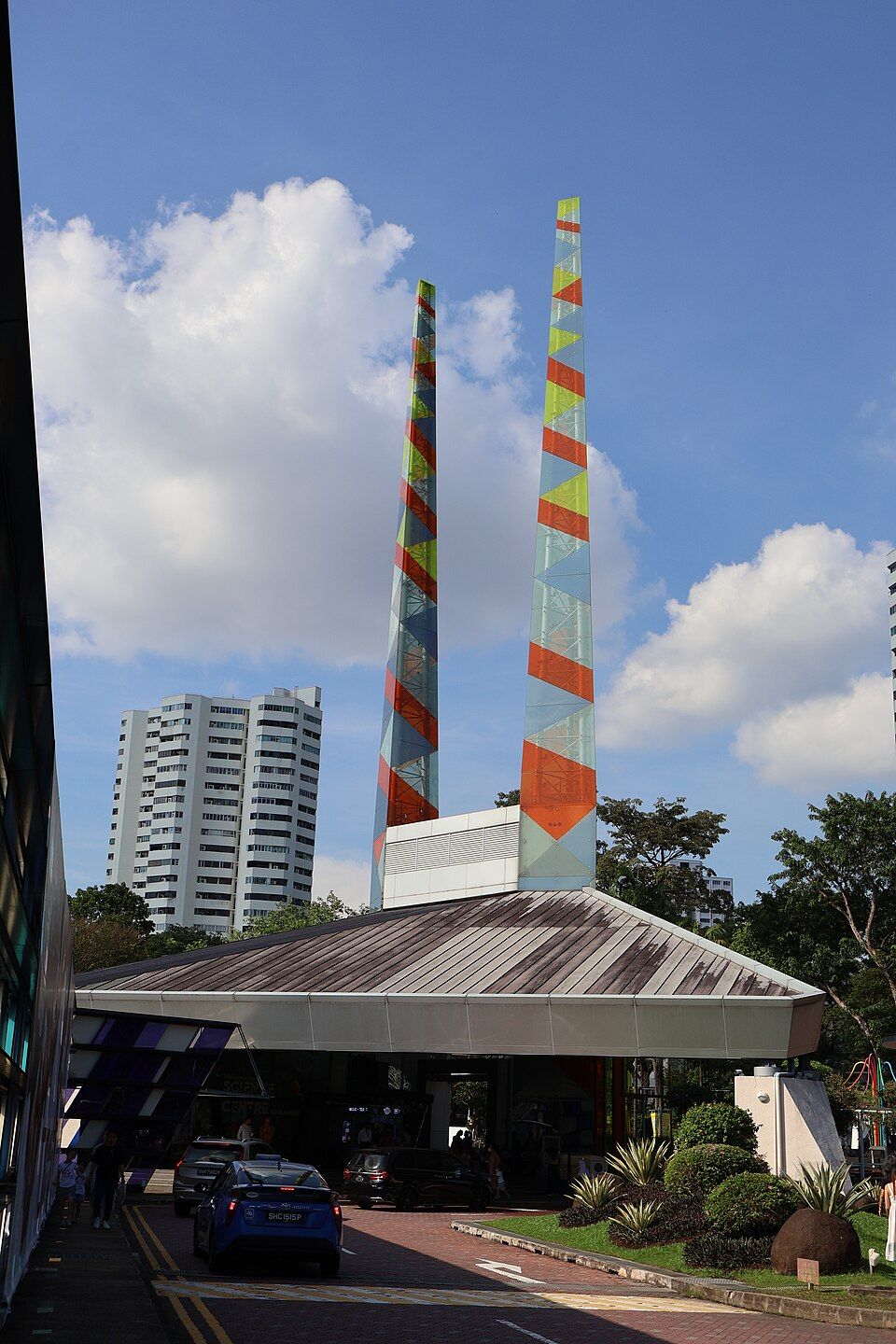
Science Centre Singapore: Choose Your Family Visit
Choose Science Centre, KidsSTOP or Omni-Theatre, with ticket checks, the current address and the confirmed Snow City closure.