
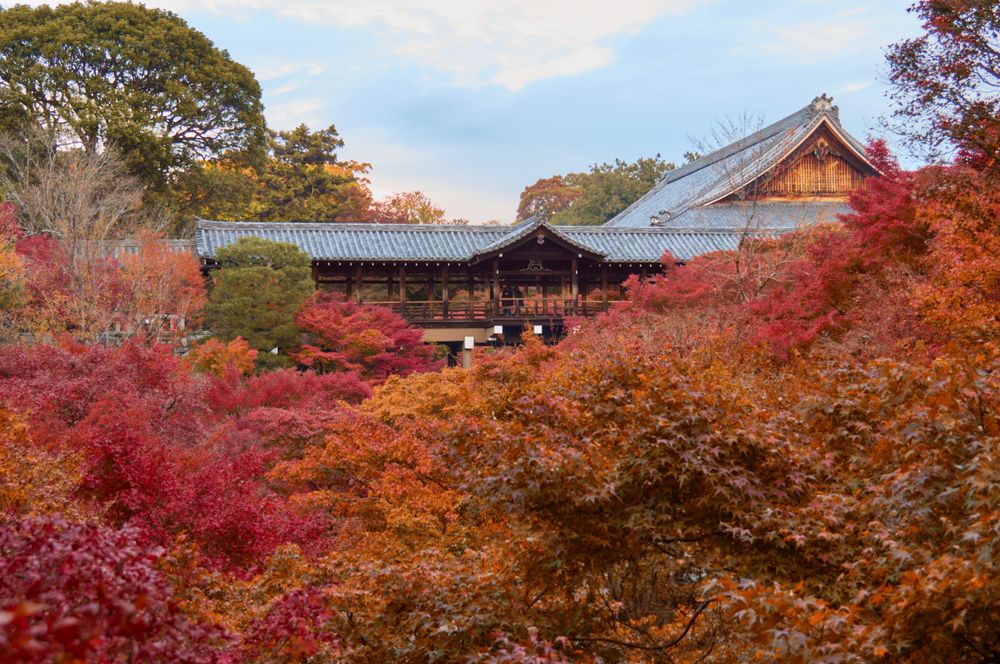
Choose Tofuku-ji’s bridge or Hojo gardens: current autumn prices, opening times, rail access and a realistic Kyoto temple visit.
Tofuku-ji offers two different reasons to travel south of central Kyoto: the view across a maple-filled valley from Tsutenkyo, and the deliberately composed gardens around the Hojo. Choose the bridge for landscape and seasonal colour; choose the Hojo for garden design. Paying for both makes sense when you want to compare those experiences and have time to look properly.
The distinction matters most in autumn, when the bridge costs more and the combined ticket is unavailable. This guide separates the choices, explains the current admission arrangements and helps you fit the temple into a manageable Kyoto day.
Fast facts
| Detail | Planning information |
|---|---|
| Location | 15-chome 778 Honmachi, Higashiyama, Kyoto |
| Main choices | Tsutenkyo–Kaisando area; Honbo Garden around the Hojo |
| Adult admission | Hojo ¥600; bridge area normally ¥600, or ¥1,000 during 14 November–6 December 2026 |
| Autumn opening | Bridge 08:30; Hojo 09:00; admission ends 16:00 |
| Getting there | JR Nara Line or Keihan to Tofukuji, then about 10 minutes on foot |
| Suggested time | 60–90 minutes for one paid area and grounds; about 2 hours for both, before substantial queues |
Information was checked on 26 November 2026. Visit durations are editorial allowances, not temple guarantees. Yen amounts are the actual advertised charges; a euro conversion would vary with your payment provider and travel date.
Which part should you choose?
Tsutenkyo is the choice if your image of Tofuku-ji is a roofed bridge above trees. Its appeal comes from looking across a valley and seeing buildings framed by foliage. The paid area also includes Kaisando, the founder’s precinct. Treat the route as a landscape visit, rather than paying simply to stand in one photographic position.
The Honbo Garden, also called the Hojo garden, offers a more concentrated encounter with design. Four gardens surround the building, so the experience changes as you move around it. This suits someone who enjoys comparing arrangements of stone, moss and planted forms, including outside the autumn colour season.
The temple’s description of the Hojo gardens identifies Mirei Shigemori as their designer and dates their completion to 1939. These are modern compositions within a historic religious complex. Looking for that relationship is more useful than assuming every element must be medieval.
For a short visit, pick the area that matches your interest and leave time for the wider grounds. For a fuller visit, see both without adding every special opening. A third admission is only worthwhile if you understand what it adds. This decision also helps place Tofuku-ji within our wider guide to things to do in Kyoto.
Tickets: the autumn difference
The temple’s official admission page lists the Hojo at ¥600 per adult from 1 November 2026. Its older ¥500 figure remains visible alongside the dated increase, so use the new amount. Elementary and junior-high-school pupils are listed at ¥300.
For Tsutenkyo and Kaisando, standard admission is ¥600 for adults and ¥300 for schoolchildren. During 14 November–6 December 2026, it is ¥1,000 and ¥500 respectively. There is no combined ticket during that autumn interval. An adult visiting both areas therefore budgets ¥1,600 in entrance fees, excluding transport and separately priced special visits.
Outside the peak interval, the official page lists a combined ticket at ¥1,000 for adults and ¥500 for schoolchildren. Because the Hojo price has recently changed while the combined figure remains listed, confirm that option at the entrance when visiting after the autumn period. Do not assume a future year will keep the same dates or tariff.
Choose your admissions before joining a queue. If travelling with children, use the school-stage categories shown by the temple instead of inventing an age cutoff. Ask the ticket office about anyone whose eligibility is unclear. Tickets do not allow re-entry, so finish the area before leaving for a meal or the other part of the complex.
Opening times and the last-entry trap
For the 2026 peak-autumn period, Tsutenkyo opens at 08:30 and the Hojo at 09:00. The city tourism office’s dated autumn listing gives closing at 16:30 with admission ending at 16:00. Arriving at the final admission time would leave little room for an unhurried visit.
The temple’s regular table gives a 09:00 start, with admission ending at 16:00 from April through October and in early November. From 7 December to 31 March, admission ends at 15:30. Distinguish the time the entrance stops admitting people from the time visitors must leave.
For both paid areas, begin well before the afternoon cutoff. If you reach Kyoto late, one area may be the better choice. A shorter, considered visit is more satisfying than rushing across the bridge and around all four gardens because both tickets have been purchased.
Special openings have their own arrangements. A reservation-only morning programme is not the same product as arriving when ordinary admission begins. Check the actual programme page if early access, an interior or a particular artwork is the reason for your trip; do not infer access from a photograph of a room.
Getting there without complicating the day
From Kyoto Station, the temple’s official access guide shows the JR Nara Line to Tofukuji, followed by roughly 10 minutes’ walking. The rail segment is listed at about 3 minutes, but allow time to find the platform, wait and walk through the station. A short ride does not mean a three-minute door-to-door visit.
Keihan also serves Tofukuji, making it a practical option when starting near that railway. Choose the route from your accommodation rather than travelling to Kyoto Station solely because a generic itinerary starts there. Confirm the correct service and current fare with the operator; this guide does not claim a transport price that was not verified.
Follow signed pedestrian access through the surrounding streets. Keep entrances to homes and businesses clear, especially when stopping to look at a map. If someone in your group walks slowly, use the station-to-temple estimate as a starting point and add your own margin.
The temple encourages public transport in the foliage season and lists its parking as closed from 25 October to 10 December. A taxi can still leave you with an approach on foot and cannot remove queues inside the temple. Rail is the sensible default for an independent autumn visit.
How to look at the Hojo gardens
Begin by seeing each garden as a whole. Notice how the frame of the building controls the view, then choose a detail to examine: the spacing of stones, a change in surface or a repeated shape. Return to the wider composition after looking closely. You do not need specialist vocabulary to see how repetition and empty space affect the impression.
The temple describes a northern checkerboard of moss and paving stones and a different, larger pattern to the west. Compare how those arrangements behave as you change position. The eastern and southern gardens give further contrasts. The point is the relationship between the four sides, not finding a single viewpoint and leaving.
Stay on the permitted visitor route and follow instructions about footwear. These gardens are viewed spaces, not lawns for walking across. Avoid turning a pause into a blocked passage: step aside where possible, let others pass and return to a view when there is room.
Allow your visit to remain enjoyable even if the light differs from a promotional photograph. Cloud, rain or bare branches alter what stands out. The garden’s structure can still reward attention without the exact seasonal colour you expected.
The bridge in autumn: plan for people as well as leaves
Autumn photographs show why the bridge attracts visitors, but they cannot tell you the day’s crowd or leaf condition. The city’s foliage page normally places the colour season around mid-to-late November; the actual display depends on the year. Choose dates for your whole trip rather than treating a single photograph as a forecast.
The temple’s 20 November 2026 crowd notice warns that photography on Tsutenkyo may be restricted for safety when busy. Buying admission does not guarantee the right to stop for photographs on the bridge. Follow staff instructions and enjoy the view while moving if requested.
Do not promise yourself a crowd-free visit merely by arriving early. Starting early gives you more remaining daylight and flexibility, which is useful even when others have made the same choice. Leave a gap before any later timed reservation so a slow entry does not dominate the day.
Comfort, access and a sensible pairing
The temple prohibits eating and drinking in the grounds and asks visitors not to use tripods. Plan a proper break outside the complex before or after the visit. Wear shoes suitable for walking and for any footwear changes requested at buildings; carry only what you can manage comfortably through busy passages.
For mobility requirements, ask about the specific paid area, steps and the route between its entrance and viewing positions. A general statement that a temple can be visited does not establish that every bridge, garden edge or historic interior suits every wheelchair. Confirm your route directly before buying a special programme.
A useful wider day combines Tofuku-ji with one contrasting experience and a meal, leaving the second half adjustable. Our Kyoto three-day itinerary helps distribute the city’s districts across a stay. Do not force Tofuku-ji, western Kyoto and the northern temples into the same afternoon just because each looks close on a city map.
If garden design is your strongest interest, give the Hojo your freshest attention. If autumn landscape is the purpose, prioritise Tsutenkyo and make the Hojo optional. The best visit is the one in which your chosen area receives enough time.
Cover photograph: Tsutenkyo covered bridge at Tofuku-ji surrounded by red and orange maple foliage in November 2025 — Archive photograph 2025 — lumoplank, CC0 1.0.
Frequently Asked Questions
Is Tofuku-ji free to visit?
The wider grounds and paid viewing areas are different. The city tourism listing describes free access to the grounds; Tsutenkyo–Kaisando and the Hojo garden require their own admissions. Special openings may cost extra.
How much do both main areas cost in autumn 2026?
During 14 November–6 December, adult admission is ¥1,000 for Tsutenkyo–Kaisando and ¥600 for the Hojo, making ¥1,600. The combined ticket is unavailable during those dates.
Should I choose the bridge or the Hojo garden?
Choose the bridge for the valley landscape and seasonal foliage; choose the Hojo for four contrasting garden compositions. Visit both if those interests overlap and you can allow about two hours before major queues.
Can I photograph from Tsutenkyo?
Photography can be restricted on the bridge when crowded. Follow the day’s signs and staff instructions. Admission does not guarantee a stationary photography opportunity, and tripods are not permitted in the grounds.
How do I reach Tofuku-ji from Kyoto Station?
Take the JR Nara Line to Tofukuji and walk roughly 10 minutes to the temple. Allow additional time for the platform, waiting and the approach, especially in autumn.


Keep Exploring
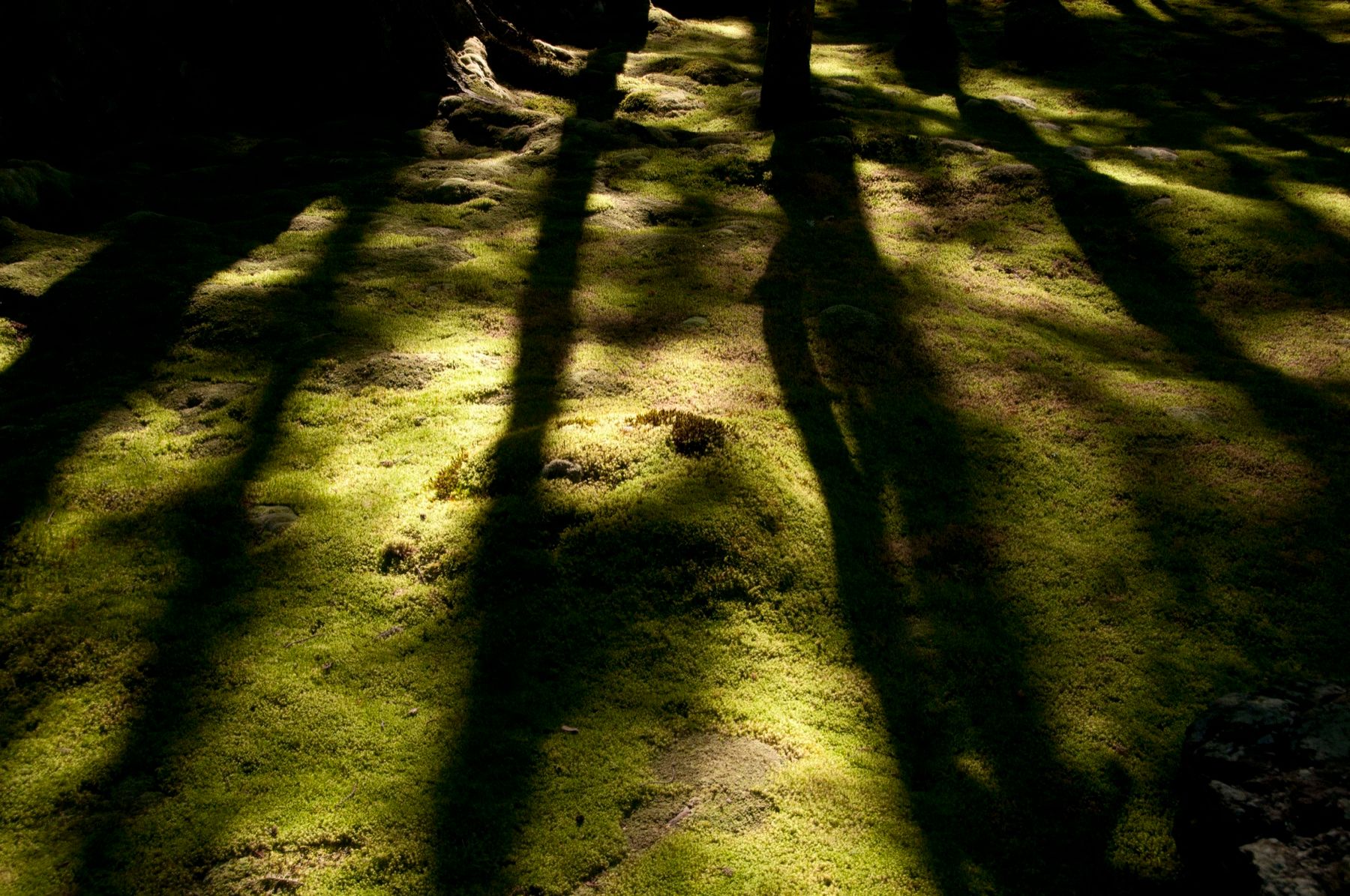
Saihoji Kyoto: Reserve a Moss Garden Visit
Plan Saihoji with booking rules, sutra copying, age limits, transport and the announced winter 2027 suspension of standard visits.
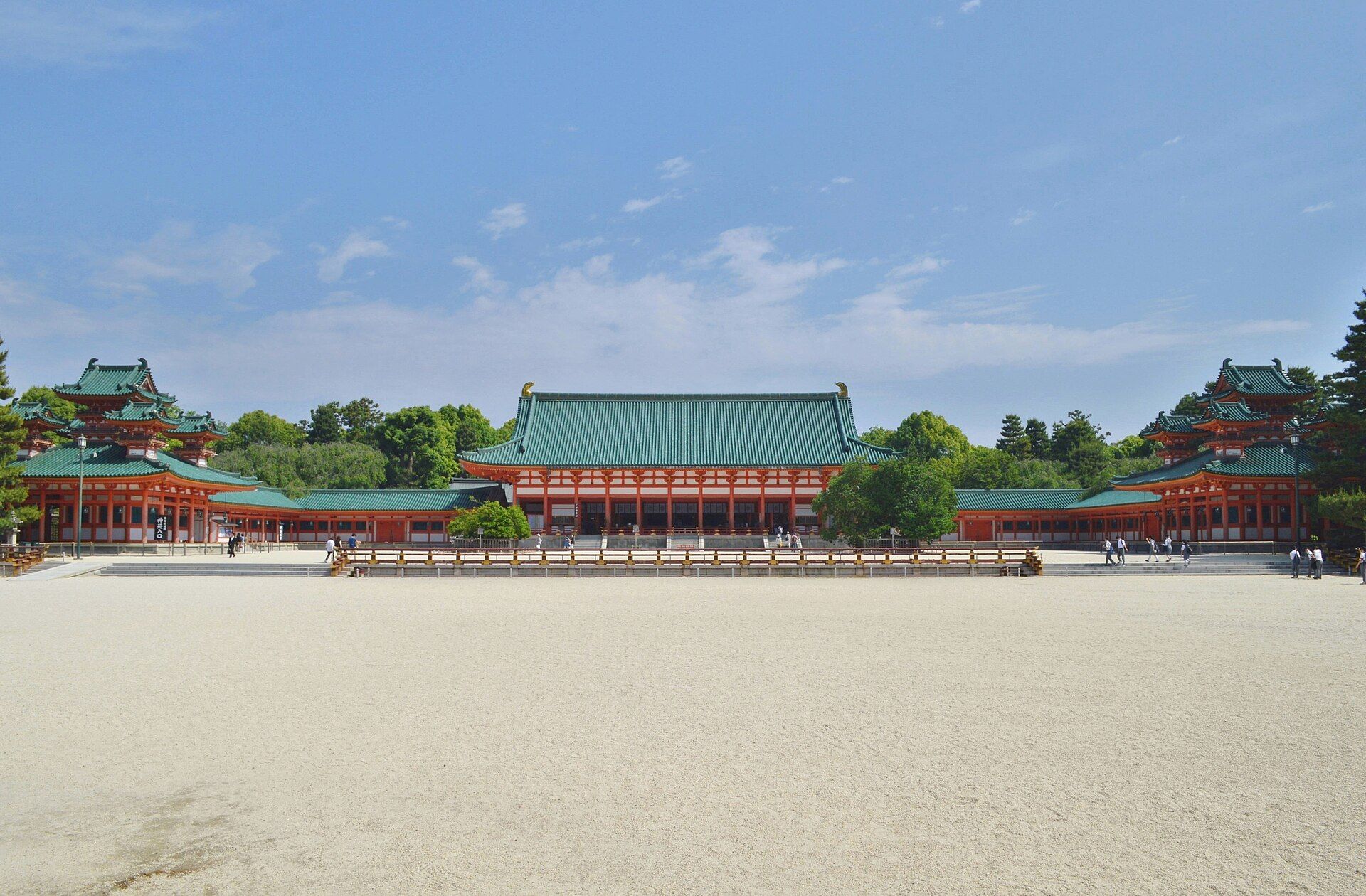
Heian Shrine Kyoto: Courtyard, Garden and Current Works
Visit Heian Shrine and Shin’en in Kyoto: garden hours, admission, subway access and the November 2026 building-work notice.
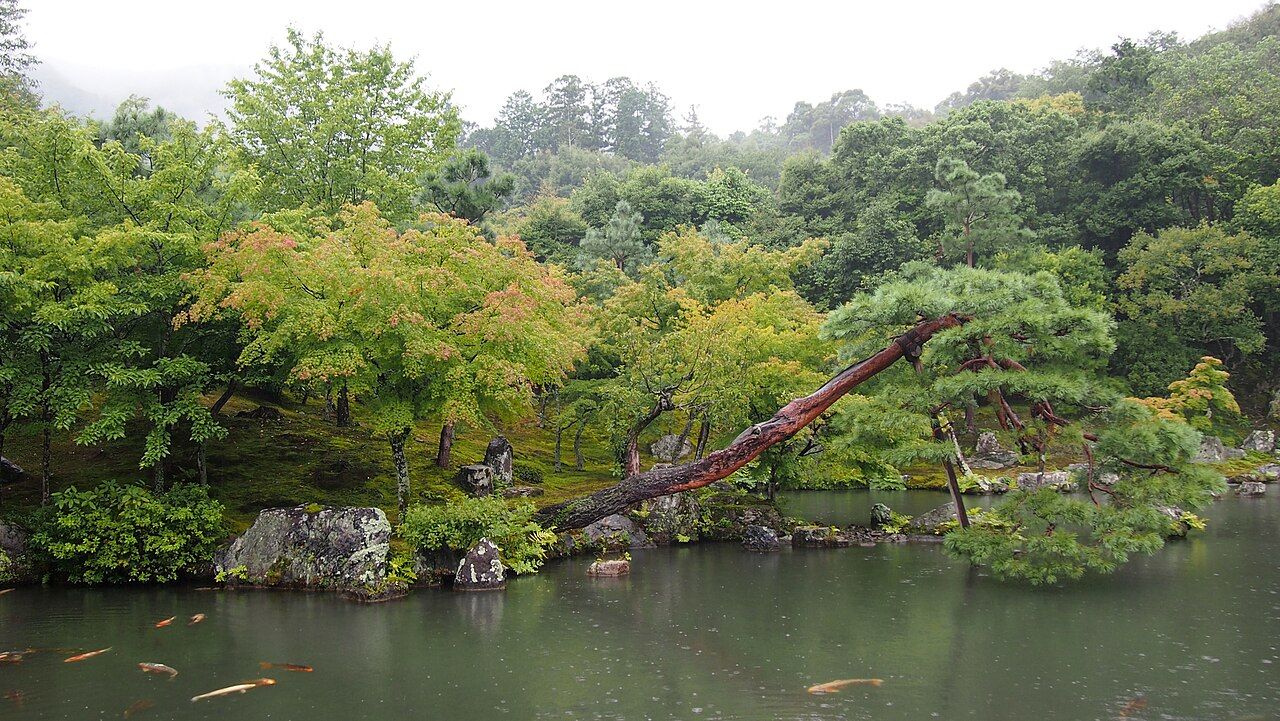
Tenryu-ji Kyoto: Garden, Tickets and Cloud Dragon
Choose Tenryu-ji garden, buildings and Cloud Dragon tickets, with current hours, autumn 2026 openings and practical Arashiyama planning.