
San Martín Tilcajete: Plan a Woodcarving Village Visit
Plan a San Martín Tilcajete workshop visit from Oaxaca: guided tours, painting classes, buying advice and an opening-time discrepancy to confirm.
Visit San Martín Tilcajete for time inside a woodcarving workshop, rather than treating the village as a quick souvenir stop. The useful decision is which kind of encounter you want: watching makers work, taking a guided explanation, painting a prepared figure or choosing a finished piece. These are different experiences, with different time requirements and conditions.
The village lies south of Oaxaca city and belongs to the region's living craft landscape. Our Oaxaca culture and day-trip guide helps choose between archaeology, textiles and other excursions. This guide concentrates on arranging one substantial woodcarving visit, with a named workshop as a practical example rather than a claim that it represents every maker in town.
Fast facts
| Detail | Planning information |
|---|---|
| Main interest | Carved and painted wooden figures; workshop processes and individual styles |
| Base | Oaxaca de Juárez; separate transport to the village |
| Named example | Taller Jacobo y María Ángeles, Calle Libres 5 |
| Example guided visit | Workshop publishes free tours, usually 45–60 minutes |
| Tour languages | English or Spanish at that workshop |
| Reservation | Recommended by the workshop, although not described as essential |
| Opening caveat | Its FAQ says 08:00–18:00; its main information says 09:00–18:00 |
| Last published tour | 17:15 in the workshop FAQ; confirm before travelling |
| Day allowance | A relaxed half-day including transport and a pause, an editorial suggestion |
These details were checked on 18 November 2026 using the workshop's own FAQ. They apply to that business, not to every workshop in San Martín Tilcajete. Confirm your date and starting time directly, especially because the official pages disagree about morning opening.
Understand what the village makes
The Oaxaca tourism board's village guide describes the local tradition of carving copal wood and decorating figures. It also distinguishes this development from Pedro Linares's fantastical papier-mâché creations associated with the term alebrijes. Avoid compressing those different materials and histories into a single timeless origin story.
You will encounter different names and ways of explaining the work. The Jacobo y María Ángeles workshop's introduction describes its own pieces as tonas and nahuales carved in copal. Let makers explain their terms and the meaning of a particular piece. A visitor's label should not replace the language the workshop uses for its own practice.
Look for differences rather than a universal “authentic” style. Shape, carving, palette and surface decoration can vary between workshops and between pieces by the same team. Ask who carved and who painted the object you are considering. Collaborative making does not make a work less meaningful; understanding the roles gives you a more accurate account of it.
Choose an observation tour or a practical class
A guided workshop visit normally helps you understand production. A painting class is a separate activity in which you work on a prepared object. Do not assume that an itinerary advertising a workshop visit includes making your own figure, or that a short painting session involves carving fresh wood from beginning to end.
Before booking a practical session, ask what is supplied, what you will do yourself, the teaching language, duration and price. Clarify whether children can participate and whether an accompanying adult needs a separate booking. Ask how the finished object will travel if the paint still needs time before packing.
If you mainly want to understand the craft, choose the explanation and leave time for questions afterwards. If you want an activity together as a family, a confirmed painting session may be more suitable. Neither choice requires buying an expensive finished piece; make the visit's terms clear before arrival so that learning and shopping remain comfortable decisions.
Arrange the named workshop example carefully
At Taller Jacobo y María Ángeles, the published guided visit is free and normally lasts 45–60 minutes. The workshop recommends reserving so it can organise guides, and lists English and Spanish tours. That is a useful starting point for an independent visit, but it does not guarantee the founders themselves will lead you around or be present that day.
The opening discrepancy matters mainly if you plan to arrive early: the FAQ says 08:00, while the main information footer says 09:00. Both give an 18:00 close, and the FAQ gives 17:15 as the last tour. Confirm a specific tour time rather than guessing which morning opening is current or arriving just before the final departure.
Use Calle Libres 5 and the workshop name when arranging your arrival. If an operator includes a visit here, ask how much time is actually allocated inside and whether translation is included. A stop labelled with the workshop's name can still be too short for a substantial explanation. One good visit is preferable to several hurried salesroom stops.
Follow the transformation from wood to painted figure
When a guide shows different stages, keep the sequence in mind: a shaped piece of wood, preparation and drying, surface work, then decoration. The tourism board describes these as distinct parts of production. You are usually seeing examples at different stages, not watching one object complete its entire journey during your visit.
Compare the unfinished form with a finished figure. Notice how the silhouette remains readable before colour is applied, and how painted patterns change your sense of its movement or volume. Ask which parts are carved together and which are attached separately. The answer matters both for understanding the skill and for handling a possible purchase safely.
Ask about the paint used on the specific piece rather than assuming all bright colours are natural dyes or all workshops use the same materials. Likewise, ask about the wood's source and preparation without treating a broad sustainability statement as proof about every object in the village. Precise questions make the conversation useful and give makers space to describe their own methods.
Buy with a record of the maker and the piece
If you want to purchase something, decide on a comfortable budget before starting to compare. There is no single village tariff for carved work. Size alone does not explain a price: carving complexity, painting detail, construction and the maker's work all affect what is offered. Compare pieces by what you value rather than expecting a fixed price per centimetre.
Ask for the names of the people or workshop responsible and a receipt describing the piece. Confirm whether detachable parts are intentional and request a demonstration of safe assembly. Ask how it should be dusted, displayed and protected during transport. Those practical details are more useful than an unsupported promise that every object is unique or museum quality.
For shipping or a commission, request written terms covering the object, price, packing, delivery arrangements and any further charges. A piece ordered for later is not the same purchase as one ready to carry away. Do not make your departure date depend on an informal completion estimate. Take time to decide, and ask permission before photographing a work for comparison.
Plan the whole journey, including the last stretch
Arrange transport around the confirmed workshop time. A private transfer can be straightforward for a group or for visitors who need to limit walking, but clarify waiting time and the return journey. With a shared tour, check the actual order of stops and the time inside the workshop, not just the list of villages included.
The workshop FAQ provides public-transport directions and identifies a roadside stop by Restaurante Azucena Zapoteca. Reaching that stop is not automatically reaching Calle Libres 5. Confirm the onward route, walking distance or local transfer, and the return pickup point before you set out. Use current local information for departures and fares rather than treating an undated estimate as guaranteed.
A relaxed half-day is an editorial suggestion for the journey, a substantial visit and a pause. Add time for a practical class, a second workshop or a meal. Carry water and prepare for walking between addresses. If you have a fixed evening departure from Oaxaca, protect the return margin rather than staying until the last possible service.
Respect a working village and choose one extra stop
Ask before entering a work area, photographing someone or touching unfinished objects. Tools and partially assembled figures are part of a workplace. Stay where the host indicates and keep children close during demonstrations. At the named workshop, the FAQ says some areas restrict photography and professional recording requires advance arrangements.
For mobility needs, the workshop reports ramps to principal areas and spacious toilets. Confirm the route you need rather than extending that statement to every room or other business in town. A village visit can include uneven approaches and separate addresses, so plan the entire outing, not only the interior of one building.
The state's craft route provides a framework for choosing neighbouring traditions. If textiles interest you too, our Santo Tomás Jalieza guide covers a different craft encounter. Add it only if you can retain meaningful time in both places. A meal and a village walk may be the better complement to one workshop than another rushed transfer.
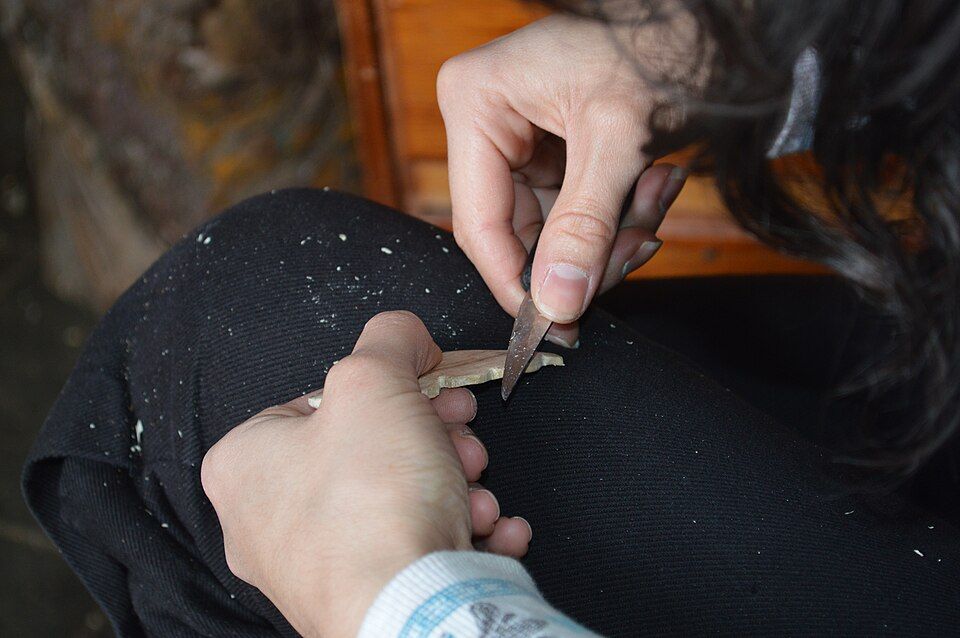
Cover photograph: Artisan carving a small wooden piece at the Jacobo Ángeles workshop in San Martín Tilcajete — AlejandroLinaresGarcia, CC BY-SA 4.0.
Frequently Asked Questions
Do I need to reserve a workshop visit?
Conditions vary by workshop. Taller Jacobo y María Ángeles recommends reserving its guided visit, although its FAQ says a reservation is not essential. Confirm the date, language and starting time directly.
How much does the named guided visit cost?
The workshop publishes a free guided tour, usually 45–60 minutes. This does not establish prices for other workshops, painting classes, transport or purchases. Details were checked on 18 November 2026.
What time does Taller Jacobo y María Ángeles open?
Its official pages disagree: the FAQ says 08:00 and the main information says 09:00. Both close at 18:00; the FAQ lists the final tour at 17:15. Confirm your specific start before travelling.
Can I paint or carve my own figure during a visit?
A standard explanatory visit does not automatically include a practical class. Ask the chosen workshop what activity is available, what is supplied, its price and duration, and whether you paint a prepared figure or do any carving.


Keep Exploring
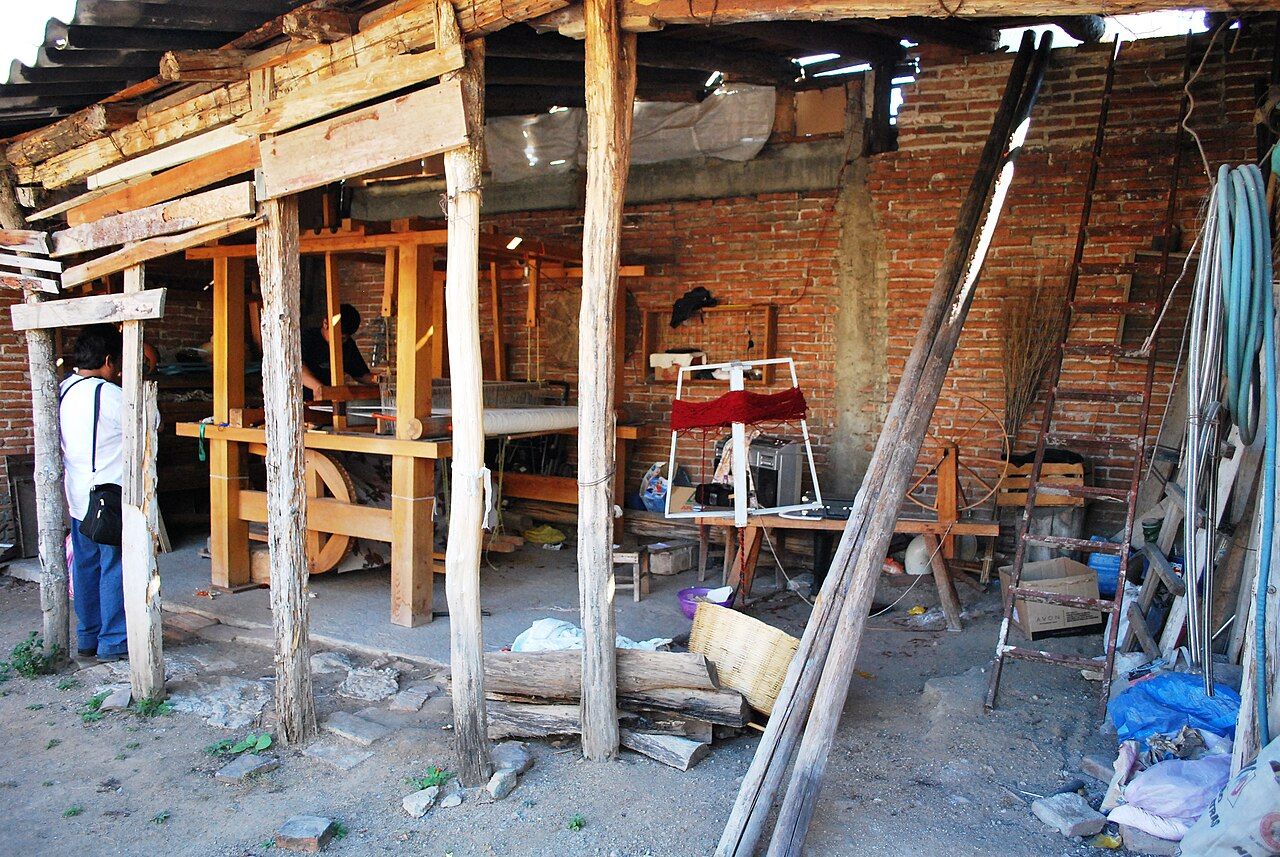
Teotitlán del Valle: Plan a Textile Village Visit
Plan a textile-focused visit to Teotitlán del Valle: choose a workshop, ask about wool and dyes, and leave time for village history.
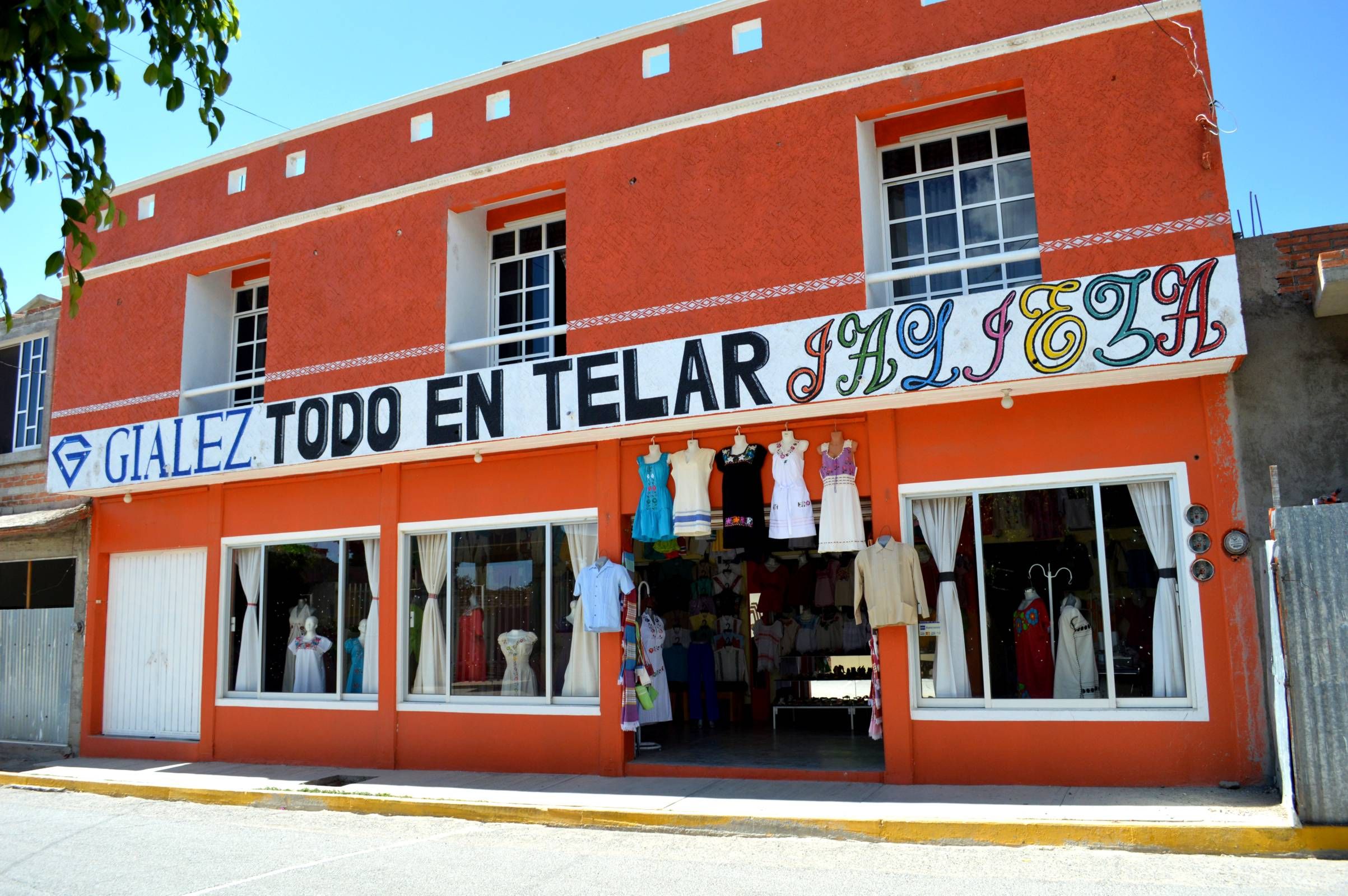
Santo Tomás Jalieza: Plan a Weaving Village Visit
Plan Santo Tomás Jalieza from Oaxaca: backstrap weaving, named artisan contacts, workshop questions, thoughtful textile buying and return transport.
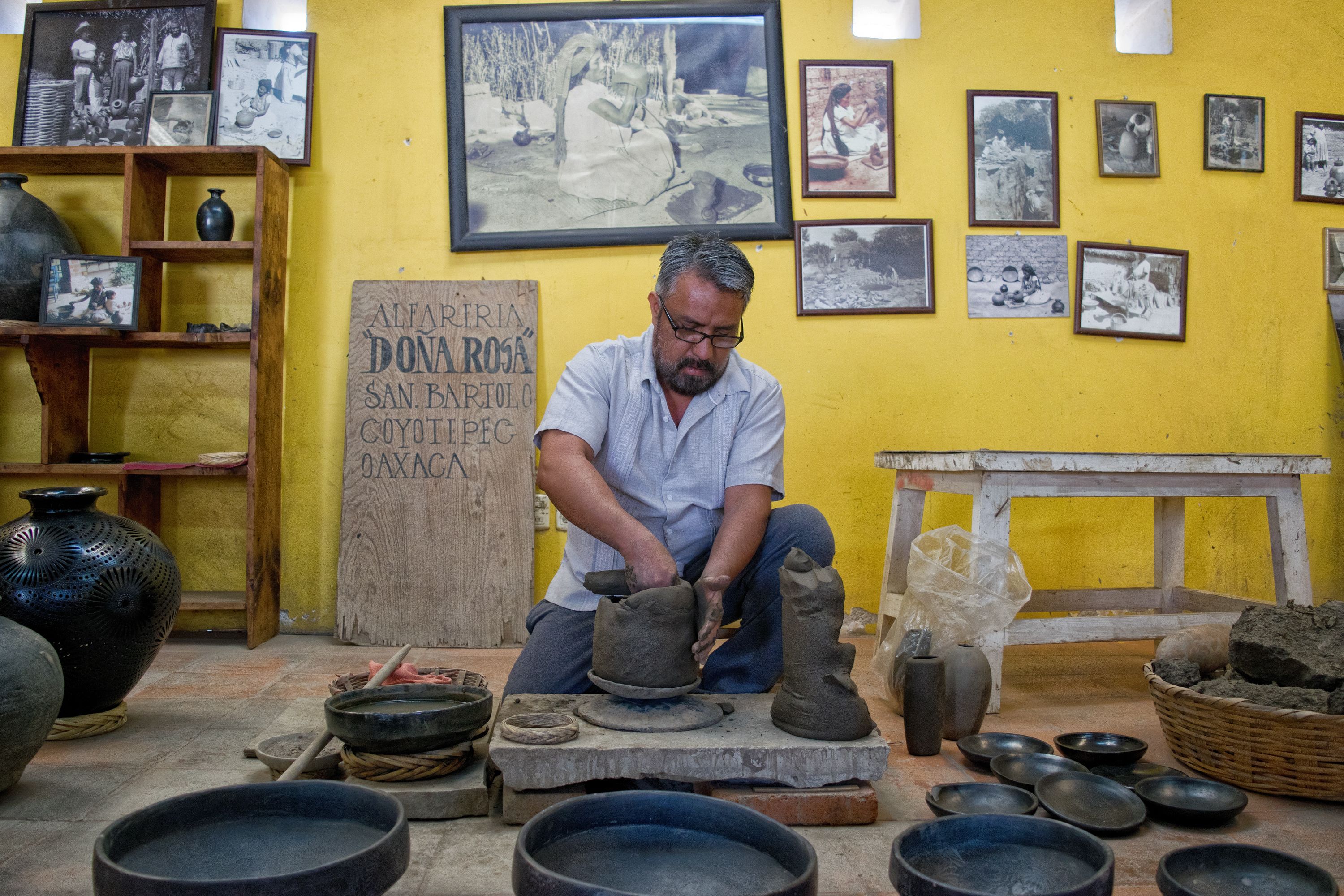
San Bartolo Coyotepec: Plan a Pottery Village Visit
Plan a San Bartolo Coyotepec pottery visit with named workshops, MEAPO checks, questions about barro negro and a focused half-day from Oaxaca.