
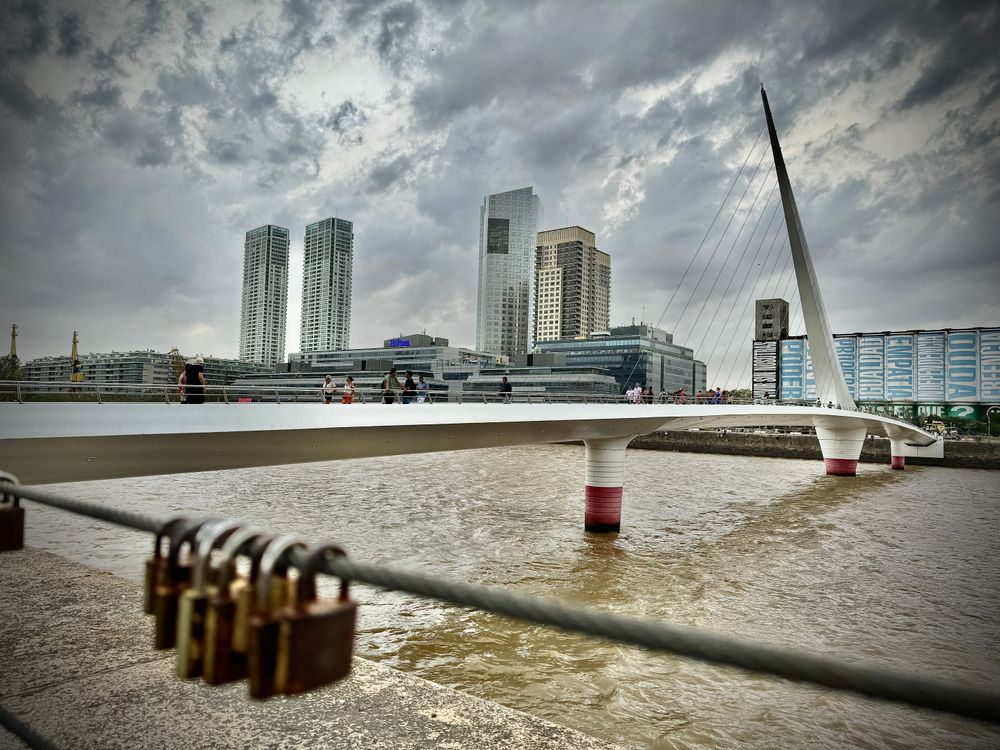
Explore Puerto Madero’s historic docks, Puente de la Mujer and two museum ships, with a short walking plan and current boarding caveats.
Puerto Madero works best as a walk through Buenos Aires' former docks, with one optional museum-ship visit and time to look at the contrast between brick warehouses, water and newer buildings. You do not need to walk every dock or book a waterfront meal to understand the neighbourhood. A focused route between the Corbeta Uruguay and Puente de la Mujer gives a first visit a clear shape.
The important geographical distinction is that the dockside promenade is not the open bank of the Río de la Plata. Nor is it the ecological reserve: reaching the reserve and following its paths is a separate outing. Use this guide for the historic waterfront, then our Buenos Aires neighbourhood guide to decide how it fits with downtown, San Telmo or another cultural area.
Practical information checked on 13 November 2026. The route is a suggested independent walk, not an official guided itinerary. Ship access remains subject to weather, maintenance and the operator's decisions.
Choose the short walk or a museum-led afternoon
For the simplest visit, follow the west side of Dique 4 south towards Dique 3, pause by the two historic ships and finish by crossing Puente de la Mujer. Allow about 60–90 minutes for a leisurely exterior walk with photographs. This is an editorial allowance, not a measured walking time or a promise about pedestrian conditions.
If you want to board a ship, protect that visit first and allow about two to three hours overall. Check which vessel is open before choosing your start point. A museum visit, repeated photography stops and a sit-down meal can easily expand the outing beyond that estimate.
| Your main interest | Suggested emphasis | What to check |
|---|---|---|
| Architecture and photographs | Docks, warehouses and Puente de la Mujer | Weather and any local access restrictions |
| Naval training and shipboard spaces | Fragata Presidente Sarmiento | Operator's hours, contribution and access |
| Antarctic exploration | Corbeta Uruguay | Current opening and onboard route |
| A relaxed meal by the water | Shorten the walk around a chosen restaurant | Menu, full price and reservation conditions |
| Nature and the open river | Plan the reserve separately | Reserve gates, closing time and weather rules |
A route centred on two adjoining docks is enough for a first impression. Adding distant landmarks merely to make the walk longer usually reduces the time available to understand the places you came to see.
Read the old port before the skyline
The city's history of Puerto Madero explains how a late-19th-century harbour project was overtaken by the growing size of cargo ships. The red-brick warehouses and the long dock basins belong to that working-port story. Redevelopment launched in 1989 later brought housing, businesses and public space to the area.
Look at the rhythm of the warehouse façades rather than treating them only as restaurant frontage. Repeated openings, substantial walls and their relationship with the water help explain the original purpose of the buildings. Across the basin, newer architecture shows how the district's use has changed.
The most interesting view is often sideways along a dock: it brings the old structures, water and present-day buildings into one frame. A single close photograph of a tower can lose that relationship. Pause at more than one point and compare the two sides before moving on.
This is also a district of deliberately chosen names. Streets commemorate notable women; their names offer another way to read a neighbourhood sometimes reduced to its property developments and restaurants. You can follow that theme without turning the walk into an exhaustive historical tour.
Start at Corbeta Uruguay on Dique 4
Use Avenida Alicia Moreau de Justo 500 as the address for the Corbeta Uruguay. The smaller historic vessel makes a useful northern anchor before walking towards the better-known bridge. Even if you remain on the promenade, identifying the ship gives the dock a specific history beyond its present appearance.
The Argentine Navy's museum page connects Uruguay with the 1903 rescue of Otto Nordenskjöld's Antarctic expedition, which included José María Sobral. That story makes it a particularly relevant choice for visitors interested in exploration, navigation and how a vessel was adapted to demanding conditions.
The government listing currently gives Thursday–Sunday visiting hours of noon–7pm, with Wednesday intended for school groups. Treat this as the published schedule to confirm, not a guarantee that boarding will be possible when you arrive. It does not establish current ticket availability or the accessibility of every compartment.
If this is your priority, contact the museum before arranging the rest of the day. A ship viewed from the quay and a ship explored below deck are different experiences. Ask about the actual visitor route if stairs, confined spaces or moving between levels would affect your group.
Continue south to Fragata Presidente Sarmiento
Follow the dockside towards Dique 3 and the Fragata ARA Presidente Sarmiento, listed at Avenida Alicia Moreau de Justo 980. The two vessels should not be confused: Sarmiento is the larger training frigate, while Uruguay has the Antarctic rescue association. Their different purposes give you a reason to choose one rather than boarding both automatically.
The Navy's Sarmiento information records its launch in 1897 and 37 training voyages between 1899 and 1938. It became a museum ship in 1964. On a visit, think about the practical demands of training at sea: accommodation, work, equipment and the organisation of a shipboard community.
The operator currently publishes Thursday and Friday hours of 1pm–7pm, and Saturday, Sunday and public-holiday hours of noon–7pm. Monday and Tuesday are closed; Wednesday is reserved for school visits arranged in advance. Other tourism listings differ on weekend opening, so use the Navy's own page and confirm directly if your arrival time is critical.
Admission involves a contribution, and the operator currently specifies cash payment. Check the amount before visiting rather than relying on a converted price from an older travel article. The Navy also warns that weather, maintenance and official events can alter access without notice. Some onboard areas may be restricted, so a ticket should not be understood as unrestricted access to the entire ship.
For a short afternoon, one ship plus the waterfront is a coherent visit. Choose Sarmiento for the training-ship setting, or Uruguay for the Antarctic story. You can still see the other vessel from the public promenade without allocating a second museum stop.
Cross Puente de la Mujer with its context in mind
The official bridge guide identifies Puente de la Mujer as Santiago Calatrava's first work in Latin America. Opened in December 2001, it crosses Dique 3 between the Alicia Moreau de Justo side and Olga Cossettini. Its inclined mast and curved form are associated with the image of a couple dancing tango.
Look at the bridge from the quay before crossing. The cables and angled structure are easier to read from the side than when you are standing directly beneath them. Then use the crossing to see the dock from a different viewpoint, keeping the passage clear while stopping for photographs.
The bridge is designed to rotate to allow vessels through. That engineering feature does not mean there is a scheduled opening demonstration for visitors. Do not organise the afternoon around seeing it move unless a specific current event has been announced by the operator.
The city records a 2022 refurbishment that replaced worn decking with material made from recycled plastic. This is a useful detail to notice beneath your feet as well as in the skyline. Avoid attaching a commemorative lock: the city explains that the accumulated weight and corrosion can damage the structure.
Add the neighbourhood's women, or stop here
After crossing, decide whether you want a short extension into the streets or simply a return across the bridge. Olga Cossettini and Juana Manso are more than navigation labels. The city's guide to Puerto Madero's women identifies Cossettini with educational reform and Manso as a writer, translator and journalist.
Reading a few names gives the modern district a human dimension. You do not need to memorise every biography; choose one figure and understand why she is commemorated. The same official guide connects the area with Parque Mujeres Argentinas and, on a longer continuation, Lola Mora's Fuente de las Nereidas.
Treat the fountain as an optional extension rather than pretending every named attraction sits beside the bridge. Check its position on your map and decide whether the extra walking suits the weather and your remaining time. For a first visit, ending at the bridge is a complete plan, not a failed attempt to see the whole neighbourhood.
Food, weather and practical walking choices
A waterfront table can be a pleasant pause, but choose it for its actual menu and setting. Look at the full price, opening hours and any reservation conditions before sitting down. This guide does not rank restaurants or assume that a particular terrace has space simply because it faces the docks.
If your priority is the walk, keep the meal flexible. If your priority is a specific restaurant, book that first and build a shorter route around it. The distinction is especially useful when combining lunch with a ship visit that opens only in the afternoon.
Open dockside sections can feel exposed to sun, wind or rain. Carry water and choose footwear suitable for sustained walking. In poor weather, do not assume the museum ships provide a dependable indoor alternative: their operator explicitly allows weather-related closures.
For children, agree on a manageable section and keep attentive beside the water. For visitors with mobility needs, separate the public promenade from boarding a historic ship. Confirm the relevant crossings, gangway and onboard arrangements rather than inferring accessibility from a photograph of a broad path.
Keep the ecological reserve as a separate decision
Puerto Madero's docks and Costanera Sur are adjacent parts of a broader visit, but they offer different experiences. The dock walk concerns port history, architecture and museum vessels. The reserve requires its own entry planning and time on paths before you can expect a nature-focused outing.
Our Costanera Sur walking guide explains that separate choice. If you want both, check the reserve's current closing arrangements before lingering over lunch or boarding a ship. A public waterfront promenade remaining accessible does not mean a gated reserve is still admitting visitors.
For a half-day with a clear focus, choose either a ship-led dock visit or a reserve-led nature walk, then add a small amount of the other if conditions allow. Returning with a sense of how the old port became a modern neighbourhood is more rewarding than spending the afternoon chasing every pin on a map.
Cover photograph: Puente de la Mujer crossing a Puerto Madero dock beneath a cloudy sky — Stch2022, CC0 1.0 Universal.
Frequently Asked Questions
Is Puerto Madero the same as the Costanera Sur reserve?
No. The historic dock promenades, Puente de la Mujer and museum ships are separate from the ecological reserve. The reserve has its own entrances, hours and weather-related access rules.
How long should I allow for a Puerto Madero walk?
Allow roughly 60–90 minutes for a selective exterior walk around Dique 4 and Dique 3. Plan around two to three hours if adding one ship, with meals and longer stops extra. These are editorial estimates.
Which museum ship should I choose?
Choose Fragata Presidente Sarmiento for the naval training-ship setting, or Corbeta Uruguay for its connection to the 1903 Antarctic rescue. Check each vessel's current visitor arrangements separately.
Can I visit the ships on any day?
No. Published public hours are concentrated from Thursday to Sunday, with additional holiday hours listed for Sarmiento. Wednesdays are intended for school visits, and weather or operational needs can prevent boarding.


Keep Exploring
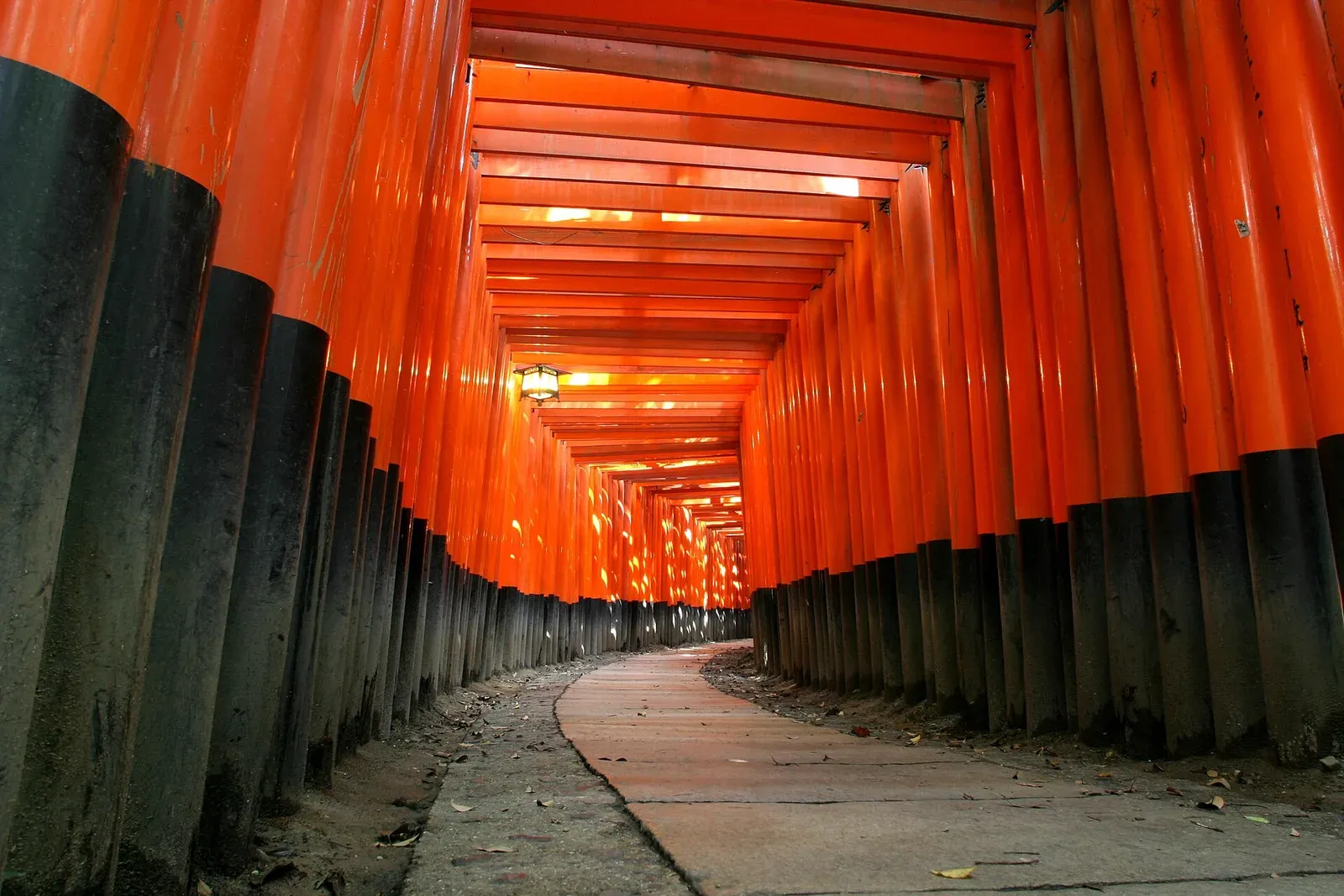
Fushimi Inari: Plan Your Shrine Walk
A focused guide to choosing how far to walk at Fushimi Inari, allowing for the descent and visiting a working shrine respectfully.
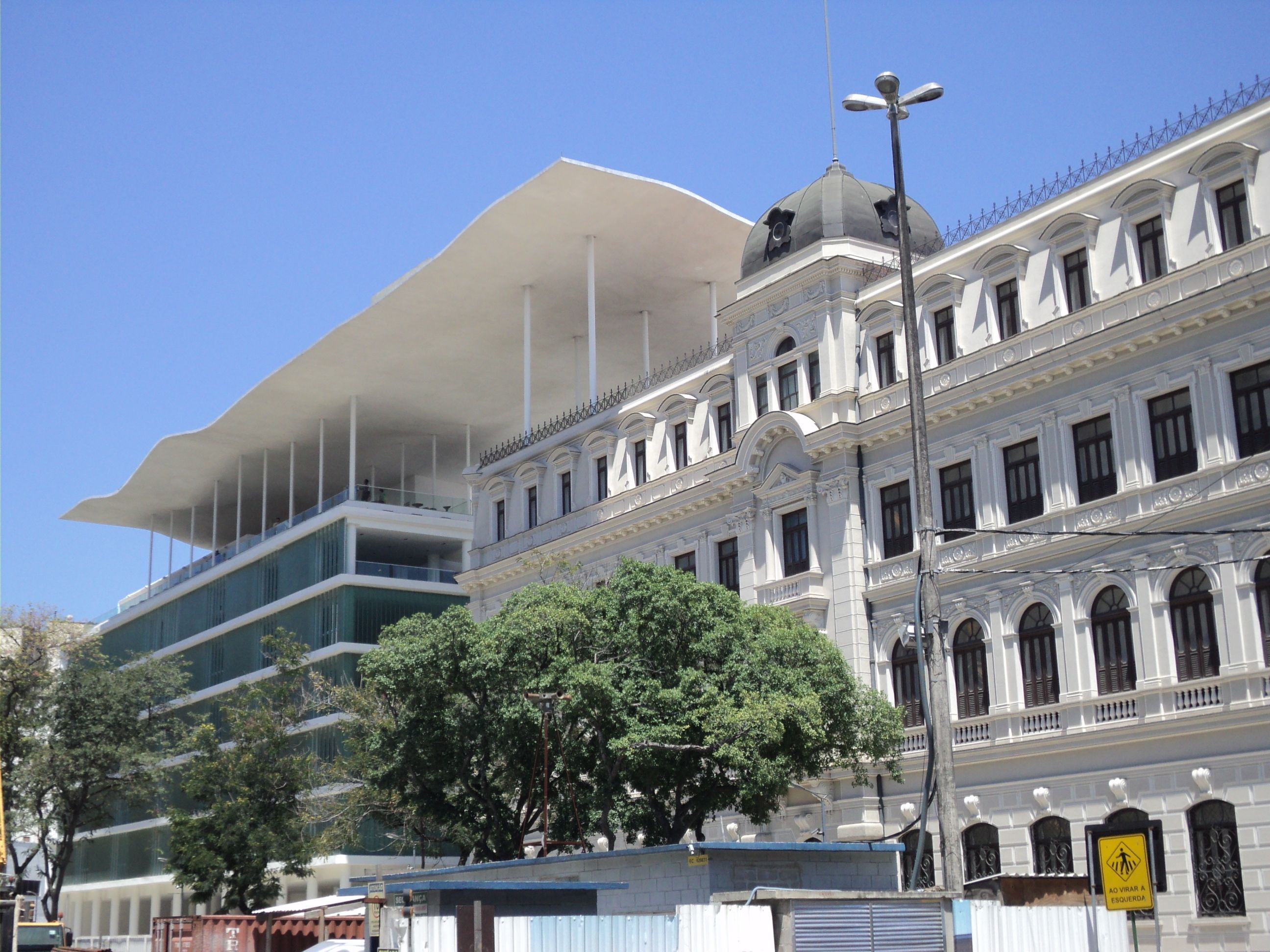
Museu de Arte do Rio: Plan Your MAR Visit
Choose MAR exhibitions, architecture and educational visits on Praça Mauá, with current opening days, tickets and the library’s separate calendar.
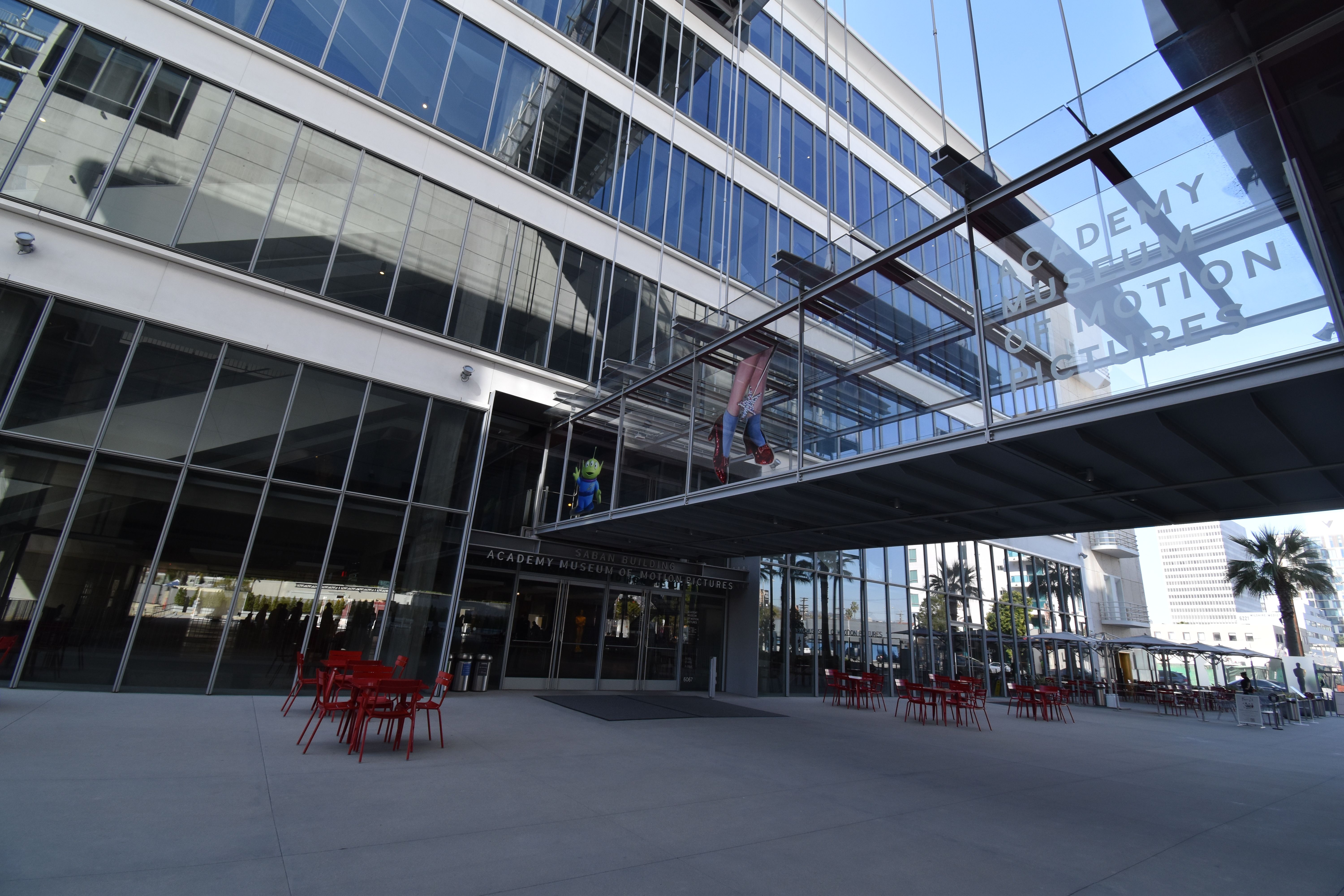
Academy Museum Los Angeles: Plan Your Visit
Plan an Academy Museum visit with gallery tickets, separate screenings and Oscars Experience, current closures and a realistic afternoon route.