
Natural History Museum Los Angeles: Plan Your Visit
Plan the Natural History Museum in Los Angeles: free Commons, Dinosaur Hall, admission, extras, transport and access for a focused visit.
The Natural History Museum of Los Angeles County works best as a half-day in Exposition Park, with one main collection and a contrasting second subject. Dinosaur Hall is the obvious starting point for fossil enthusiasts; Becoming Los Angeles makes the visit more specific to the city. Before buying, distinguish the free NHM Commons welcome area, general museum admission and separately ticketed experiences.
Dated notice, 26 November 2026: the museum is closed for Thanksgiving on 26 November and announces reopening on 27 November. Its website warns that Exposition Park events on 27–28 November 2026 will restrict parking and increase traffic. For later dates, check the live notice rather than assuming this disruption continues. Our Los Angeles guide by area helps keep this museum day geographically realistic.
Fast facts
| Decision | Practical answer |
|---|---|
| Location | 900 Exposition Boulevard, Exposition Park |
| Standard hours | 09:30–17:00 |
| Regular exception | First Tuesday of each month, except June–August |
| Advertised adult admission | US$18 |
| Children | Ages 3–12: US$7; ages 2 and under: free |
| Suggested allowance | 3–4 hours including a break; editorial estimate |
| Main ticket distinction | Dinosaur Hall is included; selected shows, pavilions and exhibitions cost extra |
The official planning page also lists closures on Independence Day, Thanksgiving, Christmas and New Year's Day. Prices are advertised rates checked on 26 November 2026, not a quotation for a chosen visit. Advance online tickets are strongly recommended, especially when adding a timed experience.
Decide what kind of museum visit you want
A dinosaur-led visit should protect time in the permanent hall before adding a film or performance. A city-history visit should give Becoming Los Angeles proper attention rather than treating it as the corridor between larger skeletons. For mixed interests, choose one priority each and agree a stopping point instead of promising to cover every department.
Allow around 3–4 hours with a break as a planning estimate. If you have only 90 minutes, narrow the visit to one principal hall and a short look at the Commons. A longer ticket list cannot create more concentration or reduce the time needed for arrival. For the larger trip, adapt our three-day Los Angeles itinerary by replacing an existing block rather than adding another cross-city journey.
This is the museum in Exposition Park. La Brea Tar Pits belongs to the same museum family but is a different destination on Miracle Mile, with its own current access conditions. Check the full address when booking or navigating; the institutions' shared branding does not mean shared entrances or identical opening arrangements.
Separate general admission from the extras
The published general prices are US$18 for adults, US$14 for visitors aged 62 and over, US$14 for college students with ID and young people aged 13–17, and US$7 for children aged 3–12. Ages 2 and under enter free. Select the category you can document and check the final basket before paying.
General admission includes the Jane G. Pisano Dinosaur Hall. The dinosaur film and live encounter are different experiences; their names do not mean that a separate ticket is needed to see the permanent fossils. The visitor page lists selected films, the Spider Pavilion and Dinosaur Encounters at US$10 extra, while other experiences have their own prices and schedules.
Add only a programme that you actually want and can fit around the galleries. Special ticketed experiences also require general admission. A seasonal pavilion may not operate during your dates, and a displayed price does not establish available sessions. Read the specific booking before choosing lunch or return transport around it.
What you can see in the free Commons
The NHM Commons page identifies the Judith Perlstein Welcome Center exhibitions as free and open to the public. They include Gnatalie, a green-hued sauropod mount, and Barbara Carrasco's mural L.A. History: A Mexican Perspective. This can support a meaningful shorter stop, but it is not a free ticket to all museum galleries.
Use the two displays as different invitations to look. Gnatalie raises questions about fossil discovery and mineral changes; the mural presents city history through an artist's visual choices. Compare what each medium can communicate, rather than expecting the same kind of explanation from a skeleton and a painted narrative.
The Commons also contains a theatre and other facilities. Free entry to the welcome area does not make every performance, film, meal or shop purchase free. If the Commons is your whole plan, verify its availability for the day and avoid purchasing a main museum ticket merely because a generic booking button appears nearby.
Give Dinosaur Hall a clear focus
Start with the T. rex growth series and compare the baby, juvenile and sub-adult specimens. The useful question is what changes as an animal grows: proportions, limbs and the relationship between head and body. Look before reading, then use the labels to distinguish your observations from the scientists' conclusions.
The hall also shows animals that lived alongside dinosaurs. Marine reptiles such as plesiosaurs and mosasaurs were not dinosaurs. Keep that distinction when talking with children: sharing an ancient period does not place every large extinct animal in the same group. The museum's interpretation provides a better guide than size or familiarity.
Choose a few specimens for close attention instead of photographing every mount. Ask where reconstruction is involved, what evidence supports a pose and which questions remain open. A museum fossil is both a physical object and part of an evolving scientific argument. Leave time to return to the specimen that became more interesting after reading its explanation.
Add mammals or Los Angeles history
Age of Mammals links animal adaptations with changing climates and continents. It is a useful second subject after dinosaurs because it shifts attention from impressive size to environmental change. Compare how different bodies solve different problems rather than treating every specimen as another name to memorise.
For a stronger connection with your trip, choose Becoming Los Angeles. The exhibition brings together people, landscape and the city's development, with interpretation in English and Spanish. Water is one useful thread: it connects physical geography with decisions that shaped the urban area you are travelling through.
Notice how an everyday object can explain a city differently from a monumental building. The exhibition's city model, aqueduct material and community stories invite comparison with places outside the museum. Pick one connection to follow later. You do not need a second history museum immediately afterwards to turn what you learned into a more attentive walk.
Understand who qualifies for free entry
The free-admission page gives Los Angeles County residents free general admission Monday–Friday from 15:00 to 17:00, with eligibility verification. This is a resident benefit, not a universal late-afternoon offer for tourists. An overseas visitor should budget for their applicable ticket unless another listed category genuinely applies.
Other programmes cover specified groups, including personal care attendants accompanying visitors with disabilities and children aged 2 and under. Required evidence and reservation procedures vary. Read the category itself rather than assuming that an unrelated discount, hotel stay or student status makes you eligible for every free offer.
Parking and add-on experiences remain separate. Our Los Angeles free-activities guide helps compare genuinely free entry with the wider cost of an outing. A late free window can be useful for an eligible resident with a focused plan, but it leaves less time than a full morning museum visit.
Choose transport before adding another attraction
The museum's parking and directions page lists its car park at 3724 Bill Robertson Lane, with a standard US$20 flat rate, card payment and no re-entry. This is a different navigation address from the museum's postal address. Read the current event notice before relying on parking availability.
For rail, the museum identifies Expo/USC and Expo/Vermont as nearby stations. Use the live Metro planner for the whole journey and the final walk. Do not copy an old timetable into a tight appointment: service changes and events can affect the practical choice even when the station remains the same.
Exposition Park contains other attractions, but proximity does not make them quick extras. A second substantial museum may deserve its own day. Keep lunch and an outdoor pause flexible, particularly during the dated event disruption. The return trip is part of the budget in both time and money, not something to solve only when everyone is tired.
Access, sensory needs and family pacing
The accessibility information states that exhibits are wheelchair accessible; strollers are excluded from the Butterfly and Spider Pavilion. Wheelchairs and sensory kits are available on a first-come basis with valid ID left for checkout. Contact the museum ahead if a specific aid is essential rather than assuming your ticket reserves it.
Sensory kits include noise-reducing headphones and other supports. Use the museum's sensory guide to choose a manageable route; a dinosaur hall can be stimulating even when a child loves its subject. Arrange breaks before concentration disappears, and choose a clear meeting point if adults alternate between a quieter pause and the galleries.
For ASL interpretation or CART services for programmes and tours, the museum requests at least two weeks' notice. Ask about the exact session and language support you need. Family Care Lounges and accessible restrooms are available, with staff helping visitors locate them. A practical arrival conversation can save a long search later.
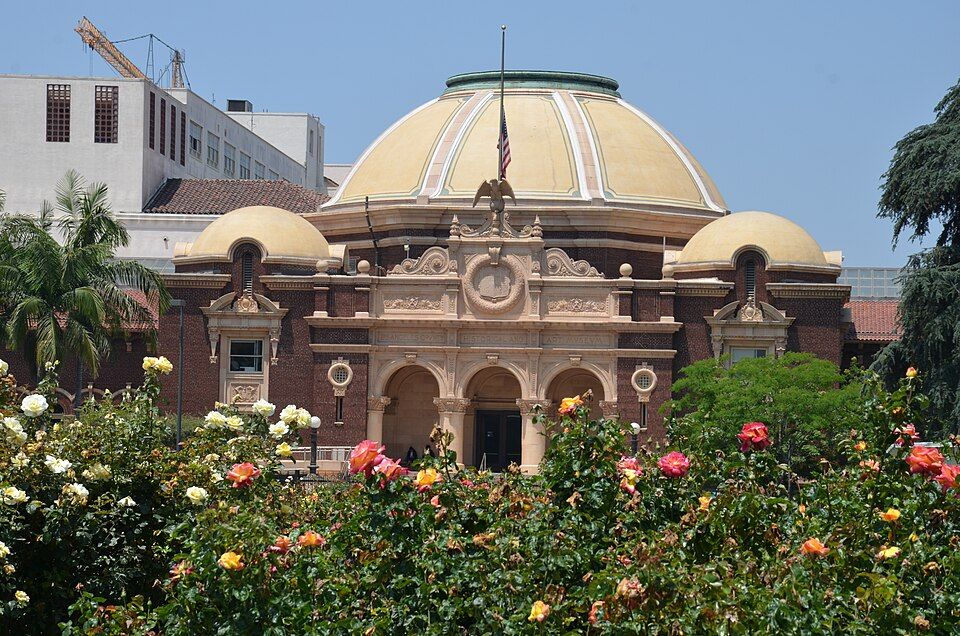
Cover photograph: Historic domed Natural History Museum facade behind roses in Los Angeles Exposition Park — Archive photograph 2019 Image adapted for publication. — Steven Lek, CC BY-SA 4.0.
Frequently Asked Questions
Do you need a separate ticket for Dinosaur Hall?
No. Dinosaur Hall is included in general admission. Films, live encounters and certain other experiences are separately ticketed, so check the exact name before adding an extra.
Is the whole museum free through NHM Commons?
No. The Commons Welcome Center has free displays, including Gnatalie and Barbara Carrasco's mural. Main museum galleries and ticketed programmes have separate admission arrangements.
Does the museum open every Tuesday?
It closes on the first Tuesday of each month except June–August. Other Tuesdays normally follow the standard schedule, subject to holiday closures and exceptional notices.
How long should you spend at the museum?
Allow around 3–4 hours including a break for a selective visit, as an editorial estimate. With only 90 minutes, choose one main hall and a short Commons stop rather than several extras.
Can tourists enter free after 15:00?
The Monday–Friday 15:00–17:00 benefit is for Los Angeles County residents with eligibility verification. Visitors should check whether another listed category applies; parking and add-ons are separate.


Keep Exploring
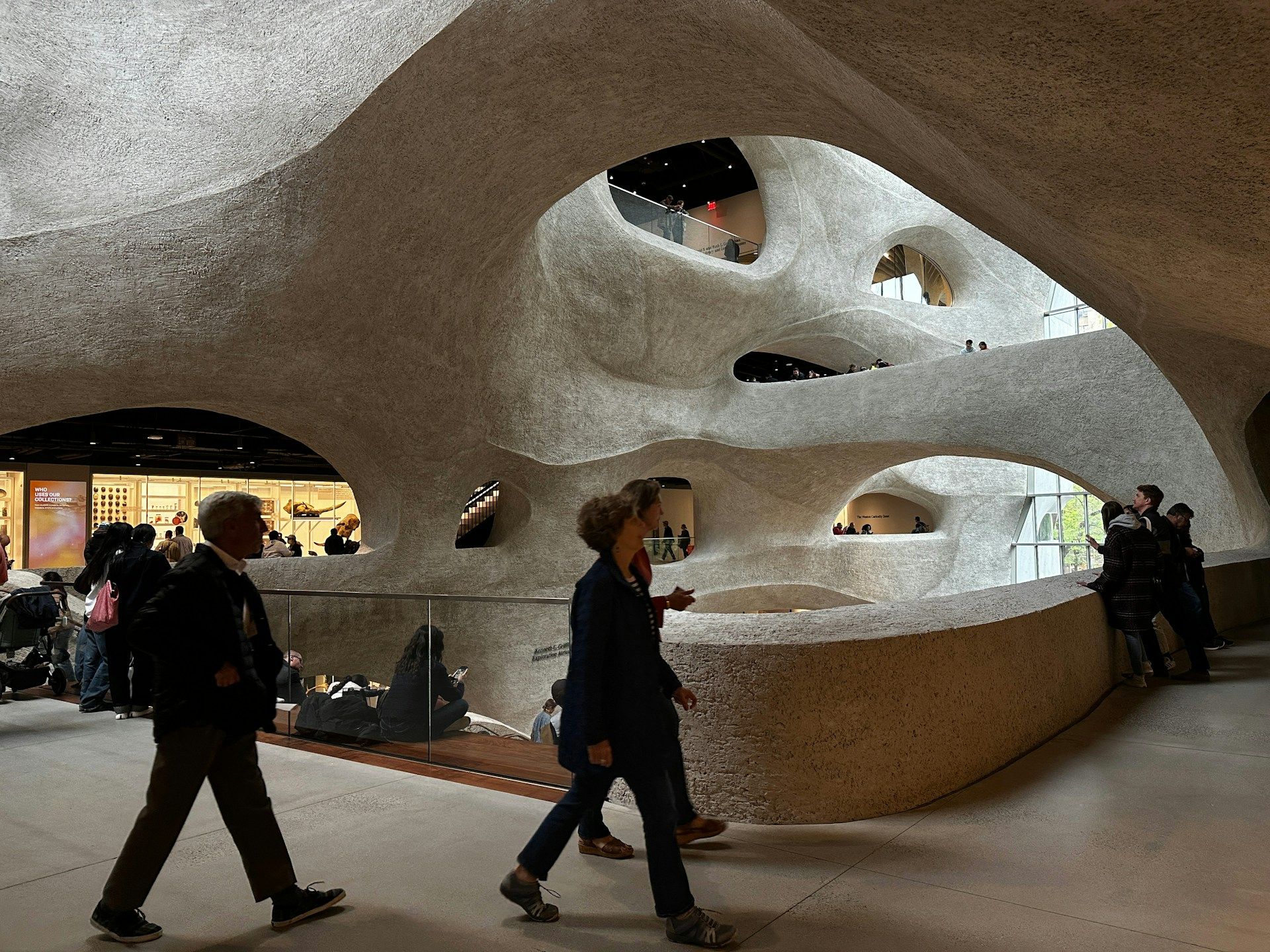
American Museum of Natural History: Plan Your Visit
Choose AMNH halls, tickets and one timed extra, with dinosaur, ocean-life and access advice for a manageable New York museum day.
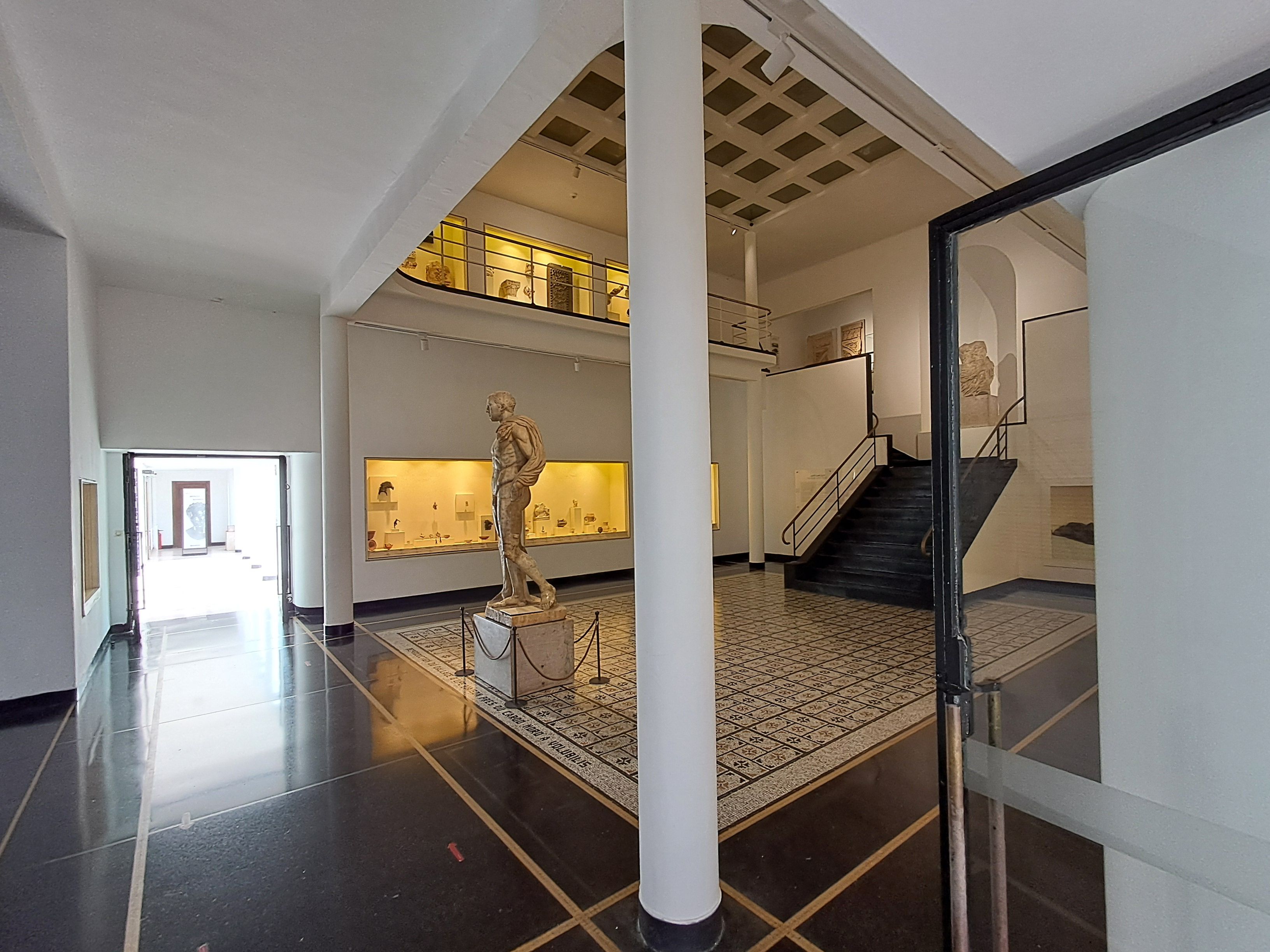
Rabat History and Civilizations Museum: Plan Your Visit
Plan Rabat’s archaeology museum: ancient bronzes, objects from Volubilis, opening days, admission and a focused route through the collection.
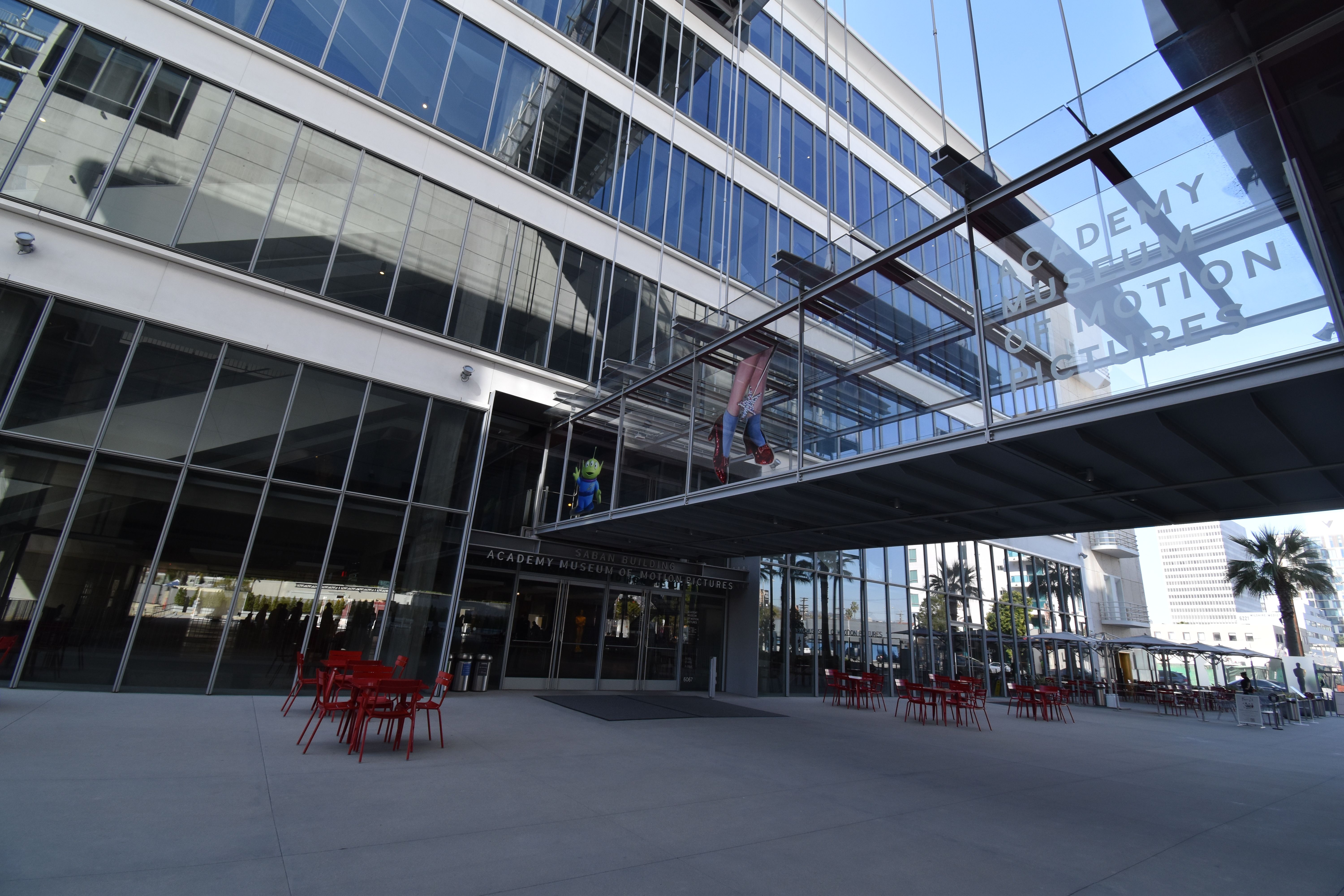
Academy Museum Los Angeles: Plan Your Visit
Plan an Academy Museum visit with gallery tickets, separate screenings and Oscars Experience, current closures and a realistic afternoon route.