
Gotokuji Temple: Cats, Hours and Tokyo Access
Plan Gotokuji in Tokyo: grounds versus office hours, Miyanosaka and Odakyu access, cat offerings, restricted halls and respectful photography.
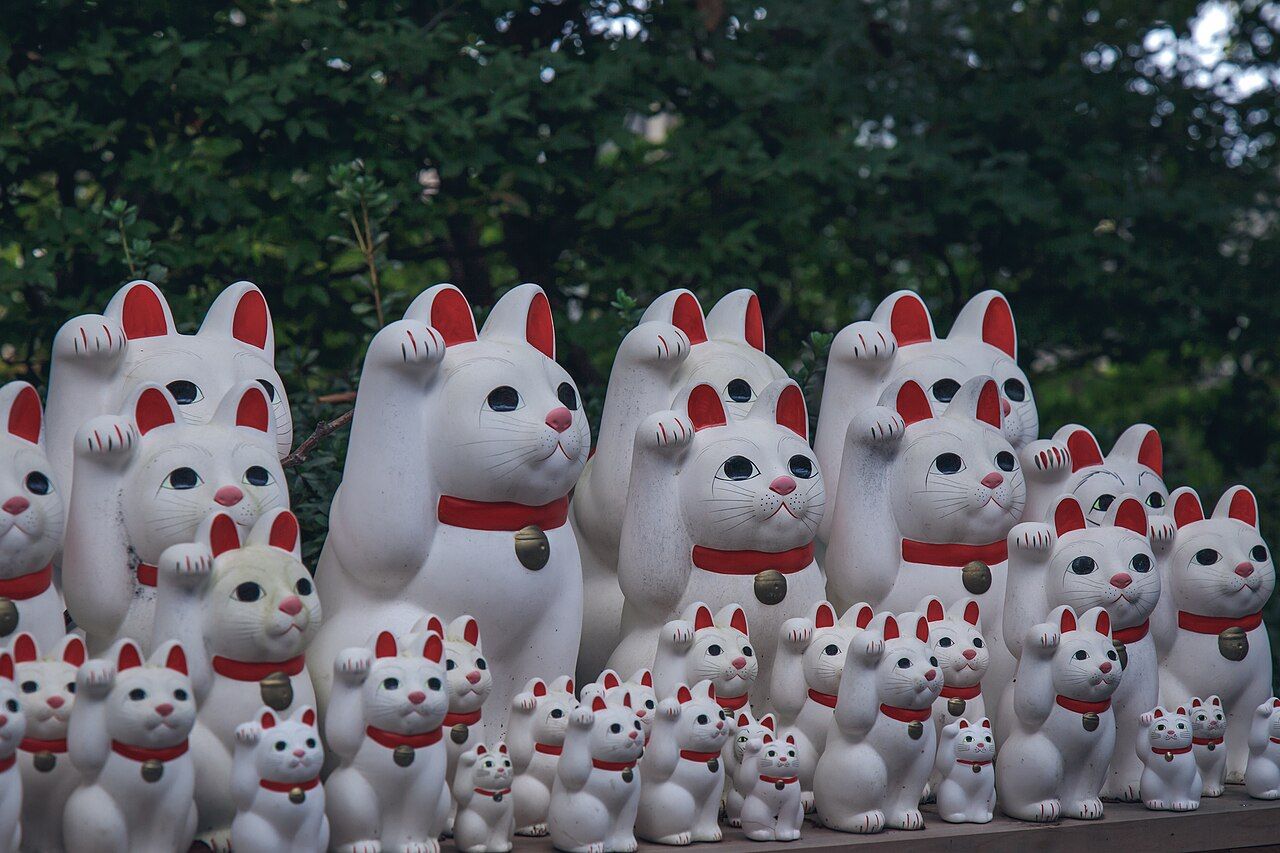
Plan Gotokuji around two different closing times: the grounds close at 17:00, while the temple office closes at 15:00. That distinction decides whether you can simply visit the precinct or also request a cat figure, amulet or goshuin book. The temple's rows of white beckoning cats are a memorable detail, but the approach, pagoda and Ii family history make the trip more rewarding than a photograph alone.
Gotokuji is a Soto Zen Buddhist temple in Setagaya. It fits a quieter western Tokyo outing, especially if you are interested in religious architecture and neighbourhood streets. Our Tokyo highlights guide helps you compare it with more central sights before committing travel time. Give this visit its own space instead of squeezing it between distant attractions.
Fast facts: grounds, office and stations
| Detail | Planning information |
|---|---|
| Address | 2-24-7 Gotokuji, Setagaya-ku, Tokyo |
| Grounds | 06:00–17:00, according to the temple |
| Temple office | 08:00–15:00; arrive with time for any queue |
| Shorter station walk | Miyanosaka, Tokyu Setagaya Line: about 5 minutes |
| Alternative station | Gotokuji, Odakyu Line: about 15 minutes on foot |
| Suggested visit | 45–75 minutes, excluding transport and a neighbourhood meal |
| Main distinction | Grounds access does not mean every hall is open |
The official temple website publishes the hours and both walking approaches. Our 45–75-minute allowance is editorial, not a required tour duration. Tokyo's official accessibility guide lists free entry to the grounds; religious offerings and purchases at the office are separate.
Choose the station for your whole route
Miyanosaka is the shortest documented walk to the temple. It sits on the Tokyu Setagaya Line, which links Sangen-jaya and Shimo-takaido. Choose it when that line fits your journey or you want to include other Setagaya stops. Use the operator's current route and timetable information rather than assuming the next vehicle will connect with a tightly planned appointment.
Gotokuji Station is on the Odakyu Line and has the longer walk. The shared name is useful, but it does not place the station at the temple gate. If your starting point makes Odakyu convenient, the extra walking may be preferable to an additional interchange. Compare the complete journey from your hotel, including changes, rather than selecting the station with the shortest final stretch automatically.
For the return, you can use a different approach if it genuinely improves the rest of the day. Do not buy a pass solely because a map includes several nearby stations: first decide how many rides you will actually make. Rail fares depend on the journey and ticket product, so this guide does not invent a single “Tokyo to Gotokuji” price for every starting point.
Visit the office first when afternoon time is limited
Arriving at 15:30 may still leave a useful grounds visit, but it is too late for the published office window. If a figure or goshuin book matters to you, go to the office before spending a long time taking photographs. Aim to arrive comfortably before 15:00; the closing time is not a promise that joining a queue at the last minute will secure service.
The temple's current offerings catalogue lists cat figures at ¥500–10,000, with a warning that some sizes may be unavailable. It also lists ema plaques and amulets at ¥1,000, and goshuin books at ¥2,500, or ¥2,000 for the book alone. These are advertised amounts checked on 25 November 2026, not a stock reservation or a guarantee for a future date.
Choose an item because you understand what you want, rather than assuming every figure photographed in the grounds is available to buy. The dedicated cats belong to the religious setting; they are not shop stock. Ask staff about the current selection and how to handle an offering. If your preferred size is unavailable, accept another option or leave without it instead of making the whole visit dependent on one object.
Understand the cat story as temple tradition
The temple's own Manekineko account tells of a cat beckoning Ii Naotaka inside as he returned from falconry, allowing him to avoid a thunderstorm. Present this as the temple's traditional story, not a witnessed historical event. It connects the cat with the patronage of the Ii family and explains why the figure has a particular meaning here.
The Shofuku-den is associated with that tradition, and the dedication area holds figures left by visitors. The temple explains that dedicating a cat is optional and that people often return one after their wish has been fulfilled. Seeing the figures in that context changes the visit: the rows represent individual acts of devotion, rather than props arranged solely for tourists.
Look beyond the most photographed shelves. The temple also points out cats incorporated into the three-storey pagoda's decoration. Take time to observe from the paths without climbing, touching carvings or blocking others. You can enjoy searching for small details while preserving the quiet use of the precinct by people who have come to pray.
Follow a short route through the actual temple
Begin with the approach and gate, then orient yourself around the main buildings before visiting the cat area. The official precinct and history page identifies the halls and provides a useful map. Its account traces the site from Kotokuin, established in 1480, through Ii family patronage in 1633 and the Gotokuji name adopted in 1659.
Give the Butsu-den and pagoda attention as buildings, not just backgrounds. The Akamon, or red gate, came from the Ii family's residence, according to the temple's account. These details make the connection with the family visible across the grounds. The cemetery adds a further historical layer, but it remains a burial place: keep to permitted routes and respect people attending graves.
Do not assume that an open gate means open interiors. The temple lists restricted opening days for Kaiso-do: New Year's first three days, the spring and autumn Ohigan periods, and Obon. Jizo-do additionally opens on weekends and Japanese public holidays. Check the official notice for your date if seeing a particular hall is important; a weekday grounds visit may not include that interior.
A simple order works well: office first if needed, principal buildings, cat dedication area, then any permitted historical section you still want to see. Allow the route to change around services and local signs. There is no need to enter every available space to understand the temple, especially if a quiet ceremony is taking place.
Photograph the cats without changing the scene
The temple's notice about writing on figures is explicit: the cat ornaments are sacred and must not be scribbled on. Do not treat an online image of a marked figure as permission to copy it. Ask at the office about the appropriate way to make a dedication.
Leave existing figures exactly where they are. A better composition is not a reason to turn one around, lift it from a shelf or move a smaller cat in front of a larger one. Wait for a clear view, take a few photographs and make room for others. Avoid close images of personal messages or people praying when they have not agreed to be photographed.
A visit with children can work well if the distinction is explained beforehand: these are objects to look at, not toys to handle. Let children find cats in the architecture or compare the figures' sizes from the path. That creates a specific activity without encouraging touching or turning the precinct into a noisy scavenger hunt.
Check what a paid tour actually represents
In its 28 August 2026 notice on commercial tours, Gotokuji states that it does not currently operate or endorse official tours with travel agencies or guides. A tour sold by another company should therefore not be assumed to be temple-run or to include privileged access.
The same notice asks organisers of commercial guiding, photography sessions, events and other commercial activities to obtain advance consultation and approval. If you book a private guide, ask how their visit complies with the temple's arrangements. Paying an intermediary does not override religious services, restricted halls or the office's closing time.
Independent visitors can use the official map and explanations to structure a straightforward visit. A knowledgeable external guide may add context, but the booking description should be clear about who provides the service. Avoid purchasing a tour solely because its marketing implies an official temple partnership that the temple itself does not confirm.
Keep the rest of the day geographically sensible
A neighbourhood meal or another chosen Setagaya stop fits more naturally than immediately crossing Tokyo to a distant museum. Leave the temple before becoming tired of looking closely, and let the slower streets around the stations provide a change of pace. Check individual businesses on the day instead of assuming every café shown on a map is open.
If you are choosing between religious visits, our Meiji Jingu guide explains a very different experience: a Shinto shrine and forest approach near Harajuku. Gotokuji is a Buddhist temple with its own history and practices. Choosing one because it suits your interests is more useful than collecting both as interchangeable sacred-site photographs.
Before leaving your hotel, check the temple's notices, decide whether you need the office and save the correct station route. Keep purchases optional, respect dedicated figures and give the buildings some of the attention usually reserved for the cats. Those choices make the detour a coherent visit rather than a race against a counter closing.
Cover photograph: White beckoning cat figures of different sizes at Gotokuji temple — Archive photograph 2015 Image adapted for publication. — John Gillespie, CC BY-SA 2.0.
Frequently Asked Questions
What time does Gotokuji close?
The temple lists grounds hours of 06:00–17:00 and office hours of 08:00–15:00. Arrive before the earlier closing if you want an offering or goshuin book, and check current notices before travelling.
Which station is closest?
Miyanosaka on the Tokyu Setagaya Line is about five minutes away on foot. Gotokuji on the Odakyu Line is about fifteen minutes away. Choose based on the whole journey from your starting point.
Can I buy a cat figure?
The official catalogue lists figures at ¥500–10,000, checked on 25 November 2026, and warns that sizes may be unavailable. Visit during office hours and confirm current stock; figures already dedicated in the grounds are not for taking.
Can I write a wish on a cat?
No. The temple's notice asks visitors not to write on the sacred figures. Ask staff about appropriate offerings or an ema plaque, and leave existing dedications undisturbed.
Are all halls open whenever the grounds are open?
No. Kaiso-do and Jizo-do have restricted opening days listed by the temple. A normal grounds visit does not guarantee entry to every building or access during a service.


Keep Exploring
Nijo Castle Tickets: Prices, Opening Hours and Palace Access
Choose the right Nijo Castle ticket, understand the two palaces and their different calendars, and plan a visit with enough time for the gardens.
Hasedera Kamakura: Temple, Garden and Coastal Views
Plan Hasedera in Kamakura: admission, stairs, gardens, coastal views and the confirmed 2026 autumn evening opening.
Fort Siloso: History, Skywalk and Visiting Hours
Visit Fort Siloso on Sentosa: free admission, exhibition and Skywalk hours, Surrender Chambers, transport and a realistic half-day plan.