
European Folk Traditions: Festivals by Region
From Catalan castellers to Bulgarian kukeri, the folk festivals that define Europe's regions — UNESCO Intangible Heritage criteria, dates, etiquette, and how to attend respectfully.
The continental festival circuit gets the headlines, but Europe's deepest cultural identity lives in regional folk traditions — the human towers of a Catalan town square, the masked kukeri scaring winter out of a Bulgarian village, the fado being sung in a tiled Alfama bar at midnight. Many of these practices are inscribed on the UNESCO Representative List of the Intangible Cultural Heritage of Humanity, which now counts more than 730 elements worldwide, with Europe accounting for a substantial share. This guide focuses on the traditions that genuinely define their regions: when to attend, what is spectator versus participant, how to behave around religious or sacred elements, and the practical numbers — fares, EUR costs, the right village square — that turn a tourist visit into a respectful encounter.
Fast Facts
| Detail | Info |
|---|---|
| UNESCO Intangible elements (European focus) | 730+ on the global list; dozens are European folk traditions including Fado, Castellers, Fest-Noz, Kurentovanje, Călușari, Misteri d'Elx |
| Peak months | Summer (June–August) for outdoor folk + Christmas season (December, Krampus and St Lucia clusters) |
| Densest folk calendar | Iberia — Catalonia, Andalusia, Valencia, Portugal stack festivals month after month |
| Most photographable | Sa Sartiglia (Sardinia, equestrian masks), Kurentovanje (Slovenia, fur-suited monsters), Almabtrieb (Alps, flower-crowned cows) |
| Etiquette must-know | No flash during religious processions; ask before photographing masked participants; do not block sightlines for elderly locals on chairs |
Why folk traditions matter more than headline festivals
Headline festivals — Carnevale di Venezia, Oktoberfest, Edinburgh Fringe — are run by city councils and tourism boards. Folk traditions are run by neighbourhood guilds, family lines, and parish brotherhoods. The difference is visible the moment you arrive: in Pamplona during San Fermín the streets belong to everybody, but in Ptuj for Kurentovanje the Kurenti hand their masks down through generations and the welcome you receive depends on whether you understand what you are watching.
The UNESCO Intangible Cultural Heritage Convention, adopted in 2003, created a framework specifically to protect these practices from being flattened into spectacle. The Convention's criteria distinguish between living tradition (transmitted from one generation to the next), community recognition (the community itself considers it part of its cultural heritage), and viability (it must be actively practised, not museum-piece). A surprising number of the traditions below carry one of three UNESCO statuses — Representative List, Best Safeguarding Practices, or Urgent Safeguarding — and that status is your best filter for authenticity when the marketing copy starts to blur.
Iberia: the densest folk calendar in Europe
Castellers de Catalunya — human towers
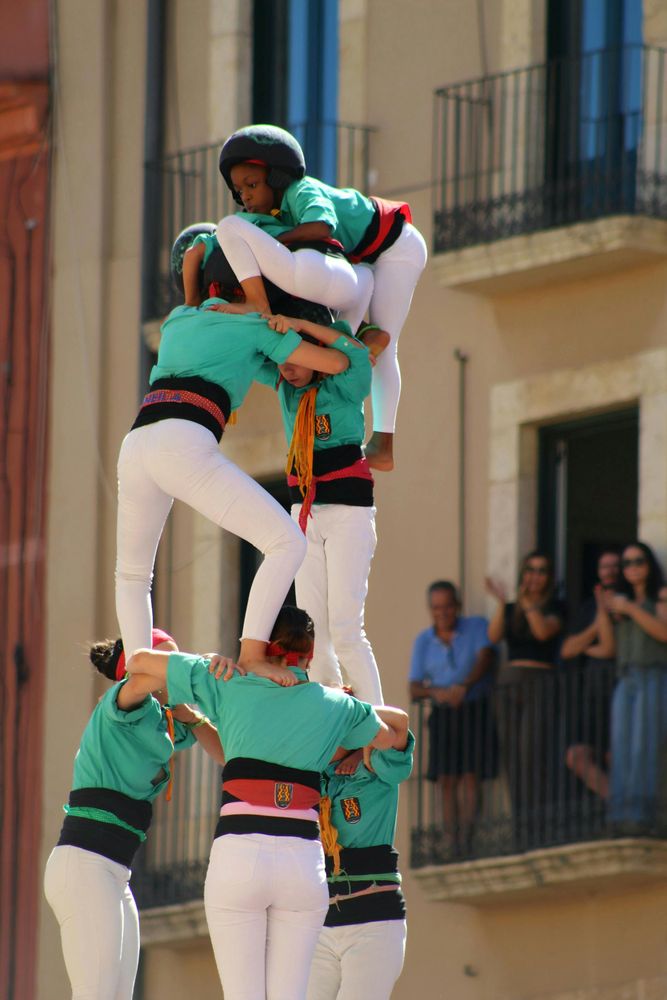
The castellers of Catalonia build human towers — castells — up to ten storeys tall in town squares from spring through autumn, with the most important meetings concentrated in Tarragona and the Penedès. According to the UNESCO inscription file, the tradition was added to the Representative List in 2010 and dates to 18th-century Valls. The Concurs de Castells in Tarragona's bullring runs every two years (the next edition is in autumn 2026); regular diades happen throughout the year in town squares across the principality — Vilafranca del Penedès, Sant Cugat, Reus, and Barcelona's Plaça de Sant Jaume on La Mercè (late September).
Attendance is free. The collas (clubs) wear coloured shirts — the Castellers de Vilafranca in green, Capgrossos de Mataró in mauve — and a successful nine-storey tower will draw applause but also a long charged silence as the enxaneta (the child at the top) raises a hand. Do not photograph from inside the pinya (the human base) and never step into the square during a build. Most diades are free; reserved seating at the Concurs runs €15–€50.
Fado in Lisbon and Coimbra
Fado was inscribed by UNESCO in 2011 — a Portuguese urban song form with two distinct branches. Lisbon fado is sung in tiled tavernas (casas de fado) in Alfama, Mouraria, and Bairro Alto, traditionally by a fadista accompanied by Portuguese guitar and viola. Coimbra fado, by contrast, is sung exclusively by men, university-associated, and historically performed at night in the academic gown. Tasca do Chico in Bairro Alto is the most accessible casual venue (minimum consumption ~€10–€15); Clube de Fado in Alfama is the higher-end sit-down option (set menu €40–€70). Performances begin around 21:30 and run late. Silence during the song is sacred — even the clatter of cutlery is a serious breach.
For pairing trips, see our Porto food guide on the gastronomy that frames a fado evening.
Cante Alentejano — the polyphonic plain
The Cante Alentejano of southern Portugal joined the UNESCO list in 2014 — a male-voice polyphonic song tradition from the Alentejo plain, performed without instruments, typically by groups of 20–30 in tavernas (tabernas) or community halls. The most reliable place to hear it live is Serpa or Beja during local festivals; the Festival do Cante is held in Serpa each November.
Misteri d'Elx — medieval mystery play
The Misteri d'Elx was one of the first elements UNESCO inscribed (2001, reinscribed in 2008) — a sacred music-drama performed in the Basilica of Santa María in Elche, Valencia, every August 14–15 for the feast of the Assumption. It is the only continuous medieval mystery play in Europe; the score and machinery (including the araceli descending from the dome) are 15th-century. Entrance to the basilica is free during the performance but the place fills hours early. Strict silence and no flash inside.
La Tomatina, Buñol
La Tomatina is technically not on the UNESCO list — it is a 1940s civic invention now run by the town of Buñol — but it has become Spain's most internationally famous folk festival. It is held on the last Wednesday of August (26 August 2026), and since 2013 entry is ticketed (~€12–€15) with a cap around 22,000 participants. See our La Tomatina guide for ticketing, logistics, and what to wear.
Mediterranean: medieval rites and Carnival's roots
Palio di Siena
The Palio di Siena is a bareback horse race in Piazza del Campo run twice a year — 2 July (Palio di Provenzano) and 16 August (Palio dell'Assunta). Per the official Comune di Siena site, ten of the seventeen contrade (neighbourhood districts) draw lots to compete, and the race itself lasts about 90 seconds — three laps of the campo on packed earth. The build-up, however, lasts four days: trial races (prove) twice daily, the cena della prova generale on the eve, the contrada's mass in the morning, and the procession of the Corteo Storico in 14th-century costume in the afternoon.
Standing inside the campo is free but you must be in place by 16:00 for the 19:00 race and you will not leave until 21:00 — no toilets, no water sales, no exit. Balcony seats from the surrounding palazzi cost €350–€900 per person through licensed agents (Palio Tour, Sienna Tours). The race has neither rules of safety nor compromise — riders fall, horses bolt, and the contrade nurse century-old feuds. The Palio is not a tourist spectacle but a religious-civic identity ritual; the winning contrada parades for weeks afterwards.
Carnevale di Putignano — Europe's longest carnival
Carnevale di Putignano in Puglia claims continuous documentation to 1394, making it among the oldest Carnivals in Europe according to the Fondazione Carnevale di Putignano. Unlike Venice's masked elegance, Putignano's character is rural-satirical: enormous papier-mâché floats lampooning Italian politics roll through the historic centre on three Sundays plus the Tuesday of Carnival. The 2026 edition runs from late January through 17 February. Tickets for the main parades are around €10–€18; the Festa delle Propaggini on 26 December opens the season with poets reciting in Putignanese dialect.
Sa Sartiglia, Oristano
In Sardinia, the Sa Sartiglia is the closing equestrian carnival of Oristano, held on Carnival Sunday and Shrove Tuesday (15 and 17 February 2026). Masked riders — the Componidori, dressed in androgynous costume sewn into the saddle by the women of the town — gallop down a packed-earth course in the historic centre and attempt to spear a hanging silver star with a sword. The ritual is medieval, Spanish-Aragonese in origin, and bound up with fertility and harvest blessing. Grandstand tickets €25–€60; standing areas are free but require arriving three hours early. The masking ceremony of the Componidori — La Vestizione — is a closed ritual; photography is permitted only from designated positions and never of the unmasked rider.
Tarantella and Pizzica
In Salento (Puglia), the pizzica — a regional form of the broader Italian tarantella — is danced at the Notte della Taranta finale concert in Melpignano every late August. The festival has run since 1998; the 2026 finale falls on 22 August. Free admission with capacity around 200,000; the surrounding concertoni run nightly through the second half of August in villages across Salento. The dance has roots in 17th-century tarantismo, a vernacular healing ritual for women said to be bitten by the taranta spider.
Greek Easter — Megalo Savvato in Patmos and Corfu
Greek Orthodox Pascha in 2026 falls on 12 April. The most theatrical observances are on Corfu, where the botides — large ceramic pots — are hurled from balconies onto the streets at 11:00 on Holy Saturday morning, and on Patmos, where the Niptiras (washing of the feet) is re-enacted in the village square on Maundy Thursday. The Midnight Resurrection Mass — Anastasi — at any Greek church will give you the Christos Anesti candle-passing moment; tourist behaviour at these services is forgiven, but silence and modest dress are essential.
The Alps: cattle, masks, and yodels
Almabtrieb — the cattle descent
In Austria, Bavaria, and Switzerland, the Almabtrieb (also Alpabzug or Désalpe) brings cattle down from the high summer pastures in mid-September to early October. The cows are crowned with elaborate flower and fir-branch Kranzkühe arrangements only if no animal has been lost over the summer — a deeply meaningful detail that turns the procession into both celebration and silent memorial. The Tyrolean villages of Reith im Alpbachtal, Söll, and Mayrhofen run the most accessible processions, with parallel folk markets selling cheese, schnapps, and woodwork. Free to attend. Distinguish this from staged versions: a genuine Almabtrieb arrives with farmers in their working Tracht, not in costume.
Krampuslauf — Alpine December terror
The Krampusläufe — Krampus runs — take place across Austria, southern Bavaria, South Tyrol, and northern Slovenia between 5 and 6 December. Masked figures in furs and carved wooden devil masks — the Perchten and Krampusse — chase children and visitors through town squares in a pre-Christian winter purification ritual that was woven into the St Nicholas feast over centuries. The Salzburg and Bad Gastein runs are the most theatrically intense; Schladming and Kitzbühel are family-friendlier. Stand back from the route, do not pull at costumes, and accept that you may be lightly switched with birch — this is participation, not assault. Most events are free; some stadium-style spectacles in Salzburg charge €15–€30.
Yodeling — Swiss UNESCO 2023
Swiss yodeling was inscribed on the UNESCO Representative List in 2023. The triennial Eidgenössisches Jodlerfest rotates between Swiss cities; smaller Jodlerchörli concerts happen across Appenzell, Bern, and the Toggenburg throughout the year. The Stoos and Engelberg summer Sundays are good entry points, often coinciding with Alpaufzug (the spring ascent up to the alpine pasture, the mirror of Almabtrieb).
Nordic: Midsummer, light, and the Sámi
Midsummer in Sweden
Midsommar in Sweden is the third weekend of June (19–21 June 2026). The most authentic celebrations are in Dalarna — particularly Leksand and Rättvik on Lake Siljan — where the majstång (maypole) is raised at noon on Midsummer Eve, dressed in birch leaves and wildflowers, and the village dances around it for hours. According to Visit Sweden, Midsummer is one of the only Swedish holidays where Stockholm genuinely empties — locals travel to family stugor (summer cottages) and restaurants close. Plan accordingly: book accommodation in Dalarna by March, expect grocery shops to shut by midday on Midsummer Eve.
Sankta Lucia — December light
On 13 December, the Sankta Lucia procession brings choirs in white robes with candle crowns through Swedish schools, churches, and homes at dawn. The most accessible public services are in Stockholm Cathedral (Storkyrkan) and at Skansen open-air museum — both free, both early (07:00 and 09:00 starts).
Sámi traditions in Sápmi
The Sámi are Europe's only indigenous people, spanning northern Norway, Sweden, Finland, and Russia's Kola Peninsula. The Sámi National Day on 6 February sees flag-raising and joik (traditional Sámi singing) at the Sámi Parliaments in Karasjok (Norway) and Kiruna (Sweden). The biggest annual gathering is the Jokkmokk Winter Market in Swedish Lapland, held the first Thursday–Saturday of February — over 400 years old, with handicraft sales, joik concerts, and reindeer-sled demonstrations. Respectful attendance means buying duodji (Sámi handicraft) only from certified makers — look for the Sámi Duodji trademark — and never photographing Sámi people in traditional dress without explicit permission. The gákti is identity dress, not costume.
Eastern Europe and the Balkans: masks and dances
Kukeri, Bulgaria
The Kukeri rituals of Bulgaria are pre-Christian masked dances performed by men in fur and bell costumes weighing 30–50 kg, designed to scare evil spirits out of the village and bring fertility for the year ahead. The traditional dates are around New Year and Cheesefare Sunday before Lent, but the most accessible single gathering is the Surva International Festival of Masquerade Games in Pernik, held in late January (the 2026 edition ran 16–25 January, with parades on 17–18 and 24–25 January). Over 6,000 masqueraders from across Bulgaria participate; free admission. The bell-rhythm of a single Kuker group passing in a narrow street registers around 100 dB — bring earplugs for children.
Călușari, Romania
The Călușari ritual of southern Romania was one of the first elements inscribed by UNESCO (2005, transferred to the Representative List in 2008). A group of male dancers performs a complex acrobatic ritual around the feast of Pentecost (in 2026, 31 May), said historically to heal the sick. The most accessible performances are in Oltenia and Muntenia villages — Caracal, Slatina, and around Craiova during the Pentecost week.
Kurentovanje, Slovenia
Kurentovanje in Ptuj, eastern Slovenia, was inscribed by UNESCO in 2017 as the Door-to-Door Rounds of Kurenti. Furred figures in sheepskin coats, horned masks, and cowbells parade through the town over ten days leading up to Shrove Tuesday — the 2026 finale falls on 17 February. The Kurent's costume weighs around 30 kg; the role passes from father to son, and the mask itself is kept in the family across generations. The Ptuj International Carnival parade on the Sunday before Shrove Tuesday is free to watch; book Ptuj accommodation (Hotel Mitra, Hotel Primus) by November.
For wider regional context, our Hidden Gems of Eastern Europe pillar frames Ptuj alongside neighbouring Maribor and the broader Slovenian-Hungarian-Romanian belt that hosts the densest Slavic folk calendar in Europe.
Verbunkos and Csárdás, Hungary
Hungarian folk-dance houses — táncház — are themselves UNESCO-listed (2011, Best Safeguarding Practices). The Budapest Aprajafalva and Fonó táncház sessions on Wednesday and Thursday nights cost around €3–€5 entry, include teaching from 19:00–21:00 and an open dance floor afterwards; visitors are welcome to join. The annual Táncháztalálkozó (Dance House Festival) at the Papp László Arena is held the first weekend of April.
The Atlantic and Celtic west: games, dances, and fire
Highland Games, Scotland
The Highland Games circuit runs through Scotland from May to September. Per VisitScotland, the Cowal Highland Gathering in Dunoon (late August) is the largest single event with around 3,500 competitors; the Braemar Gathering on the first Saturday of September draws royal attendance and is the only event the British monarch traditionally attends as a spectator. Caber toss, hammer throw, sword dance, and bagpipe competitions all happen across a single field day. Entry £15–£35; book Braemar accommodation by April.
Fest-Noz in Brittany
The Fest-Noz — Breton night festival — was UNESCO-inscribed in 2012. A fest-noz is a participatory communal dance to live Breton music (binioù, bombarde, fiddle) and runs from sunset to past midnight, usually in a village salle des fêtes or a barn. Tipjar entry €5–€10. The summer calendar is dense — Tamm-Kreiz, the federation, maintains a fest-noz database with hundreds of dates between June and September. The Festival Interceltique de Lorient in early August fuses the fest-noz with Celtic festivals from Scotland, Ireland, Galicia, Asturias, and Cape Breton.
Calçotada in Catalonia
The calçotada — Catalan winter onion ritual — runs January through March across the Camp de Tarragona, with Valls as the historic centre (it claims the original calçotada). Calçots are long spring-onion-like alliums charred over open vine-branch fires until black, peeled by hand, dipped in salbitxada sauce, and lowered into the mouth above the head. A calçotada lunch at a Valls masia (farmhouse) costs €30–€55 including unlimited calçots, grilled meats, vi negre, and crema catalana. The Gran Festa de la Calçotada de Valls is held the last Sunday of January (25 January 2026). Bring a change of shirt — the soot is ineradicable.
For a broader UNESCO context, our pillar on UNESCO World Heritage Cities of Europe pairs naturally with this folk-traditions guide, since most of the listed traditions cluster in or around UNESCO World Heritage city centres.
How to attend respectfully
Photograph carefully. Religious processions (Semana Santa, Greek Easter, Misteri d'Elx) forbid flash and discourage close-up portraits of nazarenos or clergy. Masked traditions (Kurenti, Kukeri, Componidori of Sa Sartiglia) often have rules against photographing the unmasking moment — a ritual transition, not a costume change. Sámi gákti is identity dress and should never be photographed without consent.
Distinguish spectator from participant. Castellers, Fest-Noz, Hungarian táncház, and Greek Easter midnight liturgy all welcome respectful participation. Palio, Misteri d'Elx, Cante Alentejano, and Almabtrieb are spectator-only — your role is to watch in silence.
Dress for the tradition. Church-based events (Misteri d'Elx, Sankta Lucia in Stockholm Cathedral, Greek Pascha) expect covered shoulders and long trousers/skirts. Krampusläufe expect dark clothing you do not mind getting smudged. Calçotades expect the shirt you cannot save.
Travel with cash. Many village folk festivals — Cante Alentejano taverna evenings, fest-noz in a Breton barn, Sa Sartiglia food stalls — do not take cards. Carry €50–€100 in small notes.
Companion the festival with food and language. Even ten words of Catalan at a casteller meet, Slovenian at a Ptuj Kurentovanje stand, or Sámi greeting in Jokkmokk transforms the welcome. Order the regional dish that the festival celebrates — calçots in Valls, bacalhau in Lisbon after fado, cinghiale in Siena before the Palio.
For the broader pan-European calendar that frames these regional traditions, our European Festivals Cultural Calendar pillar is the natural companion piece.
Frequently Asked Questions
Which European folk traditions can I participate in versus only watch?
Participation is welcome at Hungarian táncház (Budapest's Fonó and Aprajafalva run beginner-friendly teaching from 19:00, ~€3–€5 entry), Breton fest-noz across the summer (any village barn dance, simple steps shown on the floor), Highland Games crowd cheers, Notte della Taranta in Melpignano (200,000 dance in the field), and the Midnight Resurrection candle-passing in any Greek Orthodox church. Spectator-only traditions include the Palio di Siena (you stand in the campo but the race is contrada-internal), Misteri d'Elx in the Basilica of Elche, Sa Sartiglia's masking ceremony, Cante Alentejano taverna performances, and the Almabtrieb cattle descent. As a rule, dances welcome you; religious dramas, equestrian rituals, and masked processions do not.
What are the photography rules for European folk festivals?
No flash during religious processions or inside churches — this is non-negotiable for Semana Santa, Misteri d'Elx, Greek Easter, and Sankta Lucia. Masked traditions require respect for the unmasking moment: at Sa Sartiglia in Oristano, the Componidori's vestizione is photographed only from designated press areas; at Kurentovanje in Ptuj, the Kurent's identity behind the mask is private. Sámi people in traditional gákti dress must be asked before any photograph — this is not costume, it is identity. Castellers and Fest-Noz are fine to photograph freely, but never enter the human-tower pinya or the dance floor with a camera. Drones are forbidden over historic city centres during festivals (Siena, Ptuj, Pamplona) and at all UNESCO-inscribed events.
Do I need to speak the local language to attend?
English works at headline events with international audiences — Highland Games, Notte della Taranta, La Tomatina, Ptuj Kurentovanje. It does not work in a Putignano Carnival neighbourhood committee, an Alentejo cante taverna, or a Dalarna Midsummer pole-raising — these are family and parish events where the welcome depends on basic local greetings and respectful body language. Learn the festival-specific terms: enxaneta (Catalan, the child on top of a tower), Componidori (Sardinian, the masked rider), fadista (Portuguese, the fado singer), gákti (Northern Sámi, traditional dress). Even ten phrases of Catalan, Slovenian, or Hungarian at the relevant festival transforms the welcome from polite to warm.
Child-strongest
: Almabtrieb cattle descent (animals, flower crowns, food markets), Highland Games (caber toss, sheepdog trials, free children's games), Midsummer in Dalarna (flower crowns, maypole dancing, no late nights), Carnevale di Putignano (papier-mâché floats, daytime parades), and Fest-Noz children's slots in the early evening. With caveats: Castellers (children make up the top of every tower — fascinating to watch but the falls are real), Sa Sartiglia (galloping horses on packed earth, no barriers; children should be on adult shoulders not at the front), Sankta Lucia (early dawn start). Not for children: Krampusläufe (the masked figures genuinely chase and lightly strike — under 8s find this terrifying), Palio di Siena (six hours of standing in the campo with no exit, no toilets), Surva Kukeri (bell volume around 100 dB without ear protection), and any Greek Easter botides hurled from balconies on Corfu.
Which lesser-known folk traditions reward an off-the-beaten-path trip?
Five picks that genuinely repay the journey: the Cante Alentejano Festival do Cante in Serpa (Portugal, November) — a male polyphonic voice tradition with audiences of villagers, not tourists; the Jokkmokk Winter Market in Swedish Lapland (first weekend of February) — 400+ years old, Sámi-led, far above the Arctic Circle; Sa Sartiglia in Oristano (Sardinia, Carnival Sunday and Shrove Tuesday) — the most cinematic equestrian masking ritual in Europe, far less internationalised than Venice; the Călușari Pentecost dances in Oltenia (Romania, late May) — UNESCO-inscribed but barely on the tourism circuit; and the Festival Interceltique de Lorient (Brittany, early August) — pan-Celtic in scope, but the village fest-noz events around it remain Breton at heart.
What are the most popular traditions in Europe?
Among Europe's best-known folk traditions are the castellers (human towers) of Catalonia, fado in Lisbon and Coimbra, the Misteri d'Elx in Valencia, and La Tomatina in Buñol in Spain; the Palio di Siena and Sardinia's Sa Sartiglia in Italy; the Alpine Krampusläufe of Austria; Sweden's Midsummer; the masked Kukeri of Bulgaria; Kurentovanje in Ptuj, Slovenia; and the Breton Fest-Noz in France. Most are inscribed on the UNESCO Representative List of the Intangible Cultural Heritage. Some, like the Hungarian táncház or the fest-noz, invite participation; others, like the Palio or the Misteri d'Elx, are spectator-only.

Keep Exploring
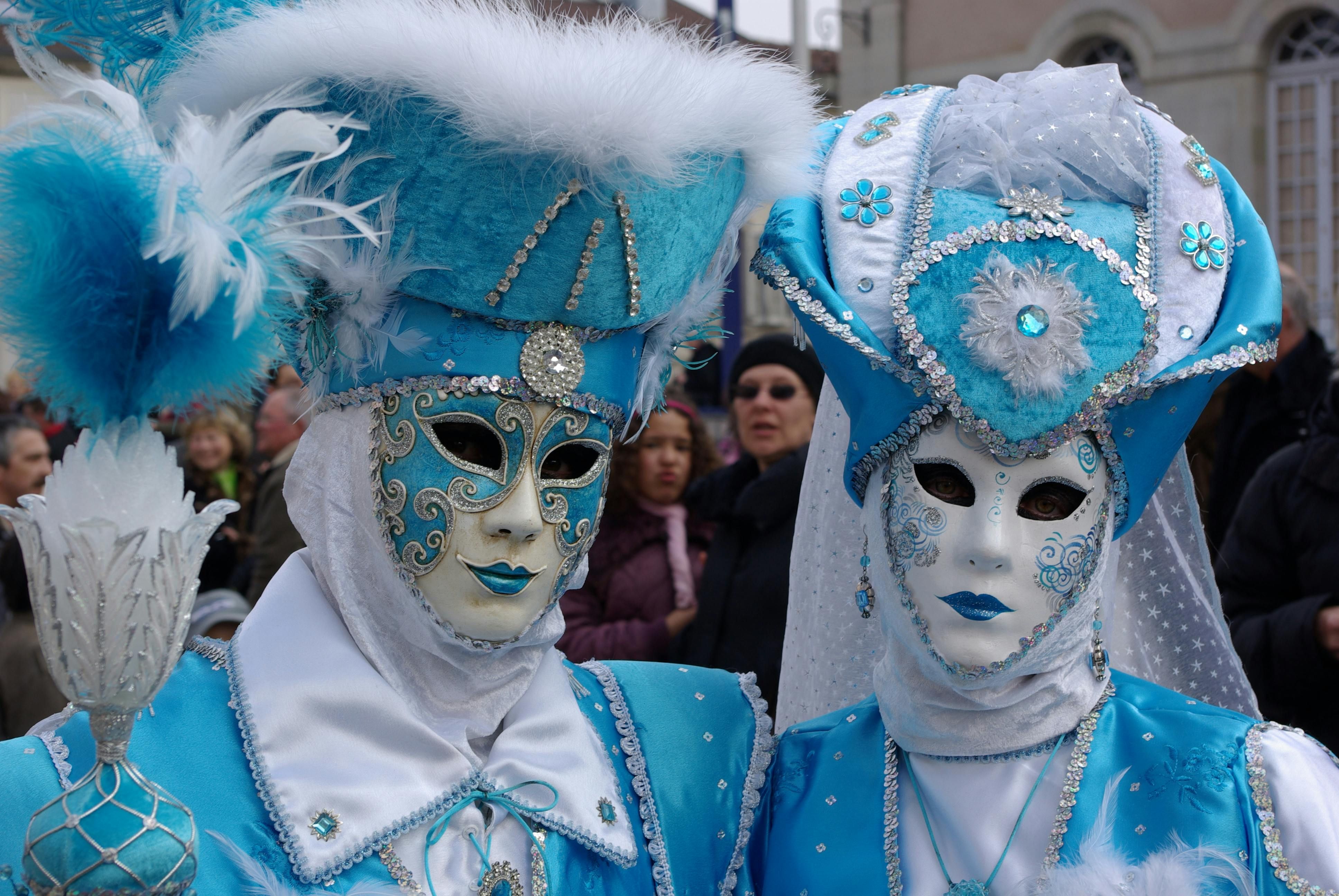
European Festivals 2027: Month-by-Month Calendar
Plan Europe's 2027 festivals with confirmed dates for Venice, Basel, Las Fallas, Semana Santa, Bayreuth, Edinburgh, Oktoberfest and more.
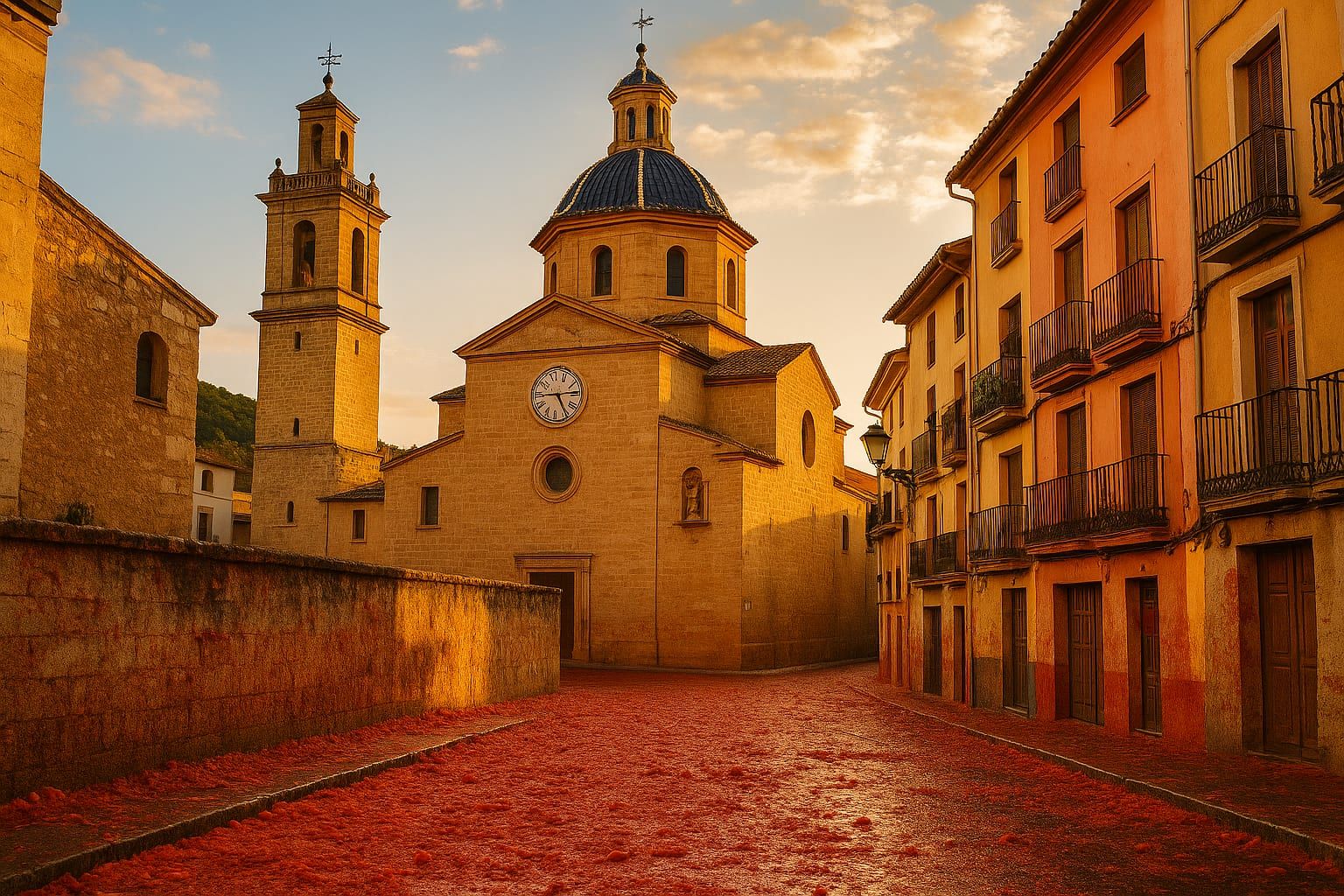
La Tomatina & Spain's Craziest Festivals
From Buñol’s tomato-soaked streets to bull runs and firework-soaked plazas, explore La Tomatina and Spain’s wildest festivals with practical tips, history, and local insights.
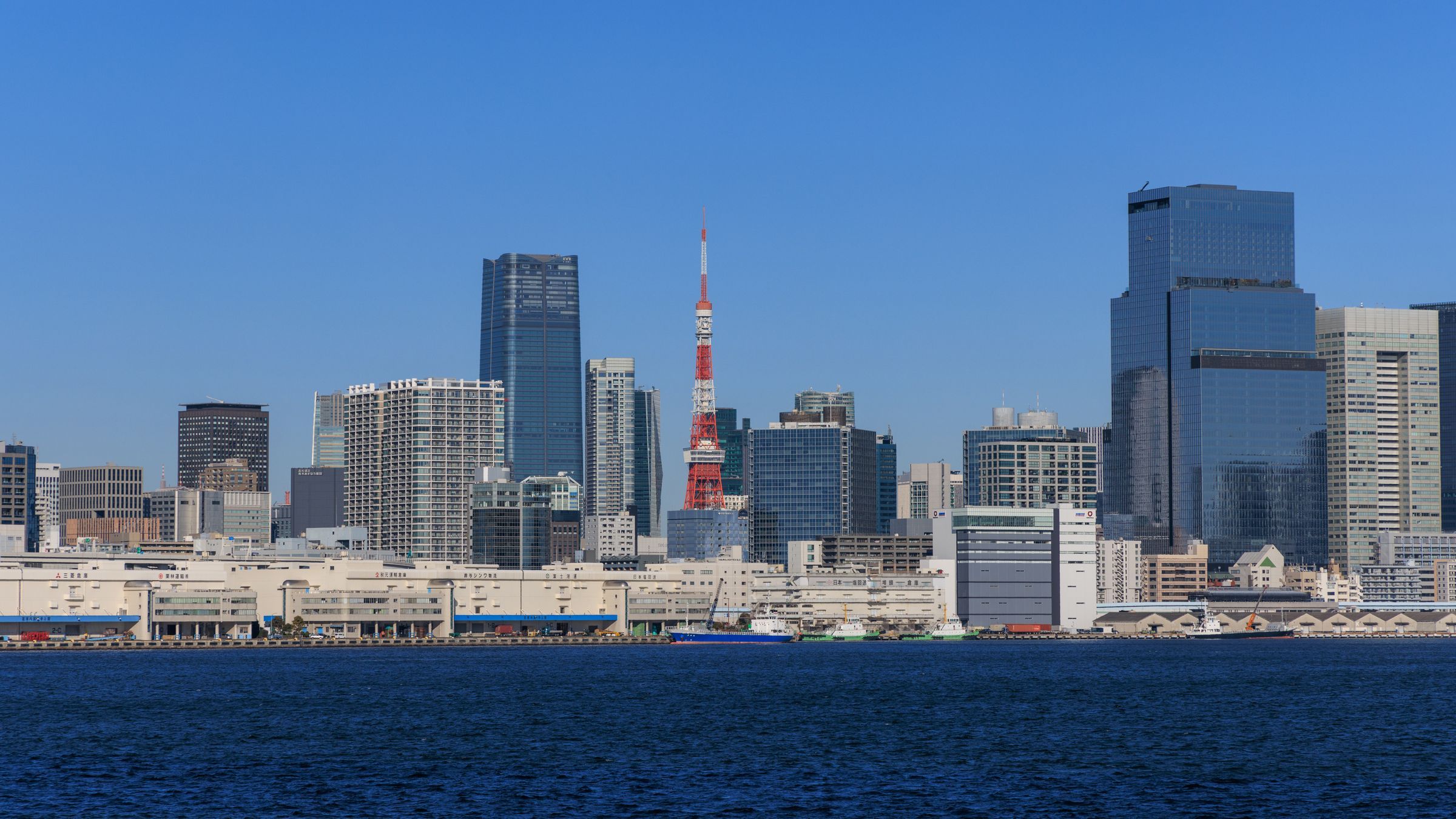
Things to Do in Tokyo: Pick Your Highlights
Build a Tokyo shortlist that suits you. Compare Asakusa, Meiji Jingu, Ueno, Shibuya, Shinjuku Gyoen, Omotesando, Tsukiji and teamLab Borderless.