
European Festivals 2027: Month-by-Month Calendar
Plan Europe's 2027 festivals with confirmed dates for Venice, Basel, Las Fallas, Semana Santa, Bayreuth, Edinburgh, Oktoberfest and more.
Europe's 2027 festival calendar starts with masked winter carnivals, moves through spring processions and gardens, then peaks with summer performance festivals and autumn's biggest folk celebrations. The useful planning distinction is simple: some 2027 dates are already confirmed by organizers, while other programmes will not be released until closer to the event. This guide separates the two so you can book accommodation early without treating an estimate as a fact.
Calendar checked on 1 October 2026; Nice Carnival dates specifically verified and corrected on 12 October 2026. Recheck the linked official organizer before paying for non-refundable travel.
Fast Facts
| Detail | 2027 planning answer |
|---|---|
| First major festival | Venice Carnival, 23 January–9 February |
| Spring peak | Las Fallas, 15–19 March; Seville Holy Week, 21–28 March |
| Summer bottleneck | Late July and August: Bayreuth, Edinburgh and Notting Hill overlap |
| Autumn anchor | Oktoberfest, 18 September–3 October |
| Booking rule | Reserve refundable accommodation first; buy event tickets only through the official organizer |
2027 festival dates at a glance
| Month | Festival | 2027 status | What to book first |
|---|---|---|---|
| Jan–Feb | Venice Carnival | Confirmed: 23 Jan–9 Feb | Venice hotel and any ticketed ball |
| February | Cologne Carnival | Rosenmontag confirmed: 8 Feb | Central hotel; grandstand if wanted |
| February | Basel Fasnacht | Confirmed: 15–17 Feb | Hotel and a pre-04:00 arrival plan |
| February | Nice Carnival | Confirmed: 9–28 Feb | Hotel, then tickets for your chosen parade |
| March | Las Fallas, Valencia | Fixed core dates: 15–19 Mar | Accommodation away from the loudest streets if sleep matters |
| March | Semana Santa, Seville | Confirmed: 21–28 Mar | Hotel and procession-route strategy |
| Mar–May | Keukenhof | Confirmed: 18 Mar–9 May | Timed park ticket and transport |
| July–Aug | Bayreuth Festival | Confirmed: 24 Jul–24 Aug | Performance ticket before accommodation |
| August | Royal Edinburgh Military Tattoo | Confirmed: 6–28 Aug | Ticket and lodging together |
| August | Notting Hill Carnival | Confirmed window: 28–30 Aug | Transport plan; street event is free |
| Sep–Oct | Oktoberfest, Munich | Confirmed: 18 Sep–3 Oct | Hotel, then official tent enquiry |
| December | St Lucia, Sweden | Fixed: 13 Dec | Church or venue programme when released |
January and February: Europe's carnival season
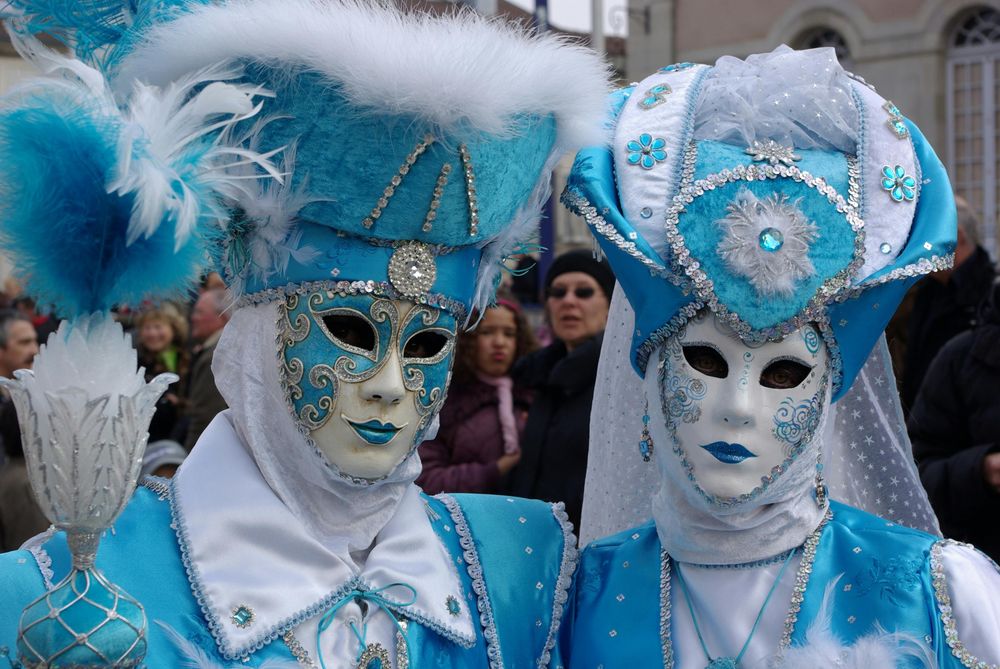
Venice Carnival — 23 January to 9 February
The official Venice Carnival site confirms the 2027 festival from 23 January to 9 February. Street performances and costumed crowds spread beyond Piazza San Marco, while private balls and the official dinner show are separate ticketed products. The official dinner programme lists selected nights from 30 January through Shrove Tuesday and starts at 21:00, with rates from €650; it also requires period costume rather than ordinary evening wear.
You do not need a ball ticket to experience the carnival. A more practical budget plan is to arrive early, see costumes around San Marco and the quieter campi, then leave the busiest zone before late afternoon. Book refundable accommodation in Cannaregio or near the railway station if you value easier arrivals over a San Marco address. Venice access-fee rules change by year and date, so check the city system separately rather than assuming the 2026 calendar applies.
Cologne Carnival — Rosenmontag on 8 February
Cologne's season builds for months, but the trip-defining event is the Rosenmontag parade on 8 February 2027 at 10:00, confirmed by the official Kölner Karneval organizer. The parade lasts several hours and central transport is heavily disrupted. Street viewing is possible without a grandstand ticket, but the best central positions fill early.
Stay near a tram or S-Bahn route outside the tightest parade perimeter rather than paying only for proximity. The city celebration continues through Shrove Tuesday, 9 February. Costumes are normal, not a tourist gimmick; joining in is more comfortable than arriving in ordinary business clothes.
Basel Fasnacht — 15 to 17 February
Basel's Fasnacht Committee confirms the carnival from 15 to 17 February 2027, beginning with Morgestraich at 04:00 on Monday. The city centre goes dark and lantern-bearing groups move through the streets to piccolos and drums. The event then runs for exactly 72 hours.
There is no conventional admission ticket, but visitors are expected to buy a Blaggedde badge to support the participating groups. Arrive in the centre well before 04:00, follow local instructions and do not use flash during the dark opening. Basel hotel prices make a train-based stay in nearby towns worth comparing, but verify the first services before relying on an overnight connection.
Nice Carnival — 9 to 28 February
The Nice Côte d’Azur Tourist Office confirms 9–28 February 2027, with the theme Vive l’Amour. These are the overall carnival dates, not a promise that every parade or flower battle runs every day.
Choose your travel dates against the organizer’s individual event calendar and ticket conditions. A refundable room near a tram connection gives you flexibility while choosing performances. Check the official carnival website for parade tickets, access zones and any costume-entry conditions; do not assume a previous edition’s offer applies in 2027.
March and spring: fire, processions and flowers
Las Fallas, Valencia — 15 to 19 March
The main Fallas days are fixed from 15 to 19 March. Visit Valencia explains that the plantà installs the monuments, daily mascletà fireworks build through the month, and the cremà burns the sculptures on the night of 19 March. The sound level and crowds are part of the event, not a side effect.
Choose accommodation according to sleep tolerance. A room beside a major falla is atmospheric but noisy; a metro-connected district outside the centre is often more practical. The street monuments and final burn are public, while fenced viewing areas and balconies are commercial products. Never buy an unofficial “guaranteed view” without a precise address and refund terms.
Semana Santa, Seville — 21 to 28 March
Seville's tourism office confirms 21–28 March 2027 for Holy Week. This is a religious observance carried by local brotherhoods, not a parade staged for visitors. Processions can change route or pause because of rain, and the most famous night, La Madrugá, creates exceptional crowd pressure.
Use our dedicated Semana Santa in Spain 2027 guide for city comparisons and etiquette. In Seville, choose one or two processions rather than attempting every brotherhood, leave crossings clear, and avoid flash, food and loud conversation when a paso is passing.
Keukenhof — 18 March to 9 May
Keukenhof confirms opening from 18 March to 9 May 2027, daily from 08:00 to 19:00, with final admission at 18:15. Tickets are date-specific and the park recommends quieter visits before 10:30 or after 16:00. Flowering depends on weather: early bulbs dominate at the start, while larger tulips generally peak later.
Keukenhof is outside Amsterdam in Lisse, so the park ticket and transport plan belong together. Use our Keukenhof 2027 day-trip guide for the bus options and realistic timing. Avoid promising a single “perfect bloom week”; the official flower report is the better decision tool close to travel.
Summer: tickets first, city second
Bayreuth Festival — 24 July to 24 August
The official 2027 Bayreuth schedule runs from an open-air event on 24 July through the final Lohengrin on 24 August. The programme is devoted to Wagner and performance days are published individually. Ticket requests opened in 2026, with an online instant sale scheduled for December.
Build this trip around a confirmed performance, not around a speculative hotel. Bayreuth is small, so compare accommodation in nearby towns with the final train time before booking. Buy only through the festival's official account or an explicitly authorised channel; a generic resale listing is not equivalent to an allocated festival ticket.
Edinburgh — Tattoo confirmed, other programmes still developing
The Royal Edinburgh Military Tattoo is confirmed for 6–28 August 2027, according to Edinburgh Festival City. The broader August ecosystem also includes the Fringe, International Festival, book festival and art festival, but their detailed 2027 programmes and performance schedules are separate releases.
August accommodation is the real constraint. Book a refundable room or a rail-connected base before waiting for individual Fringe shows; then add tickets once programmes open. Do not describe all Edinburgh festivals as one ticketed event: each organization has its own programme, venue map and sales process.
Notting Hill Carnival — 28 to 30 August
Visit London gives the 2027 window as the August Bank Holiday weekend, 28–30 August. The street carnival is free, with Caribbean mas bands, sound systems and food across west London. The final route and detailed schedule are released closer to the event.
Public transport stations may close or operate as exit-only when crowds peak. Download the current map before travelling, agree a meeting point and expect poor mobile reception. Sunday is traditionally more family-oriented; Monday's adult parade is the busiest day.
Autumn and winter
Oktoberfest, Munich — 18 September to 3 October
Munich's official Oktoberfest FAQ confirms 18 September–3 October 2027. Entry to the festival grounds is free. Tent reservations are made with individual official tents, not through a central paid “Oktoberfest ticket”, and many tables are sold with food and drink vouchers.
Accommodation should be booked before the cheapest rooms disappear. Without a tent reservation, weekday mornings and early afternoons are more realistic than Saturday evening. Check the official prohibited-items and bag rules shortly before travel because security arrangements can change.
St Lucia, Sweden — 13 December
St Lucia is observed on 13 December in churches, schools and cultural venues across Sweden. It is a ceremony of candlelight and song rather than a single national ticketed festival. Stockholm Cathedral and Skansen typically publish their own programmes closer to December.
Treat venue capacity seriously: a famous service may require a ticket even though community processions are free. Arrive quietly, avoid flash and do not assume every church admits tourists during a school or parish ceremony.
How to book a 2027 festival trip without overpaying
- Confirm the organizer and the date status. A city tourism page or official festival domain outranks an aggregator. “Typical dates” are not confirmation.
- Reserve refundable accommodation first. Lodging inventory usually tightens before rail and short-haul flight schedules do.
- Separate free public space from paid products. Venice streets, Notting Hill and Oktoberfest grounds can be free even when balls, grandstands or tent packages cost money.
- Check the final programme again. Parade routes, stations, start times and security zones can change after the annual dates are announced.
- Respect the event type. Semana Santa and St Lucia require different behaviour from Oktoberfest or Notting Hill Carnival.
For accommodation, compare the actual room, location and total stay price with our European hostel guide. A cheaper bed far from the venue can lose its advantage once late-night transport is included.
Frequently Asked Questions
Which 2027 European festival should I book first?
Book Bayreuth first if you want a specific performance, because the ticket defines the trip. For Edinburgh, Venice and Oktoberfest, secure refundable accommodation early. Street events such as Notting Hill Carnival and Las Fallas do not require a general admission ticket.
Which major 2027 festivals are free?
Notting Hill Carnival is free, Oktoberfest has free entry to the grounds, and the street experience at Las Fallas and Venice Carnival does not require a general ticket. Paid extras include grandstands, balls, performance tickets, rides, food and reserved tent packages.
Are all 2027 festival dates already confirmed?
No. The table distinguishes confirmed festival windows from programme details that still need checking. Nice’s overall dates are confirmed for 9–28 February 2027; individual events and ticket conditions require their own checks. Several summer arts programmes also have separate release schedules. Use refundable bookings while the details of your intended visit remain unresolved.
What is the busiest European festival month in 2027?
August creates the biggest overlap for international visitors, especially Edinburgh and Notting Hill Carnival. March is the other planning pinch point because Las Fallas and Seville's Holy Week occur within days of each other.
How far ahead should I book accommodation?
For Venice Carnival, Las Fallas, Seville Holy Week, Edinburgh and Oktoberfest, six months is a sensible target and earlier can help for central rooms. Use refundable rates whenever a detailed programme or event ticket is still pending.

Keep Exploring
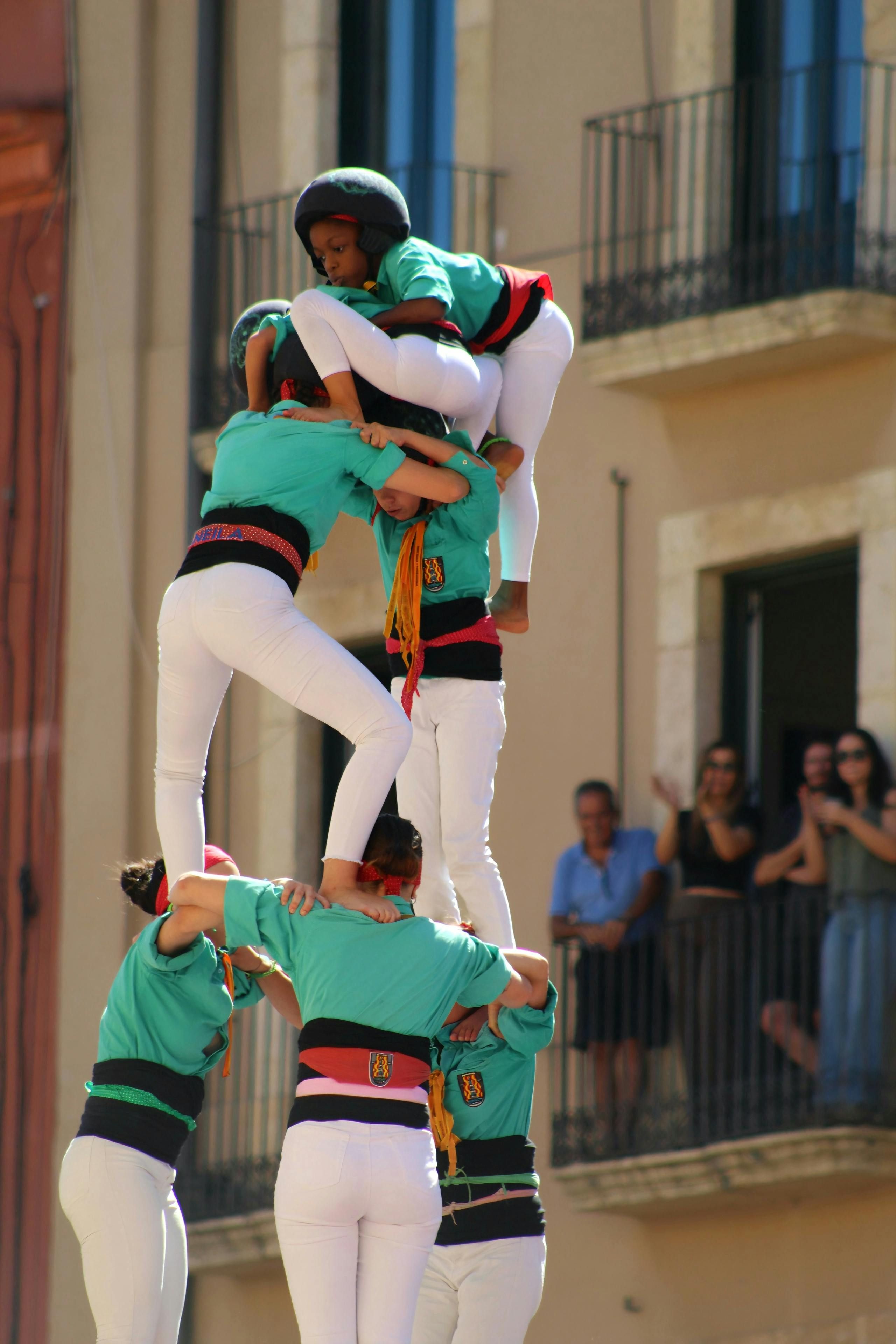
European Folk Traditions: Festivals by Region
From Catalan castellers to Bulgarian kukeri, the folk festivals that define Europe's regions — UNESCO Intangible Heritage criteria, dates, etiquette, and how to attend respectfully.
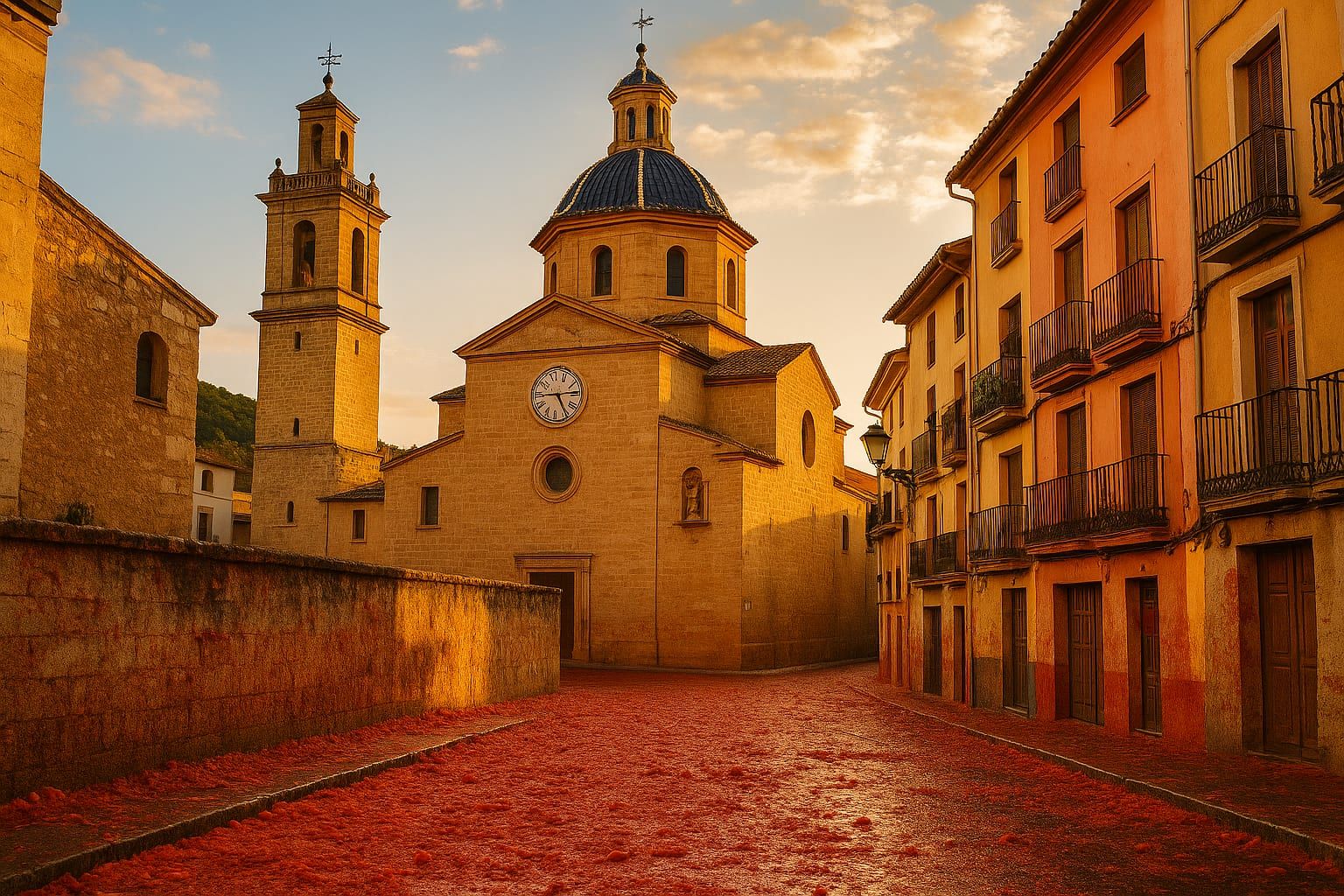
La Tomatina & Spain's Craziest Festivals
From Buñol’s tomato-soaked streets to bull runs and firework-soaked plazas, explore La Tomatina and Spain’s wildest festivals with practical tips, history, and local insights.
Things to Do in Tokyo: Pick Your Highlights
Build a Tokyo shortlist that suits you. Compare Asakusa, Meiji Jingu, Ueno, Shibuya, Shinjuku Gyoen, Omotesando, Tsukiji and teamLab Borderless.