
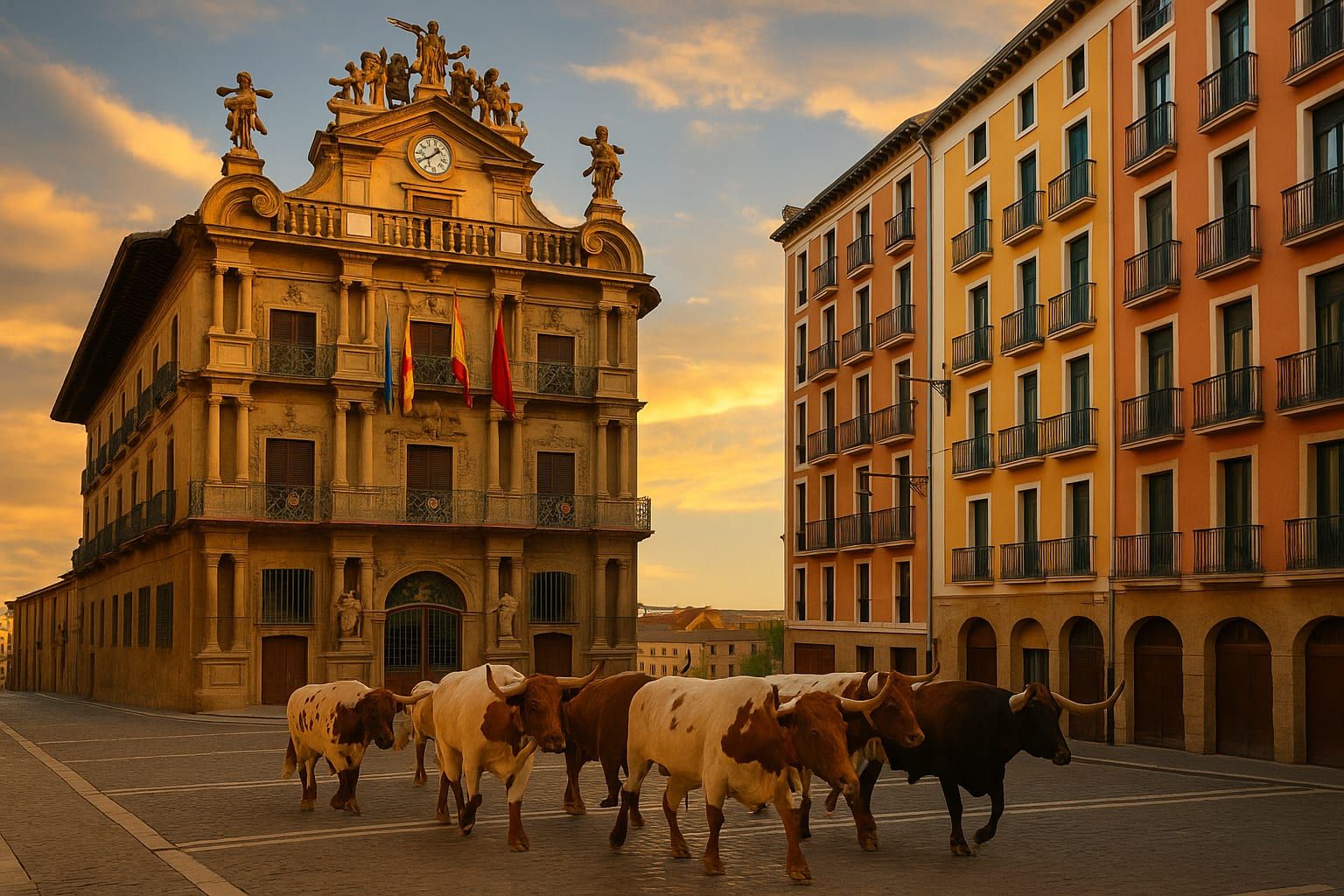
Experience Pamplona’s San Fermín: the history, the daily 875m encierro, safety tips, best viewing spots, and how to enjoy the festival like a local.
Running of the Bulls: Pamplona's San Fermín
Every July, Pamplona’s narrow streets become the stage for one of the world’s most iconic — and controversial — spectacles: the running of the bulls (el encierro). For nine days the city pulses with music, white-clad crowds and the thunder of hooves as fighting bulls and oxen speed 875 metres from their corral to the bullring. This guide explains the history, the route, how to watch or run, safety and practical tips so you can experience San Fermín well-informed and respectfully.
Quick facts at a glance
- When: Fiesta de San Fermín runs July 6–14. The encierros take place every morning July 7–14 at 8:00 a.m.
- Course: ~875 metres from the corrals on Calle Santo Domingo to the Plaza de Toros.
- Animals: Six fighting bulls accompanied by steers (bell-oxen) lead the way.
- Dress code: Traditional white outfit with a red pañuelo (neck kerchief) and red waistband.
(Historic and logistical details are drawn from festival sources and long-standing local practice.)
A short history: saint, street fairs and Hemingway
San Fermín commemorates Pamplona’s patron saint, Saint Fermin, a 3rd-century martyr whose cult blended religious procession with popular fairs. The festival as we know it — a raucous, modern-week celebration featuring bull runs and bullfights — solidified over centuries. The encierro itself grew from practical cattle-moving (herding bulls from village pens to the bullring) into public spectacle when townspeople began running alongside the animals.
Ernest Hemingway’s 1926 novel The Sun Also Rises catapulted the event into global consciousness; since then, the festival has drawn visitors from around the world, making Pamplona’s streets both a pilgrimage and a summer carnival.
The encierro route: from Santo Domingo to the Plaza de Toros
The bulls are released from their corral on Calle de Santo Domingo and thunder through the old town, a barricaded route that includes the famous Estafeta — a squeeze of cobblestones and corners that concentrates the action — before arriving at the bullring in Plaza de Toros. Although the course is short, the combination of speed, narrow streets and crowds makes it impossible for any runner to control the entire distance. The run lasts less than three minutes for the bulls, and that intensity is part of its enduring allure.
Should you run? Understanding risk and responsibility
Running the bulls is not an adrenaline sport for beginners. While images of fearless runners dominate headlines, injuries are common and fatalities, though rare, do occur. Key points:
- Experience matters: Regular runners know the route, the escape spots (corrals and doorways), and how to move with the crowd.
- Physical condition and calm: Panic causes accidents. Good runners keep a clear head, know when to get out, and look out for weaker runners.
- Alcohol and running: Avoid it. Many accidents happen when people who are intoxicated enter the course.
If you choose to run, study the route for days beforehand, watch several encierros from safe vantage points, and follow Pamplona’s regulations and stewards.
Best viewing spots (non-runners)
For most visitors, watching is the best way to experience the spectacle safely and with less stress. Great vantage points:
- Ayuntamiento (Town Hall) and the launch area on July 6: The chupinazo (rocket launch) at noon on July 6 inaugurates the festival and is the heart of the civic celebration.
- Santo Domingo: Where the bulls are released — dramatic but crowded.
- Estafeta: The long straight where the herd gathers speed. Balconies here are famous, but they book out early and are expensive.
- Telefónica corner: A classic spot where bulls turn and runners are forced into close quarters.
- Mercaderes and the bullring: Near the finish; you’ll see the animals slowing and the crowd’s relief.
Tip: If you prefer a calmer view, stand on a higher floor of a building near the route, behind the barricades, or find a quieter side street where you can see the procession of runners and stewards without being in the crush.
How the city manages safety
Pamplona’s encierros are heavily regulated: streets are barricaded by local services, the route is cleared before each run, and medical teams stand by. Local stewards and police monitor behavior and enforce rules; officials can ban individuals from participating if they pose a risk. Despite precautions, risk remains inherent; your personal choices (sobriety, situational awareness, physical readiness) matter as much as city measures.
San Fermín beyond the run: festival highlights
San Fermín is not just about the encierro. The city offers a full program of music, processions, communal meals, dancing and nightly fireworks. Don’t miss:
- The chupinazo (July 6, noon) — the festival’s explosive opening at city hall.
- Daily mass and the homily on July 7 invoking Saint Fermín’s protection before the first run.
- Parades of gigantes y cabezudos (giant figures and big-headed puppets) — great if you’re visiting with family.
- Evening concerts, folk dances and pintxo crawls in the old town’s bars.
If you’d like to explore Basque gastronomy while in the region, pair your festival days with a food odyssey — learn more in our Basque Country food guide: [/en/food-drink/basque-country-food-europes-best-kept-secret].
Practicalities: travel, accommodation and bookings
- Book everything early. Hotels, hostels and private rentals in Pamplona sell out months in advance and prices spike. If you can’t find something in Pamplona, look to nearby cities and commute by train or bus.
- Balconies on Estafeta sell out and are often offered through agencies. If a balcony is out of budget, aim for a café terrace or a licensed viewing area behind barricades.
- Public transport: Trains and regional buses bring visitors from Bilbao, San Sebastián, Vitoria and Zaragoza. Arrive early on July 6 if you want to soak up the opening events; streets will become very crowded.
- Budgeting: The festival is expensive during peak days; expect higher food, drink and lodging costs.
For travelers planning a wider Basque-Spain itinerary, San Fermín is a great anchor for a northern Spain trip — consider combining your visit with our one-week Northern Spain route: [/en/itineraries/one-week-northern-spain-basque-galicia].
What to wear and what to bring
- Traditional outfit: Many locals and visitors wear white with a red scarf (pañuelo) and red sash. It’s not mandatory, but it’s the spirit of the festival.
- Comfortable shoes: Streets are cobbled and often slippery with spilled drinks — wear solid, closed shoes.
- Daypack essentials: ID (carry a photocopy), some cash, a small bottle of water, sun protection, and a basic first-aid kit. Leave valuables in a safe place; pickpocketing increases in crowds.
- For runners: Tight-fitting clothes (loose garments get snagged), good running shoes, and nothing that can tangle or slow you down.
Etiquette and local insights
- Respect places of worship and traditional ceremonies. San Fermín has religious roots; be mindful during processions and masses.
- Support local businesses. Many Pamplona bars and pintxo joints rely on festival trade — ask for local specialties and try Pamplona’s cuisine.
- Learn a few Spanish (or Basque) phrases: a polite buenos días and gracias go a long way.
- Be patient and considerate with crowds; locals often pride themselves on hospitality even during chaotic days.
Safety checklist for spectators and runners
For spectators
- Stay behind barricades and obey marshals.
- Keep children well supervised and at a safe distance from the route.
- Avoid balconies or vantage points that look unsafe.
For runners
- Watch several runs before attempting to join.
- Never touch the bulls or try to provoke them; the goal is to get out of their way.
- Know the locations of escape routes and the nearest medical post.
- Don’t run under the influence of alcohol or drugs.
After the run: bullring and evening culture
The encierro’s end is only the beginning. Many visitors watch the afternoon bullfights at the Plaza de Toros, where the same bulls run in the morning are fought in the evening (if you want to skip bullfighting, Pamplona still offers a lively evening scene: concerts, street parties and quiet tapas bars in tucked-away squares). Note that bullfighting is a sensitive tradition and opinions vary — decide in advance whether it aligns with your values.
When to go, and when to skip
If your mission is to experience the encierro, arrive for the festival days. But if you want the Basque region’s food, landscapes and culture without the frenzy, consider visiting Pamplona outside San Fermín: the city is charming year-round, with quieter streets and better-value accommodations. If you are a first-time traveler to Spain and wary of chaotic crowds, plan carefully — San Fermín offers intense energy but also stress.
Local recommendations (insider tips)
- Warm up with morning pintxos: Locals start the day early with simple snacks and coffee in tucked bars. It’s a great way to watch the city wake.
- Scout the route the day before: Walk the course, note turns and safe exits, and spot cafés or plazas you could use as calm bases.
- Use quieter viewing points: The northern stretch beyond Telefónica has fewer tourists and still provides good sightlines.
- Buy a festival program from the tourist office: it lists daily events, timings and locations in English and Spanish.
- Respect the stewards: They have local knowledge and the authority to prevent dangerous situations. Follow their instructions promptly.
Responsible travel and animal welfare
San Fermín’s encierro and the associated bullfights involve animals — a fact that prompts debate. If animal welfare is a priority for you, research alternatives to attending bullfights or look for events focused on Basque culture, music and crafts instead. Pamplona’s festival includes many family-friendly and non-bull events that celebrate local traditions without involving animals in sport.
Final thoughts: why people keep coming
San Fermín is a potent mix of history, risk, ritual and revelry. For some it’s a spiritual or cultural pilgrimage, for others it’s a bucket-list thrill. Whether you run or spectate, approaching the festival with respect, preparation and awareness will give you the best chance of walking away with memories — and all your limbs intact. If festivals are what get you travelling, San Fermín sits alongside Spain's other great summer madness — read our guide to La Tomatina and Spain's wildest festivals — or head to Italy for the masked pageantry of Carnival in Venice.
If you’re planning a longer trip around northern Spain, pair your visit with local food discoveries and a road through the Basque coast and Galicia. For deeper reading on Basque cuisine and where to try pintxos, see our guide: [/en/food-drink/basque-country-food-europes-best-kept-secret]. For broader travel planning in the region, consider this one-week route through Northern Spain: [/en/itineraries/one-week-northern-spain-basque-galicia].
Enjoy Pamplona with curiosity and care — San Fermín is unforgettable, but it rewards visitors who prepare and respect the city’s people and traditions.
Frequently Asked Questions
When is the Running of the Bulls in Pamplona?
The Running of the Bulls happens during the Fiesta de San Fermín, which runs July 6 to 14 each year. The encierros (bull runs) take place every morning from July 7 to 14 at 8:00 a.m. The festival opens with the chupinazo rocket launch at noon on July 6 at Pamplona's Town Hall.
How long is the Running of the Bulls route?
The encierro route stretches roughly 875 metres from the bull corrals on Calle Santo Domingo through Pamplona's old town to the Plaza de Toros bullring. It passes the famous Estafeta straight and the tight Telefonica corner. Although short, the run lasts under three minutes for the bulls, and the speed and narrow streets make it intense.
Is it safe to run with the bulls in Pamplona?
Running with the bulls carries real risk. Injuries are common and fatalities, though rare, do occur. It is not for beginners. Experience, physical fitness, and a calm head matter, and you should avoid alcohol. Study the route, watch several runs first, know the escape spots, and follow Pamplona's stewards and regulations before deciding to participate.
Where is the best place to watch the Running of the Bulls?
Good viewing spots include Santo Domingo where the bulls are released, the Estafeta straight with its famous but pricey balconies, the Telefonica corner where bulls turn, and Mercaderes near the bullring finish. For a calmer view, stand behind barricades, on a higher floor near the route, or on a quieter side street away from the crush.
Is visiting Pamplona during San Fermin expensive?
Yes, San Fermin is expensive during peak days, with higher costs for food, drink, and lodging. Hotels, hostels, and rentals sell out months in advance and prices spike. Estafeta balconies are costly and often sold through agencies. Book early, or stay in nearby cities like Bilbao or San Sebastian and commute by train or bus.
Keep Exploring
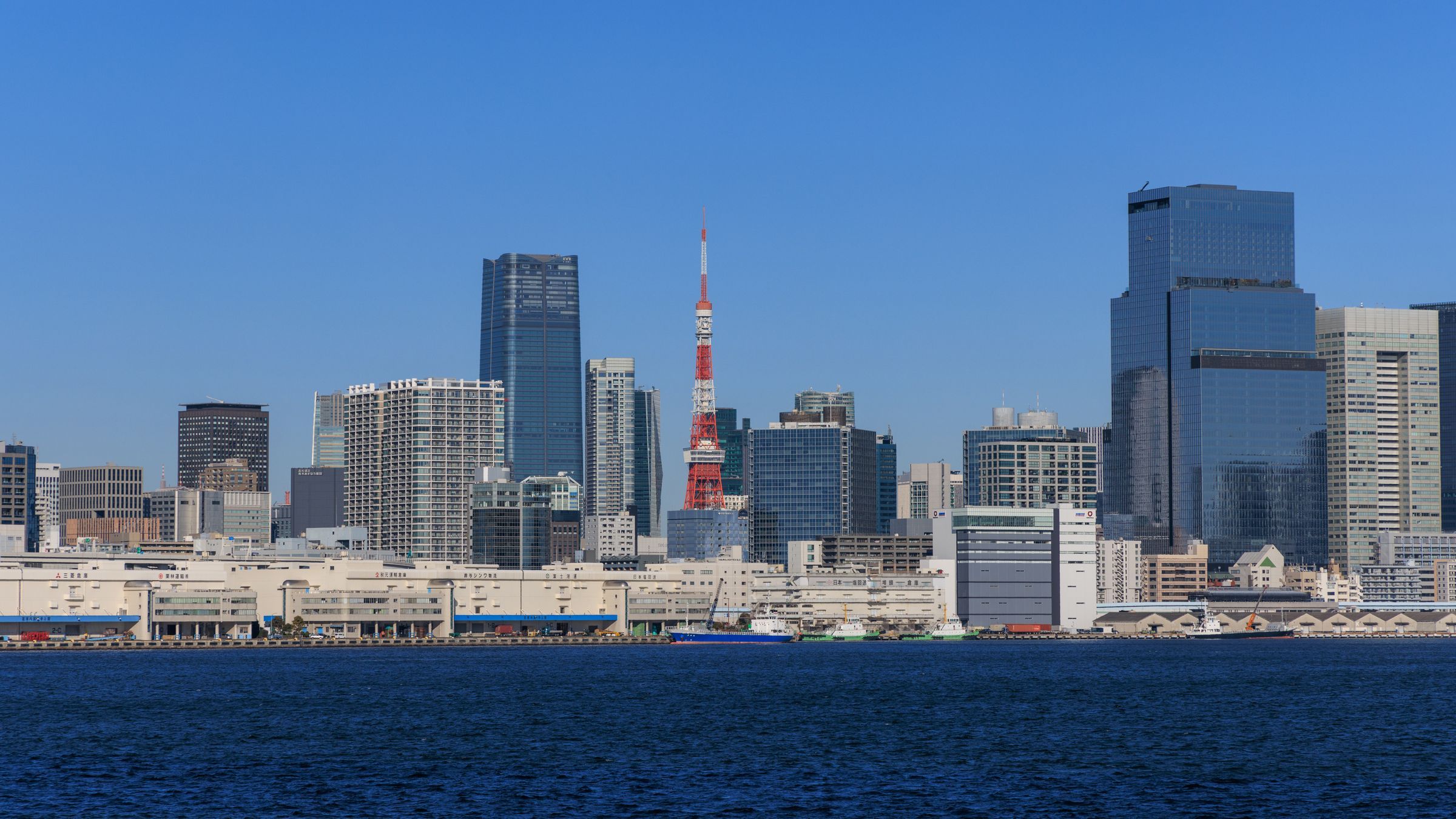
Things to Do in Tokyo: Pick Your Highlights
Build a Tokyo shortlist that suits you. Compare Asakusa, Meiji Jingu, Ueno, Shibuya, Shinjuku Gyoen, Omotesando, Tsukiji and teamLab Borderless.
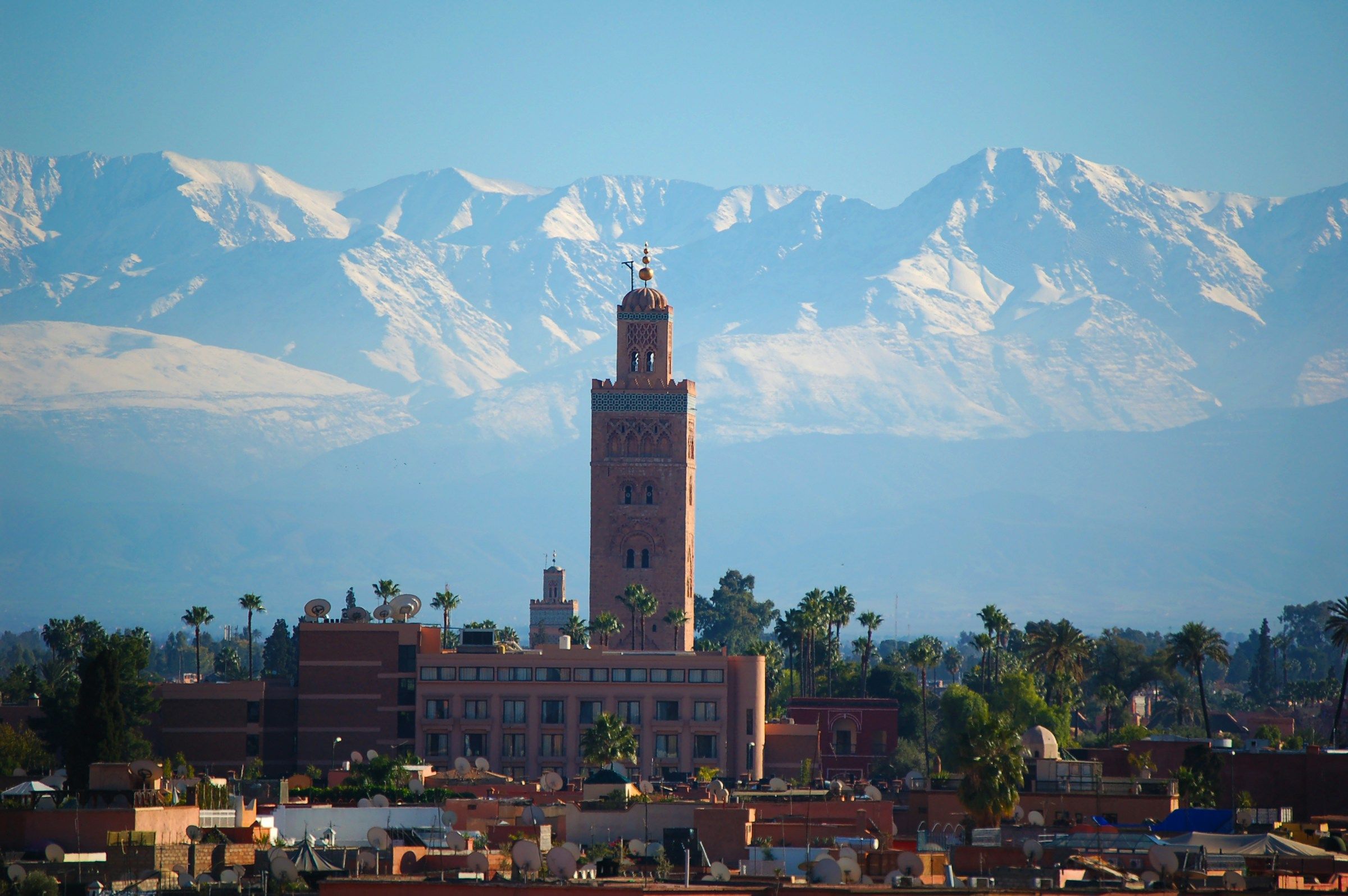
Things to Do in Marrakech: A First-Visit Guide
Plan a first visit around the Marrakech experiences you actually want: decorative palaces, garden walks, photography, souks and Moroccan cooking.
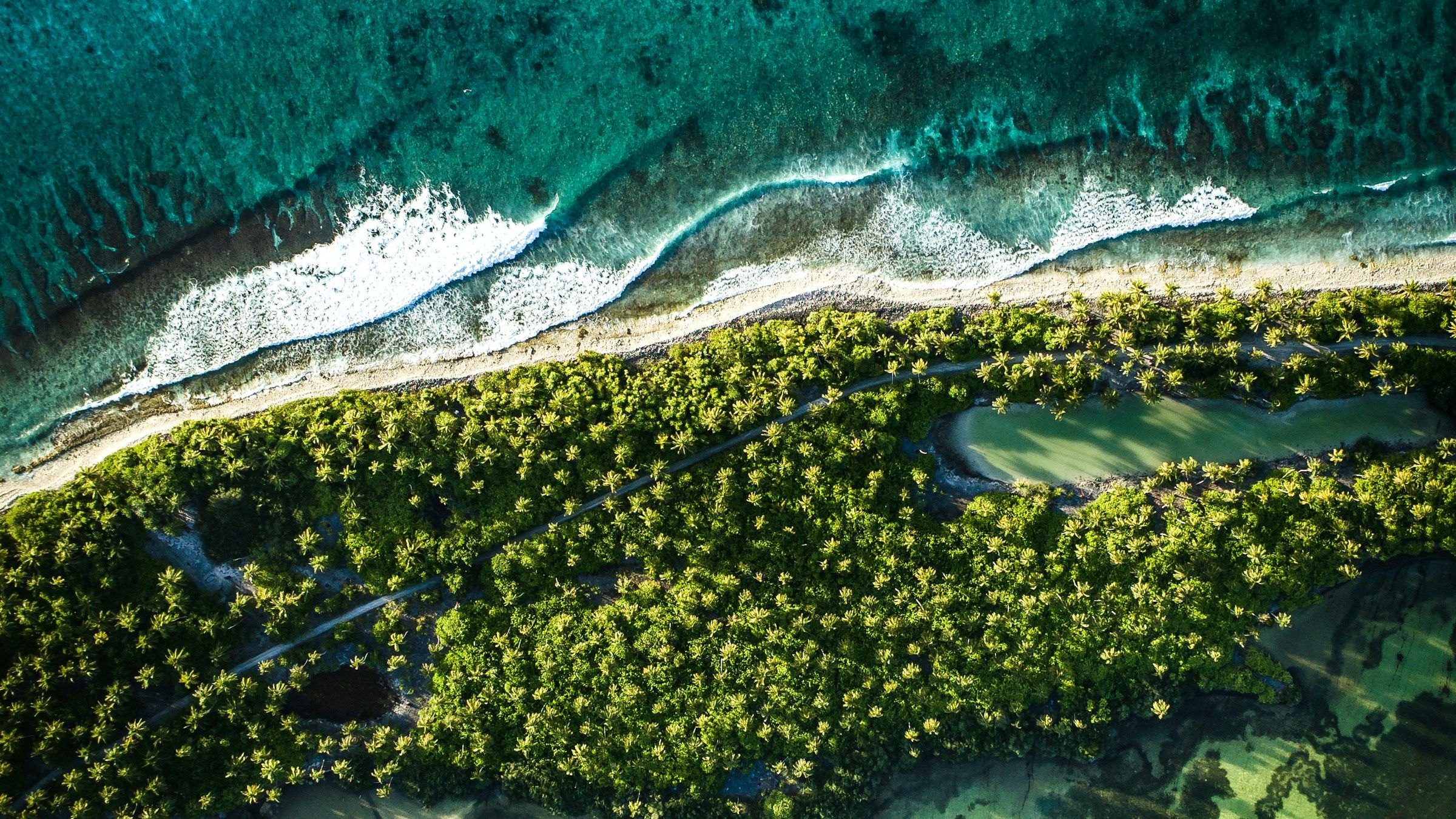
Things to Do in the Maldives: Planning Your Stay
A practical guide to Maldives experiences, from snorkeling and sandbanks to local food and island walks, with advice on choosing a base and making room for the things you want to do.