
Cooper Hewitt: Plan Your New York Design Visit
Plan Cooper Hewitt in New York: design galleries, Carnegie Mansion, tickets, the November rotation, garden access and a realistic two-hour visit.
Choose Cooper Hewitt if you want to understand how everyday objects are designed, with the Carnegie Mansion as part of the experience. This Smithsonian museum on New York's Upper East Side rewards close looking at materials, shapes and decisions. Allow about two hours for a selective visit, then decide whether the garden or Central Park suits the rest of your afternoon.
There is an immediate planning exception: Design Across Time is closed from 16–20 November 2026 for object rotations, with reduced museum admission during those dates. The museum itself remains open. Our New York culture guide helps place this specialist museum within a wider city visit; this guide concentrates on choosing the right ticket, gallery time and arrival route.
Fast facts
| Detail | Planning information |
|---|---|
| Address | 2 East 91st Street, at Fifth Avenue, Manhattan |
| Focus | Historic and contemporary design in the former Carnegie home |
| Museum hours | Daily 10:00–18:00; closed Thanksgiving Day and Christmas Day |
| Current exception | Design Across Time closed 16–20 November 2026 |
| Temporary adult admission | US$10 during that changeover only; check later dates separately |
| Budget option | Pay What You Wish 17:00–18:00 daily |
| Suggested duration | Around two hours, excluding travel and a long café stop |
| Garden | Accessible without museum admission; confirm its closing time |
Information was checked on 18 November 2026. The official planning page is the starting point for prices and opening exceptions. Time allowances here are editorial estimates, not a museum requirement or a prediction of queues.
Decide what kind of design visit you want
Cooper Hewitt makes sense when the question behind an object interests you as much as its appearance. What does a material make possible? Who is expected to use something? How does a repeated shape become a pattern or a message? These questions connect a museum visit to things you use at home without requiring a design qualification.
Before buying, identify one current exhibition that you actually want to see. A museum's collection and the works displayed on a particular day are different things. Exhibition changeovers are especially important here: the reduced price in mid-November corresponds to a reduced choice of galleries, not to an otherwise identical visit.
If your main interest is painting and sculpture in a dramatic modern building, compare our Guggenheim New York guide. The two museums can share an Upper East Side day, but their subject and atmosphere differ. Choose one as the main visit before adding a second admission charge.
Understand the November closure before booking
The museum's Design Across Time page describes a thematic installation of historic and contemporary design on the mansion's first floor. Its notice explicitly closes the exhibition from Monday 16 November through Friday 20 November 2026 for rotations. The tours page announces reopening on 21 November; check again before travelling specifically for it.
During the stated changeover, adult admission is US$10. The planning page lists US$5 for seniors aged 62 and above, students with ID and visitors with disabilities, while visitors aged 18 and under enter free. These are the temporary published rates for 16–20 November, not a price promise for your later trip. Select the actual visit date in the official booking journey.
If the collection installation is your priority and your dates are flexible, moving the museum to a later day is more useful than accepting a cheaper ticket for the wrong experience. If the mansion and other open exhibitions are sufficient, the reduced visit may still fit. Confirm what remains open rather than guessing from a general museum photograph.
Look at design through comparisons
When Design Across Time is open, use its thematic approach as a way to compare works instead of trying to memorise a chronology. Begin with two objects that appear unrelated. Look at the material, scale and likely handling of each, then read the labels to test your first impressions. The useful discovery may be a shared problem rather than a shared date.
Separate what you see from what you infer. A polished surface can suggest luxury, but the label may reveal another purpose. A simple form can hide a complex manufacturing process. Spending a few minutes with one pair often gives you more to discuss afterwards than moving quickly past every display.
For a companion less interested in museums, agree on a small selection rather than insisting on every room. Each person can choose one object that seems successful and one that raises a question. This gives the conversation a concrete focus and leaves room for different tastes. It is a suggested way of looking, not a programmed museum activity.
Give the Carnegie Mansion its own attention
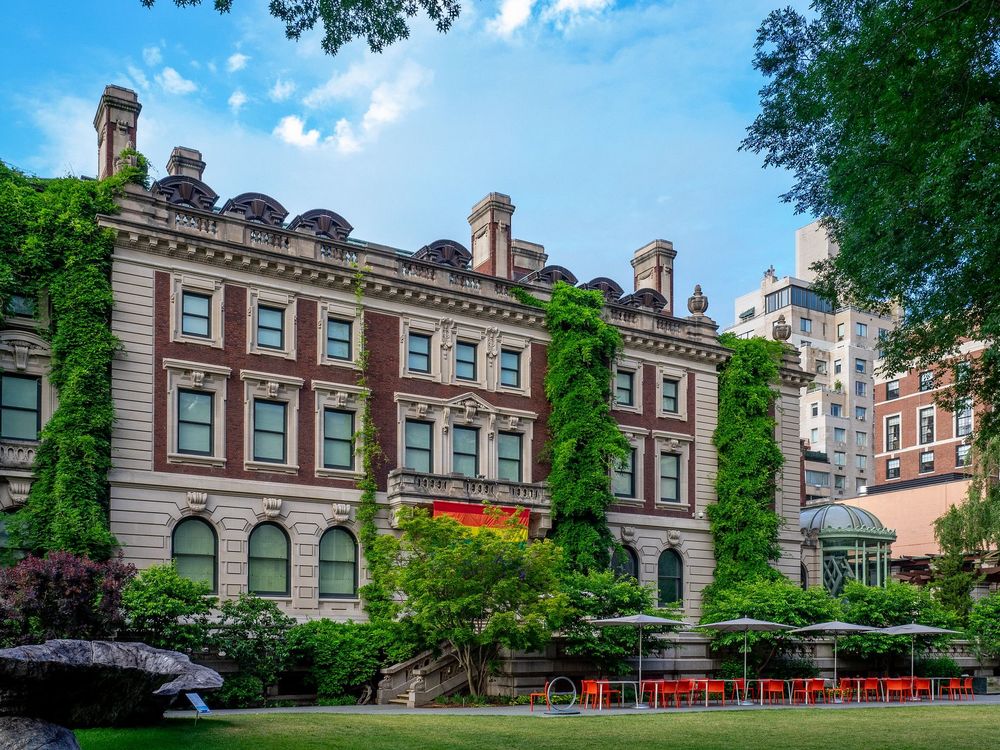
The museum's mansion history dates the house to 1899–1902 and records its opening as a museum in 1976. Andrew and Louise Carnegie lived here with their daughter Margaret. The relationship between an ambitious private home and a public design museum is a substantial part of the visit.
Pause at a doorway or in a room before looking at the objects. Notice how daylight, decorative surfaces and circulation affect the way you encounter the exhibition. You do not need to identify every historic feature to appreciate the difference between a former domestic interior and a purpose-built white gallery.
Do not expect all 64 rooms of the historic mansion to form a visitor route. A building's original room count describes its history, not today's public access. Ask staff which architectural spaces are currently available if the house, rather than a specific exhibition, is your main reason for coming.
Two hours, a tour or the last hour
For a first visit, our suggested two-hour structure is simple: orient yourself and choose your priorities, spend most of the time in one or two exhibitions, then leave a short margin for the mansion and a pause. Adjust the balance to the galleries actually open. Someone reading every label or studying design professionally may want longer.
Public tours are advertised daily at 13:30, lasting 45 minutes and included with museum admission. Their subjects vary by weekday, and tours can change or be cancelled. Read the current topic before anchoring your schedule to one; a mansion tour and an exhibition discussion are not identical experiences.
The daily 17:00–18:00 Pay What You Wish period suits a short, selective visit. It leaves at most an hour before normal museum closing, so choose it for a limited objective. Arriving late in that period does not create additional gallery time. Do not combine a full tour, extensive browsing and a leisurely café stop in the same final hour.
The garden is a separate planning choice
The Smithsonian's museum listing confirms that the café and adjoining Arthur Ross garden and terrace can be accessed without museum admission. That makes the garden useful for someone who wants a short pause or exterior context without committing to galleries. Food and drink purchases are separate.
The official pages disagree about the garden's closing time on the check date: Plan Your Visit groups it with 10:00–18:00 opening, while the FAQ says 10:00–16:30. Confirm the day's schedule with staff, particularly before making the garden your late-afternoon plan. Neither an older guide nor the museum's indoor closing time resolves that discrepancy.
Treat the garden as optional in poor weather. Its presence does not make every museum visit an outdoor afternoon, and a pleasant photograph does not establish current seating conditions. If your main aim is the galleries, keep their time protected and use any outdoor pause afterwards according to conditions.
Arrival, access and practical details
Save the museum address at 2 East 91st Street, rather than a generic Fifth Avenue pin. The Smithsonian lists the 4, 5 and 6 subway services at 86th Street and Lexington Avenue, and identifies the Q entrance at 86th Street and Second Avenue as an accessible option. Check current MTA service and elevator status for the whole journey; either station still requires a street-level approach to the museum.
The accessibility page describes a ramp beside the 91st Street entrance, a step-free garden entrance on 90th Street and elevators inside. Manual wheelchairs, rollators and folding stools are available first come, first served. Contact the museum ahead if equipment availability or a particular route is essential.
The same page provides sensory resources and notes that school visits can make Tuesday–Thursday mornings from 10:00–12:00 louder. Weekday afternoons may be quieter, but this is guidance rather than a crowd guarantee. For children, choose a manageable set of objects and use breaks before fatigue makes every room feel the same.
The visitor FAQ allows non-commercial photography without flash, compact strollers and sketching without ink or markers. Leave large bags and oversized umbrellas behind where possible. A small notebook can support attentive looking without turning the visit into a photographing exercise.
Cover photograph: Carnegie Mansion and garden at Cooper Hewitt in New York — Ajay Suresh, CC BY 2.0.
Frequently Asked Questions
Is Cooper Hewitt free?
Gallery admission is normally ticketed, with eligibility-based exceptions. Pay What You Wish is advertised daily from 17:00–18:00, and the garden can be accessed without museum admission. Check your actual date and admission category.
Is Cooper Hewitt closed in November 2026?
The museum remains open, but Design Across Time is closed for rotations from 16–20 November. Its tours page announces reopening on 21 November. The US$10 adult rate is a temporary changeover price.
How much time should I allow?
Around two hours is our estimate for a selective museum visit. Allow more for extensive label reading, a scheduled tour or a café stop. The final Pay What You Wish hour supports a shorter visit.
Can I visit in a wheelchair?
The museum describes accessible entrances and elevators, with mobility equipment available first come, first served. Check the precise route and any essential equipment in advance, as well as subway elevator status if using public transport.


Keep Exploring
New York Public Library: Plan Your Schwarzman Visit
Choose exhibitions, architecture or an official tour at NYPL’s Schwarzman Building, with reading-room access and practical arrival advice.
The Met Cloisters: Plan Your New York Visit
Choose tapestries, gardens and medieval architecture at the Met Cloisters, with current hours, shared admission and step-free arrival advice.
9/11 Memorial and Museum: Plan Your New York Visit
Choose the free memorial or ticketed museum, check Tuesday openings and plan a considerate visit with time for reflection.