
Guggenheim New York: Choose Your Museum Visit
Plan a Guggenheim visit around the spiral, current exhibitions and Thannhauser Collection, with ticket choices and November closure checks.
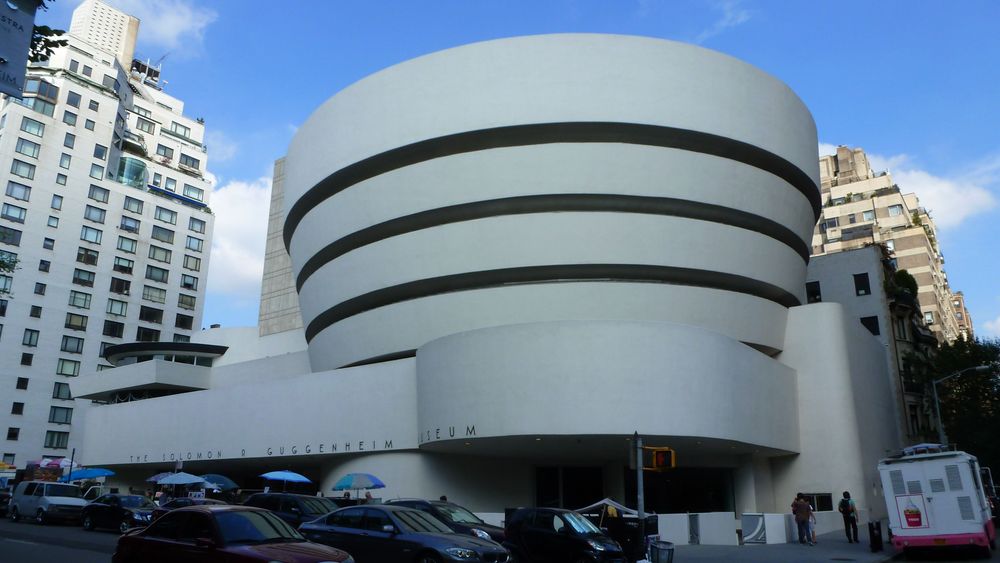
The Guggenheim is a particularly good New York museum choice when the building matters as much to you as the art. Frank Lloyd Wright's expanding white spiral gives the visit a shape before you have read a label. Inside, looking across the rotunda, moving along the ramp and stepping into smaller galleries are different parts of the experience. A photograph of the exterior captures only one of them.
Choose this museum for an architectural visit with art, or because a current exhibition genuinely interests you. For a wider comparison, our New York cultural guide helps place it alongside the city's other experiences. If your priority is a broad survey across civilisations and centuries, compare our Met visit guide before buying two museum tickets on the same day.
The essentials before you book
The following operational details were checked on 4 November 2026 against the museum's official visitor information. Prices are advertised admission categories, not a dated booking quote.
| Decision | Current information |
|---|---|
| Where | 1071 Fifth Avenue, between East 88th and 89th Streets |
| Regular opening | Daily, 10:30–17:30 |
| General admission | US$30 |
| Student or age 65+ | US$19, with ID |
| Visitors with disabilities | US$19; carepartners free |
| Children | Under 12 free |
| Pay What You Wish | Tuesdays and Sundays, 16:00–17:30 |
| November exceptions | 9 and 14 November close at 15:00; 10 November closed; Thanksgiving, 26 November, closed |
| Planning allowance | About 90 minutes to 2 hours; longer for a major exhibition |
The time allowance is an editorial estimate, not the museum's promised visit length. The distinction between daily opening and dated exceptions is especially important this month: a Tuesday discount plan cannot work on 10 November because the museum is closed. Recheck the calendar for your own date rather than carrying this table unchanged into a later trip.
Decide what the admission is buying you
There are three useful reasons to enter: Wright's interior, the exhibition programme, and the collection galleries. Decide which is first for you. That makes a gallery closure or a change of exhibition easier to evaluate. A visitor coming for a specific artist should check that artist's dates; someone coming principally for the rotunda should confirm that its public route is available during installation periods.
Start from the exhibition links on the official visit page. Read the subject and presentation, not only the artist's name or a publicity photograph. A large installation designed for the spiral can produce a very different visit from rooms of paintings. Neither format is inherently better, but expectations shaped by an old photograph may not match what you encounter.
Avoid building a compulsory masterpiece checklist from collection ownership. Works can be lent, conserved or moved. The museum's Thannhauser presentation is a useful collection anchor, but a particular Van Gogh or Picasso should become an essential stop only after you have checked that it is on view. For a first visit, the relationship between spaces is a more reliable organising idea than a list of famous titles.
A first-visit route through the building
Begin outside on Fifth Avenue. Look at the large rotunda, the smaller circular volume beside it and the more rectilinear building behind. Their different shapes will help you understand why an interior gallery may feel very different from the ramp. Make photographs from a safe pavement position and keep entrances and crossings clear.
After entry, pause on the rotunda floor before choosing a direction. Look up towards the skylight and across the continuous curve. This is the best moment to orient yourself without trying to absorb individual artworks simultaneously. Obtain the current map, locate the galleries you actually want, and ask a Gallery Guide about closures or the easiest sequence.
The museum's explanation of its architectural language describes Wright's intention that visitors take the lift upwards and descend the ramp. It also makes clear that visitors can find their own way through the building. Treat top-down as an option to discuss on arrival, not a universal instruction that overrides an exhibition's route or access restrictions.
On the ramp, alternate looking at art with looking into the rotunda. Stop fully for each activity rather than walking backwards while photographing. The projecting semicircular areas, called bump outs by staff, let you notice how the same central space changes with your height. Their value is the shift of perspective, not collecting an identical photograph at every level.
Then leave the spiral for a smaller gallery. The change is part of the visit: compare how a work holds your attention in a contained room with how it feels beside the open void. You do not need specialist vocabulary to notice the difference. Ask yourself whether the architecture is framing the artwork, competing with it or becoming part of it.
Give the Thannhauser Collection its own time
The Thannhauser Collection on Level 2 provides a useful contrast to the rotunda. The museum describes it as a presentation of Impressionist, Post-Impressionist and modern French art. Its account of the collection's audio interpretation also explains the role of the Thannhauser family's collecting history.
Allow around 20–30 minutes here within a selective visit, adjusting for what is open and what attracts you. Choose two or three works to examine properly. Look first without a label, then read or listen, and return to the image. That sequence lets the interpretation add to your own observation rather than replacing it.
This is particularly helpful if your group has different interests. Someone fascinated by architecture can enjoy the room's relationship with the smaller rotunda; someone seeking paintings can slow down with the works. Agree to meet at a clearly identified public point instead of assuming everyone wants the same pace through the entire building.
Ordinary admission or Pay What You Wish?
An ordinary daytime ticket gives you more freedom to shape the visit around your energy and interests. It is the stronger choice if you want the building, a substantial exhibition and a measured collection stop. Advance online reservation is recommended by the museum, though it also sells tickets on site. Use its own booking route to check what is available for your date.
The Tuesday and Sunday Pay What You Wish period is a shorter late-afternoon window. Choose it if cost matters and you are comfortable making a focused selection. It is not a reason to postpone arrival until the last few minutes: the museum says last tickets are issued approximately 15 minutes before closing, and late entry still leaves very little viewing time.
For this shorter visit, pick either the exhibition-led ramp route with a brief collection stop, or architecture with a more deliberate Thannhauser visit. Do not promise your group every gallery. The choice is about attention as well as money: saving on admission is worthwhile only if the available time still supports the experience you want.
Access, children and practical comfort
A spiral is not the same thing as a level corridor. If sustained slopes, walking or standing are difficult, consult the museum's accessibility information and ask staff for a route using lifts and suitable resting points. Do not infer that every individual gallery has identical access simply because the building contains a ramp.
The museum's visitor map and policies say wheelchairs are available from a guard, backpacks should be carried by hand or worn at the front, and food and beverages are excluded from galleries. Its exhibition labels reflect that map's publication date; use a current on-site map for today's displays. The practical policies are useful preparation for travelling light.
With children, make the building a looking game: compare a circle with a rectangle, choose a favourite view across the rotunda, then find one artwork to discuss. Keep everyone away from the parapet and never hold phones or objects over it. Under-12 admission is free, but a free ticket does not make an overlong visit easier for a tired child.
Café Rebay is an optional pause, with published hours of 10:30–16:00. Its earlier closing matters if you choose a late admission window. Eat beforehand when a meal is essential, rather than relying on a café stop to rescue the final part of the visit. Check the menu and current service before treating it as a full lunch plan.
Finish with a sensible Upper East Side pairing
After concentrated indoor looking, Central Park offers a change of pace across Fifth Avenue. Decide whether you want a short outdoor pause or a longer walk; those are different commitments. A visit to the reservoir area can suit this part of the park, while Bethesda Terrace is a separate journey south. Avoid describing the entire park as a quick add-on.
The Met is also south along Fifth Avenue, but proximity alone does not justify a second major museum. Two art visits work best when each has a distinct purpose and you leave a real break between them. If your first museum has already used your available attention, a neighbourhood meal is a better finish than rushing into another collection.
For arrival, the Guggenheim lists the 4, 5, 6 and Q subway lines and the M1, M2, M3 and M4 buses. Choose your journey from your actual starting point and check current service and station access. Do not assume the subway exit is at the museum entrance. Leave time for the final street walk, especially before a short admission window.
Cover photograph: White spiral exterior of the Solomon R. Guggenheim Museum on Fifth Avenue — Archive photograph; no edits to the downloaded file — Stevenuccia, CC BY-SA 3.0.
Frequently Asked Questions
How long should I allow for the Guggenheim?
Plan roughly 90 minutes to 2 hours for architecture, a selected exhibition route and a collection stop. This is an editorial estimate; a major exhibition or detailed audio-guide use can take longer.
When is Pay What You Wish admission?
The published schedule is Tuesday and Sunday, 16:00–17:30. Check dated exceptions: the museum is closed on Tuesday 10 November 2026, so that day's usual window does not apply.
Should I start at the top of the spiral?
Wright envisaged a lift up and a walk down, but the current exhibition and open galleries should determine your route. Ask a Gallery Guide before treating the top-down sequence as mandatory.
Is the Guggenheim a better choice than the Met?
Choose the Guggenheim for Wright's building and its modern-art programme. Choose the Met for broader historical and cultural collections. Both can suit an art-focused trip, but neither needs to be rushed into the other's leftover time.


Keep Exploring
MoMA New York: Choose Your Museum Visit
Choose your MoMA visit: collection floors, tickets, Friday eligibility, exhibitions, access and a realistic two-to-three-hour plan.
The Met New York: Choose Your Museum Visit
Choose a focused visit to the Met Fifth Avenue, understand admission and current gallery closures, and decide whether the Cloisters belongs in your plan.
Tokyo National Museum: Choose Your Visit
Choose Tokyo National Museum galleries and tickets, with a focused Honkan route, late-2026 closures, hours and suitcase rules.