
New York Public Library: Plan Your Schwarzman Visit
Choose exhibitions, architecture or an official tour at NYPL’s Schwarzman Building, with reading-room access and practical arrival advice.
The New York Public Library’s Stephen A. Schwarzman Building is a rewarding Midtown stop if you arrive with the right expectation: this is both a public landmark and a working research library. You can appreciate the marble halls and exhibitions without spending the afternoon studying, but a sightseeing visit does not give unrestricted access to every reading room.
For most first visits, choose between a flexible exhibition-and-architecture stop and a visit arranged around an official tour. Allow roughly 60–90 minutes for the former, or about 2 hours if you want a tour plus time with the collections. These are planning estimates, not ticket durations. If seeing the Rose Main Reading Room is your main reason for coming, settle its visitor arrangements before you build the rest of the day around it.
Our wider New York guide helps place the library within a city itinerary. Here, the focus is choosing a visit that works inside the building.
Choose the right kind of library visit
| Your priority | Best starting point | What to arrange |
|---|---|---|
| Architecture with a flexible arrival | Visitor Center, Astor Hall and public galleries | Check building access and the day’s restrictions |
| The Rose Main Reading Room | Official visitor arrangements or a library tour | Confirm the current schedule and reservation procedure |
| Literary and historical objects | Polonsky Exhibition of the Library’s Treasures | Check exhibition information and current displays |
| A genuine research session | The relevant research division | Check reader requirements and material requests separately |
| Books with children | A short exhibition visit with a clear theme | Keep expectations manageable and allow an outdoor break |
The free public visit can be satisfying without a tour. A tour becomes more valuable when you want interpretation, a structured route or access to spaces with visitor restrictions. A paid walking tour around Midtown is a different product; check its actual interior access rather than assuming a library photograph in the listing guarantees entry to the reading room.
Start at the Visitor Center
The official Visitor Center guide is the most useful introduction to the building’s different functions. It identifies visitor spaces and distinguishes them from places used for research. The center itself is in Room 115 on the first floor, making it a sensible first stop before heading upstairs in search of a particular photograph.
Take a moment to decide what you want to see. Architecture, objects and research are three different experiences, and attempting all of them without preparation tends to produce a rushed visit. Ask staff which public spaces are open that day and whether there is an appropriate way to see the Rose Main Reading Room. Follow the arrangement they give you, including any queue, tour or timed visitor access.
Astor Hall offers an immediate introduction to the scale of the interior. Pause away from the flow of arrivals, look at the relationship between the arches, stairs and marble surfaces, then move on. The building rewards attention to transitions between spaces as much as a single famous room. There is no need to treat every doorway as another sightseeing opportunity; several lead to people’s workplaces.
Rose Main Reading Room: visitors and readers have different needs
The Rose Main Reading Room is the reason many travelers put the library on their list. It is also a space in which people are trying to concentrate. The Visitor Center identifies both this room and the Bill Blass Public Catalog Room as spaces accessed by visitors through tours. Treat the current library instructions as decisive, rather than relying on a photograph of a previously open entrance.
Consult the official tour page before choosing your arrival time. Check whether the option you want requires an online reservation, registration on site or a particular visitor window. These arrangements can differ between the full building tour and a shorter reading-room visit. A general building opening time is not a promise that sightseeing access to the Rose room is available throughout it.
This guide deliberately does not promise a fixed daily tour timetable. If a particular slot matters, verify it directly for your date and keep the confirmation handy. Leave room for entrance screening and finding the meeting point. Arriving at the main steps at the advertised start time may leave too little margin.
If you actually want to read or research, check the relevant division’s requirements instead of booking a sightseeing tour as a substitute. Access to a desk, consultation of collections and permission to enter a visitor route are separate questions. Do not enter as a supposed reader just to obtain a photograph, and do not photograph people’s screens, notebooks or work without permission.
Give the Treasures exhibition its own time
The Polonsky Exhibition of The New York Public Library’s Treasures is in Gottesman Hall on the first floor. It offers another reason to come even if your preferred tour is unavailable. The library’s exhibition information is the place to check current arrangements before visiting.
Approach the displays through a subject that interests you: how a book was made, how an author revised an idea, how a map shaped someone’s understanding of a place, or how a familiar story began. Choosing a thread makes a collection visit more memorable than trying to inspect every object equally. Read the label before deciding what an item proves; a draft, a later edition and an original object tell different stories.
For families and readers who grew up with the stories, the original Winnie-the-Pooh toys provide an accessible starting point. NYPL’s own Pooh page identifies Pooh, Eeyore, Piglet, Kanga and Tigger at the Treasures exhibition. Check the current display if one object is essential to your visit; permanent exhibition status does not mean every item must always be visible.
With children, build the visit around a small number of objects and a question they can investigate. Which detail differs from the version they know? What makes a manuscript look unfinished? This works better than expecting sustained silence through every gallery. Save the more concentrated reading for another visit if the group is already tired.
Explore public spaces without turning them into a checklist
After the first-floor galleries, the third-floor public areas offer a different perspective on the building. The McGraw Rotunda is a natural place to orient yourself. The Visitor Center also identifies the Salomon Room and exhibition areas in the Rayner Special Collections Wing and Print Gallery among the spaces visitors can encounter.
Choose these according to the access available when you arrive. A room used for quiet reading calls for different behavior from a circulation hall. Keep conversations low, silence your phone and avoid holding a doorway while your group decides what to do next. If you want a photograph, check posted rules and leave room for other visitors and library users to pass.
A useful sequence is Visitor Center, Treasures, then any open upper-floor public spaces, with the tour inserted at its confirmed time. Reverse that order if your booking requires it. The route should serve your interests and the library’s access rules; it need not reproduce someone else’s social-media itinerary.
Arrival, accessibility and opening-day checks
The Schwarzman Building is the landmark at Fifth Avenue and 42nd Street beside Bryant Park. The library’s Visitor Center gives a step-free entrance at 10 West 42nd Street, with elevators providing access from that entrance. Travelers who need step-free access should plan around this route instead of assuming the grand front steps are the only way in.
Check the building’s own page for the date you intend to visit. Holiday closures, delayed openings and special arrangements matter more than a generic weekly schedule copied into a travel article. Exhibition access, reading-room services, the shop and tours can also have different hours. An evening when the building is open does not automatically offer every daytime visitor activity.
For specific access needs, contact the library in advance through the details in its Visitor Center guide. It asks for advance notice for certain event and tour accommodations; allow as much time as you can rather than assuming equipment or assistance can be arranged immediately. On arrival, ask staff for the route that suits you, including elevators and restrooms.
Keep the stop easy to manage. Avoid scheduling it between two tightly timed reservations on opposite sides of Manhattan. A little spare time accommodates screening, a temporary room restriction or an exhibition that holds your attention longer than expected. If access changes, the visit should still work as a focused look at the available public spaces.
Bryant Park and the other library nearby
Bryant Park makes an obvious outdoor interval before or after the visit. Its activities change with the season, so do not expect the same setting throughout the year. In particular, the park’s own Reading Room page describes an outdoor lending-and-reading space operating from April to September. At the 13 November 2026 check, it is closed for the season, with a return announced for spring 2027. It is separate from the indoor Rose Main Reading Room, and it is not a year-round substitute for it.
There is also a distinction between the historic Schwarzman Building and the nearby Stavros Niarchos Foundation Library, a separate NYPL location. Check the exact branch name when following directions or looking up a service. Photographs and advice about a circulating library’s facilities should not be transferred automatically to the research building.
For a relaxed Midtown sequence, choose the library, a park break and one further nearby interest. If your budget is the main constraint, our free things to do in New York guide provides other options without forcing every stop into the same afternoon. The library works best when you give one part of it your attention, rather than using it solely as a brief shelter between attractions.
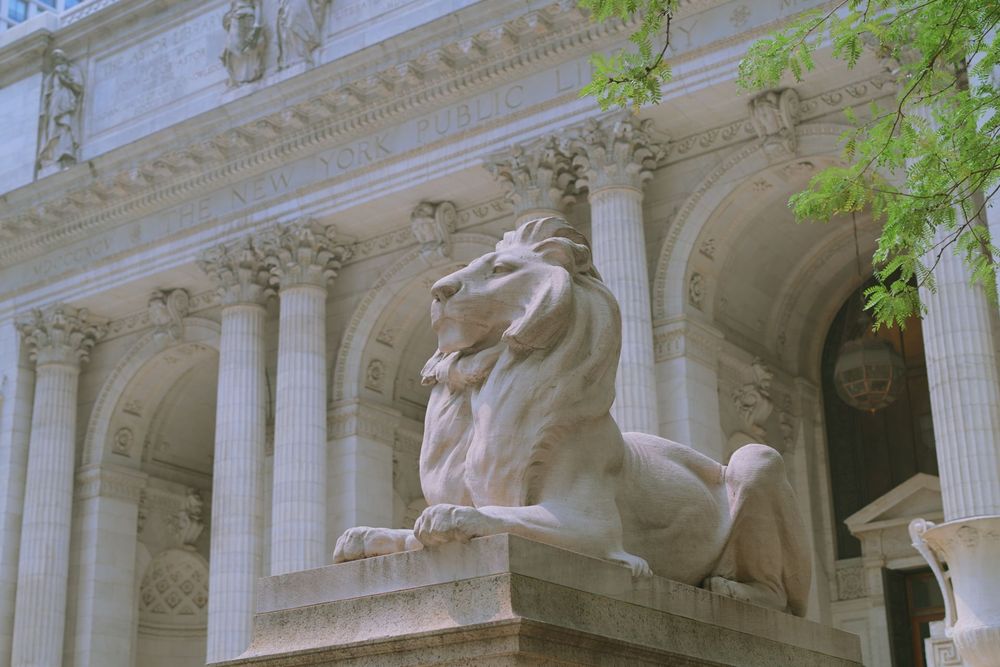
Cover photograph: Marble lion in front of the New York Public Library facade — Victor Zhang, Pexels License. Archive photograph; it does not document current access arrangements.
Frequently Asked Questions
Can tourists visit the New York Public Library?
Yes. The Schwarzman Building has public visitor spaces and exhibitions. It is also a working research library, so follow the current rules for reading rooms and any tour-only areas.
Can I walk into the Rose Main Reading Room whenever the building is open?
Do not assume so. Check NYPL’s current visitor and tour arrangements for your date. General building hours and sightseeing access to the reading room are different things.
How long should I allow for the Schwarzman Building?
Plan roughly 60–90 minutes for public architecture and an exhibition, or about 2 hours for a tour plus independent browsing. These are suggested planning budgets, not official visit lengths.
Is there a step-free entrance?
The Visitor Center identifies an accessible entrance at 10 West 42nd Street and elevators inside. Check with the library in advance if you need particular assistance or tour accommodations.

Keep Exploring
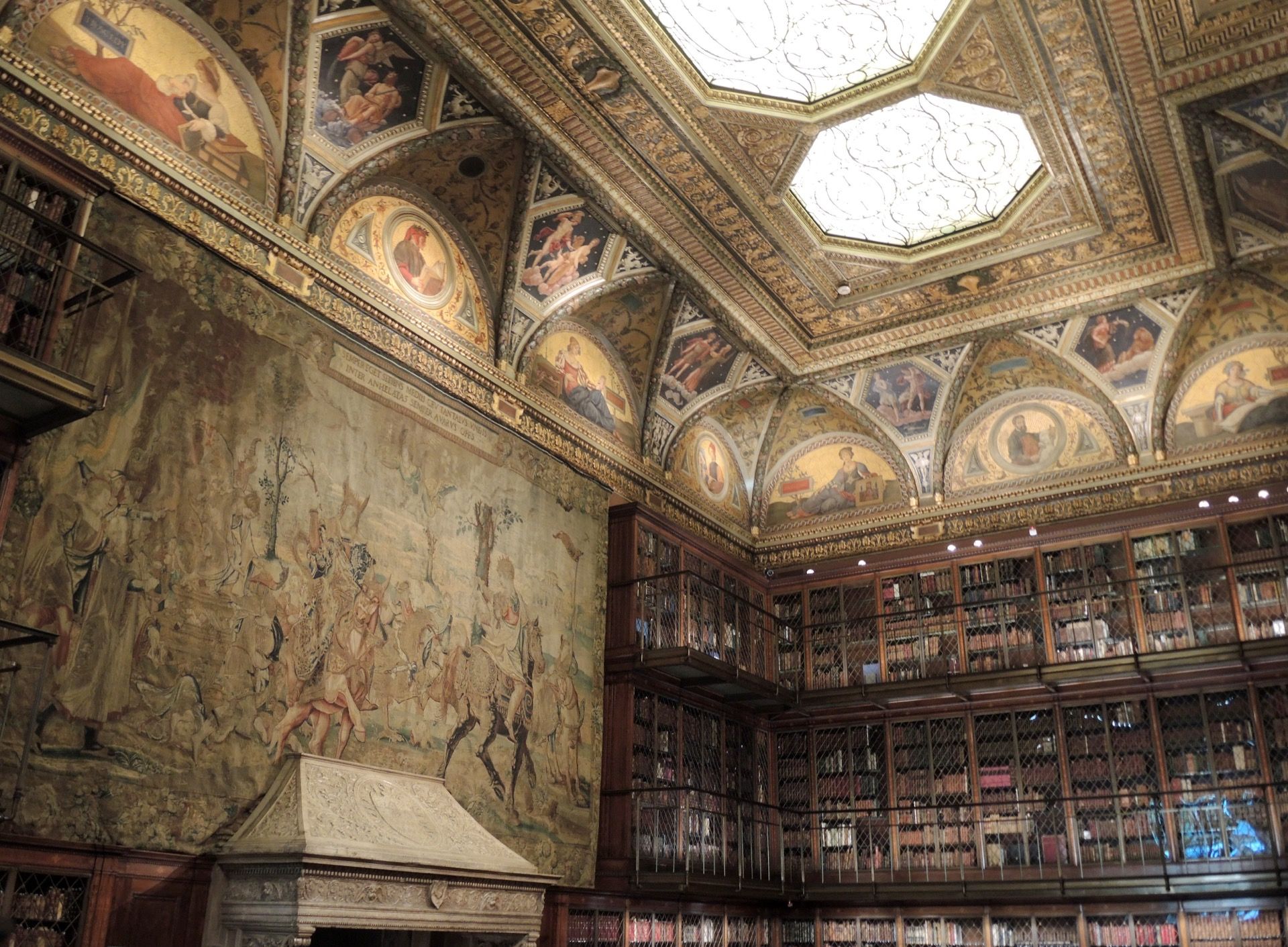
Morgan Library New York: Choose Your Visit
Visit the Morgan Library in New York: historic rooms, exhibitions, free Friday reservations, library-only hours, tickets and seasonal garden access.
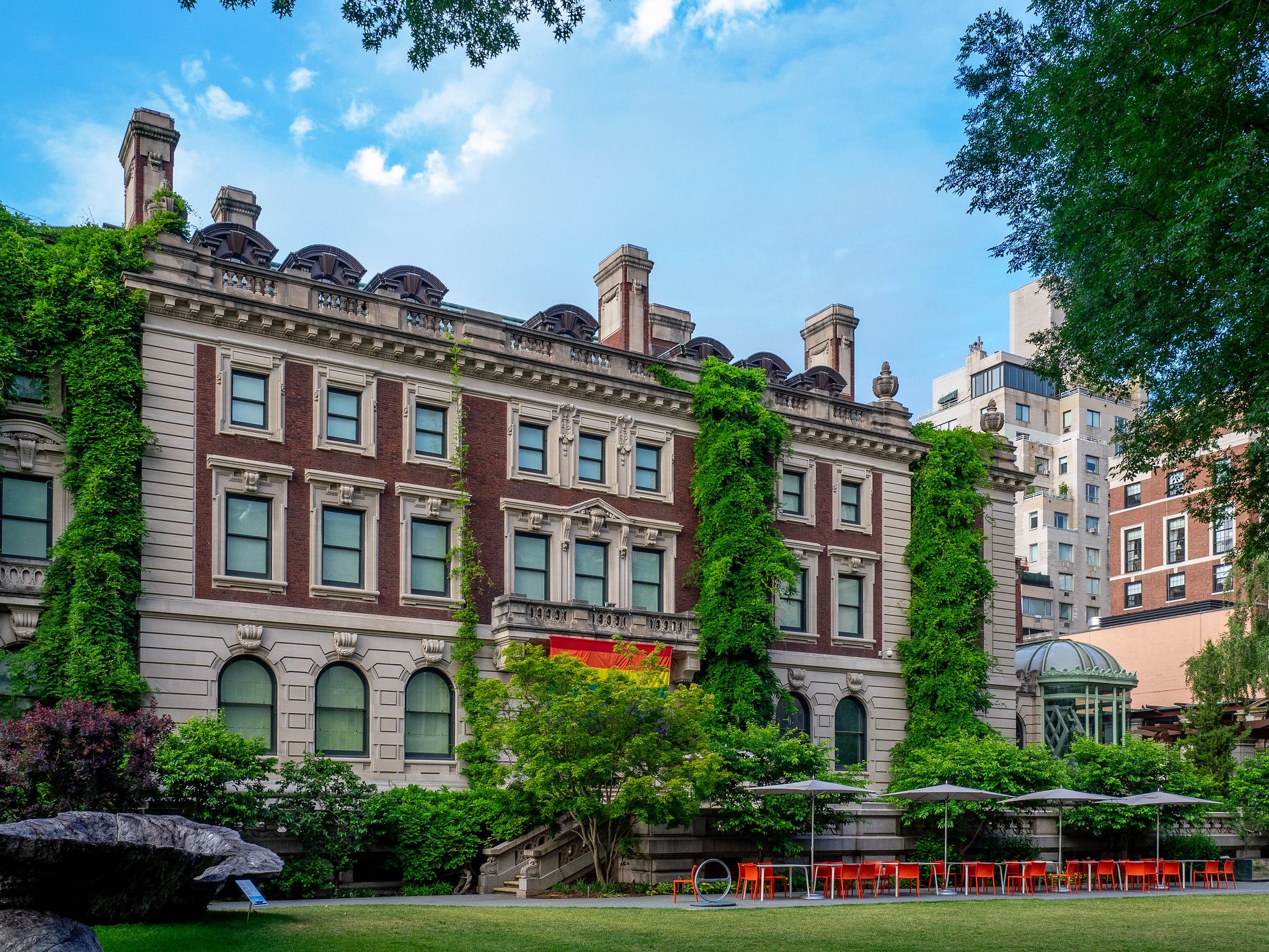
Cooper Hewitt: Plan Your New York Design Visit
Plan Cooper Hewitt in New York: design galleries, Carnegie Mansion, tickets, the November rotation, garden access and a realistic two-hour visit.
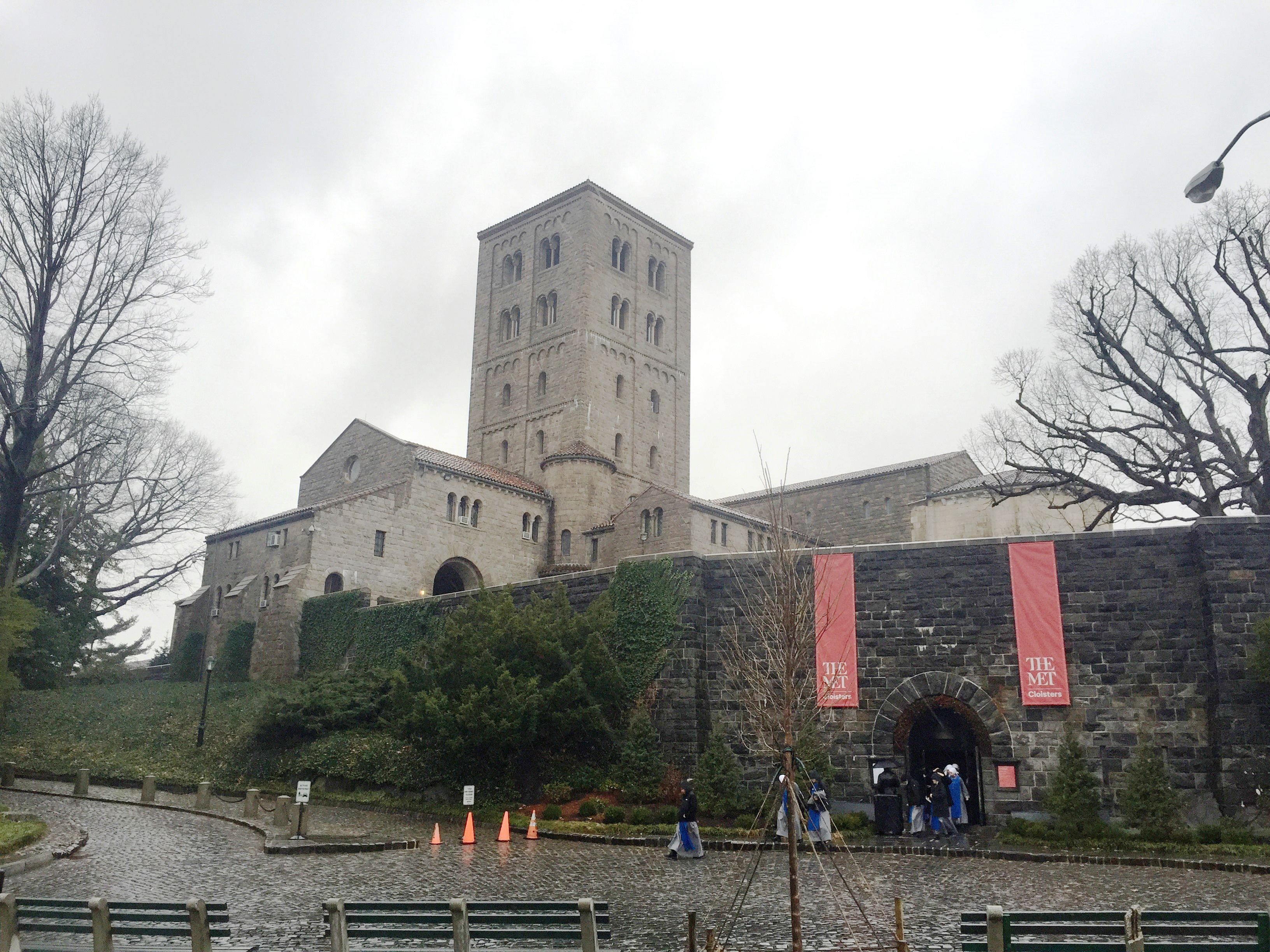
The Met Cloisters: Plan Your New York Visit
Choose tapestries, gardens and medieval architecture at the Met Cloisters, with current hours, shared admission and step-free arrival advice.