
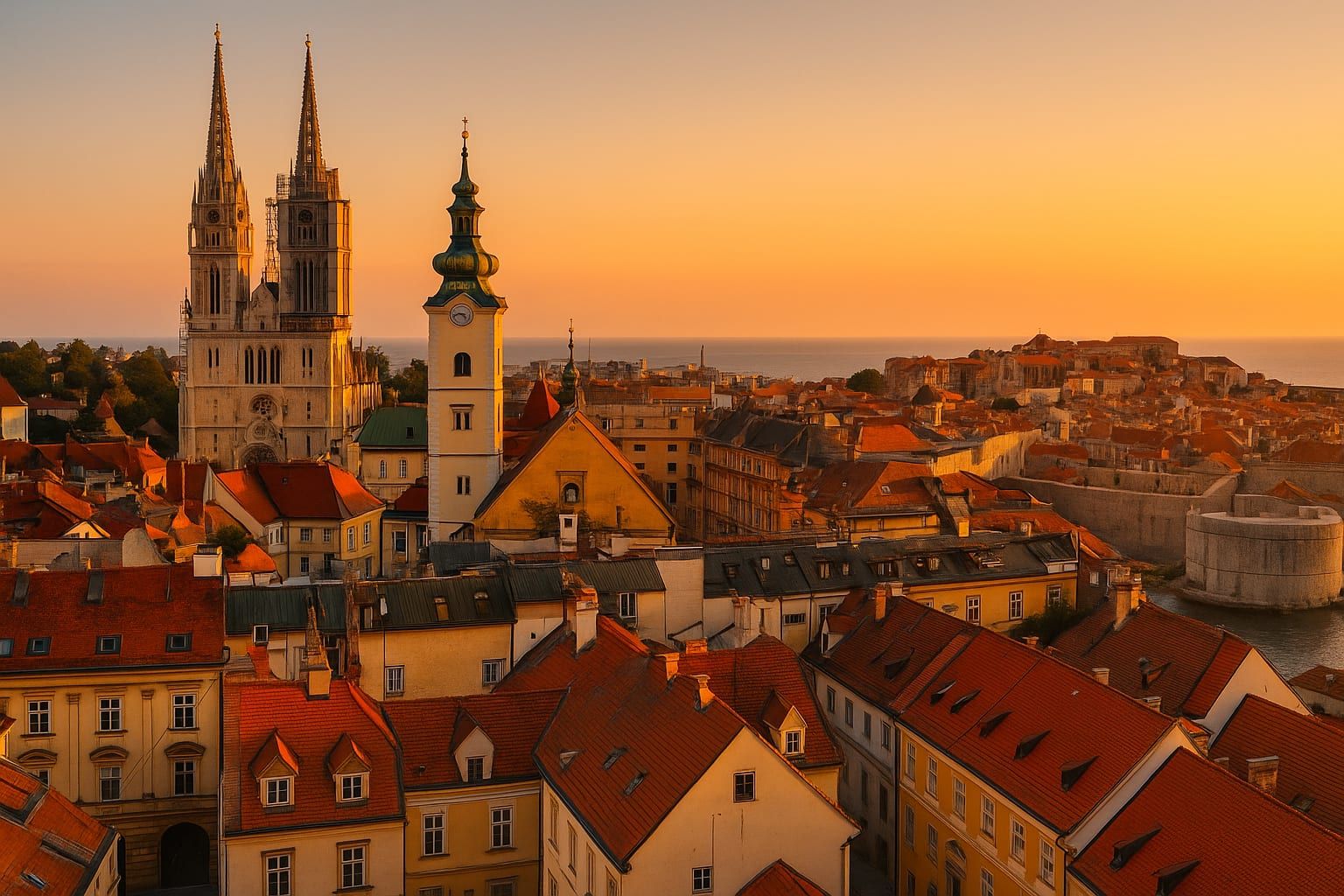
A well-paced 7-day route from Zagreb to Dubrovnik: city culture, Plitvice’s waterfalls, Dalmatian coast highlights, island time and local tips for getting the most from Croatia.
One Week in Croatia: Zagreb to Dubrovnik
Croatia rewards a week-long visit with a rich mix of capital-city culture, UNESCO nature, sun-drenched Dalmatian towns and unforgettable coastline. This itinerary is paced to let you taste Zagreb’s café life, hike the Plitvice Lakes, savour Split’s Roman heritage and finish with the cinematic beauty of Dubrovnik — with options to add an island stop or Krka’s waterfalls if you prefer sea to lakes.
Below you’ll find a day-by-day plan, practical logistics, local food notes and tips to save time and money while getting the most authentic experience.
Quick overview: the plan at a glance
- Day 1: Arrive in Zagreb — settle in, explore the Upper Town and café scene.
- Day 2: Day trip to Ljubljana & Lake Bled (option) or deeper Zagreb sightseeing.
- Day 3: Zagreb morning, drive/bus to Plitvice Lakes — overnight near the park.
- Day 4: Plitvice in the morning, continue to Split (afternoon/evening).
- Day 5: Split: Diocletian’s Palace, Riva, or short trip to Trogir/Krka.
- Day 6: Island hop (Hvar/Brac) or relax; night bus/ferry to Dubrovnik / drive down the coast.
- Day 7: Dubrovnik: city walls, Old Town, Lokrum or nearby Ston — depart or stay an extra night.
This is flexible: if you prefer the sea, swap Plitvice for Krka National Park and more island time. For first-timers who love lakes, keep Plitvice — it’s iconic.
Day-by-day itinerary
Day 1 — Zagreb: warm-up and coffee culture
Arrive in Zagreb and take it easy. Croatia’s capital is compact and friendly, with two distinct cores: the medieval Upper Town (Gornji Grad) and the bustling Lower Town (Donji Grad). Spend your first afternoon wandering stone lanes, visiting St. Mark’s Church and the quirky Museum of Broken Relationships if you have time.
Local insight: Zagrebers take their coffee seriously. Sit at an outdoor table, people-watch and sample a štrukli (cheese pastry) at a traditional kafana.
Where to eat: Try a konoba (local tavern) for simple grilled meats and seasonal vegetables.
Day 2 — Ljubljana & Lake Bled day trip (optional)
If you want to add a neighboring-country highlight without changing base, Ljubljana and Lake Bled (Slovenia) are doable as a long day trip from Zagreb. Trains and buses connect the cities; guided day trips are plentiful.
Why do this: Ljubljana’s charming old town and Bled’s emerald lake + island church are postcard-perfect and give a refreshing contrast to Croatia’s Adriatic focus. If you’d rather stay in Croatia, use the day to explore Zagreb’s museums and markets.
Further reading: For more on Bled and Ljubljana, see our guide to Ljubljana & Lake Bled: A Perfect 4-Day Escape.
Day 3 — Zagreb to Plitvice Lakes
Drive or take an early bus to Plitvice Lakes National Park (about 2–2.5 hours by car). Arrive mid-morning and hike the wooden boardwalks that traverse turquoise lakes and impressive cascades. The park can be large, so pick one of the main routes (A, B, C etc.) that match your energy level.
Tip: Buy timed-entry tickets in advance for summer months. Arrive early or late afternoon for softer light and fewer crowds.
Overnight near the park so you can enjoy a quiet pre- or post-park evening.
Further reading: Our full visitor guide to the park is useful: Plitvice Lakes, Croatia: Complete Visitor Guide.
Day 4 — Plitvice to Split
Spend the morning on any paths you missed, then head south toward Split (roughly 3–4 hours drive). Coastal views begin to appear as you descend to Dalmatia. Arrive in Split in the late afternoon — the Old Town around Diocletian’s Palace is compact and best explored on foot.
Highlights: Walk the palace cellars, climb the bell tower for a view over terra-cotta roofs and dine on fresh seafood along the Riva (seafront promenade).
Local insight: Split is a lively mixture of ancient and modern. Locals often escape to nearby beaches (Bacvice and Znjan) to take a dip after work — follow their lead if the weather’s good.
Day 5 — Split or nearby attractions
Option A: Spend a relaxed day in Split — wander the markets, take a cooking class, or find a café in the winding streets.
Option B: Day trip to Krka National Park (famous for swim-friendly waterfalls) or Trogir, a tiny UNESCO town that feels suspended in time.
Option C: Take an island half-day (Brac’s Zlatni Rat or a short hop to Hvar) if you want more sea time.
Book boats early in summer; ferries and catamarans fill up.
Day 6 — Island hop or coastal drive to Dubrovnik
If islands tempt you, take an early ferry from Split to Hvar or Brač and return in the evening or spend the day and then continue south. Alternatively, start the scenic coastal journey to Dubrovnik — by car or comfortable long-distance bus — stopping in Makarska or Ston (famous for oysters and its medieval walls).
Note: Driving the coast can take longer than map time suggests due to winding roads and traffic in summer. Consider an overnight in Ston if you love shellfish and want to visit the longest defensive walls in Europe.
Day 7 — Dubrovnik: the finale
Wake up in Dubrovnik and enter the Old Town early to walk the city walls with the morning light and thinner crowds. Explore limestone streets, Rector’s Palace and the lively markets. If time allows, take the short ferry to Lokrum Island for a swim and a short nature walk.
Local insight: Dubrovnik is a compact, intense experience — arrive early. If you’re a Game of Thrones fan, there are many filming locations, but give yourself room to appreciate the non-TV history too.
If your flight is late, leave time for the cable car to Mount Srđ for sunset views over the city and Elaphiti islands.
Practical tips and local advice
Getting around
- Trains: Good for Zagreb and some regional links, but limited along the coast.
- Buses: The backbone of long-distance travel. Comfortable, frequent and cost-effective (companies include FlixBus and local operators).
- Car hire: Offers maximum flexibility for Plitvice and coastal drives. Expect tolls on highways; parking in old towns is limited and sometimes expensive.
- Ferries: Jadrolinija and faster catamarans link Split–Hvar–Korčula–Dubrovnik in summer. Book ahead in July–August.
Timing: Distances are deceptively large on the Dalmatian coast; plan travel mornings or late afternoons to avoid the worst heat and traffic.
Money, cards and costs
- Currency: Euro (EUR) since 2023. Cards are accepted widely; carry small cash for island kiosks or market stalls.
- Tipping: 5–10% is normal in restaurants if service is not included.
- Budgeting: Split and Dubrovnik are pricier than inland Croatia. Entrance fees (Plitvice, Dubrovnik city walls) can add up — book online early for the best slots.
Connectivity and language
- Wi‑Fi: Readily available in hotels and cafes. Buy a local SIM (e.g., Hrvatski Telekom, A1) for longer stays.
- Language: Croatian is the official language; English is widely spoken in tourist areas.
Safety and health
- Safe: Croatia is very safe for travellers. Usual precautions apply (watch belongings in crowded Old Town streets).
- Tap water: Generally safe on the mainland; bottled water is often recommended on smaller islands.
- Emergency number: 112.
When to go
- Best months: May–June and September (pleasant weather, fewer crowds). July–August are lively but crowded and hot.
- Shoulder seasons: Late spring offers wildflowers and warm sea; autumn gives softer light and lower prices.
Food, drink and local customs
Croatian cuisine has regional flavours. In the north (Zagreb), try hearty dishes and pastries like štrukli. Along the coast, seafood rules — black risotto (crni rižot), grilled fish, and buzara (shellfish stew) are musts.
Local specialties: peka (slow-cooked meat/vegetables under a bell), pašticada (Dalmatian beef stew), prosciutto and Pag cheese, and plentiful olive oil.
Wine: Croatia has native varieties (e.g., Dingač, Plavac Mali). Dalmatian reds pair perfectly with grilled meats and island cuisine.
Coffee culture: A leisurely espresso at a corner café is a local ritual — don’t rush it.
Where to stay (suggestions by stop)
- Zagreb: Stay near the Lower Town for cafés and easy walking access to museums and parks.
- Plitvice: Guesthouses and small hotels near Entrance 1/2 make early access easier.
- Split: Old Town for atmosphere; Bacvice / Žnjan for beaches and a more local rhythm.
- Dubrovnik: Inside or just outside the Old Town for convenience; consider a hillside guesthouse for panoramic views.
Packing essentials
- Comfortable walking shoes (cobblestones and boardwalks).
- Lightweight layers — coastal evenings can be cooler than midday.
- Swimwear, reef-safe sunscreen and a microfiber towel.
- A reusable water bottle and power adapter (230V, Euro plug).
Alternative variations
- Skip Zagreb for a coast-only itinerary: fly into Split and focus on islands, Krka and Dubrovnik.
- If you have more time: add Mostar (Bosnia & Herzegovina) or Montenegro’s Bay of Kotor for a Balkan extension.
Final tips to make your week smoother
- Book Plitvice and Dubrovnik wall tickets online in high season to secure ideal time slots.
- Reserve ferries and island accommodation in advance for July–August.
- Eat where locals eat — konobas and family-run restaurants offer better value and authenticity.
- Embrace slow moments: half the charm of Croatia is sitting by the sea with a glass of wine and watching the light change.
Wrap up your week with a sunset in Dubrovnik or a last swim off an island beach. In seven days you’ll see striking contrasts: continental capital energy, mountain-fed lakes, and the shimmering Adriatic — all within easy reach and unforgettable.
For more on planning a nature-focused stop, see our complete guide to Plitvice Lakes. If you’re tempted by a cross-border day trip to Slovenia, our Ljubljana & Lake Bled piece will help you choose what to prioritise. And if Dubrovnik is your main draw, check out 48 Hours in Dubrovnik: Beyond the Walls for deeper inspiration on finishing your trip in style.
Safe travels — and don’t forget to leave room in your suitcase for olive oil and a bottle of Croatian wine.
Related
Frequently Asked Questions
Is one week enough to see Croatia from Zagreb to Dubrovnik?
Yes, one week is enough to experience Croatia's highlights along this route. A seven-day plan lets you enjoy Zagreb's café culture, hike the Plitvice Lakes, explore Split's Diocletian's Palace and finish in Dubrovnik's Old Town. The itinerary is flexible, so you can swap Plitvice for Krka National Park or add an island stop like Hvar or Brac.
What is the best time to visit Croatia?
The best months to visit Croatia are May to June and September, offering pleasant weather and fewer crowds. July and August are lively but hot and crowded. Late spring brings wildflowers and a warm sea, while autumn gives softer light and lower prices. In high season, book Plitvice and Dubrovnik wall tickets and ferries well in advance.
How do you travel between cities in Croatia?
Buses are the backbone of long-distance travel in Croatia, being comfortable, frequent and cost-effective, with operators like FlixBus. Trains work well around Zagreb but are limited along the coast. Car hire offers flexibility for Plitvice and coastal drives, though tolls and old-town parking add up. Ferries and catamarans link Split, Hvar, Korcula and Dubrovnik in summer.
Is Croatia expensive to visit?
Croatia's costs vary by region, with Split and Dubrovnik noticeably pricier than inland areas. The currency is the euro, and cards are accepted widely, though small cash helps at island kiosks and markets. Entrance fees for Plitvice and Dubrovnik's city walls can add up, so booking online early secures the best slots and value. Tipping 5 to 10% is normal.
Is Croatia safe for travelers?
Yes, Croatia is very safe for travelers, with only usual precautions needed, such as watching your belongings in crowded Old Town streets. Tap water is generally safe on the mainland, though bottled water is often recommended on smaller islands. English is widely spoken in tourist areas, and the emergency number is 112. Wi-Fi is readily available in hotels and cafés.
Keep Exploring
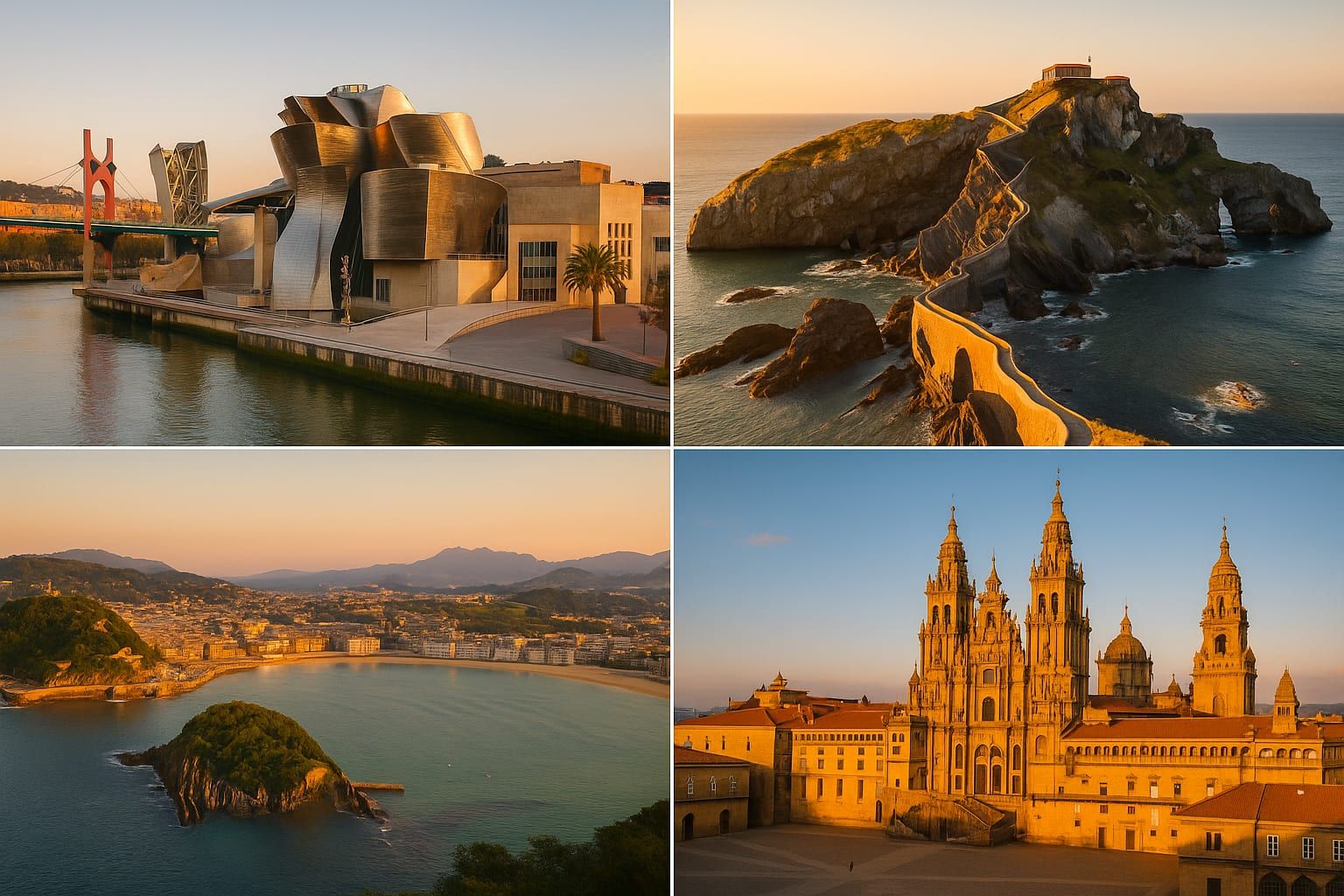
One Week in Northern Spain: Basque to Galicia
A seven-day road trip from Bilbao to Santiago de Compostela. Follow a coastal route through the Basque Country, Cantabria, Asturias and Galicia with food tips, sights and practical advice.
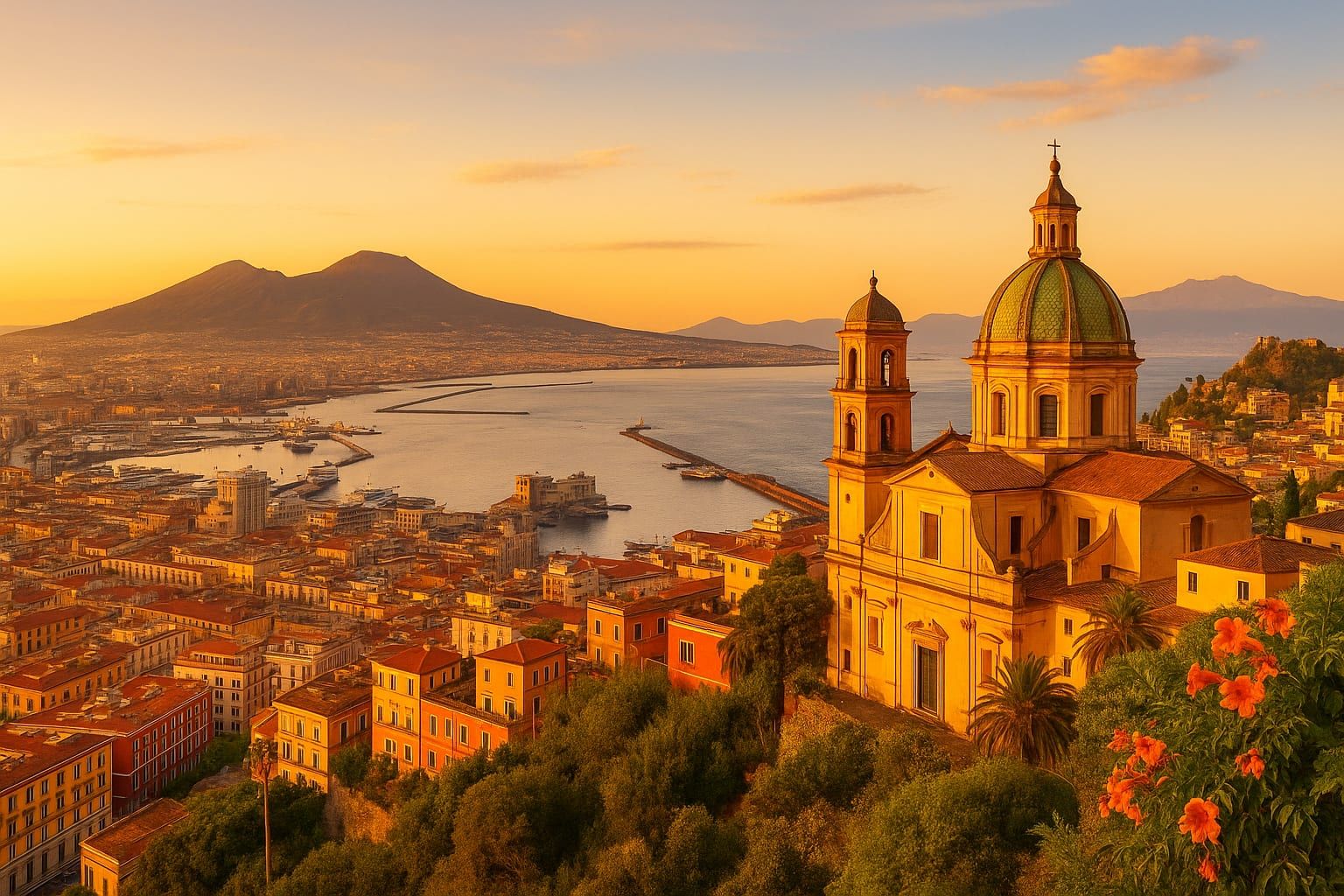
One Week in Southern Italy: Naples to Sicily
A compact 7-day Southern Italy itinerary from Naples to Catania with daily plans, transport options, food highlights and local tips to make the most of Naples, Amalfi, Matera and Sicily.
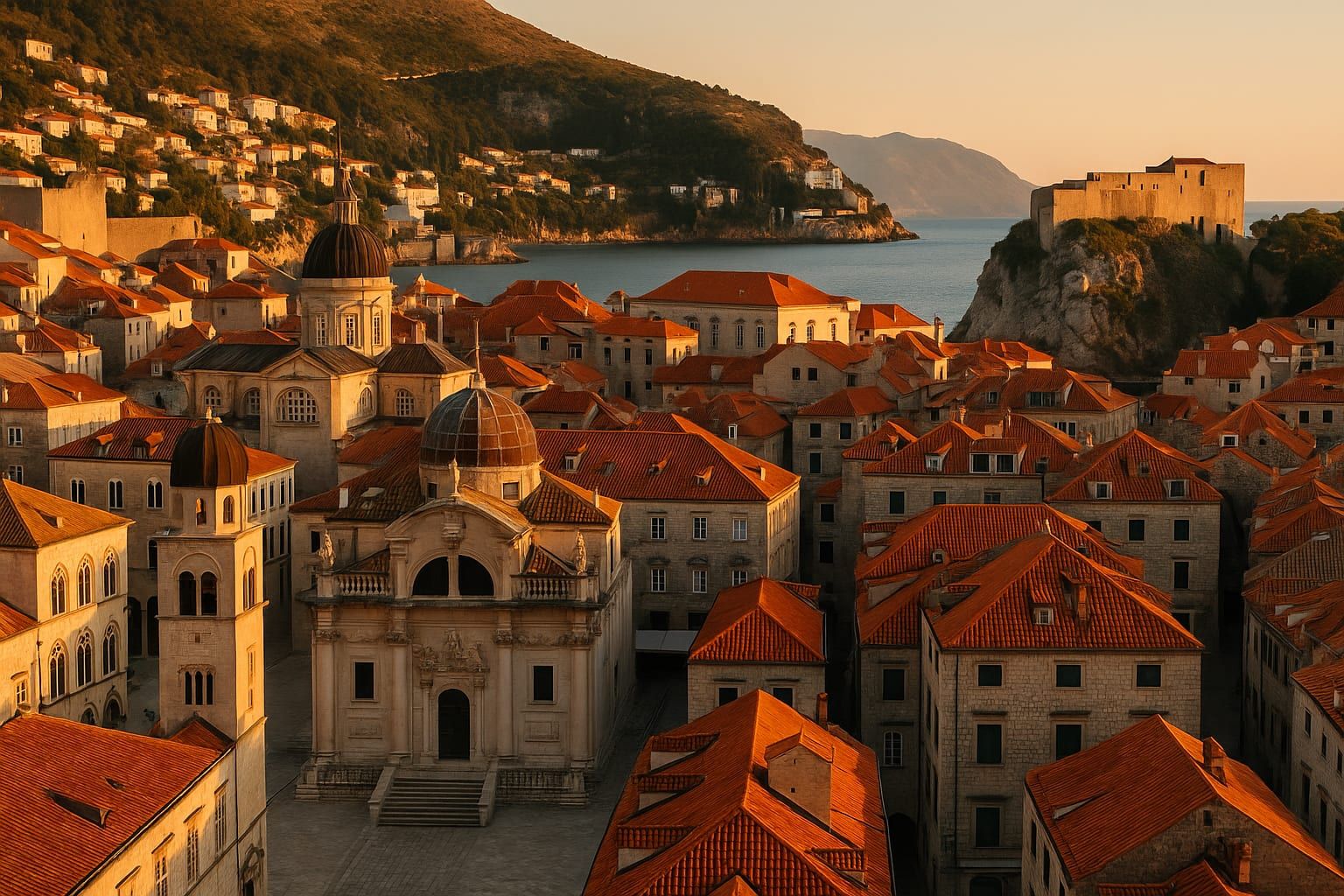
48 Hours in Dubrovnik: Beyond the Walls
A practical, local-led 48-hour guide to Dubrovnik that goes beyond the Old Town walls — beaches, islands, mountaintop views, food, and tips to beat the crowds.