
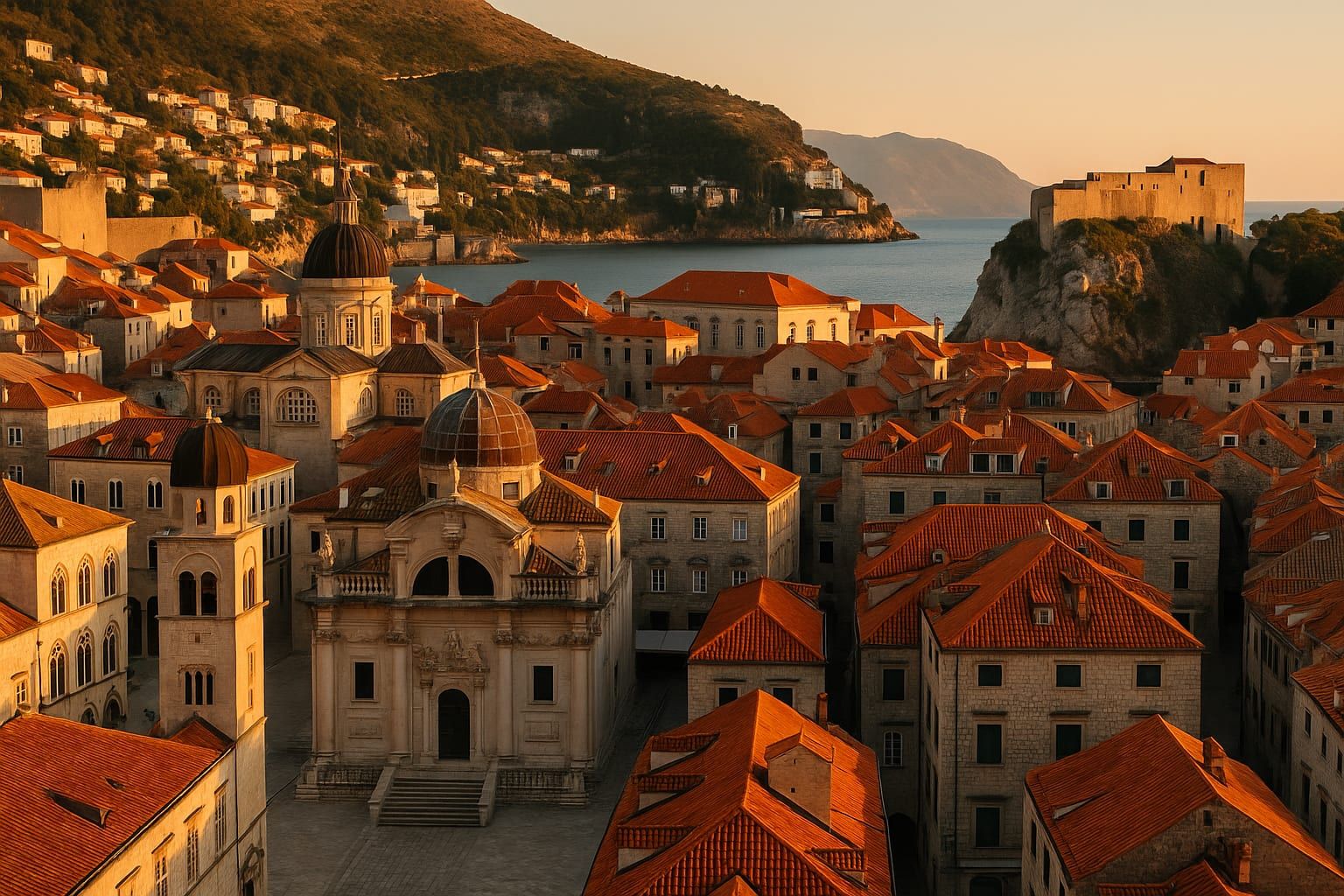
A practical, local-led 48-hour guide to Dubrovnik that goes beyond the Old Town walls — beaches, islands, mountaintop views, food, and tips to beat the crowds.
Dubrovnik’s Old Town is famously cinematic — its limestone streets, terracotta roofs and medieval walls draw crowds for good reason. But with only 48 hours, the smartest plan is to blend the must-sees inside the walls with time exploring the coastline, islands and viewpoints that give the city its breath-taking edges. This guide lays out a balanced two-day itinerary, local insights, and practical tips so you leave with the city’s vibe, not just its photo op.
Why plan beyond the walls?
Yes, walk the City Walls and stroll the Stradun. But Dubrovnik’s best memories often come from cliffside bars, empty coves, island gardens and the hilltop sunset that puts the whole Old Town backlit like a postcard. Going beyond the walls also means cooler temperatures, fewer crowds, and encounters with local life — fishermen, bakers and kayakers who make this coast feel lived-in.
Quick practical snapshot
- Currency: Euro (EUR). Card widely accepted; have small cash for tiny konobas and market stalls.
- Language: Croatian (English widely spoken in tourism areas).
- Best seasons: May–June and September–early October (warm, fewer crowds). July–August are busiest.
- Arrival: Dubrovnik Airport (Čilipi) is ~20 km from Old Town. Airport shuttles, taxis and private transfers available.
- Mobility: Old Town is pedestrian-only with cobbled streets; bring sturdy, non-slip shoes.
- Water: Tap water in Dubrovnik is generally safe; carry a refill bottle — fountains are limited but cafés will refill.
Day 1 — Old Town essentials and the cliffside escapes
Morning: Beat the crowds on the walls
Start at first light. The City Walls open early; taking the circuit at 7–8am is the best way to enjoy views without elbowing for space. Walk clockwise from Pile Gate to Ploče Gate for the most dramatic panorama of the Old Port, Lokrum and the Elafiti chain. Bring sunscreen, a hat and water — the stone reflects heat.
Local tip: The walls are busiest between 10:00–16:00. If you can only pick one time, early morning is worth it for photos and peace.
Mid-morning: Stradun, local coffee, and short detours
After the walls, descend into the Stradun for a slow coffee and a burek or pastry at an old bakery. Walk side streets like Prijeko and explore the Rector’s Palace and the Sponza Palace courtyards (short visits if you’re pressed for time).
Insider note: Skip the most touristy seafood restaurants on the main waterfront at lunchtime; wander a few streets inland to find family-run konobas serving fresh-caught fish and black risotto.
Afternoon: Buža Bar and Banje cliff time
Head to Buža Bar — a hidden cliffside spot accessed through small doorways along the southern wall. It’s perfect for a cold beer and cliffside views of the Adriatic. If you prefer a beach, walk to Banje Beach (east of the Old Town) for a swim or rent a sunbed.
Local tip: Buža is small and popular for sunset. If you want quieter swimming, ask locals about Sveti Jakov beach (a 20-minute walk east, with stairs down) for clear water and fewer loungers.
Evening: Sunset on Mount Srđ
Take the Dubrovnik cable car or drive up to Mount Srđ for sunset. The panorama of the Old Town at golden hour is unforgettable — then descend for dinner.
Dining suggestion: Look for a konoba (tavern) serving peka (slow-cooked meat/seafood under a bell) and Dalmatian wines. Ask for a local white like Pošip or Grk on the menu.
Practical tip: Cable car lines swell at sunset; if you want the top without a queue, go up a bit earlier and stay for the sunset.
Day 2 — Islands, sea and coastal neighbourhoods
Morning: Lokrum or Elafiti islands
Option A — Lokrum (quick, classic): A five- to ten-minute ferry from the Old Port, Lokrum’s botanical gardens, salt lake (the “Mrtvo More”) and ruined Benedictine monastery are perfect for a half-day visit. It’s an easy nature escape and a good place to picnic.
Option B — The Elafiti Islands (bigger adventure): Book a half- or full-day boat trip to the Elafitis — Koločep, Lopud and Šipan. These islands have sandy beaches, shaded pine groves and small coastal villages. It’s a step away from the Old Town bustle and a great chance to snorkel.
Local tip: Ferries to Lokrum run regularly; for Elafiti trips, opt for an early departure to maximise beach time.
Afternoon: Kayak, snorkel or wander Gruž
If you return early, rent a sea kayak and paddle around the city walls (guided tours depart from the harbour). Alternatively, explore Gruž — Dubrovnik’s working port. You’ll find fish markets, cafés with locals, and fewer tourists.
Insider suggestion: Try the grilled fish and blitva (Dalmatian spinach and potato dish) in a port-side konoba. It’s hearty, fresh and properly local.
Late afternoon: Lapad peninsula for relaxed seaside vibes
Take bus 4 or a short taxi to Lapad Bay. This area is popular with residents for its seaside promenade, small beaches and an easygoing dining scene. Walk the Lapad waterfront at golden hour; it’s a calm contrast to the Old Town.
Local tip: For ice cream, try small gelaterias on the Lapad promenade — locals favour them over the tourist stands.
Evening: Nightlife and quiet corners
If you want nightlife, the Old Town has bars and clubs, and there are summer concerts during festival season. Otherwise, enjoy a quiet dinner away from the Stradun — neighbourhood spots in Ploče or Sustjepan serve excellent seafood and a relaxed vibe.
Tipping: Round up or leave 5–10% for good service. Larger groups or a big meal may warrant a slightly larger gratuity.
Alternatives and day-trip ideas
- Mostar (Bosnia & Herzegovina): A longer day trip (2–3 hours each way by road) to see the Ottoman-era Stari Most bridge and lively bazaar. If you have time and interest in recent Balkans history and cross-border culture, it’s doable. See more on nearby regional routes in our road-trip roundup: /en/hidden-gems/balkans-road-trip-slovenia-to-montenegro.
- If you’re cruising or have extra days, consider the stunning waterfalls of Plitvice Lakes inland — an unforgettable contrast to the coast: /en/nature-outdoors/plitvice-lakes-croatia-complete-visitor-guide.
Food and drink — what to order
- Black risotto (crni rižot): squid ink risotto, rich and local.
- Peka: Slow-cooked meat or octopus under a metal dome with embers — order ahead if the konoba requires it.
- Fresh grilled fish: Often caught that morning; ask what’s daily special.
- Pašticada with gnocchi: A Dalmatian braised beef dish, slower to find but worth trying.
- Local sweets: Rozata (custard dessert) and figs make great finishes.
- Drink: Dalmatian wines, especially white Pošip and reds from nearby Pelješac; try a small glass of rakija for a digestif.
Local tip: If a place offers “riba dana” (fish of the day), it’s usually the freshest option.
Money, safety and practicalities
- Cards and ATMs: Cards are widely accepted. ATMs are common in the Old Town and Gruž; be aware of dynamic currency conversion — choose EUR charge in your home currency only if convenient.
- Safety: Dubrovnik is safe for solo travellers and families. Watch your belongings in crowded spots. Stairs and cobbles can be slippery after rain.
- Crowds: Avoid mid-day City Walls and Stradun in high season. Early morning or late afternoon are best.
- Parking and driving: Driving into the Old Town is restricted; if you rent a car, park outside and walk in. If you plan to explore the region, a car helps but ferries can be easier for islands.
Practical tips from locals
- Wake early for the walls. Sunrise shots are worth missing a late breakfast.
- Book transfers in advance during July–August and festival periods.
- Carry cash for small purchases and sea-front kiosks; not every beach vendor takes cards.
- If you’re visiting Buža Bar or other cliff bars, be mindful of narrow paths and steep edges — wear grippy shoes.
- Learn a few Croatian phrases: “hvala” (thanks), “molim” (please/you’re welcome), and “dobar dan” (good day) go a long way with owners of family-run konobas.
What to pack for 48 hours
- Comfortable walking shoes with grip.
- Light layers and sun protection (hat, sunglasses, sunscreen).
- Swimsuit and quick-dry towel for islands and beaches.
- Small daypack with water, snacks, and phone charger.
- Reusable water bottle (many cafés will refill).
One last local insight
Dubrovnik often looks like an open-air museum, and it is — but it’s also a living coastal city. The best memories come when you mix the classical sightseeing with small, local experiences: a late-afternoon swim off a quiet pebble cove, a slow lunch at a harbour-side konoba, or a walk around Gruž fish market where the day’s catch is still being cleaned. With 48 hours you can do both the iconic and the intimate — leave room in your plan for a moment that isn’t on anyone’s itinerary.
Enjoy the stones, the sea and the sunsets — and when you walk home at night, remember Dubrovnik looks different under streetlamps: quieter, softer and very local.
For wider regional ideas and road-trip inspiration from Slovenia down to Montenegro, see: /en/hidden-gems/balkans-road-trip-slovenia-to-montenegro. To turn these 48 hours into a fuller trip, see how the city caps a one-week Croatia route from Zagreb to Dubrovnik. If you’re planning a longer Croatian trip and want inland waterfalls and lakes, don’t miss: /en/nature-outdoors/plitvice-lakes-croatia-complete-visitor-guide.
Frequently Asked Questions
Planning more European escapes? Compare the best European city breaks for a weekend to pick your next trip.
Frequently Asked Questions
How many days do you need in Dubrovnik?
Two days is enough to experience Dubrovnik well. With 48 hours you can blend the must-sees inside the City Walls with the coastline, islands and viewpoints beyond them. A balanced plan covers Old Town essentials, cliffside escapes and a Mount Srd sunset on day one, then islands like Lokrum or the Elafitis and coastal neighbourhoods on day two.
What is the best time to visit Dubrovnik?
The best times to visit Dubrovnik are May to June and September to early October, when the weather is warm but there are fewer crowds. July and August are the busiest months. If visiting in high season, plan transfers in advance and avoid the City Walls and Stradun at midday, since early morning or late afternoon are far more pleasant.
Is the Dubrovnik City Walls walk worth it?
Yes, walking the City Walls is a Dubrovnik highlight, offering dramatic panoramas of the Old Port, Lokrum and the Elafiti islands. Start at first light, around 7 to 8am, to enjoy the views without crowds, since the walls get busiest between 10:00 and 16:00. Walk clockwise from Pile Gate to Ploce Gate, and bring sunscreen, a hat and water.
What food should you try in Dubrovnik?
In Dubrovnik, try black risotto (crni rizot, made with squid ink), peka (meat or octopus slow-cooked under a metal dome), and fresh grilled fish, often caught that morning. Other local dishes include pasticada with gnocchi and desserts like rozata. Pair meals with Dalmatian wines such as white Posip or reds from nearby Peljesac, and finish with a small glass of rakija.
What currency is used in Dubrovnik and are cards accepted?
Dubrovnik uses the Euro (EUR). Cards are widely accepted, and ATMs are common in the Old Town and Gruz. However, it is wise to carry small cash for tiny konobas, market stalls and sea-front kiosks, as not every beach vendor takes cards. When using ATMs, be aware of dynamic currency conversion and choose the EUR charge where possible.
Keep Exploring
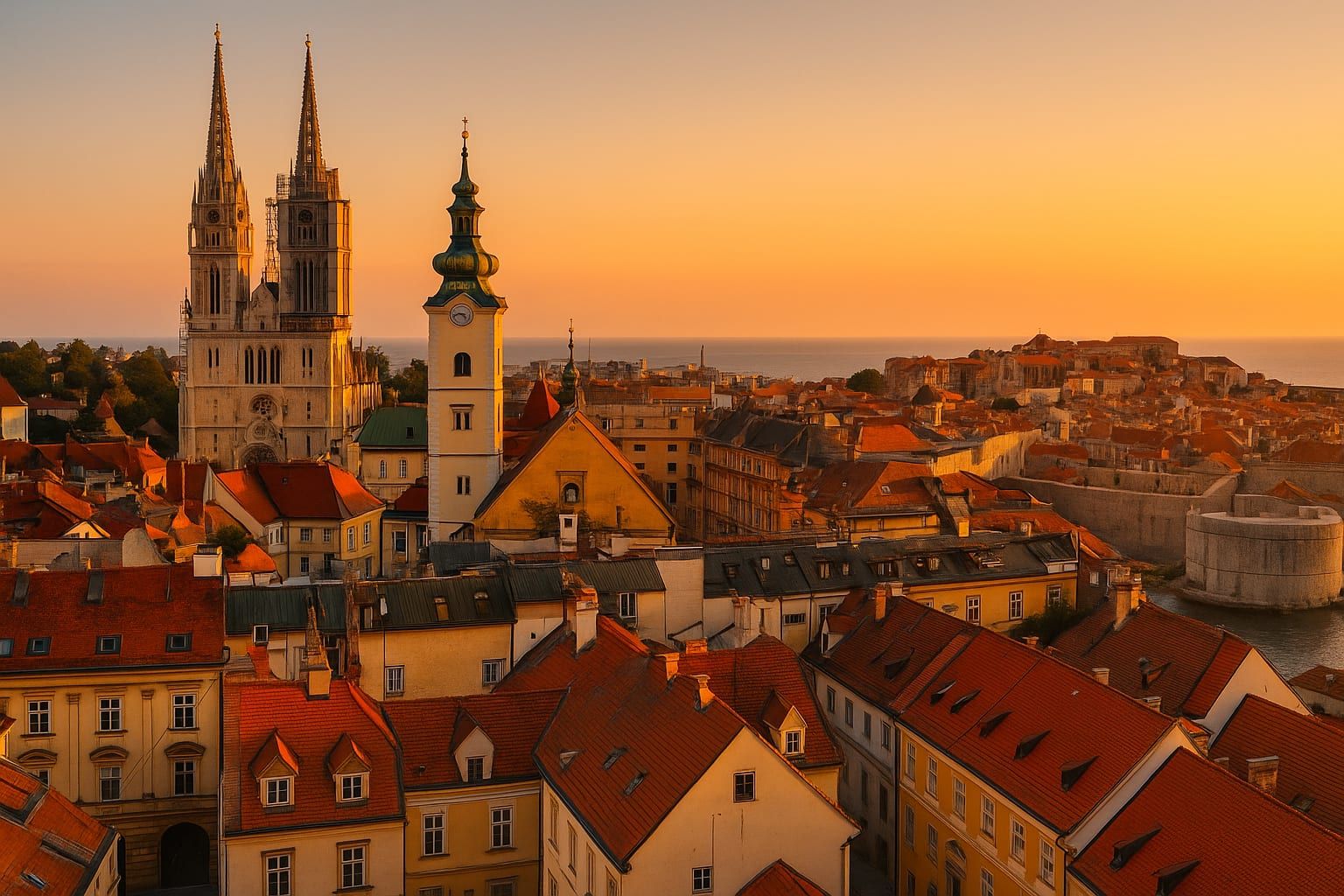
One Week in Croatia: Zagreb to Dubrovnik
A well-paced 7-day route from Zagreb to Dubrovnik: city culture, Plitvice’s waterfalls, Dalmatian coast highlights, island time and local tips for getting the most from Croatia.
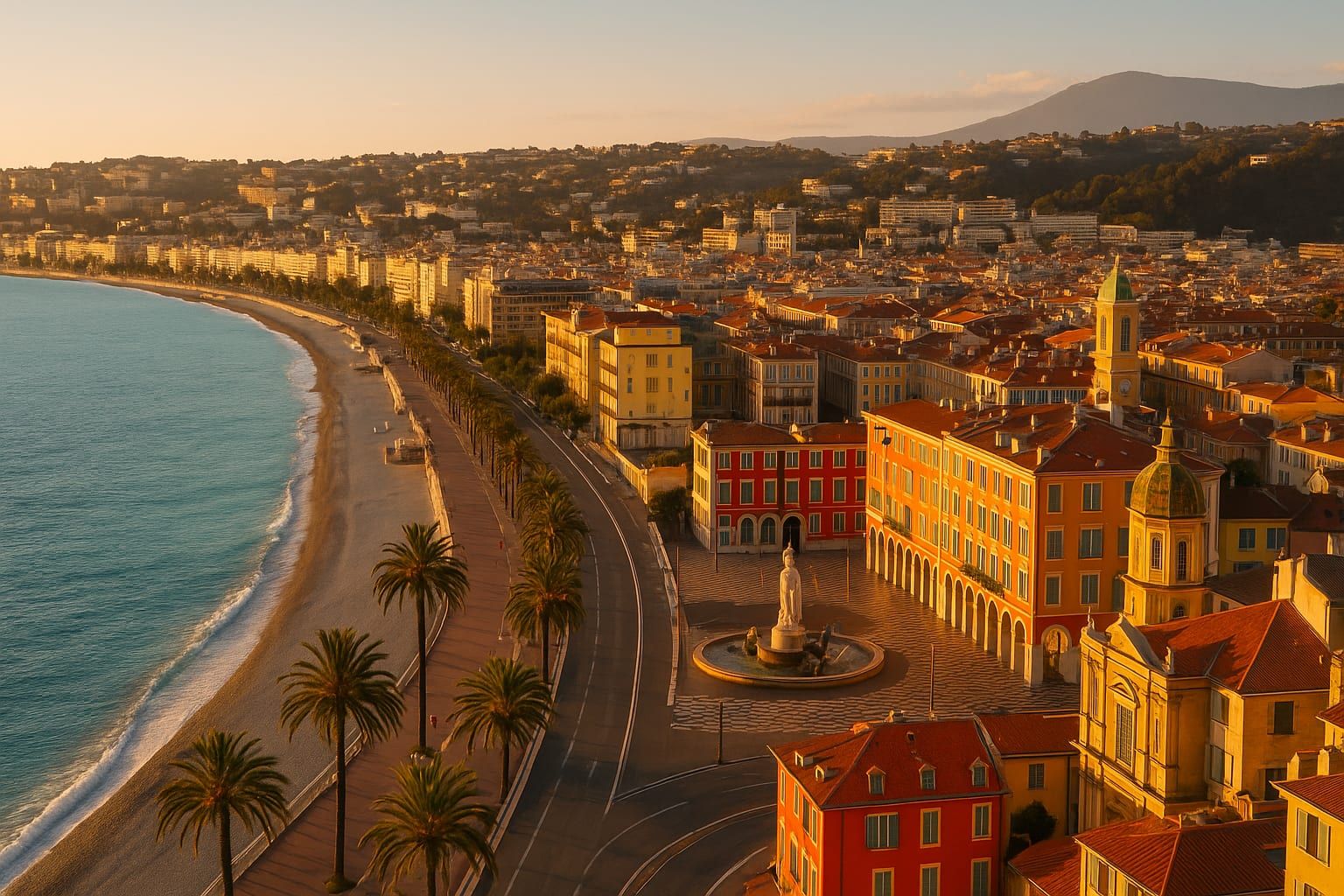
48 Hours in Nice: French Riviera Essentials
A practical, two-day guide to Nice: where to eat, what to see, how to get around, and local tips—from Old Town markets and pebble beaches to day trips along the Riviera.
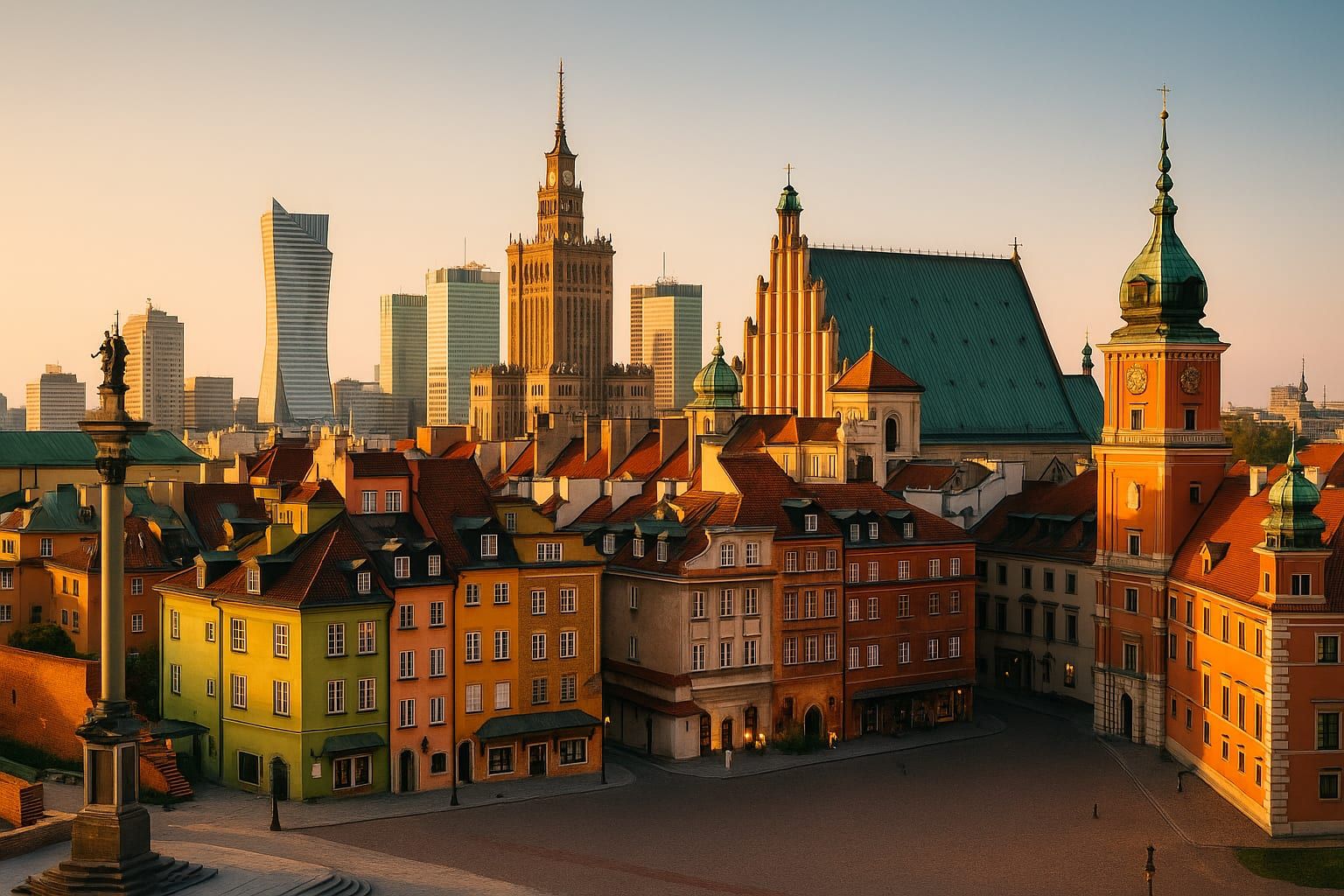
48 Hours in Warsaw: Phoenix City Rising
Two days to explore Warsaw’s resilient heart: reconstructed Old Town, world-class museums, parks, riverbanks and a buzzing food scene — practical tips and a paced 48‑hour itinerary.