
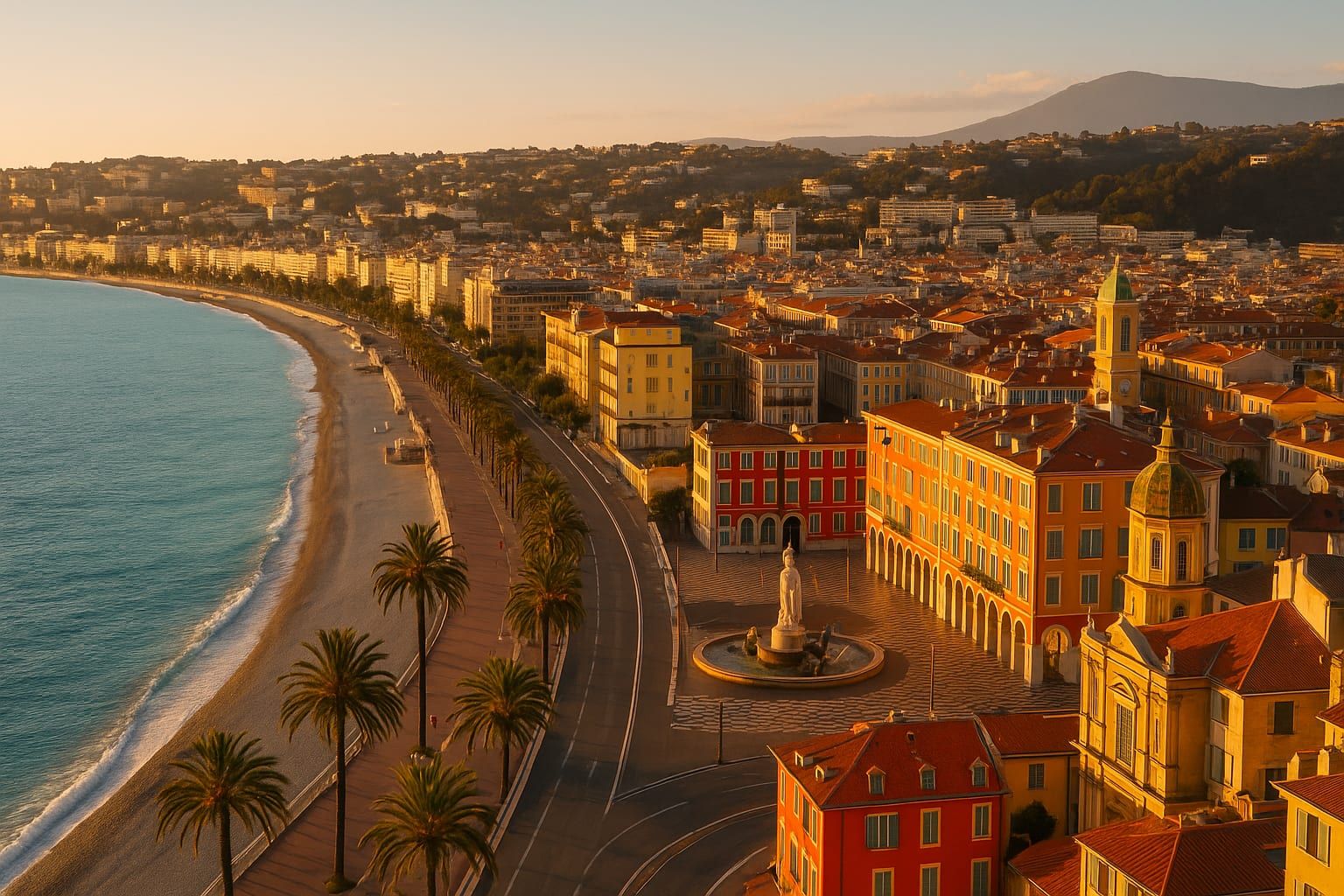
A practical, two-day guide to Nice: where to eat, what to see, how to get around, and local tips—from Old Town markets and pebble beaches to day trips along the Riviera.
Nice is the elegant, sun-drenched heart of the French Riviera: a city where Mediterranean light illuminates pastel façades, pebble beaches hum with laid-back energy, and markets brim with Provençal flavor. If you have only 48 hours, this guide distills the essentials—an efficient, local-flavored itinerary, practical tips, and a few insider tricks so your short stay feels like a true Riviera escape.
Quick practicals: arrival, getting around, best time to visit
- Arrival: Nice Côte d’Azur Airport (NCE) is 15–20 minutes from the city by tram or taxi. The Nice-Ville train station puts you on the fast line to Monaco, Cannes and inland Provence.
- Getting around: Nice is walkable. Trams, local buses and regional TER trains are reliable. Buy multi-ride passes at stations or use contactless payment on trams. Taxis and rideshares are available but can be costly during high season.
- Best time to visit: Late spring (May–June) and early autumn (September) offer warm weather, thinner crowds and better hotel rates than July–August. Winter is mild and perfect for museum-hopping and quieter cafés.
How to use this guide
Split the two days into a shore-and-city day and a culture-and-coast day. Swap activities depending on weather: save beach time for sunlit afternoons and museums for cloudier hours. Expect to walk 8–12k steps each day—Nice is compact but layered with alleys and viewpoints. If you're still deciding where to go, Nice ranks among the best European city breaks for a sunlit short trip.
Day 1 — Old Town, Promenade & Sunset on the Bay
Morning: Cours Saleya market and breakfast
Start in Vieux Nice (Old Town). The Cours Saleya market—open early—serves seasonal produce, flowers and Provençal specialties. Grab a freshly squeezed orange juice, a warm socca (a chickpea pancake the city is proud of) or a flaky croissant. The square is also where you’ll find local olive oils, tapenades and fragrant soaps.
Local tip: the flower and food market is busiest and most atmospheric before 11:00. If you want photos without crowds, arrive at opening.
Late morning: Vieux Nice lanes and the cathedral
Wander the pastel alleys of the Old Town. Peek into tiny shops selling niçois specialties: olive oil, herbes de Provence, and bitter orange marmalade. Visit Cathédrale Sainte-Réparate for its baroque interior, then climb toward the area above the port to spot murals and boulangeries off the beaten path.
Afternoon: Lunch and the Promenade des Anglais
For lunch, try a pan bagnat (Niçois sandwich) or a salade niçoise at a terrace restaurant near the seafront. Afterward, stroll the Promenade des Anglais—Nice’s iconic seaside boulevard—where locals skate, jog and roll by the azure Baie des Anges.
Beach note: Nice’s beaches are pebbled, not sandy. Public sections are free; private beach clubs rent loungers and umbrellas by the half-day or day. Bring water shoes or rent loungers for comfort.
Late afternoon: Colline du Château (Castle Hill)
Head to Castle Hill (Colline du Château) for sweeping city-and-sea panoramas. It’s a 10–15 minute climb from the Old Town; there’s also a lift and stair options. The viewpoint is especially stunning at golden hour when the cliffside light warms the bay.
Insider tip: Bring a lightweight picnic from the market and watch the sun lower over the Mediterranean—an authentic and budget-friendly Riviera experience.
Evening: Dinner and nocturnal stroll
Return to the Old Town for a dinner of local specialties: try pissaladière (onion tart), fresh seafood, or a meal built around Provençal vegetables. Follow dinner with a slow walk along the seafront; at night the Promenade is romantic and gently lit.
Suggested restaurants (book in high season): small bistros in Vieux Nice or family-run trattorias near the port. For a livelier scene, head to the area around Place Masséna.
Day 2 — Museums, Gardens and a Riviera Day Trip
Morning: Museum hop — Matisse or Chagall
Choose a morning museum based on your taste: the Musée Matisse (set in a villa in the Cimiez quarter) showcases the artist’s vibrant style and olive-tree views; the Musée National Marc Chagall houses Chagall’s Biblical Message series and colored mosaics. Both are quieter in the early hours.
Local insight: the Matisse museum sits in a lovely neighborhood with Roman ruins nearby—combine them for a cultured stroll.
Midday: Cimiez gardens and local lunch
Cimiez is breezy and green. After the museum, relax in the gardens with a light lunch—try a café frequented by locals for fresh salads, quiche, or Niçois specialties.
Afternoon options: Coastal villages or Monaco
If you’re comfortable with a short train ride, spend the afternoon exploring the Riviera beyond Nice. Two easy, rewarding choices:
- Villefranche-sur-Mer and Saint-Jean-Cap-Ferrat: A 10-minute train ride east brings you to a pastel-hued harbor, sheltered beaches, and the famous Villa Ephrussi de Rothschild with seaside gardens. It’s postcard-perfect and ideal for swimming and seaside dining.
- Èze and Monaco: Take the train to Monaco (20–30 minutes) and step off at Èze-sur-Mer to climb (or bus) up to Èze village, a medieval cliff-top hamlet with perfume shops and spectacular views. Continue to Monaco for glitzy casinos, yachts and compact royal history.
If you prefer to delve into Provence instead of Monaco, there are excellent day trip suggestions in our Provence day trips guide: Provence Day Trips: The Best Excursions from Aix and Marseille.
Evening: Back in Nice — sunset and local nightlife
Back in Nice, time a late-afternoon swim or a sunset cocktail on the Promenade. After dark, try a jazz club or a wine bar in the Old Town. For a bolder night, venture toward the port for seafood restaurants and evening terraces.
Foodie insight: order local rosé or a glass of Provençal red with seafood—the region embraces lighter, coastal-friendly wines.
What to eat in Nice: local dishes you must try
- Socca: a simple, addictive chickpea pancake—best hot from a market vendor.
- Salade niçoise: traditionally made without tuna in the most classic version, but many restaurants add fresh seared tuna—ask how it’s prepared.
- Pan bagnat: a handheld niçois sandwich—perfect picnic fuel.
- Pissaladière: an onion-and-anchovy tart.
- Fresh Mediterranean seafood and shellfish.
Local tip: eat like a local—small plates and shared starters are common, and mealtime is relaxed. Expect restaurants to open for lunch around noon and dinner from 19:00–22:30.
Practical tips & local insights
- Language: French is the language of daily life; a few polite words (bonjour, merci, s’il vous plaît) go a long way. English is widely understood in tourist areas but slower service or small vendors may prefer French.
- Money: cards are widely accepted; keep some cash for small markets and beach vendors. Tap-to-pay works on trams and many shops.
- Tipping: service is included in restaurant bills (service compris). Leaving small change or rounding up is appreciated for good service.
- Safety: Nice is generally safe, but watch for pickpockets in crowded areas—keep valuables secure, especially on trams and at markets.
- Sun & sea: sunscreen, a hat and a reusable water bottle are essentials. Pebble beaches can be hard on bare feet—consider water shoes.
- Dress: smart-casual is common for evening dining. Daytime is relaxed—linen and light layers work well.
- Connectivity: free Wi‑Fi is increasingly common in cafes and hotels; pick up a local SIM for reliable data if you’ll be navigating or taking many trains.
Where to stay (neighbourhoods at a glance)
- Old Town (Vieux Nice): Atmospheric, close to markets, cafes and the beach. Best for first-timers who want character.
- Promenade / Masséna: Central and scenic; good for easy walks to museums, shopping and seafront promenading.
- Port area and Garibaldi: Trendy with seafood restaurants and a lively night scene; slightly quieter early mornings.
Hotel tip: Nice has options from boutique guesthouses to grand historic hotels along the Promenade. Book early in summer.
Short additions & longer escapes from Nice
If you have extra time beyond 48 hours, consider a full-day visit to the hilltop villages of Provence, the lavender fields (seasonal), or longer stays to explore Marseille and Aix-en-Provence. For Marseille-focused travel ideas and local restaurant picks, see our Marseille guide: Marseille: France's Most Underrated Major City. If you want Aix’s relaxed Provençal charm and a cocktail scene loved by locals, our Aix guide is a great follow-up: Aix-en-Provence: The Elegant Heart of Provence.
Packing checklist for 48 hours in Nice
- Comfortable walking shoes (cobbles and hills)
- Swimsuit and water shoes (for pebbled beaches)
- Light layers and a windbreaker (Mistral can be brisk)
- Sunscreen, sunglasses and hat
- Reusable water bottle and small daypack
- Portable charger and plug adapter (France uses type E plugs)
Final thoughts
Nice is a city of sensorial contrasts: pastel architecture, the sharp blue of the Baie des Anges, markets that smell of citrus and rosemary, and the constant hum of Mediterranean life. In 48 hours you can taste the essential flavors, see world-class art, and dip into Riviera glamour—while leaving room to return. Whether you linger on a pebble beach, sip coffee in a shady square, or take a quick coastal train to a cliff-top village, Nice rewards curiosity and a relaxed pace.
Bon voyage—and enjoy the light.
Frequently Asked Questions
Is 48 hours enough to see Nice?
Yes—48 hours is enough to cover Nice's essentials. This guide splits the time into two days: a first day for the Old Town (Vieux Nice), the Cours Saleya market, the Promenade des Anglais and sunset from Colline du Château, and a second day for museums, the Cimiez gardens and an optional coastal day trip. You'll leave having tasted the city's flavors and seen its world-class art, with reasons to return.
What should I do in 48 hours in Nice?
Spend Day 1 in Vieux Nice—browse the Cours Saleya market, eat socca, visit Cathédrale Sainte-Réparate, stroll the Promenade des Anglais and climb Colline du Château for golden-hour views over the Baie des Anges. On Day 2, choose between the Musée Matisse or the Musée National Marc Chagall, relax in Cimiez, and consider a short train trip along the Riviera before a final sunset back in Nice.
Can I take a day trip from Nice in 48 hours?
Yes. On the second afternoon you can ride the train east to Villefranche-sur-Mer and Saint-Jean-Cap-Ferrat (about 10 minutes) for a pastel harbor and the Villa Ephrussi de Rothschild, or continue to Èze and Monaco (roughly 20–30 minutes) for a cliff-top medieval village, casinos and yachts.
Are the beaches in Nice sandy?
No—Nice's beaches are pebbled, not sandy. The public sections are free, while private beach clubs rent loungers and umbrellas by the half-day or day. Water shoes make the pebbles more comfortable underfoot.
When is the best time to visit Nice?
Late spring (May–June) and early autumn (September) offer warm weather, thinner crowds and better hotel rates than the July–August peak. Winter is mild and well suited to museum-hopping and quieter cafés.
Keep Exploring
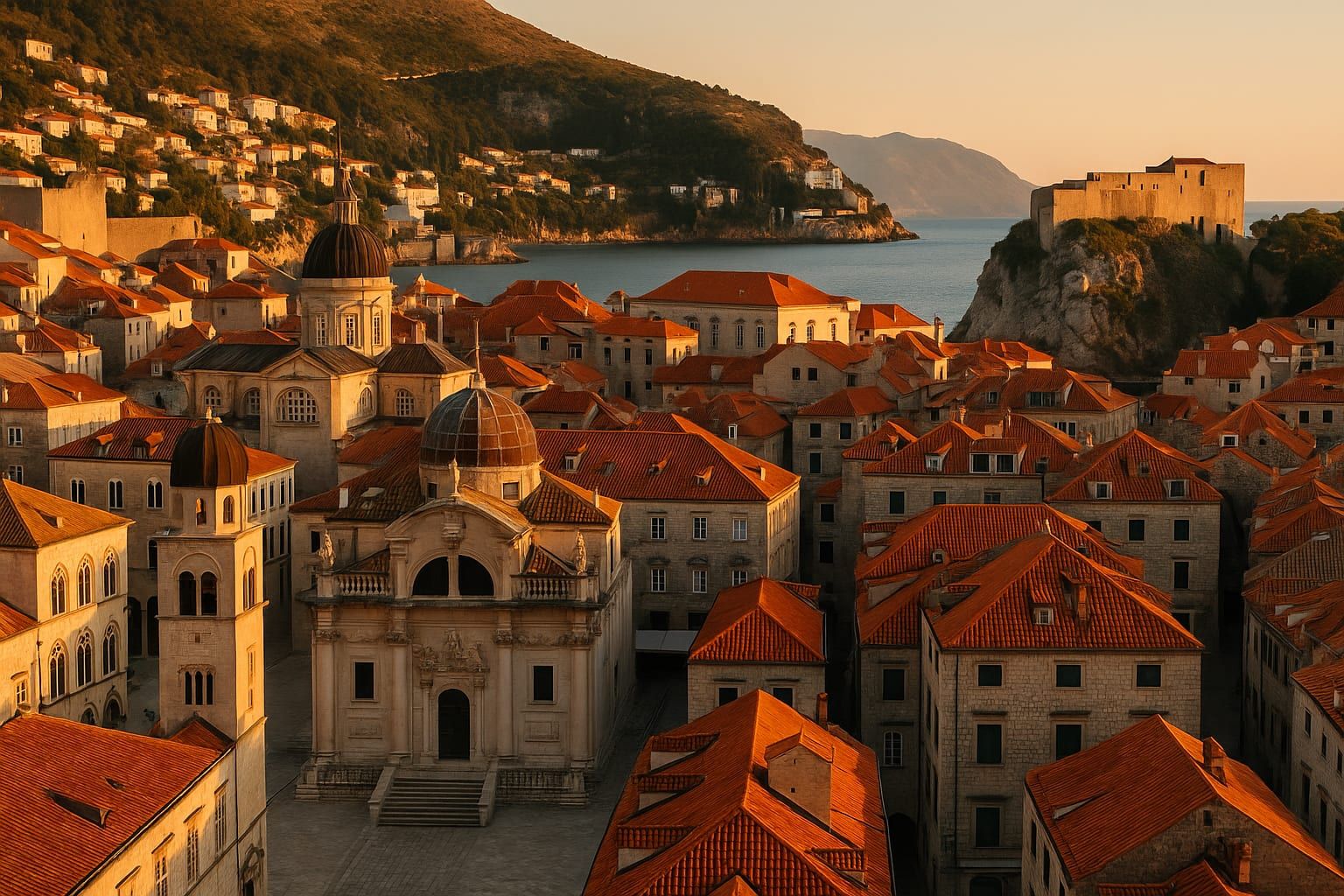
48 Hours in Dubrovnik: Beyond the Walls
A practical, local-led 48-hour guide to Dubrovnik that goes beyond the Old Town walls — beaches, islands, mountaintop views, food, and tips to beat the crowds.
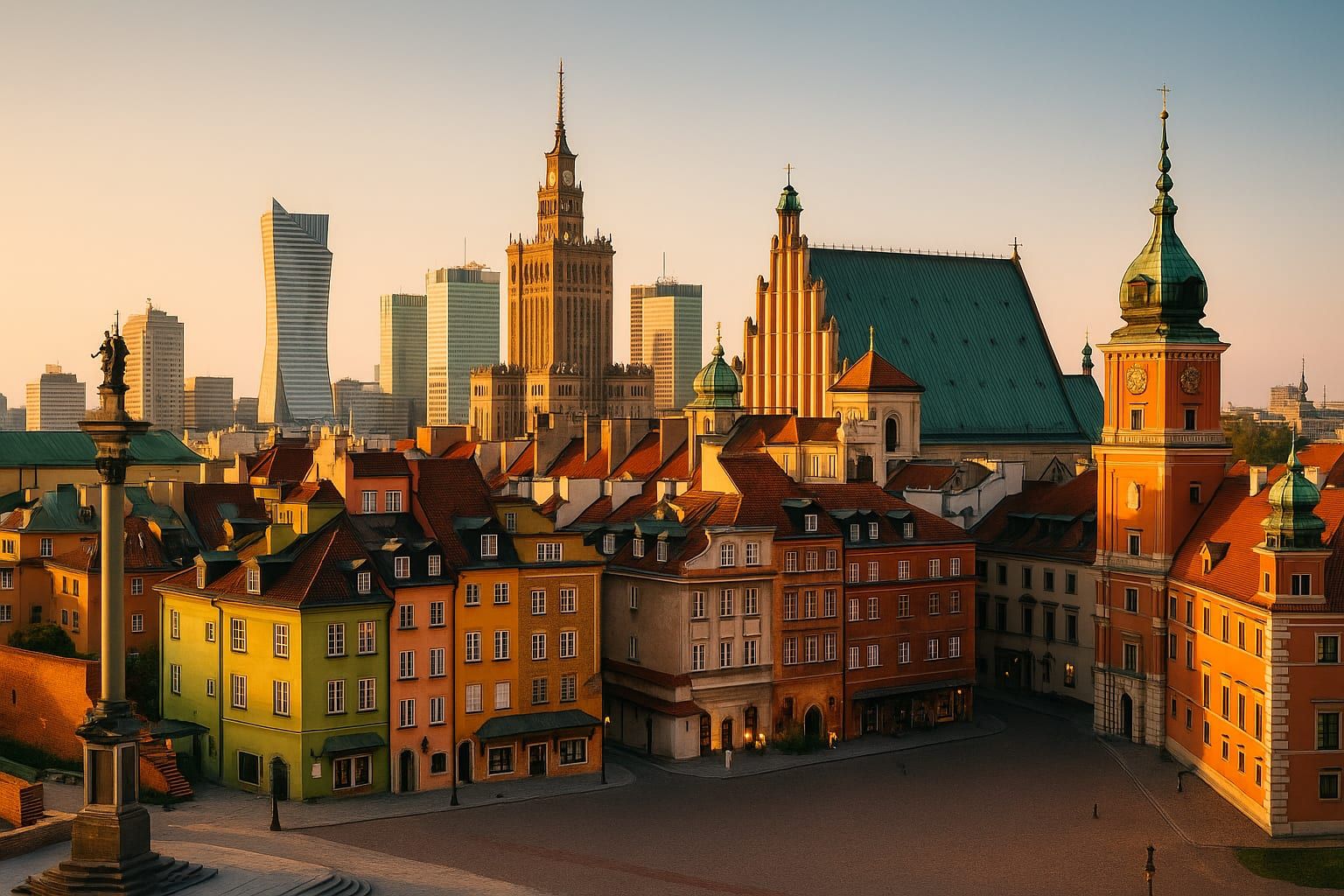
48 Hours in Warsaw: Phoenix City Rising
Two days to explore Warsaw’s resilient heart: reconstructed Old Town, world-class museums, parks, riverbanks and a buzzing food scene — practical tips and a paced 48‑hour itinerary.
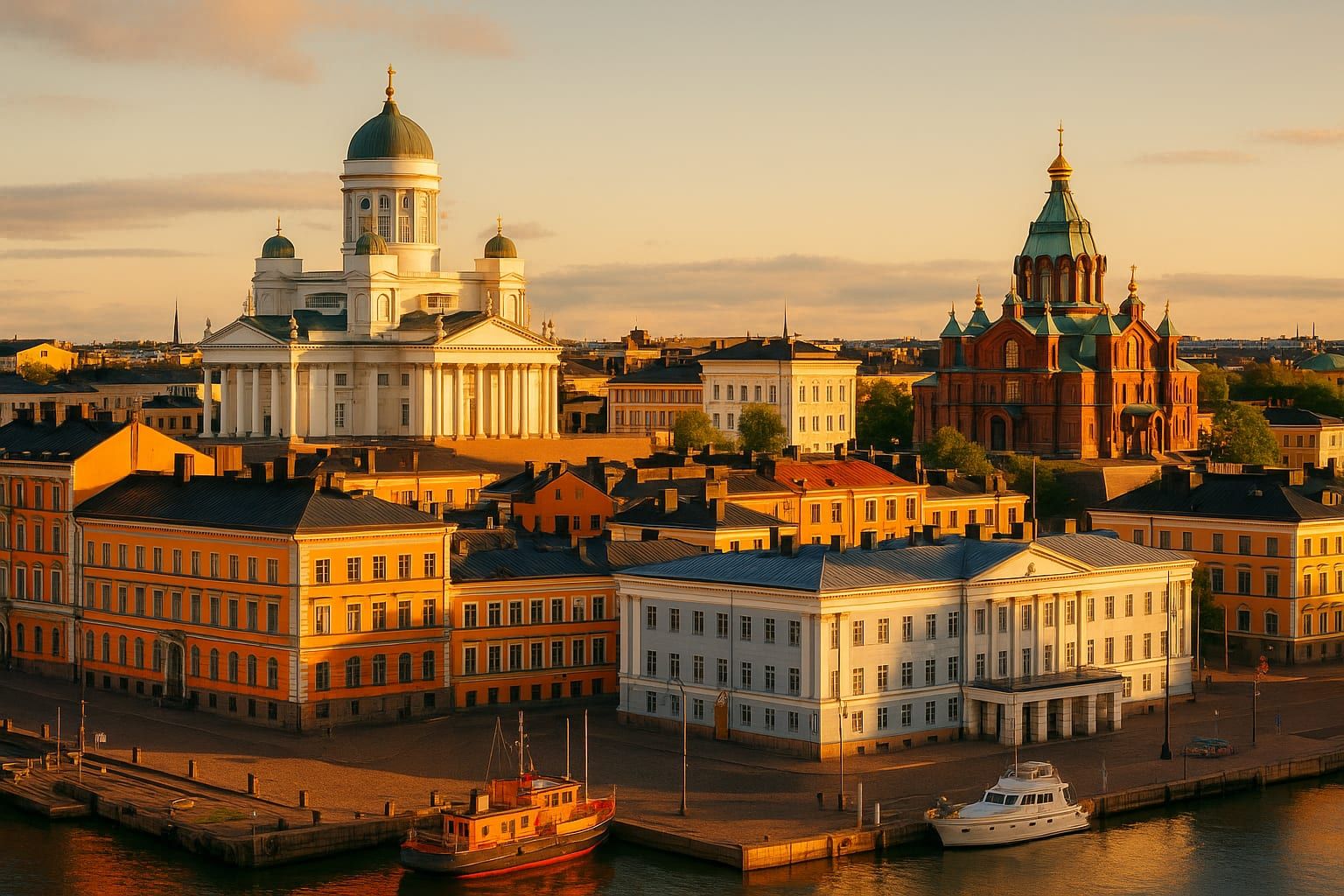
48 Hours in Helsinki: Design Capital Highlights
A compact 48-hour guide to Helsinki for design lovers: museums, boutiques, seaside saunas, markets and local tips to make the most of a short city escape.