
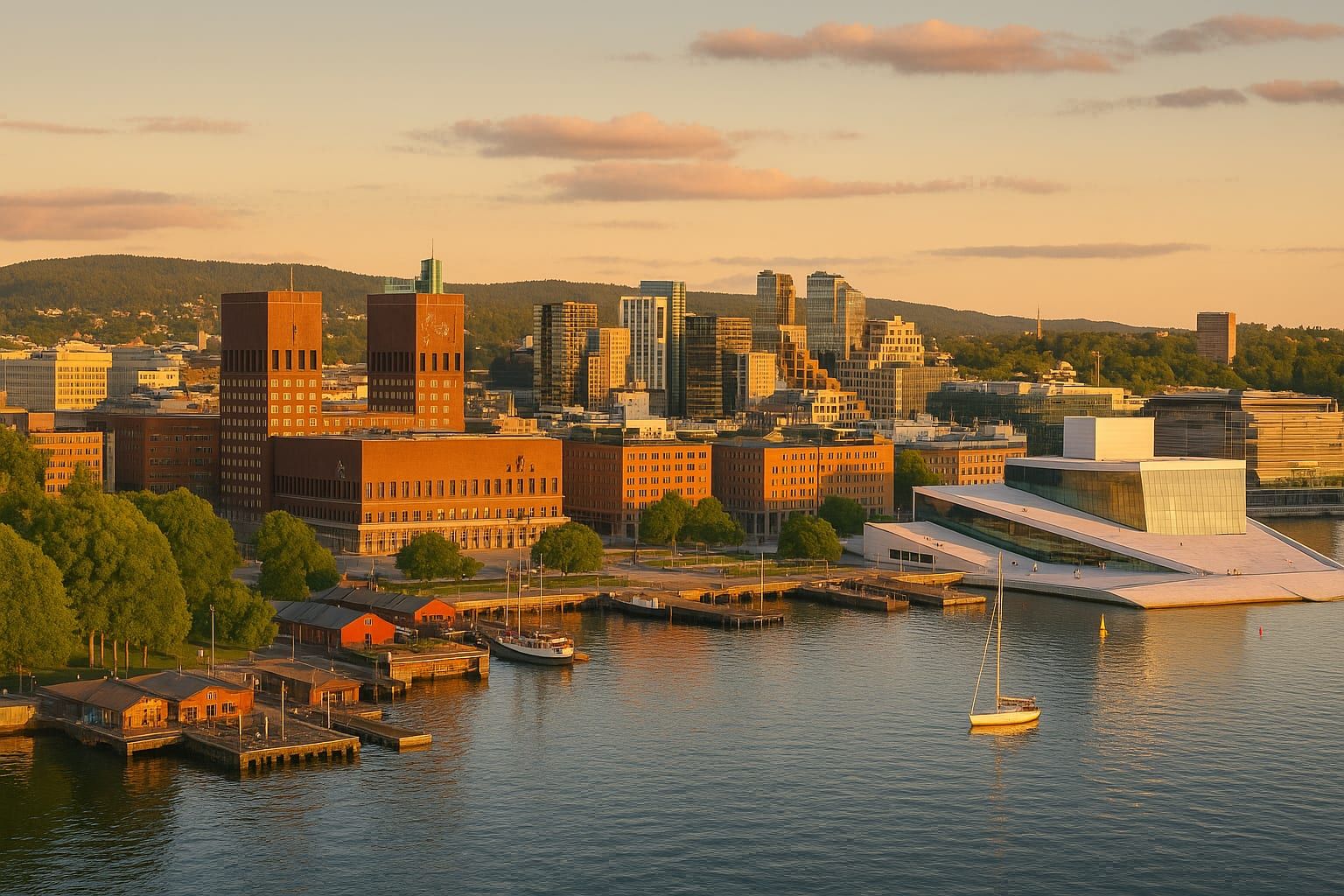
48 Hours in Oslo: Nature Meets Urbanity
Spend 48 hours in Oslo, where fjords and forests weave through a modern city. This guide gives a two-day itinerary, practical tips, sauna and swim spots, museums and local insights.
Oslo is a compact capital that refuses to choose between city and wilderness. In just 48 hours you can stroll museum-lined waterfronts, dive into the fjord, hike pine-scented trails and sit in a wood-fired sauna — all without abandoning great coffee, contemporary design and lively neighbourhoods. This guide gives a practical, experience-led itinerary and local tips so you can make the most of a short stay.
Why Oslo works for a weekend
- The city is geographically small but abundant: half of Oslo’s surface is parks and natural areas, and the Oslofjord is minutes from downtown.
- Public transport is efficient; ferries, trams and metros connect urban highlights with beaches and forests quickly.
- Scandinavian design, top museums and approachable outdoor culture mean you can combine culture, food and nature in a single day.
Quick planning essentials
- Airport: Oslo Gardermoen (OSL). Flytoget airport express to the central station takes ~20 minutes.
- Transport card: Buy a 24/48-hour Ruter pass or consider the Oslo Pass (free museum entry, public transport and discounts).
- Currency: Norwegian krone (NOK). Cards are accepted almost everywhere.
- Weather: Layer up — coastal winds and forest shade can feel cooler than temperatures suggest.
- Respect nature: Norway’s allemansretten (right to roam) lets you access most land responsibly — leave no trace.
Day 1: Fjordfront and City Culture
Morning — Waterfront, Opera & MUNCH
Start at the waterfront. Walk the striking white marble steps of the Oslo Opera House and, if you like architecture, climb the roof for city and fjord views. From there wander the Bjørvika district toward MUNCH — a must for modern art lovers (and as much about the building and views as the collection).
Coffee break: Oslo’s specialty coffee scene is strong. Pop into a neighbourhood favourite or try a classic place like Fuglen for retro vibes and well-brewed cups.
Late morning — Aker Brygge and lunch on the quay
Cross to Aker Brygge and Tjuvholmen for waterside promenades, contemporary sculpture and lunch options ranging from casual fish bars to fine dining. Fresh seafood is a local draw; try a simple fish soup or a platter of smoked and cured fish.
Afternoon option A — Museum hop to Bygdøy
If the weather’s fine and you love museum trails, catch a short ferry to Bygdøy (10–20 minutes). The cluster of maritime museums here — Fram, Kon-Tiki and the open-air folk museum — offer insight into Norway’s seafaring past and Arctic exploration. Ferries are scenic and part of the experience.
Afternoon option B — Vigeland Park & Frogner
For an urban-nature mix, head to Vigeland Sculpture Park in Frogner. The park is a walkable art installation of bronze and granite sculptures set among lawns and lanes — perfect for a slower afternoon and people-watching.
Evening — Sauna, Swim & Nightlife
For a quintessential Oslo evening, book a slot at one of the city’s floating saunas or public sauna complexes and follow it with a quick dip in the fjord. There are growing numbers of pop-up and established saunas along the coastline; heating up, then plunging into cold water is invigorating and very Norwegian.
Dinner: Move to Grünerløkka or Vulkan for creative small-plates, new Nordic cuisine or casual bars. These neighbourhoods are lively and popular with locals.
Day 2: Forests, Viewpoints and Island Hopping
Morning — Holmenkollen or Nordmarka
Choose your outdoor highlight:
- Holmenkollen: Easy to reach by metro, the ski jump and hilltop trails give panoramic views across Oslo and the fjord. The area has a visitor centre showcasing winter sports history — enjoyable even outside ski season.
- Nordmarka: If you prefer deeper forest, take public transport to one of Nordmarka’s trailheads for an hour-or-two hike or a longer trek. Paths are well-marked, and in summer you can combine hiking with lakeside swims.
Bring a light picnic and your swimwear if the weather permits.
Afternoon — Island hopping in the Oslofjord
From the city centre, ferries depart for islands like Hovedøya, Gressholmen and Langøyene — a relaxed, scenic way to spend an afternoon. Hovedøya has beach coves and a short trail to monastic ruins; Langøyene is popular for sunbathing and barbecues.
Pro tip: Ferries are part of the public transport network, so your Ruter ticket covers them (check seasonal timetables).
Late afternoon — Akerselva walk and coffee stops
Return to the city and stroll the Akerselva river walk — an industrial-turned-green corridor lined with waterfalls, creative hubs and cafés. It’s a favourite local escape that connects Grünerløkka with downtown.
Evening — Casual dinner & a last look
Finish with a casual dinner focused on seasonal Norwegian ingredients: a warm plate of arctic char, a reindeer dish, or contemporary vegetarian interpretations of Nordic cuisine. For a memorable last view, head back to the waterfront at sunset or find a rooftop bar in the Barcode district.
Where to stay (neighbourhoods)
- Sentrum / Bjørvika: Best for first-timers who want immediate access to the Opera House, MUNCH and ferries.
- Grünerløkka: Trendy, coffee-centric and great for bars, street art and independent shops.
- Frogner: Quieter, near Vigeland Park and elegant residential streets.
If you like to be near green spaces while still central, Frogner hits a good balance.
Practical tips and local insights
Getting around
- Flytoget is the fastest link from the airport to Oslo Central Station (Oslo S) — about 20 minutes.
- Buy a 24/48-hour Ruter pass for unlimited trams, buses, metros and local ferries. The Oslo Pass is a good deal if you plan to visit multiple paid museums.
- Biking: City bikes and good cycling infrastructure make short hops practical.
Money & etiquette
- Cards are king; many places are card-only. Carry a small amount of cash for tiny stalls only.
- Norwegians value quiet and personal space — speak softly on public transport and avoid loud phone calls.
- Tipping is modest; rounding up or adding 5–10% for exceptional service is fine.
Food & drink
- Visit Mathallen for a concentrated food-hall experience of local and international fare.
- Try local flavours like brown cheese (brunost) on bread, cured salmon, and seasonal game when available.
- Oslo’s cocktail and craft-beer scenes are excellent; neighbourhood bars in Grünerløkka and Torggata are lively at night.
Safety & seasonal tips
- Oslo is generally safe. Normal travel cautions about pickpockets in crowded areas apply.
- Winter: dress in layers and waterproof footwear. Daylight is short — plan outdoor time during daylight hours.
- Summer: long daylight hours and warm spells make swimming and island hops delightful. Expect high demand for popular ferry routes on hot days.
Local culture you’ll notice
- Outdoorsy lifestyle: Locals go skiing, hike, run or swim year-round. If you’re unsure about cold-water swimming, watch first and follow locals’ rhythms.
- Design and simplicity: From cafés to furniture shops, good design is everywhere. If you love Scandinavian style, you’ll want to wander the design stores and galleries.
Alternatives & extensions (if you have more time)
- If you can add a day, take a train to Oslo’s surrounding fjord towns or head northwest for classic fjord scenery.
- For design and Nordic culture enthusiasts, pairing Oslo with a short trip to Copenhagen is an easy follow-up; see our three-day Copenhagen guide for ideas: /en/itineraries/3-days-in-copenhagen-hygge-design-new-nordic.
- Prefer long summer days? Read about summer travel in the region here: /en/seasonal-travel/summer-scandinavia-midnight-sun.
Final takeaway
Oslo proves a smart short-break choice because it stitches wilderness and city life together so naturally. In 48 hours you’ll sample cutting-edge art, walk forest trails, swim in the fjord, and taste modern Norwegian cuisine — and you’ll leave with a clearer sense of how easily urban life and nature can coexist.
Have your shoes for both cobblestones and pine needles, a public-transport pass, and a curiosity for small discoveries. Oslo rewards the curious with parks, islands, saunas and cafés tucked into every corner.
Safe travels — enjoy the mix of trails and trams.
Quick checklist before you go
- Book airport transfer (Flytoget) or check regional train times.
- Decide whether the Oslo Pass makes sense for your museum plan.
- Pack swimwear for fjord dips and a lightweight waterproof jacket.
- Download Ruter app for timetables and mobile tickets.
Related
Frequently Asked Questions
Planning more European escapes? Compare the best European city breaks for a weekend to pick your next trip.
Frequently Asked Questions
What can you do with 48 hours in Oslo?
A practical two-day plan pairs city culture with nature. Day 1 covers the waterfront Opera House, the MUNCH museum, lunch at Aker Brygge and Tjuvholmen, then either the Bygdøy maritime museums (Fram, Kon-Tiki and the open-air folk museum) or Vigeland Sculpture Park, finishing with a floating sauna and a fjord dip. Day 2 heads outdoors to Holmenkollen or Nordmarka, then island hopping in the Oslofjord and a stroll along the Akerselva river.
What is the best way to spend 2 days in Oslo if you love nature?
Oslo makes it easy because half the city's surface is parks and natural areas and the Oslofjord is minutes from downtown. Combine a Holmenkollen or Nordmarka hike with summer lakeside swims, take ferries to islands like Hovedøya or Langøyene, and end a day with a floating sauna followed by a cold fjord plunge.
Is Oslo expensive to visit?
Oslo uses the Norwegian krone (NOK) and is largely cashless, with cards accepted almost everywhere. You can manage costs with a 24/48-hour Ruter pass that covers trams, buses, metros and local ferries, or the Oslo Pass, which adds free museum entry and discounts if you plan to visit several paid museums. Tipping is modest — rounding up or adding 5–10% for exceptional service is enough.
How do you get from Oslo Airport to the city centre?
The Flytoget airport express runs from Oslo Gardermoen (OSL) to Oslo Central Station in about 20 minutes, making it the fastest link into town.
Do you need a car to get around Oslo in 2 days?
No. Public transport is efficient, and a 24/48-hour Ruter pass covers trams, buses, metros and local ferries — including the island and Bygdøy ferries. City bikes and good cycling infrastructure also make short hops easy.
Keep Exploring
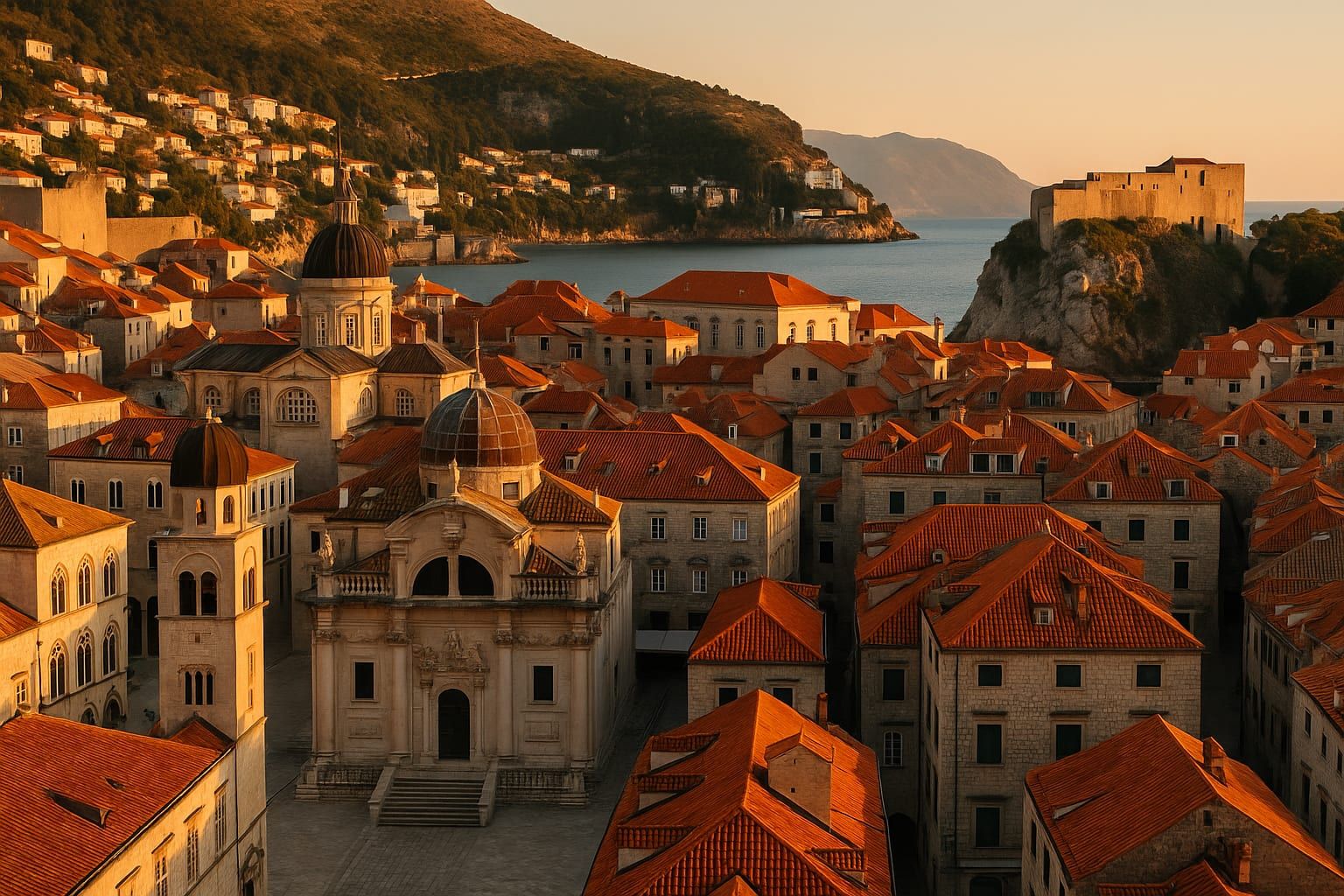
48 Hours in Dubrovnik: Beyond the Walls
A practical, local-led 48-hour guide to Dubrovnik that goes beyond the Old Town walls — beaches, islands, mountaintop views, food, and tips to beat the crowds.
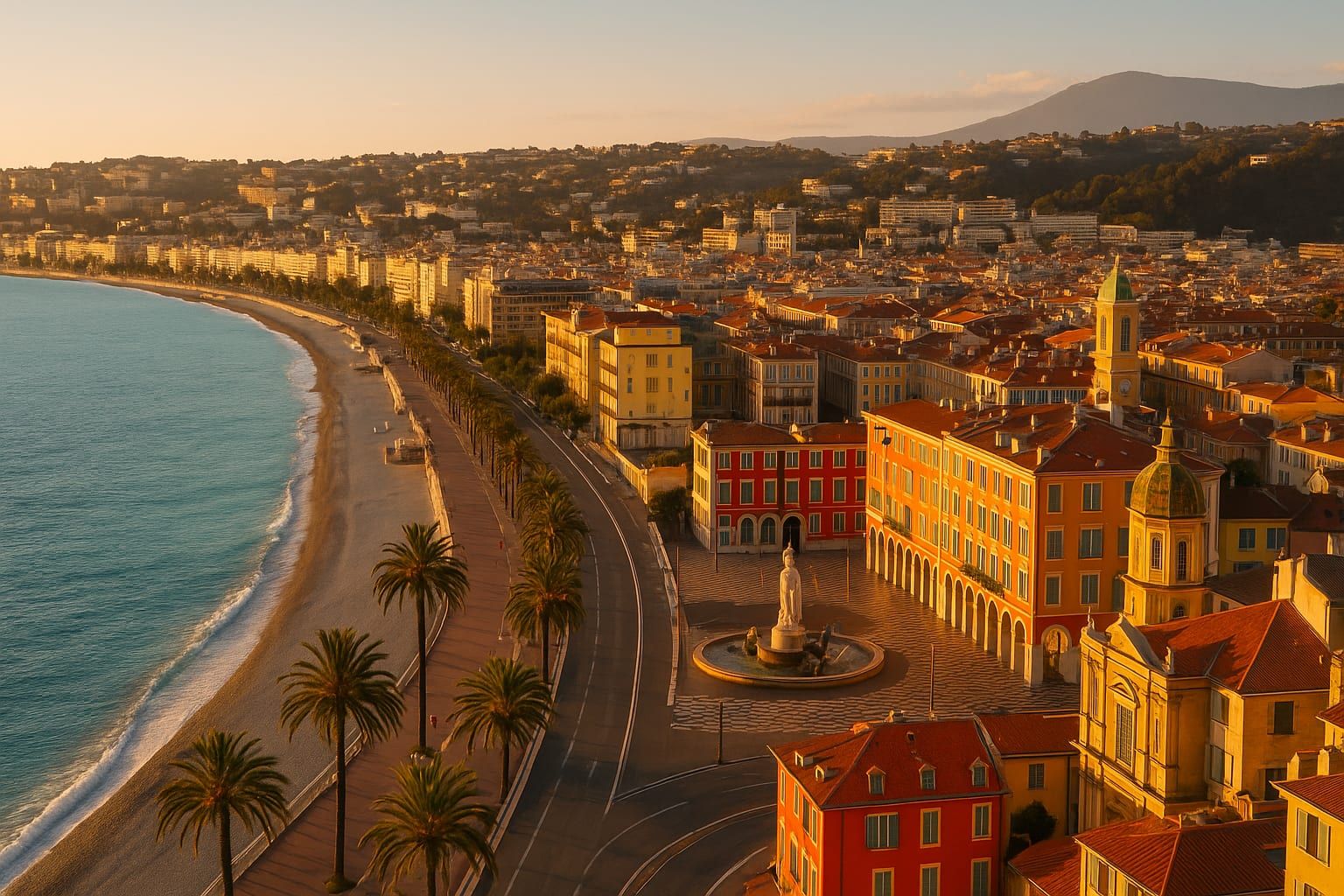
48 Hours in Nice: French Riviera Essentials
A practical, two-day guide to Nice: where to eat, what to see, how to get around, and local tips—from Old Town markets and pebble beaches to day trips along the Riviera.
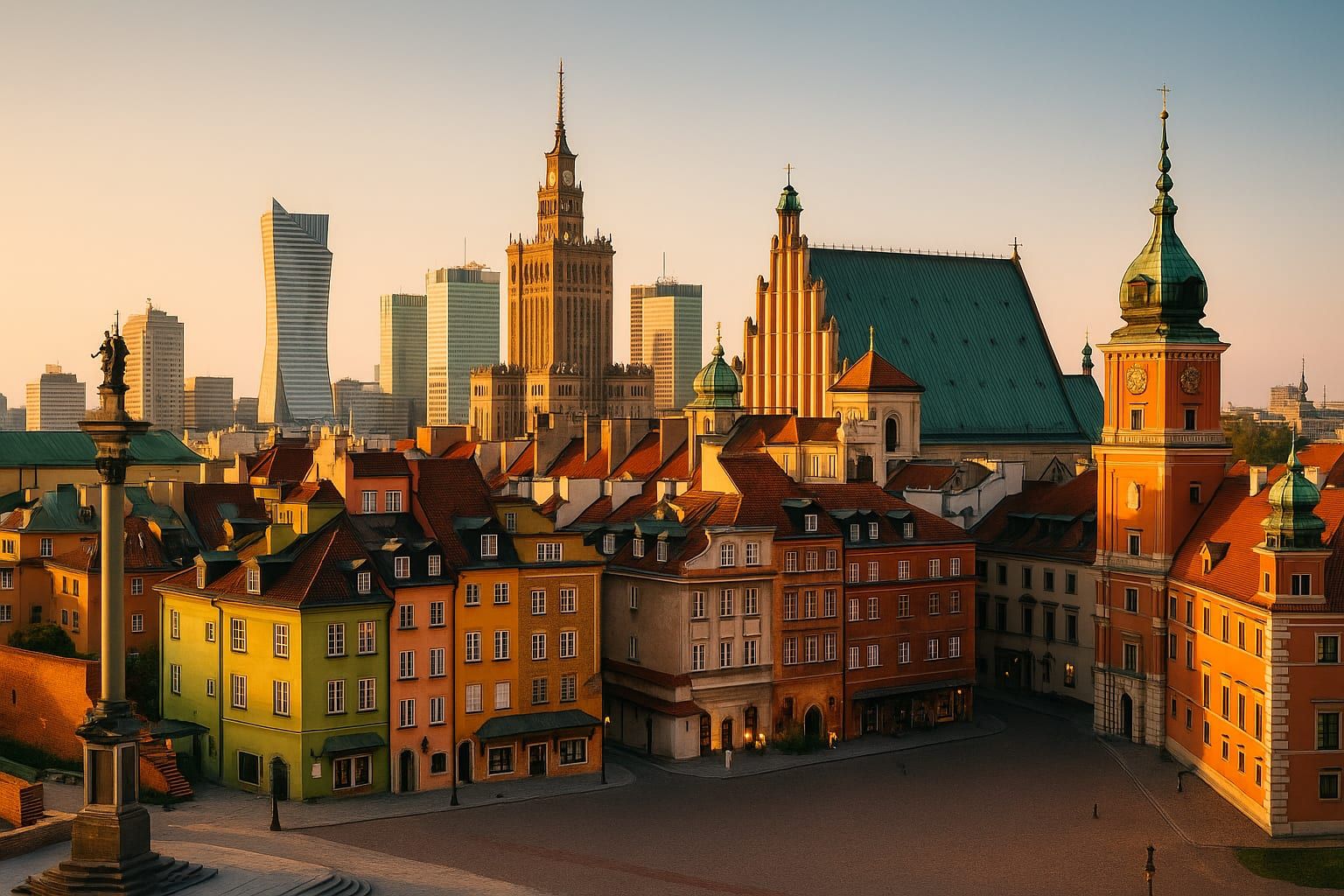
48 Hours in Warsaw: Phoenix City Rising
Two days to explore Warsaw’s resilient heart: reconstructed Old Town, world-class museums, parks, riverbanks and a buzzing food scene — practical tips and a paced 48‑hour itinerary.