
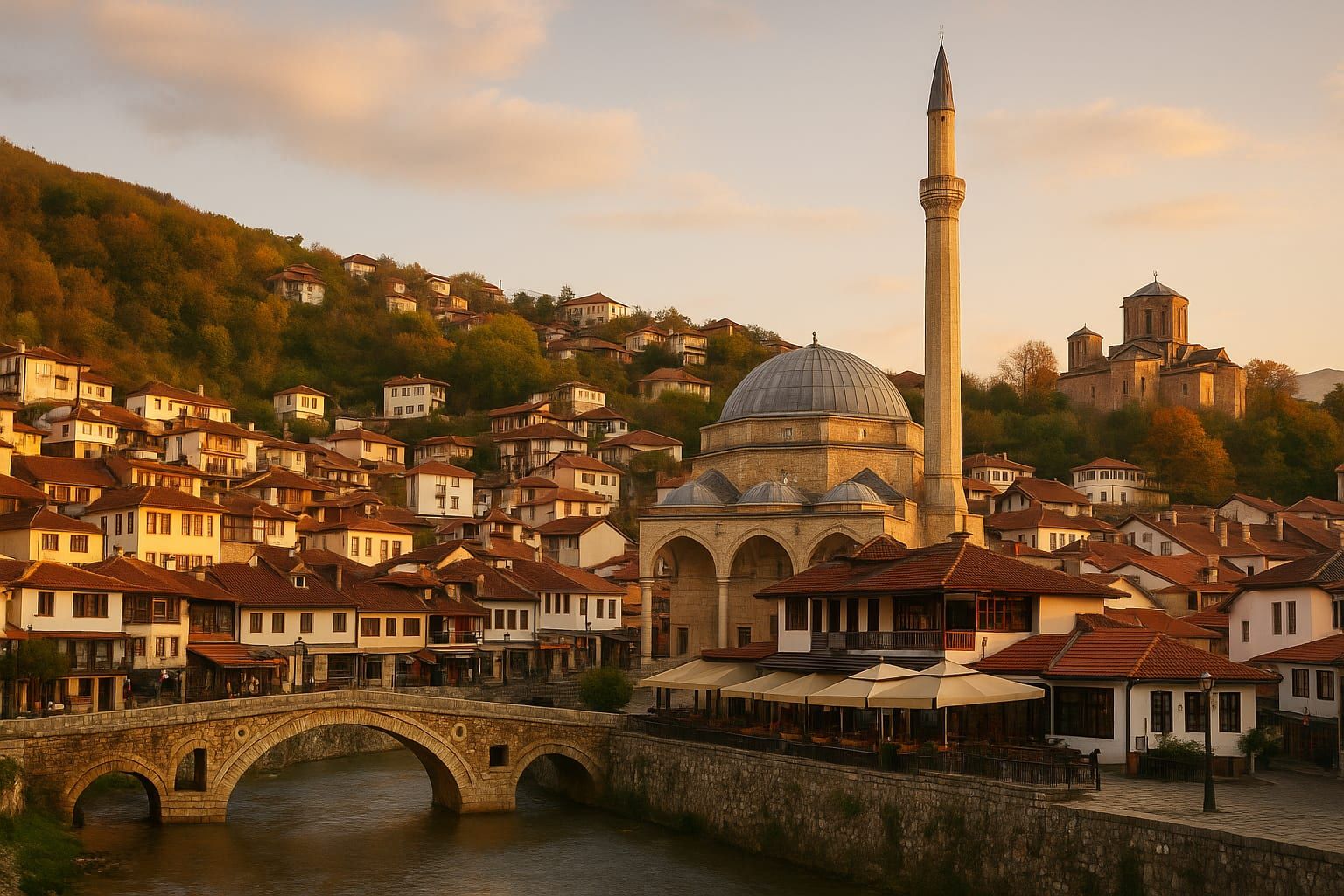
Prizren: The Ottoman Jewel of the Balkans
Discover Prizren, Kosovo — a compact, atmospheric city where Ottoman mosques, cobbled lanes, Byzantine churches and lively kafanas blend into a timeless Balkan experience.
Tucked into a river valley beneath the Šar Mountains in southern Kosovo, Prizren is the kind of place that makes you wonder why the crowds went elsewhere. This is the best-preserved Ottoman town in Kosovo and arguably one of the most atmospheric in the entire Balkans: a tight knot of cobbled lanes, minarets, a turquoise river, a hilltop fortress, and centuries-old churches all packed into a centre you can cross on foot in twenty minutes. It rewards slow wandering and a willingness to look past a country that still confounds map-makers and visa bureaucrats. Here is how to do Prizren properly.
Fast Facts
| Country | Kosovo (Republic of Kosovo) |
| Currency | Euro (EUR) — Kosovo uses the euro despite not being in the EU or eurozone |
| Language | Albanian and Serbian are official nationwide; Turkish and Bosnian also have official status in Prizren |
| Best time to visit | Late May to early October; August for Dokufest; spring and autumn for cooler walking weather |
| Getting there | From Pristina International Airport (PRN): no direct bus — take a transfer or taxi into Pristina, then a frequent bus to Prizren (the Pristina–Prizren run is roughly 1.5–2 hours and costs only a few euros). A direct taxi from the airport to Prizren takes about 50 minutes. Direct international buses also connect Prizren with Skopje, North Macedonia (around 2–2.5 hours) and Tirana, Albania (around 3.5–4 hours). |
| Days needed | 1 day for the highlights; 2 days to slow down and add a day trip |
| Must-see | Prizren Fortress (Kalaja), Sinan Pasha Mosque, Church of Our Lady of Ljeviš, the Old Stone Bridge, the League of Prizren Museum |
Why Prizren Is the Ottoman Jewel of the Balkans
Prizren was the cultural and administrative heart of Ottoman Kosovo for centuries, and it wears that history openly. Unlike many Balkan old towns rebuilt from rubble, Prizren's core survived largely intact, leaving a streetscape where Ottoman mosques, hammams, Orthodox churches and a Catholic cathedral sit within a few hundred metres of one another. The Bistrica River runs straight through the middle, crossed by a stone bridge that has become the city's postcard image.
It is also a city of layers. Romans, Byzantines, medieval Serbs and Ottomans all left their mark, and modern Kosovo's national story arguably began here in 1878 with the League of Prizren. That density of history in such a small, walkable space is exactly what makes it feel like a jewel — and why it deserves far more than the hour many road-trippers give it.
Top Things to Do in Prizren
Climb to Prizren Fortress (Kalaja)
The fortress crowning the hill above town is the single best thing you can do here. Foundations go back to Roman and Byzantine times, with substantial Ottoman-era additions. The walk up is a winding cobblestone path that takes roughly 20 minutes from the river; it is steep in places, so bring water in summer. Entry is free. From the ramparts you get the classic view: the river threading through terracotta rooftops, the slim minaret of Sinan Pasha Mosque, and the Šar Mountains rising behind. Go near sunset if you can.
Step inside Sinan Pasha Mosque
Built in the early 17th century and dominating the riverfront, the Sinan Pasha Mosque is the most striking building in town, with a tall minaret and a large central dome. The interior is decorated with painted floral motifs and Quranic calligraphy. Visitors of all faiths are welcome outside prayer times — remove your shoes, dress modestly, and women should bring a scarf to cover their hair.
See the Church of Our Lady of Ljeviš
This 14th-century Serbian Orthodox church is part of the Medieval Monuments in Kosovo UNESCO World Heritage property. Be aware of two important caveats. First, the property has been on UNESCO's List of World Heritage in Danger since 2006, owing to management and conservation challenges in a politically sensitive region. Second, because of its status and intermittent restoration work, the church is not always open to walk-in visitors; access can be restricted or require coordination with caretakers, so treat opening hours as unconfirmed and check locally. Even from the outside, its brickwork and surviving frescoes are remarkable.
Cross the Old Stone Bridge
The Ottoman-era arched stone bridge in front of Sinan Pasha Mosque dates in its original form to the 16th century. It was damaged by catastrophic flooding in 1979 and later reconstructed. It is now pedestrian-only and the most photographed spot in Prizren, especially with the mosque and fortress framed behind it.
Visit the League of Prizren Museum
The League of Prizren Museum (Lidhja e Prizrenit) sits in a restored complex on the site where Albanian leaders formed the League of Prizren in 1878 — a foundational moment in Albanian national history. The exhibits cover that movement and the broader regional story. It is a compact, worthwhile stop for understanding why this small city looms so large in Kosovo's identity.
Wander the Shadërvan and the bazaar quarter
The Shadërvan is the old town's central square, named for its ornate fountain, and the natural place to sit with a coffee and watch local life. Radiating lanes hold cafés, craft shops and old houses. This is also where you will find the photogenic call to evening as the muezzin and church bells overlap — a small daily reminder of Prizren's layered faiths.
Dokufest: Time Your Visit for the Film Festival
If you can plan around it, come for Dokufest, Kosovo's largest film event and one of the most respected documentary and short-film festivals in southeastern Europe. Founded in 2002, it transforms the city each summer: open-air screens are set up by the river, in the fortress and in unexpected corners of the old town, and the programme runs to well over 200 films alongside concerts, talks and workshops. The festival's milestone 25th edition is scheduled for 7–15 August 2026, though you should confirm current dates on the official Dokufest site before booking, as the festival calendar shifts year to year. Accommodation fills up fast during the festival, so reserve early.
Where and What to Eat in Prizren
Kosovar and Albanian cooking is generous, meat-forward and cheap, and Prizren is a great place to dig in.
- Flija — the signature celebration dish: thin crêpe-like layers brushed with cream and baked slowly over an open flame, served with butter, honey or yoghurt. Some bakeries cook it outdoors, which is a sight in itself.
- Tavë / Tava e Prizrenit — a baked clay-pot dish of meat (often veal or lamb) with vegetables; the local version is something restaurants here take pride in.
- Qebapa — grilled minced-meat fingers served with flatbread, raw onion and ajvar.
- Pite / byrek — flaky filled pastries, perfect cheap breakfast or snack food.
For sit-down meals, riverside and old-town spots such as Besimi-Beska (near the Shadërvan, known for traditional Eastern European and Kosovar dishes) and Te Syla (near Sinan Pasha Mosque, praised for qebapa and oven-baked bread) are reliable, atmospheric choices. Restaurant names and openings change, so ask locally and check recent reviews before you set out. Pair a meal with a strong macchiato — Kosovo's café culture is excellent — or the local rakia if you are feeling brave.
Day Trips from Prizren
Prizren makes a natural base for the south and west of Kosovo:
- Šar Mountains / Brezovica — Kosovo's main ski resort in winter and prime hiking country in summer, rising right behind the city. The Sharr range is a designated national park area straddling the Kosovo–North Macedonia border.
- Mirusha Waterfalls — a chain of cascades and natural pools in a canyon, good for a warm-weather swim and picnic, roughly between Prizren and Pristina.
- Gjakova — a neighbouring town with one of the largest restored Ottoman bazaars in the region, an easy half-day.
- Visoki Dečani Monastery — a 14th-century Serbian Orthodox monastery, also part of the Medieval Monuments in Kosovo UNESCO listing, west of Prizren. Note it is a functioning monastery in a sensitive area: there is a security presence, you may be asked for ID, and photography rules are strict.
Practicalities: Entry, Money and Safety
Recognition and entry. Kosovo declared independence in 2008 and is recognised by most EU and Western states, but not by all countries (notably Serbia, Russia and China). For travellers this mostly matters at borders rather than for safety. Citizens of the US, UK, Canada, the EU and the Schengen states generally do not need a visa for short tourist stays of up to 90 days — but always confirm current rules for your nationality before you travel, as policies change.
The Serbia border quirk. If you plan to combine Kosovo with Serbia, the order matters. Serbia historically does not treat Kosovo's borders as international frontiers, which can cause problems entering Serbia if your only stamp into the region is from a Kosovo border post. The widely advised safe routing is to enter Kosovo from Serbia and exit back into Serbia, or to enter Kosovo from a third country (such as North Macedonia, Albania or Montenegro) and not attempt to cross directly into Serbia afterward. Check the latest guidance for your situation, as enforcement varies.
Money. Kosovo uses the euro. Cards are accepted in many hotels and larger restaurants, but Prizren still runs heavily on cash for small cafés, market stalls, buses and museum entry. Carry euros in small denominations; ATMs are available in town.
Safety. Prizren is generally a relaxed, friendly and safe city for tourists, including solo travellers, with the usual common-sense precautions. The sensitivities here are political and cultural rather than personal-security ones — be respectful around religious sites and avoid wading into local politics.
Getting around. The old town is entirely walkable; you will not need a car or taxi within the centre. For arrivals, the bus station is a short walk or cheap taxi from the historic core.
How Long to Stay
One full day covers the headline sights: fortress, mosque, bridge, Our Lady of Ljeviš (exterior at least), the League of Prizren Museum and a long lunch. Give it two days and you can slow the pace, add a sunset on the ramparts, and fit in a day trip to the Šar Mountains or Mirusha. During Dokufest in August, build in extra evenings — the festival is the experience.
Prizren pairs naturally with the wider region. It slots neatly into a longer Western Balkans loop alongside cities like Tirana and Skopje, all within a few hours' drive.
Related Reading on City Voyager
- Ultimate Balkans Road Trip — 2-Week Itinerary
- Tirana: Why Albania's Capital Is Europe's Coolest Underrated City
- Skopje: North Macedonia's Quirky Capital
Sources and Further Reading
Frequently Asked Questions
Is Prizren worth visiting?
Yes. Prizren is the best-preserved Ottoman town in Kosovo, with a compact, walkable historic centre packed with mosques, churches, a hilltop fortress and a stone bridge over the Bistrica River. It is one of the most atmospheric and least-touristed historic cities in the Balkans, and it makes an excellent one- or two-day stop.
How do I get to Prizren?
There is no direct bus from Pristina airport, so most travellers transfer or take a taxi into Pristina first, then catch one of the frequent buses to Prizren (roughly 1.5–2 hours, just a few euros). A direct taxi from the airport takes about 50 minutes. Direct international buses also connect Prizren with Skopje in North Macedonia (around 2–2.5 hours) and Tirana in Albania (around 3.5–4 hours).
How many days do you need in Prizren?
One full day is enough to see the main highlights — the fortress, Sinan Pasha Mosque, the Old Stone Bridge and the League of Prizren Museum. Stay two days to add a sunset on the fortress and a day trip into the Šar Mountains or to the Mirusha Waterfalls. If you visit during Dokufest in August, plan for more evenings.
Is Prizren safe for tourists?
Yes, Prizren is generally considered safe and welcoming for tourists, including solo travellers, with normal precautions. Kosovo's sensitivities are political and cultural rather than matters of personal security; the main thing to research in advance is the Kosovo–Serbia border-crossing rules if you plan to combine the two countries.
What is Prizren famous for?
Prizren is famous for being the cultural heart of Ottoman Kosovo, for the 1878 League of Prizren that shaped Albanian national identity, for the UNESCO-listed Church of Our Lady of Ljeviš, and for hosting Dokufest, one of the leading documentary film festivals in southeastern Europe.
What currency is used in Prizren?
Kosovo uses the euro (EUR), even though it is not a member of the EU or the eurozone. Carry small-denomination cash, as many cafés, buses, market stalls and museum entries do not take cards.

Keep Exploring
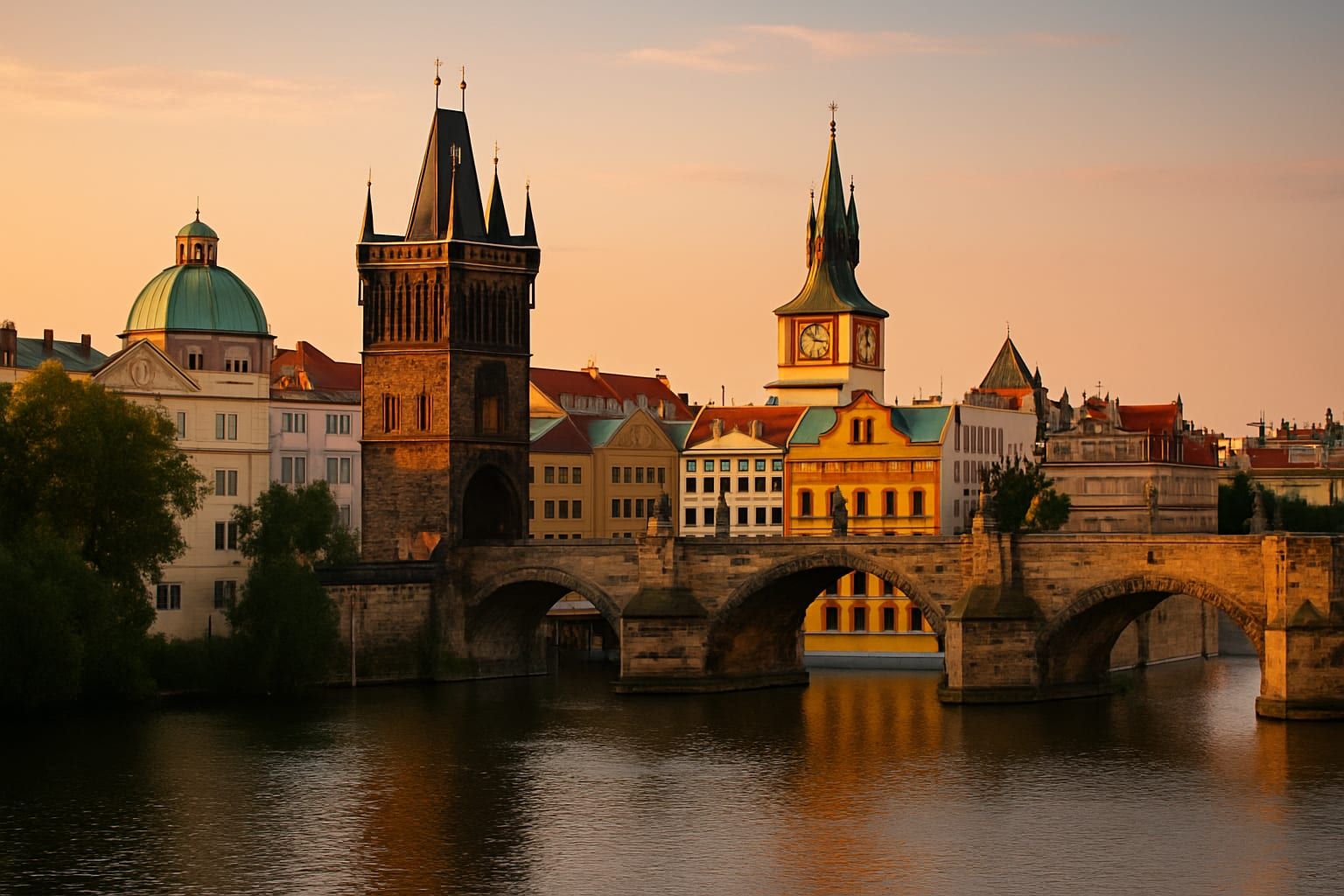
Ultimate Balkans Road Trip: Slovenia to Montenegro
Explore the Balkans by road: Ljubljana, Lake Bled, Plitvice, Mostar and Durmitor. A 12-day itinerary with tips on driving, where to stay, must-see hikes and local eats.
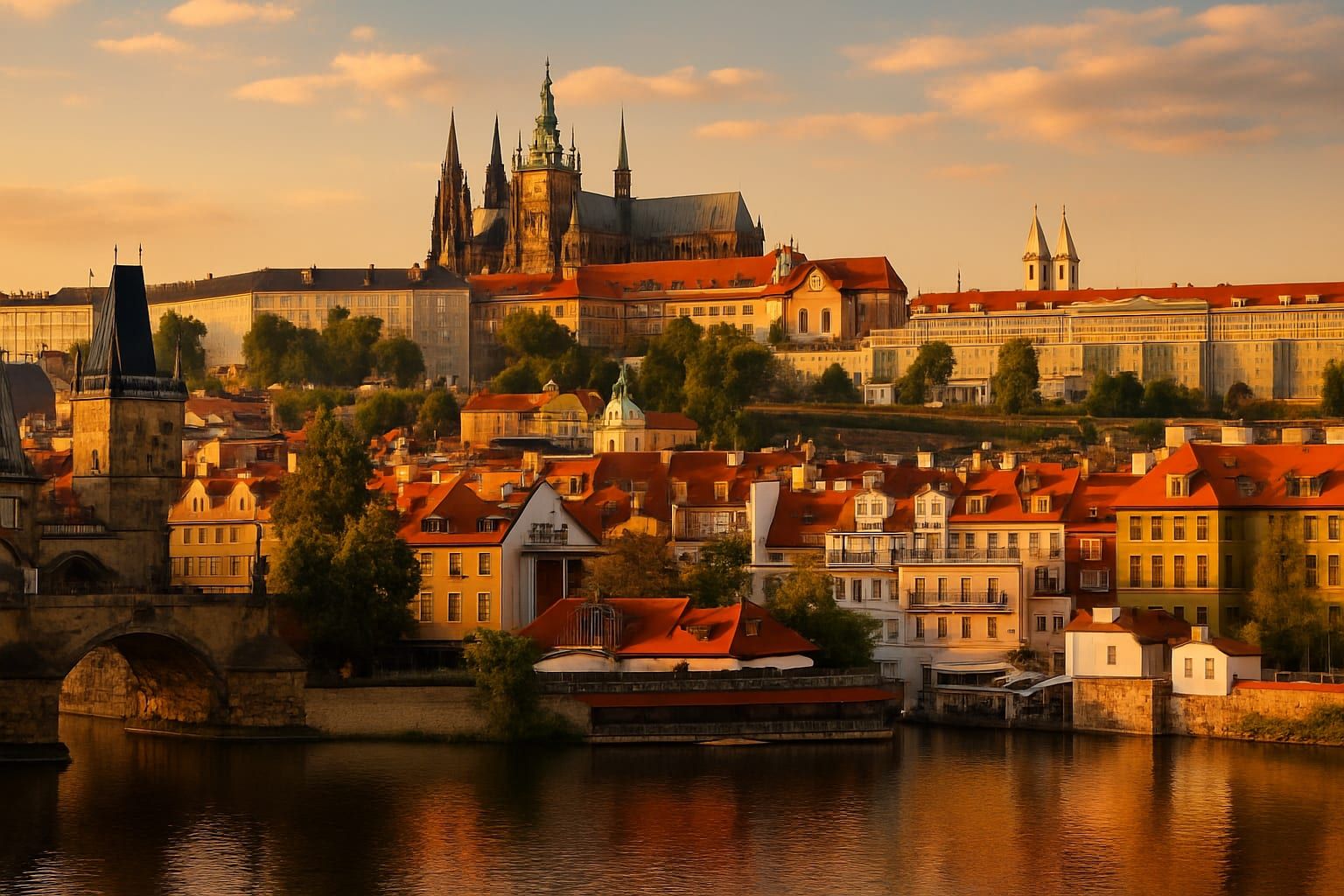
A Week in the Balkans: Lakes, Mountains & Towns
A practical 7-day Balkans guide blending lakes, mountains and medieval towns—itinerary, transport tips, budgets and local insights for a memorable week-long trip.
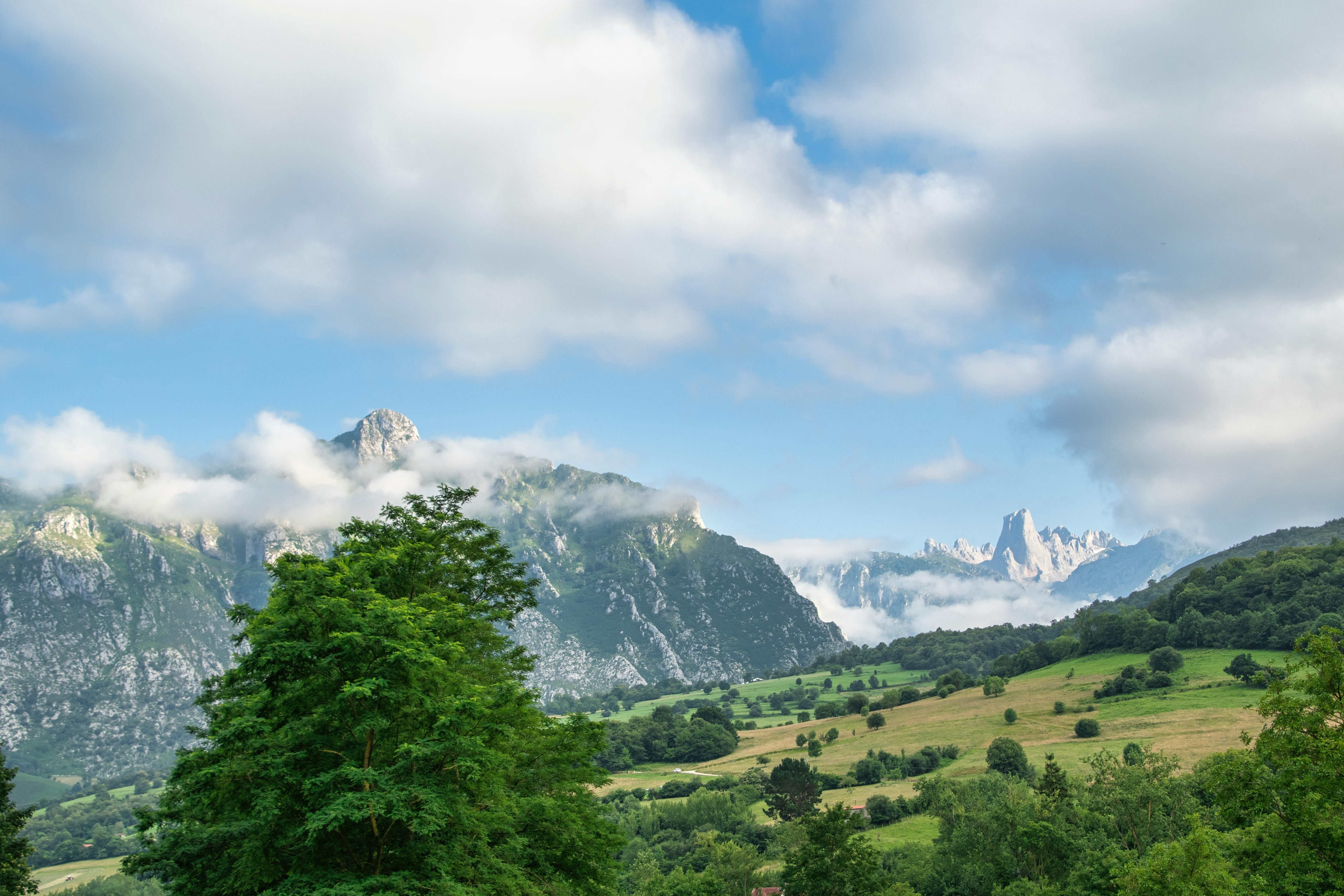
Hidden Gems of Iberia: Portugal, Galicia, Asturias
Atlantic Iberia at half the Barcelona price — Braga's UNESCO sanctuary, Santiago's cathedral, Oviedo's pre-Romanesque monuments, Roman walls in Lugo. Concrete fares, named towns, EUR prices.