
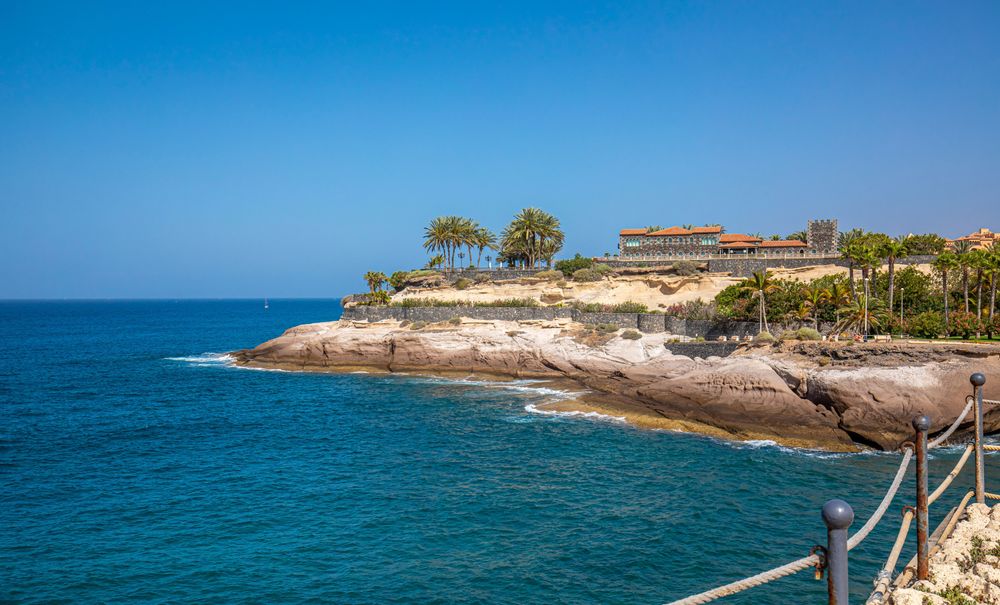
Warmest Places in Europe in Winter 2026/27, Ranked
The warmest places in Europe in winter 2026/27, ranked by real met-office data — from Tenerife's 22°C Decembers to Cyprus, Malta and the Algarve — with flight times, budgets and honest rain warnings.
You do not need to cross an ocean to find 20°C in January. While Berlin shivers at 3°C and Paris hides under grey skies, a handful of European destinations — from the Canary Islands to the coast of Cyprus — serve up genuine warmth, 6 hours of daily sunshine and café terraces that never close. This guide ranks the warmest places in Europe in winter 2026/27 using official met-office data, not wishful brochure copy, and is honest about where you can actually swim, where it rains, and where the wind will ruin your beach day.
Fast Facts
| Detail | Info |
|---|---|
| Best time | December–February for the full winter-sun effect; late January–February is the sweet spot for low prices and lengthening days |
| Getting there | 2–2.5 h flights to Malta and Sicily, ~3 h to the Algarve, Andalusia and the Costa Blanca, ~4 h to Madeira and Cyprus, ~4.5 h to the Canary Islands from central Europe; winter returns typically €60–€250 depending on route and dates (checked July 2026) |
| Where to stay | Costa Adeje (Tenerife) €90–€200/night; Funchal (Madeira) €70–€160; Paphos old town €55–€130; St Julian's (Malta) €60–€140; Lagos or Faro (Algarve) €55–€120 (checked July 2026) |
| Average daily budget | €70–€150/day mid-range in Iberia and Malta; €90–€180 in the Canaries and Madeira in high winter season |
| Don't miss | Whale watching off Los Gigantes (Tenerife), levada walks above Funchal, January almond blossom in the Algarve interior, winter sea views from Paphos harbour castle |
The warmest places in Europe in winter, ranked
The ranking below uses average daytime maximum temperatures for December–February from national meteorological services — Spain's AEMET, Portugal's IPMA, the Cyprus Department of Meteorology and Greece's HNMS. Averages hide daily drama, of course: any of these places can throw a 24°C freak week or a rainy spell at you. But over a 7-day stay, the order below is what the climate statistics say you should expect.
1. Tenerife south coast, Canary Islands — the warmest place in Europe in winter
Nowhere in Europe beats the south coast of Tenerife between December and February. AEMET climate normals for Tenerife Sur show average daytime highs of 22.8°C in December, 21.7°C in January and 22.0°C in February, with around 193–195 hours of sunshine per month — over 6 hours a day in the depths of winter. The microclimate matters: the Costa Adeje–Los Cristianos strip sits in the rain shadow of the 3,715 m Teide volcano, so it stays dry while the north of the island (Puerto de la Cruz, La Laguna) is greener, cloudier and 2–3°C cooler. Base yourself in Costa Adeje, El Médano (windier, cheaper, loved by kitesurfers) or Los Gigantes for the calmest sea. Winter is also peak whale-watching season — resident pilot whales live in the channel between Tenerife and La Gomera year-round, and boat trips from Los Gigantes run from roughly €25–€45 (checked July 2026).
2. Gran Canaria — dunes, ravines and a 21°C January
Gran Canaria runs Tenerife extremely close. AEMET normals for Gran Canaria airport give December highs of 22.2°C, January 20.8°C and February 21.2°C. The south — Maspalomas with its Sahara-like dune field, Playa del Inglés, and the pretty port of Puerto de Mogán ("little Venice") — is the winter-sun zone; Las Palmas in the north is a real working Spanish city with a superb urban beach (Las Canteras) but slightly more cloud. The Canary Islands tourism board is not exaggerating when it markets the archipelago's winter as spring-like: the islands sit at 28°N, level with Florida, and the trade winds plus the cool Canary Current keep temperatures in a narrow, comfortable band all year. Hiking in the volcanic interior — Roque Nublo, the Caldera de Bandama — is far more pleasant in January than in the scorching summer.
3. Madeira — the Atlantic garden island (bring a light rain jacket)
Funchal's winter is remarkably gentle: IPMA climate normals record average daytime highs of 20.3°C in December and 19.3°C in January and February, with nights rarely below 13°C. The Madeira tourism board notes sea temperatures of 18–22°C thanks to the warm Atlantic current. Honesty required, though: winter is Madeira's wettest season — Funchal averages around 106 mm of rain across roughly 13 rain days in December — and the north side and the mountains get considerably more. The pattern is usually short, passing showers rather than washed-out days, and Funchal's sheltered south-facing bay is the driest spot on the island. Winter suits Madeira's real strengths: levada walks through laurel forest, the Monte cable car, poncha in old-town bars, and the famous New Year fireworks over Funchal's amphitheatre of hills. It is a destination for walkers and garden lovers more than beach purists — the island has few natural sandy beaches.
4. Cyprus — Paphos and Limassol, the eastern Mediterranean's mildest coast
Cyprus is the warmest corner of the Mediterranean proper in winter. Climate normals (1981–2010) from the Cyprus Department of Meteorology put average December daytime maxima at about 19°C at Paphos Airport, easing toward 17–18°C in January before climbing again from late February. The official Visit Cyprus climate page highlights the key selling point: even in December and January the island averages 6 hours of bright sunshine a day, and the sea stays at 16–17°C through the coolest months. Snow on the Troodos Mountains usually arrives before Christmas — meaning you can genuinely ski in the morning and lunch on an 18°C seafront in Limassol. Paphos, with its harbour castle, Tombs of the Kings and UNESCO mosaics, makes the best winter base; archaeological sites are near-empty in January and far more pleasant at 18°C than in the 35°C of August.
5. Costa Blanca — Alicante, Spain's driest mainland winter sun
For mainland Europe, the Alicante coast is as good as winter gets. AEMET normals for Alicante show daytime highs of 17.7°C in December, 17.0°C in January and 17.6°C in February — with famously little rain, as the coast sits in the lee of inland mountains. Valencia, 170 km north, runs about 1°C cooler (15.8–16.8°C highs). The Costa Blanca's winter advantages are practical: cheap low-cost flights from almost every European city, a huge stock of off-season apartments, and real Spanish urban life in Alicante itself — the Santa Bárbara castle, the Central Market, tapas on Calle Castaños — that doesn't hibernate when tourists leave. Villajoyosa's chocolate factories and the UNESCO-listed palm groves of Elche make easy winter day trips.
6. Malta — city breaks in shirtsleeves, with a windy caveat
Malta's winter averages are honest Mediterranean-mild: daytime highs of about 17°C in December and 16°C in January and February, with 5–6.5 hours of daily sunshine — and the sea, still holding summer heat, is around 18.5°C in December, cooling to 15.5°C by February. The caveat is wind: winter lows sweeping the central Mediterranean bring blustery, showery spells, and when the north-easterly gregale blows, the Sliema seafront feels far colder than the thermometer claims. But Malta is arguably Europe's best warm winter city break rather than a beach trip: Valletta's baroque streets, the Hypogeum, Mdina at dusk and the Sunday fish market at Marsaxlokk are all better without summer's crowds and heat. Flights are short (2–2.5 h from most of central Europe) and frequently under €80 return in January (checked July 2026).
7. The Algarve — Portugal's mild, sunny south
Faro's climate normals from IPMA show winter daytime highs of 17.1°C in December, 16.1°C in January and 16.8°C in February, with sunshine climbing from 159 hours in December to 182 in January — and Visit Portugal reasonably boasts of more than 3,000 hours of sunshine a year. Winter here is about golden light on ochre cliffs rather than sunbathing: the boat caves at Benagil, the clifftop boardwalk at Praia da Marinha, storks nesting on Silves' chimneys, and almond blossom from late January. Lagos and Tavira keep more life going in winter than the resort strips around Albufeira, parts of which genuinely close. Budget note: winter is the Algarve's low season, and good doubles in Lagos or Faro drop to €55–€120 a night (checked July 2026).
8. Seville and Andalusia — Europe's warmest big-city February
Seville is not a beach destination, but for winter city-break warmth it is the mainland champion. AEMET normals for Seville airport show 16.6°C in December, 16.0°C in January — and then a jump to 18.1°C in February, when the orange trees begin to scent the streets and terrace season restarts in earnest. Days are frequently sunny and 20°C afternoons are not rare; nights, however, drop to 5–7°C, so pack layers. The Alcázar, the cathedral with the Giralda, and Triana's tile workshops are gloriously uncrowded in January. Málaga on the coast offers similar warmth plus the sea, and inland Córdoba and Granada — cold at night, often sunny by day, with skiable snow in the Sierra Nevada above — complete a winter Andalusia circuit.
9. Crete and the Greek islands — mild, green and half-asleep
Crete's winter is milder than mainland Greece but noticeably cooler and wetter than the Canaries: HNMS climatology for Heraklion (1955–2010) records average maxima of 17.1°C in December, 15.3°C in January and 15.5°C in February, with January bringing around 91 mm of rain over 16 rain days. Rhodes runs similar. The truth about Greek islands in winter: many tavernas and hotels close, ferries thin out, and rain interrupts. What remains is wonderful for the right traveller — Chania's Venetian harbour to yourself, snow-capped White Mountains behind olive groves, museum entry without queues. Choose Crete in winter for atmosphere and hiking between showers, not for reliable sunbathing.
10. Sicily — Palermo's gentle, occasionally soggy winter
Sicily rounds out the list: Palermo averages daytime highs of about 16.7°C in December and 15.3–15.4°C in January–February, with 4–5 hours of daily sunshine. Like Malta, winter brings changeable spells — brilliant 18°C days between fronts. It is a superb season for the island's cities and food: Palermo's markets (Ballarò, Capo), Monreale's golden mosaics, Ortigia in Syracuse, and oranges and artichokes at their seasonal best. The southeast around Syracuse and Noto is typically a touch sunnier than Palermo's coast in winter. Flights from central Europe run 2–2.5 hours, and winter fares are among the cheapest to any Mediterranean island.
Winter warmth compared: the numbers
| Destination | Dec–Feb daytime high | Winter sun (h/day) | Flight from central Europe | Mid-range daily budget |
|---|---|---|---|---|
| Tenerife south | 21.7–22.8°C | ~6.3 | ~4.5 h | €90–€180 |
| Gran Canaria | 20.8–22.2°C | ~6 | ~4.5 h | €90–€180 |
| Madeira (Funchal) | 19.3–20.3°C | ~4.5 | ~4 h | €80–€160 |
| Cyprus (Paphos) | ~17–19°C | ~6 | ~4 h | €70–€140 |
| Costa Blanca (Alicante) | 17.0–17.7°C | ~5.5 | ~2.5 h | €70–€140 |
| Malta | 16–17°C | 5–6.5 | ~2.5 h | €70–€140 |
| Algarve (Faro) | 16.1–17.1°C | ~5.5 | ~3 h | €65–€130 |
| Seville | 16.0–18.1°C | ~5.5 | ~3 h | €70–€140 |
| Crete (Heraklion) | 15.3–17.1°C | ~4 | ~3 h | €60–€120 |
| Sicily (Palermo) | 15.3–16.7°C | 4–5 | ~2.5 h | €60–€120 |
Temperatures are long-term climate normals from AEMET, IPMA, the Cyprus Department of Meteorology, HNMS and standard climate datasets; budgets are indicative mid-range estimates checked July 2026.
Sea swimming in winter — realistic?
Short answer: only in the Atlantic islands, and even there it's brisk. The Canaries have the warmest winter sea in Europe at roughly 19–20°C — comfortable for a real swim on a sunny afternoon, and the reason the islands support a year-round surf scene. Madeira's sea sits at 18–22°C across the year, meaning high teens in winter — swimmable for the reasonably hardy, especially in Funchal's sheltered lidos. In the Mediterranean, the sea cools steadily all winter: Cyprus holds 16–17°C from January to March per Visit Cyprus, Malta drops from 18.5°C in December to about 15.5°C by February, and Sicily bottoms out near 14.4°C. That is cold-water-swimming territory — invigorating for a two-minute dip, not an afternoon in the water. If a proper beach-and-swim holiday is the point of the trip, book the Canaries; everywhere else, think "sunny walks by the sea" instead.
The cheapest warm winter escapes
Warmth and cost pull in opposite directions in winter: the Canaries are Europe's warmest option but also its priciest winter-sun market, since demand peaks exactly when northern Europe is coldest — expect €400+ returns in Christmas week, though €120–€200 is common in mid-January (checked July 2026). The best warmth-per-euro plays are elsewhere. The Costa Blanca combines 17°C January afternoons with some of Europe's cheapest flights and abundant off-season apartments. The Algarve's winter hotel discounts are steep, and Seville and Málaga are served by every low-cost carrier on the continent. Malta and Sicily frequently show sub-€80 January returns. Crete is cheapest of all once you're there — but you trade reliability of sunshine for it. Travelling in late January, avoiding school-holiday weeks, and flying midweek routinely halves the flight price. If your priority is stretching the budget across a longer trip, our guide to the cheapest European cities in 2026 pairs well with a warm-winter base in Andalusia or the Algarve.
How to choose — and what to skip
Choose by what winter you actually want. For guaranteed warmth and swimmable sea: Tenerife or Gran Canaria, no contest — they are the only places in Europe where 21°C January afternoons are the statistical norm rather than a bonus. For green landscapes and walking: Madeira, accepting some rain. For sightseeing at 17–18°C with the fewest tourists: Cyprus, Seville or Malta. For maximum sun on minimum budget: Costa Blanca or the Algarve.
What to skip: don't book a Greek island or much of the Croatian coast expecting a functioning resort infrastructure in January — a large share of seasonal businesses closes. Don't choose northern Tenerife or Mallorca for sunbathing (Mallorca's winter, at roughly 15°C daytime, is pleasant but a class below everything at the top of this list). And if what you really want from winter is not an escape from it but the full festive version — mulled wine, wooden chalets, snow-dusted squares — you're reading the wrong guide: see our complete European Christmas markets 2026 guide instead, then fly to Tenerife in January when the crowds go home and the fares collapse.
Frequently Asked Questions
What is the warmest place in Europe in December?
The Canary Islands — specifically the south coast of Tenerife, where AEMET climate normals show an average daytime high of 22.8°C in December, with around 6 hours of daily sunshine. Gran Canaria is a close second at 22.2°C.
Where in Europe is it 20 degrees in January?
Reliably, only the Canary Islands: Tenerife's south coast averages 21.7°C and Gran Canaria 20.8°C daytime highs in January. Madeira comes closest behind at 19.3°C; the Mediterranean averages 15–18°C, with individual 20°C days possible but not the norm.
Is it warm enough to swim in the sea in Europe in winter?
Only comfortably in the Canaries, where the sea stays around 19–20°C in winter; Madeira's high-teens water is swimmable for the hardy. Mediterranean water drops to 15–17°C by February — fine for a brief dip, too cold for proper swimming.
What is the cheapest warm winter destination in Europe?
Best value overall is Spain's Costa Blanca (Alicante): 17°C January afternoons, very cheap low-cost flights and abundant off-season apartments, with mid-range budgets of €70–€140 a day. The Algarve, Malta and Sicily also combine mild winters with sub-€80 January flight deals (checked July 2026).
Is Madeira or the Canary Islands warmer in winter?
The Canaries are 2–3°C warmer: Tenerife south averages 21.7–22.8°C daytime highs from December to February versus Funchal's 19.3–20.3°C, and the Canaries are also markedly drier — December is Madeira's rainiest month at around 106 mm.

Keep Exploring
Brussels Winter Wonders: Complete Guide
Discover Brussels’ Winter Wonders: when to go, top attractions, food and drink, local tips, sample itineraries and practical advice to make the most of Brussels at Christmas.
Prague Christmas Markets 2026: Gothic Winter Magic
Discover Prague's enchanting Christmas markets with Gothic architecture, Old Town Square, and traditional Czech food for 2025.
Krakow Christmas Markets 2026: Dates and Weekend Guide
Plan a Krakow Christmas weekend with provisional 2026 market dates, airport fares, a 48-hour itinerary and a clearly labelled sample budget.