
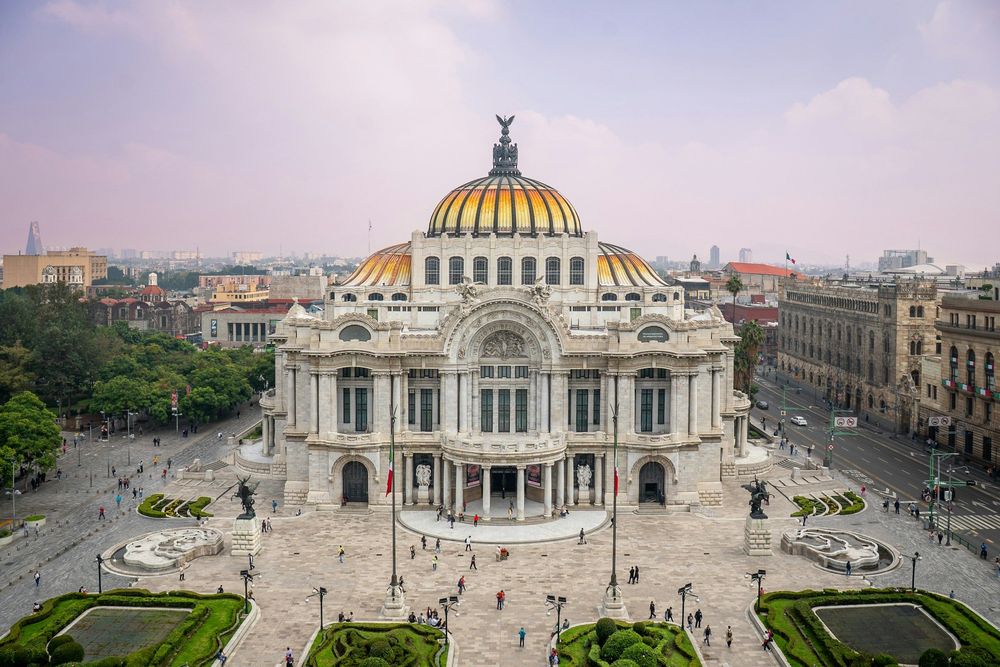
Match your Mexico City dates to cooler walks, warmer spring days or cultural events, then build a museum-and-neighbourhood plan that can adapt to rain.
The best time to visit Mexico City depends on what you want to protect in your trip. For long neighbourhood walks with less emphasis on rain planning, start by comparing November through March. For warmer outdoor days, consider spring, accepting that April and May can feel hot. For a museum-focused visit, the rainy season remains a workable choice if you keep outdoor plans flexible.
An event changes that decision. If Day of the Dead is the reason for travelling, choose around the confirmed programme for your year rather than a general weather recommendation. The parade, public altars and community observances do not necessarily happen on the same dates.
Choose the season for your kind of visit
| Travel window | Best suited to | Main compromise | Useful adjustment |
|---|---|---|---|
| November–February | Cooler walks and substantial cultural visits | Cold mornings and evenings; holiday schedules need checking | Walk after breakfast and carry an evening layer |
| March–May | Neighbourhood exploring and outdoor meals | Increasing warmth; a spring date does not guarantee blossoms | Keep a shaded or indoor break in the middle of the day |
| June–September | Museums with flexible time outside | Rain can interrupt walks and journeys | Pair one museum with a nearby optional walk |
| October | A mix of walking and cultural programmes | Transition out of the rainy period; events need exact dates | Keep weather flexibility and book around the chosen event |
| Late October–early November | A trip specifically for Day of the Dead | Programme dates and locations determine the route | Confirm the year's schedule before fixing non-refundable plans |
These are planning choices, not rankings of visitor numbers or hotel prices. The overlapping event window is intentional: cultural priorities may matter more than the broad seasonal grouping.
Read the climate as context, then use a forecast
Mexico City's official weather guide places the main rainy period from June into early October and identifies April and May as generally the hottest months. Its seasonal overview also stresses colder winter mornings and evenings. Think of a highland city with changing conditions through the day, rather than assuming Mexican beach weather.
A climate normal describes a long-term pattern at a particular observing location. It cannot tell you whether your museum day will be wet, whether your hotel room will need cooling or whether a particular afternoon will be clear. This guide uses qualitative seasonal guidance rather than a numerical temperature table: neighbourhood, elevation and the conditions during your actual stay still matter.
Check the forecast shortly before departure and again when deciding the next day's outdoor block. Use current official weather, air-quality and UV information for that day; a dry month does not establish clear air. In heavy rain, shorten the outing and follow local notices rather than trying to preserve every stop. No season guarantees uninterrupted walking.
November to February: favour walking, allow for cool starts
This is a useful starting window if your ideal trip involves streets, parks and outdoor meals without making them the only thing you can enjoy. The cooler part of the year suits travellers who would rather add a layer than arrange their entire day around warmth. A sunny-looking afternoon does not tell you what an early breakfast or a late return will feel like.
Plan your longest walk after you have settled into the day. In Centro Histórico, make a manageable central loop the main outdoor activity, then stop for a proper lunch or interior visit. In Condesa, choose a compact Parque México circuit and surrounding streets rather than committing to a long crossing of several neighbourhoods.
Carry clothing you can add and remove, and ask accommodation providers about the actual room's heating or extra bedding if you are sensitive to cool nights. Do not infer room comfort from a city's afternoon weather description.
For a December or holiday stay, check the opening calendar of each essential visit before purchasing flights solely for a long weekend. A festive atmosphere can be part of the appeal, but a closed museum is still a closed museum. If particular collections matter more than celebrations, compare a date outside the holiday itself.
March to May: use warmth well, keep afternoons adjustable
Spring makes sense when outdoor meals and neighbourhood walking are central to the trip. It is less convincing as an automatic choice for someone who dislikes warmth or wants every sightseeing hour outdoors. Treat the later spring months differently from the earlier part of the season when looking at forecasts and choosing a room.
Build a day with a walk, a substantial break and an optional extension. For example, explore a selected part of Roma, have lunch where you intended to finish, then decide whether another walk is appealing. A museum or a rest at the hotel can occupy the warmest-feeling part of your own day without forcing a second cross-city excursion.
If purple jacaranda flowers are part of the attraction, regard them as a possible bonus. The season guide describes their spring association, but flowering does not follow a guaranteed booking calendar. Recent local observations near departure are more useful than promises attached to a month.
For an Easter-period visit, look up that year's dates and your venues' specific arrangements. Do not interpret a general statement about holiday traffic or closures as a rule for the whole city. Keep an alternative meal and a flexible outing available if a favourite address changes its hours.
June to September: plan a good day that survives rain
A rainy-season trip can work especially well if you already want museums, longer lunches and selective walks. The mistake is to build an entirely outdoor schedule and assume every shower will be brief or conveniently timed. Leave the sequence movable and avoid stacking timed admissions across distant districts.
A useful structure is one confirmed indoor visit, one meal in the same area and a walk you can shorten or drop. The allowances below are editorial planning estimates, excluding journeys and entry queues. They describe how much space to protect, not the time every visitor will need.
Chapultepec: Anthropology with an optional park walk
Set aside roughly 3 hours for selected galleries at the National Museum of Anthropology. Its operator lists Tuesday–Sunday, 09:00–19:00, checked on 3 October 2026. Choose the galleries before arriving so the visit remains satisfying if rain makes you stay indoors longer.
Reserve another 30–60 minutes for a nearby outdoor walk only if conditions suit. If it is pouring, keep the museum and your meal, then reassess the journey back. The park is an option, not a task to complete. The approach to the museum and the walk to transport are still outdoors, so bring rain protection even on an indoor day.
Centro: Bellas Artes with a short Alameda extension
The Bellas Artes museum operator lists murals, temporary exhibitions and Tuesday–Sunday opening from 10:00–18:00, checked on 3 October 2026. Allow around 90 minutes for a selected art visit and use Alameda Central as an optional extension in a dry interval.
This is a compact alternative to using a wet afternoon for a long neighbourhood crossing. A performance requires its own booking; visiting the museum does not reserve a seat in the theatre. On Monday, neither this museum nor Anthropology provides the regular-opening fallback described here. Check another venue's actual Monday access or make the day revolve around meals and short weather-dependent outings.
Coyoacán: protect the booked visit, shorten the walk
If Casa Azul matters to you, book it because you want to visit, not because it might rescue a rainy afternoon. The Frida Kahlo Museum visitor page states that tickets are not sold at the ticket window and that it closes on Mondays, checked on 3 October 2026.
Keep the surrounding squares and neighbourhood walk flexible around the confirmed entry. Rain may reduce the outdoor part; it should not require abandoning the museum or buying another ticket elsewhere. If no reservation is available, choose a different indoor anchor before travelling south.
October and Day of the Dead: book the event you mean
October requires two separate checks: the weather close to your trip and the cultural programme for the exact year. A transition month cannot promise dry days, and “Day of the Dead” can describe a parade, an altar exhibition or a community observance with quite different timings and expectations.
The city's Day of the Dead programme, checked on 3 October 2026, is explicitly for 2026. It lists the grand parade for 31 October at 14:00 and the Zócalo monumental ofrenda from 29 October to 2 November. Those examples show why arriving only for the holiday itself may miss the particular event you wanted. They are not dates to carry forward into another year; reconfirm the programme before booking.
Choose the experience first, then the accommodation and daily route. For a parade, investigate the published route and access arrangements. For community observances, read local visitor guidance and follow requests about photography and private family spaces. Avoid treating every neighbourhood celebration as an interchangeable public show.
Leave the period around your chosen event free of tightly timed museum admissions. Check transport arrangements and the approach to your hotel for that date. If your aim is simply to enjoy exhibitions and neighbourhood life, you do not need to concentrate the whole trip on a major public celebration.
Compare real dates, then adapt a short stay
There is no useful universal “cheapest month” without comparable quotes. Price the same room category, occupancy, cancellation conditions and inclusions for the dates you can actually travel. Include flights and any event tickets before deciding that a lower nightly rate makes one season better value.
A comfortable nearby base can also support weather flexibility. Being able to return for a layer, dry shoes or a rest is valuable when your plans change. Use our Mexico City neighbourhood guide to compare the daily journeys behind the accommodation choice.
For a three-day visit, preserve one main commitment per day and leave the order of unbooked walks flexible. In drier conditions, lengthen the neighbourhood time. In wet conditions, keep the indoor anchor and drop the optional extension. Around a specific event, give that event the main slot rather than adding it after an already full day.
Choose the actual museums and districts with our Mexico City highlights guide. Your seasonal decision should change the balance and flexibility of the visit, while the experiences themselves remain things you genuinely want to do.
Cover photograph: Palacio de Bellas Artes and its forecourt in Mexico City. Photo by Alexandra Tran on Unsplash. (Unsplash).
Frequently Asked Questions
What is the best time to visit Mexico City for walking?
Start by comparing November through March if cooler walks and less rain planning are your priorities. Bring layers and check the forecast; the seasonal choice does not guarantee dry days or comfortable temperatures at every hour.
Should I avoid Mexico City during the rainy season?
Not necessarily. A museum-focused trip works with a confirmed indoor visit, a nearby meal and optional outdoor time. Rain can be heavy, so do not depend on a fixed daily shower time or an entirely outdoor schedule.
When should I travel for Day of the Dead?
Choose dates from the official programme for the year of your trip. Parades, public altars and community observances can happen on different days; the holiday alone does not identify the event you want.
Can I make a three-day trip work in wet weather?
Yes, if you reserve essential visits, check opening days and keep walks movable. Anthropology and the Bellas Artes museum normally open Tuesday–Sunday, so check a separate option if Monday is part of your stay.

Keep Exploring
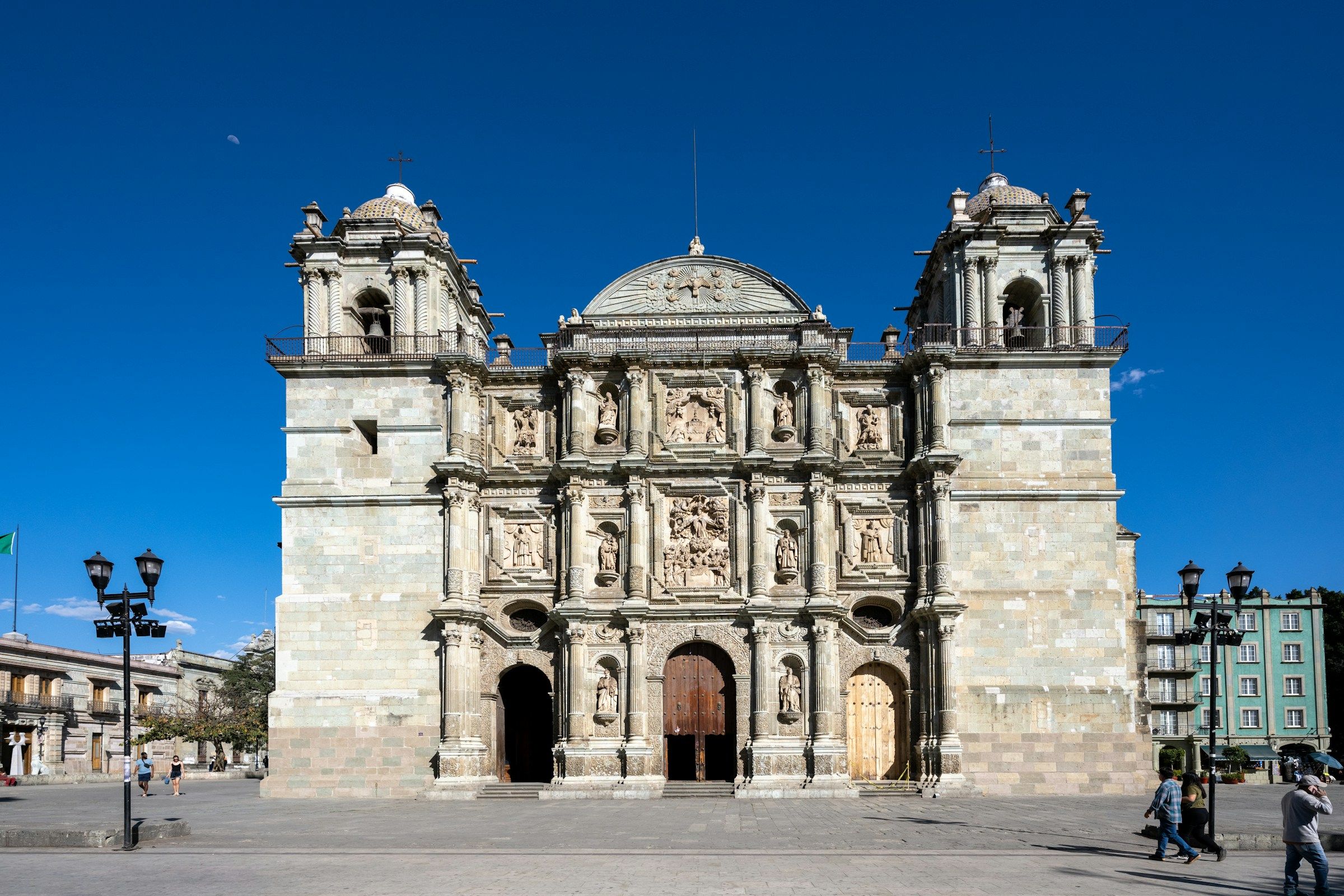
Best Time to Visit Oaxaca: Weather and Festivals
Choose Oaxaca dates around comfortable sightseeing or a specific celebration. Compare the seasons, festival commitments and alternatives for rainy days.
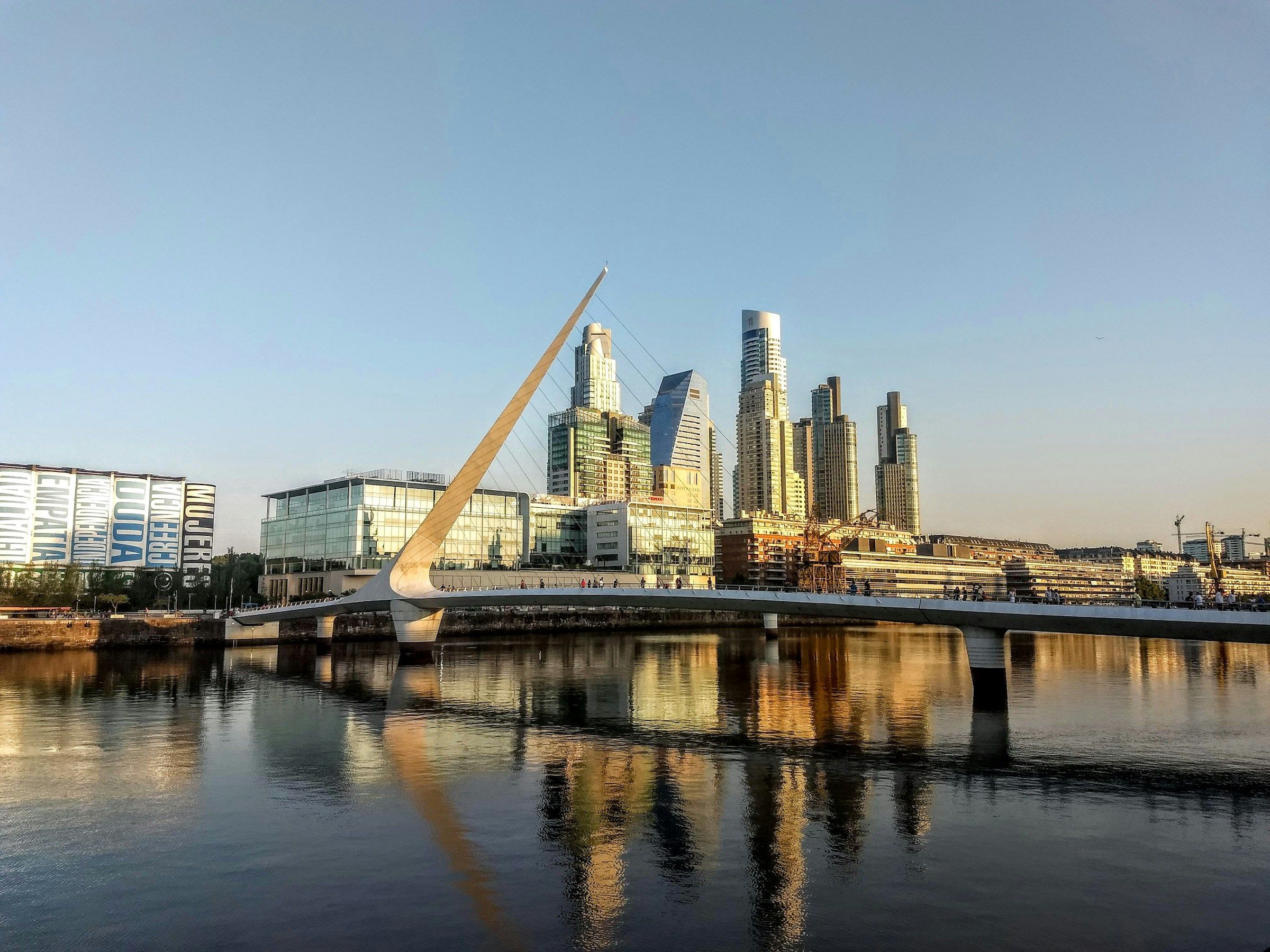
When to Visit Buenos Aires: Seasons and City Life
Compare spring, autumn, summer and winter for a Buenos Aires city break, including realistic jacaranda expectations and how to plan around cultural events.

Best Time to Visit New York City: A Seasonal Guide
Match your New York City dates to the trip you want: spring gardens, autumn walks, summer evenings or winter culture, with practical weather alternatives.