
A practical seasonal comparison for Marrakech: when to walk, when to slow down, what to check during Ramadan and why cheaper or quieter dates need a separate search.
For a first visit built around walking through the medina, shortlist March, April, October and November. These are our editorial starting points for avoiding the main summer heat while keeping gardens, monuments and outdoor meals central to the trip. They are not a guarantee of mild weather, low prices or empty attractions.
The best time to visit Marrakech changes if your main aim is a pool holiday, a particular exhibition or an excursion beyond the city. Start with the part of the trip you would be most disappointed to lose, then choose dates and accommodation around it.
Choose a season by the day you want
This table gives planning recommendations, not monthly forecasts or measured crowd rankings. Official visitor information was checked on 3 October 2026.
| Period | Strongest fit | Main compromise | Booking priority |
|---|---|---|---|
| March–April | Medina walks, gardens and a balanced first visit | Weather still needs checking; holiday dates can constrain choices | Preferred room and garden slot |
| May and September | Warm-weather city break with generous pauses | Heat may make a full walking day unattractive | Bedroom cooling and a realistic midday break |
| June–August | A stay centred on the property, with short city outings | Strong daytime heat limits outdoor plans | Air conditioning, shade and usable pool facilities |
| October–November | Sightseeing with flexible outdoor meals | Evenings and rain require alternatives | Room comfort and an indoor backup |
| December–February | City culture with warm layers and indoor pauses | Cool mornings and evenings; swimming needs separate checks | Bedroom heating and pool-heating terms |
For the route itself, use our Marrakech itinerary for 3 days. Here the decision is when that sort of trip will suit you, and how much of each day should remain adjustable.
What the climate sources can actually tell you
The Marrakech tourism board's seasonal guidance describes a pronounced difference between winter days and nights, and says summer temperatures can reach 45°C or more. That is a warning about possible heat, not an average for every summer day. A shaded lane or attractive courtyard does not establish how comfortable your bedroom or an outdoor tour will be.
Seasonal patterns help you choose dates; they do not predict the weather for your stay. The recommendations here are practical starting points, with room to adjust for a warmer, cooler or wetter spell.
Use the forecast close to departure to adjust the actual days. Keep a rain layer and a covered alternative in the plan instead of treating a sunny destination as a rain-free one. The national tourist office's climate overview also stresses Morocco's regional differences: conditions on the coast, in the mountains and farther south should not be inferred from Marrakech.
Spring: make walking the main activity
March and April are our first dates to compare for a trip dominated by the medina. You can plan the day around being out in the city, while retaining enough freedom to shorten the route if the forecast changes. May deserves a separate decision: if heat is something you actively avoid, do not book it merely because it appears under “spring”.
An effective spring day might have one monument in the morning, lunch in the same part of the medina and an optional garden later. As an editorial allowance, reserve 2–3 hours for that morning outing including walking and a pause, rather than scheduling continuous sightseeing until dinner. A longer visit to one place can replace the optional stop without upsetting the day.
Compare your dates with the school holidays that affect your departure airport and with available rooms. An April week is not automatically busier than a November week; the specific dates and availability matter. An unavailable room category or unsuitable garden slot is more relevant to your booking than a generic “high season” label.
For gardens, reserve the experience you actually want. The Jardin Majorelle official website directs visitors to its official online ticketing channel. Check the date, entry slot and included sites before you commit; do not assume an attractive afternoon remains available until you arrive.
Summer: decide whether the property is the holiday
June to August is a different proposition from a walking-led city break. If the plan requires long afternoons among exposed monuments and several cross-city walks, change the dates if you can. If you actively want time at a hotel and accept a lighter sightseeing programme, summer can still fit the trip.
A workable approach is one morning outing, a substantial return to your accommodation and an optional evening. Allow 60–90 minutes for the outdoor part of the morning as an editorial starting point, then shorten it if conditions demand. This is not a medical limit or a guarantee that any particular duration is comfortable.
The accommodation needs to support the hours you will spend there. Confirm air conditioning in the actual bedroom, whether shaded seating is available and whether the pool is large enough for your intended use. A plunge pool photograph does not promise swimming space, and a common courtyard does not replace a cooled room.
Do not justify summer solely with a presumed bargain. Compare dated quotes with the same room, meals and cancellation terms. Include any transport needed for repeated returns from town. A lower headline rate may buy a holiday in which you use fewer of the city's outdoor sights; decide whether that is a saving you value.
Autumn: separate September from late autumn
September should not be treated as an automatic switch to cooler sightseeing. Approach it like the warm end of the season: choose a room with cooling, retain the afternoon break and avoid making every important activity an exposed outdoor visit.
October and November are our other starting points for a first city trip. Plan for a combination of walking, gardens and indoor visits, with a layer for evenings and flexibility if rain changes the day. Neither month guarantees smaller queues at the visits you want.
Seasonal opening hours matter even when the weather suits you. Le Jardin Secret's visitor information currently lists 09:30–18:30 from March to September and 09:30–18:00 for October, February and November to January. Ramadan has a separate schedule. Recheck the operator before planning a late visit; a month with comfortable evenings does not mean every garden stays open into them.
Winter: prioritise a comfortable room over a rooftop image
December to February can work for a visit focused on museums, food and shorter medina walks. The practical adjustment is to make the middle of the day useful and arrange a pleasant place to return when temperatures fall. Pack layers rather than relying on the clothing shown in sunny promotional photographs.
Before booking a riad, ask whether the allocated bedroom has heating and whether it is included. If breakfast is advertised on a terrace, establish whether there is an indoor alternative. For a swimming holiday, get written confirmation of pool heating, operating dates and access conditions; “pool available” does not answer whether it suits your winter plans.
Our guide to where to stay in Marrakech compares the medina, modern-city districts and outer resorts. In winter the useful extra filter is the room and facilities you will use after the day's outing, rather than the neighbourhood name alone.
For year-end dates, compare the actual booking conditions, including any minimum stay or mandatory meal attached to the rate. This guide does not assert a citywide festive surcharge. If a specific property changes its terms, compare the full stay with nearby dates before choosing.
Ramadan and weekly closures can matter more than the month
Ramadan should be checked separately from the seasons. Confirm the calendar for the year of travel and ask individual operators about their arrangements; this guide does not fix future religious dates or imply uniform restaurant hours across Marrakech.
There are concrete timetable differences. Ben Youssef Madrasa publishes regular daily hours of 09:00–19:00, reduced to 09:00–16:30 during Ramadan. A plan that leaves the madrasa until late afternoon may therefore fail even in otherwise suitable weather.
Confirm breakfast, daytime meal options and your return arrangements with the accommodation. If a cooking class or particular dinner is central to the trip, ask for confirmation for your exact date before reserving other activities around it. Treat this as a timetable question, not a reason to assume the whole city closes.
The day of the week is another separate filter. The Yves Saint Laurent museum currently closes on Wednesdays. If that museum is essential, check your usable sightseeing days before buying flights. A pleasant season cannot compensate for a short stay entirely misaligned with the visit you most wanted.
Crowds, events and excursions: checks before committing
There is no reliable shortcut from a month name to the crowd level or hotel price you will encounter. “Quieter” can mean fewer people in a courtyard, easier restaurant bookings or more rooms within your budget; those are different measures. Use availability for your preferred visits and comparable accommodation quotes to resolve your own dates.
If an event is the purpose of the journey, use that edition's organiser announcement and ticket conditions before booking. Do not carry a date forward from a previous year's calendar. If you have no interest in attending, ask the property whether an event affects its meal, transport or minimum-stay arrangements.
For an Atlas, coastal or desert extension, assess the destination separately. Ask the operator about the specific route, exposure, current conditions and cancellation terms. A city forecast is not a mountain forecast, and a broadly suitable season is not confirmation that a particular excursion will operate.
Finally, preserve an uncommitted part of the stay. Move an outdoor visit to the better day, swap a garden for an indoor exhibition if the timing works, or spend longer over lunch. Choosing a season helps; leaving room to respond to the weather makes that choice useful.
Plan the next part of your trip
Use these related guides to compare where to stay, what to visit or another destination in the same region. Each guide covers a separate decision; this is not a combined itinerary.
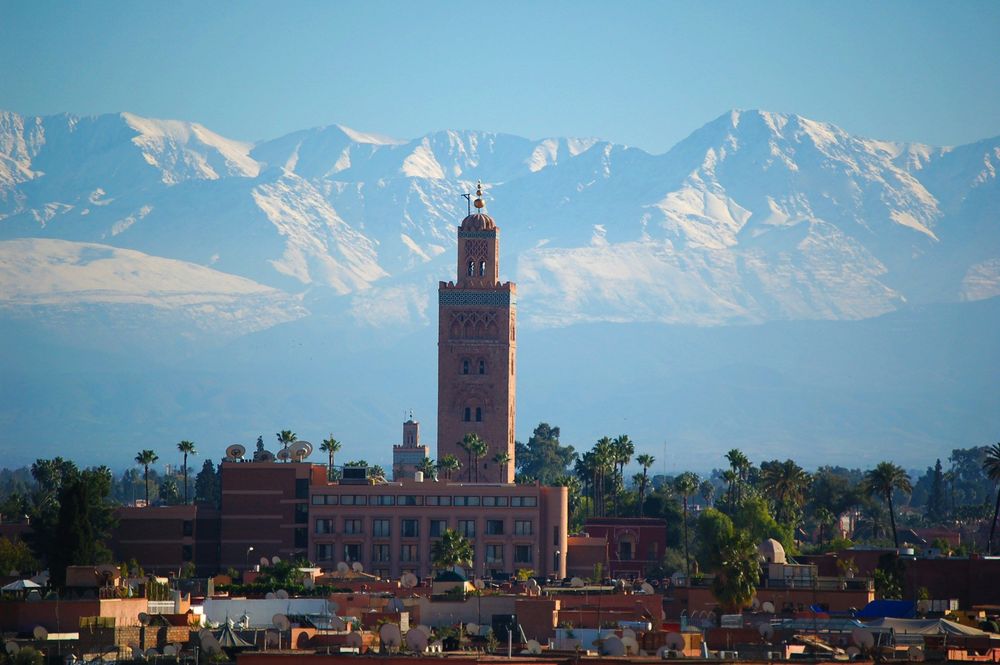
Cover photograph: Marrakech rooftops and a minaret with snowy mountains behind.. Photo by Paul Macallan on Unsplash.
Frequently Asked Questions
What is the best time to visit Marrakech for a first trip?
Start by comparing March, April, October and November for a visit built around medina walks and gardens. These are editorial recommendations; check the forecast, room availability and essential attraction slots for your dates.
Is Marrakech too hot in summer?
Summer can involve strong daytime heat. It is a poor fit for an inflexible schedule of long outdoor visits, but a property-focused holiday with short outings may work if the accommodation provides the facilities you need.
Can I swim in Marrakech in winter?
Do not decide from the existence of a pool alone. Confirm heating, operating dates and access for your room category, and allow for the conditions when getting out of the water.
Is there a guaranteed cheapest or quietest month?
No such guarantee is supported by the sources checked for this guide. Compare quotes with matching conditions and availability for the visits you value instead of relying on a citywide low-season label.
Can I visit Marrakech during Ramadan?
Yes, with a plan based on confirmed opening and meal arrangements. Some attractions publish shorter hours, so check your year's calendar and individual operators before fixing the order of the days.

Keep Exploring
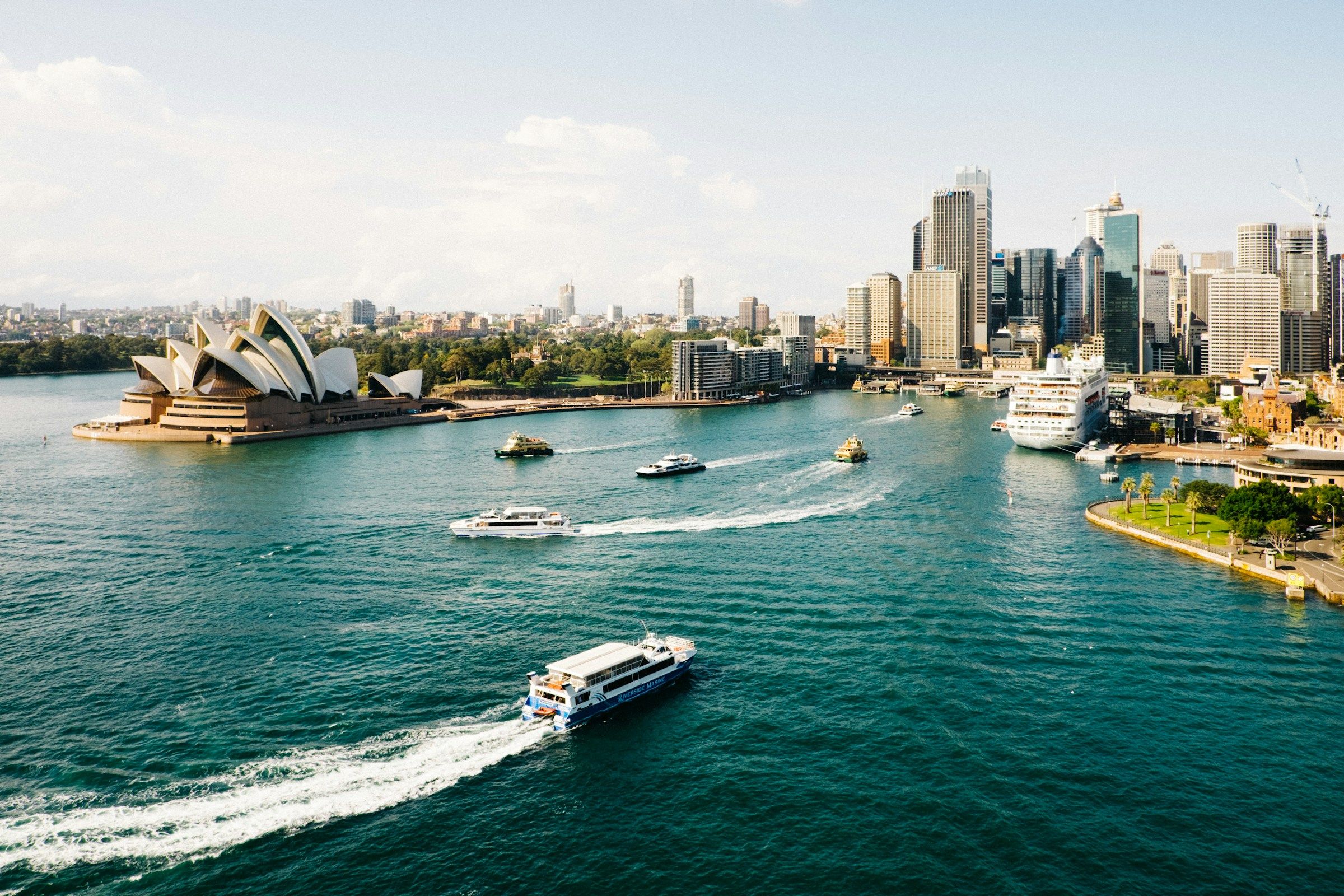
When to Visit Sydney: Seasons and Trip Planning
Compare Sydney's seasons for a beach holiday or city break, then check daylight, school holidays and major events before choosing your dates.
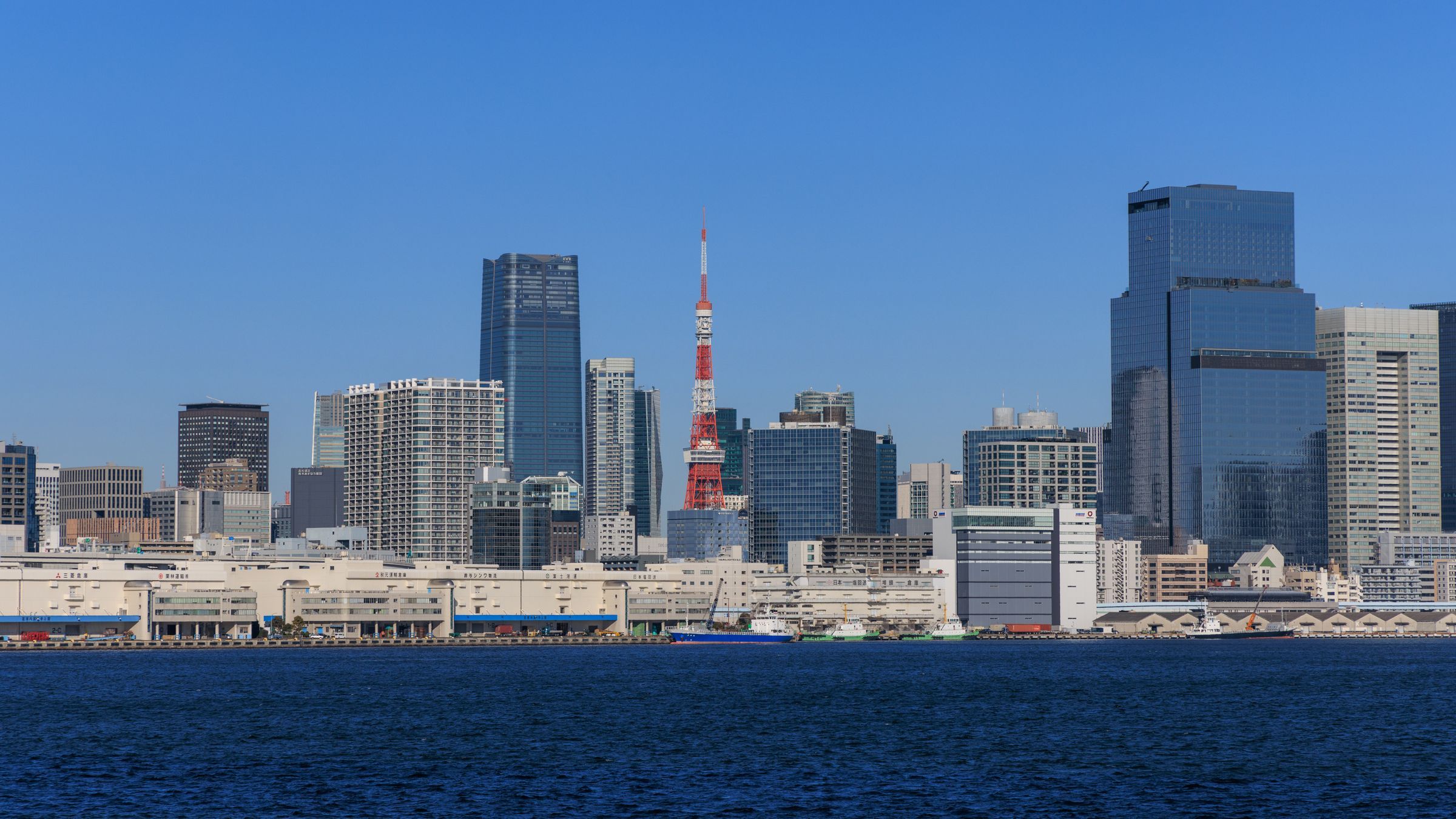
When to Visit Tokyo: Seasons and Trip Planning
Compare Tokyo's seasons by the trip you want: comfortable walks, uncertain blossom windows, summer evenings or winter culture. Turn your choice into a workable plan.

When to Visit the Maldives: A Planning Guide
January to March is the starting point for a weather-first Maldives trip. Compare transitional months, manta locations and surfing seasons before choosing your dates.