

January to March is the starting point for a weather-first Maldives trip. Compare transitional months, manta locations and surfing seasons before choosing your dates.
The best time to visit the Maldives depends on what you are travelling for. If the priority is a beach holiday with the strongest seasonal case for drier weather, start with January to March. If it is feeding mantas at Hanifaru Bay or a particular surf break, build the trip around that activity's local season instead.
Those choices cannot be reduced to a single good-month/bad-month calendar. The Maldives stretches across different rainfall patterns, marine conditions change with the monsoons, and an attractive room offer does not tell you whether your intended outing will operate. Use the seasons to choose a window, then check the island, activity and transport arrangements for that window.
A quick decision table
| Your priority | Starting point | The trade-off to check |
|---|---|---|
| Drier-weather beach holiday | January to March | Dry season is a tendency, not a guarantee of dry days |
| Travel in April or December | Treat either as a transition month | Avoid assuming the whole month behaves like the core dry season |
| Hanifaru Bay manta interest | Investigate the broad mid-May to December window | Confirm local excursion timing and accept uncertain sightings |
| Surfing | Choose the break and operator first | Suitable swell, wind and ability matter more than beach-weather rankings |
| Finding better value | Compare complete quotes across dates | No month guarantees the cheapest total holiday |
| Fixed school-holiday dates | Adapt the holiday to the available window | Leave room to move weather-dependent outings |
These are planning starting points based on sources checked on 3 October 2026, not a forecast for a particular departure.
Read the seasons more precisely
The Maldives Meteorological Service climate overview identifies January to March as the northeast dry monsoon, mid-May to November as the southwest wet monsoon, and April and December as transitions. It describes a warm, humid climate throughout the year, with average temperatures ranging from 25°C to 32°C.
This makes the official distinction more useful than assuming everything from November to April is equally dry. When two travel calendars disagree, check whether they are describing a broad holiday-selling period, a particular marine activity or the meteorological seasons. Different boundaries may reflect different questions.
Choose dates in stages. First decide whether reducing rain risk is your main goal. Then decide how much uncertainty you can accept at the edges of a season. Finally, price the dates that meet that preference. Starting with a discounted room and only afterwards discovering that your main activity has another seasonal pattern reverses the useful order.
Temperature alone is a weak way to decide between months. For most holiday plans here, the more useful questions concern rain, wind, sea conditions and how these affect the day you want to have. A weather symbol showing sunshine does not establish that a particular boat trip or reef entry is suitable.
January to March: the beach-first starting point
For a first trip centred on beach time, these months are the clearest initial shortlist. That is a seasonal recommendation, not a claim that every island has perfect weather or that every sea crossing will be smooth.
This window is particularly worth investigating when you have a short stay and would be disappointed if much of it depended on rearranged outdoor plans. Put the weather preference into the booking brief: explain that beach use matters more than a particular wildlife encounter, and ask the property how your intended beach and activities work during those dates.
Do not buy a dry-season label as a snorkeling guarantee. Water access, local currents and the day's instructions still matter. For an occasional guided excursion, ask about rescheduling. For a trip built around repeated time in the water, ask the dive or water-sports team about the specific sites it normally considers in your travel window.
A beach-first traveller and a manta-focused traveller can reasonably choose different months. Neither has made a mistake; they have given different weight to weather and marine activity.
April and December: assess the actual compromise
Treat April and December as genuine decision points rather than automatic extensions of the dry season. If you can travel in either a core dry-season month or a transition month, compare what the latter actually gives you: a better flight, a longer stay, a preferred room or a lower complete quote.
The compromise is easier to judge when you make it explicit. Would you accept more weather uncertainty for extra time at the property? Is an outdoor celebration tied to an unmovable date? Would you still enjoy the holiday if an excursion shifted or did not run? Those answers matter more than finding a calendar that colours your preferred month green.
For Christmas and New Year travel, request the exact package conditions for the nights you want. Check whether any special meals, minimum stays or cancellation terms apply; do not assume that a quote from earlier in December carries across. This is a booking check, not a claim that every property imposes the same conditions.
April also deserves its own conversation with a surf or marine operator. Being a transition month for rainfall does not automatically make it unsuitable for the activity that interests you.
Mid-May to November: plan for flexibility
The wetter monsoon is not a promise of continuous rain, but it is also not sound to promise that showers will always be brief or confined to the night. The meteorological service's weather guidance describes prolonged rain and showers mainly during the southwest monsoon and notes that rough seas can interrupt ferry services.
Build a holiday that can work when the order of days changes. Put a priority outing early enough in the stay to leave another possible date, subject to the operator's availability. Before paying for several excursions, ask whether cancellation leads to a refund, credit or rescheduling, and what happens when the alternative date falls after your departure.
Accommodation matters differently in this decision than in a simple island ranking. Investigate whether you would enjoy spending substantial time there between outdoor plans: somewhere comfortable to sit, meal arrangements that suit you and activities you actually want. Do not justify an otherwise unsuitable stay solely through a seasonal discount.
If your only available holiday is in July or August, there is still a meaningful choice to make. Match the trip to that window and its uncertainty instead of comparing it with an imaginary guaranteed-sunshine version. For a traveller whose enjoyment depends on uninterrupted sunbathing, that uncertainty may be a reason to change dates or destination.
North and south are not interchangeable
The meteorological service reports that annual rainfall generally increases from the northern to the southern atolls. Its weather guidance also notes that heavy showers can occur in southern atolls during the northeast monsoon. These are regional climate patterns, not a tool for declaring one particular island dry on your dates.
Do not apply a Malé weather chart to every atoll as if it were a local forecast. Equally, do not infer from a lower annual total that a northern property will have better weather during your individual stay. Annual averages do not reveal how rain will be distributed across your holiday week.
Once you have selected an area, ask about that area. In the approach to departure, use official forecasts and local operator updates rather than continuing to consult a national monthly guide. The planning question changes from “which season suits me?” to “what is appropriate here today?”
Mantas: match the calendar to the site
Hanifaru Bay in Baa Atoll is a good example of why the driest months are not the answer to every Maldives trip. Manta Trust explains the bay's feeding phenomenon through tides, currents and the concentration of plankton, describing a broad window from mid-May until December. This is an ecological window, not an excursion timetable or a promise of animals on any chosen day.
If Hanifaru is your main reason for travelling, ask a local operator which dates it recommends within that window, how visits are arranged and how much flexibility you should retain. A fixed appointment with wildlife is not something a room reservation can deliver.
There is also no single nationwide manta season. Visit Maldives' site-specific guide describes west-side Raa Atoll sites such as Sola Corner for December to April and east-side sites such as Kottefaru for May to November. The useful question is therefore which site an operator expects to visit during your stay, rather than whether mantas exist somewhere in the country that month.
Separate the wildlife goal from the underwater-photography goal. Feeding on concentrated plankton and expecting uniformly clear water are different expectations. Explain the experience you want to the operator and accept that sightings, visibility and access remain dependent on conditions.
Surfing: start with the break, not the beach calendar
Visit Maldives' surfing overview gives a broad season from mid-February to November and highlights March to May and September to the end of November. It names Cokes at Thulusdhoo in North Malé Atoll and breaks including Beacons and Blue Bowls in Huvadhoo Atoll. Treat this as an introduction to regional choices, not a swell forecast.
For a dedicated surf trip, send your dates and experience level to the operator before selecting accommodation. Ask which breaks it can actually access, how it chooses the daily destination and what alternatives exist if the intended break is unsuitable. A month recommended for experienced surfers need not be the right answer for someone seeking introductory lessons.
For a mixed holiday, agree whose priority determines the dates. A non-surfing companion may care more about beach conditions and time together than the strongest surfing opportunity. A property name and a broad surf-season label do not resolve that difference.
Booking dates and transfers together
Weather is only one constraint on a Maldives travel day. Trans Maldivian Airways states that its seaplanes fly from sunrise to sunset, with resort transfers booked through partner resorts. A late international arrival therefore needs a confirmed connection plan whatever the month.
Ask the property to check your proposed inbound and outbound flights before purchasing them. Establish what happens after a delayed arrival and whether an overnight stop would be needed. This is particularly important if your trip is short: losing usable island time can outweigh a modest saving on the flight.
For value, compare the same room category, meal plan, transfers and cancellation conditions across your possible dates. Include the activities that motivated the trip. A cheaper room with fewer workable excursion opportunities may not be better value for you; a flexible stay you would enjoy in changing weather may be.
Choose the month that supports your main purpose, keep secondary activities flexible and obtain the operator-specific details before committing. That produces a more useful booking decision than trying to find a month that wins every category.
Plan the next part of your trip
Use these related guides to compare where to stay, what to visit or another destination in the same region. Each guide covers a separate decision; this is not a combined itinerary.
Cover photograph: Aerial view of a palm-lined coastline in Addu City, Maldives. Photo by Shifaaz shamoon on Unsplash (Unsplash).
Frequently Asked Questions
What is the best time to visit the Maldives for dry weather?
Start with January to March, the northeast dry monsoon identified by the Maldives Meteorological Service. This improves the seasonal case for a beach-focused trip but does not guarantee dry days or calm water.
Is December part of the dry season?
The meteorological service classifies December as a transition month. Assess your exact trip and booking conditions rather than treating it as identical to January through March.
Should I avoid the Maldives in August?
Not automatically. August falls within the wetter southwest monsoon, so plan for weather-dependent changes and choose a stay you would enjoy between excursions. It is a less suitable match if uninterrupted sunshine is essential.
Are the dry months best for seeing mantas?
Not everywhere. Hanifaru Bay has a broad feeding window from mid-May to December, while other sites have different seasonal patterns. Confirm the specific location and excursion arrangements; no sighting is guaranteed.
Which month is cheapest for a Maldives holiday?
There is no verified universal cheapest month. Compare complete quotes for your dates, including meals, transfers, activities and cancellation terms, rather than relying on an advertised room discount.

Keep Exploring
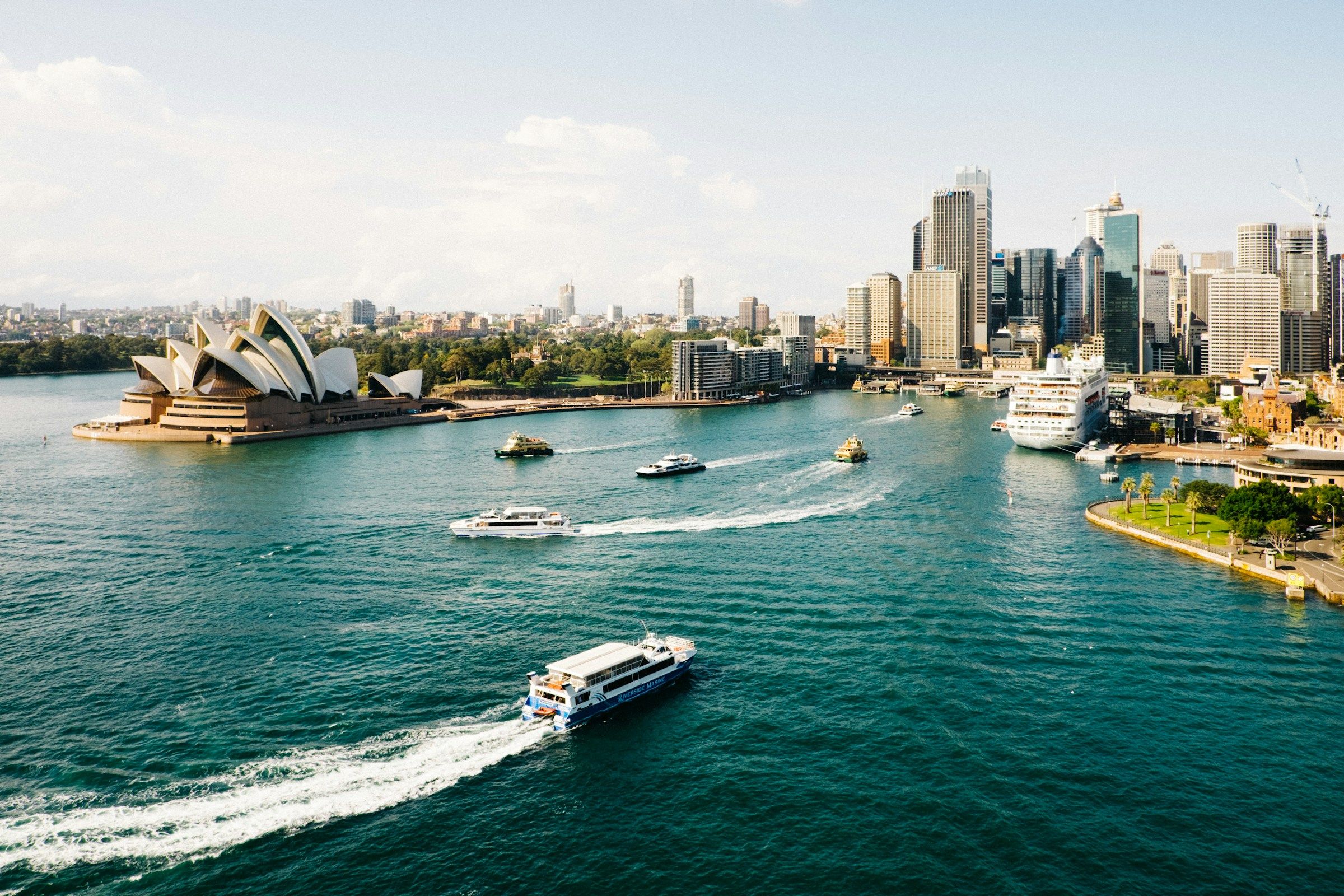
When to Visit Sydney: Seasons and Trip Planning
Compare Sydney's seasons for a beach holiday or city break, then check daylight, school holidays and major events before choosing your dates.
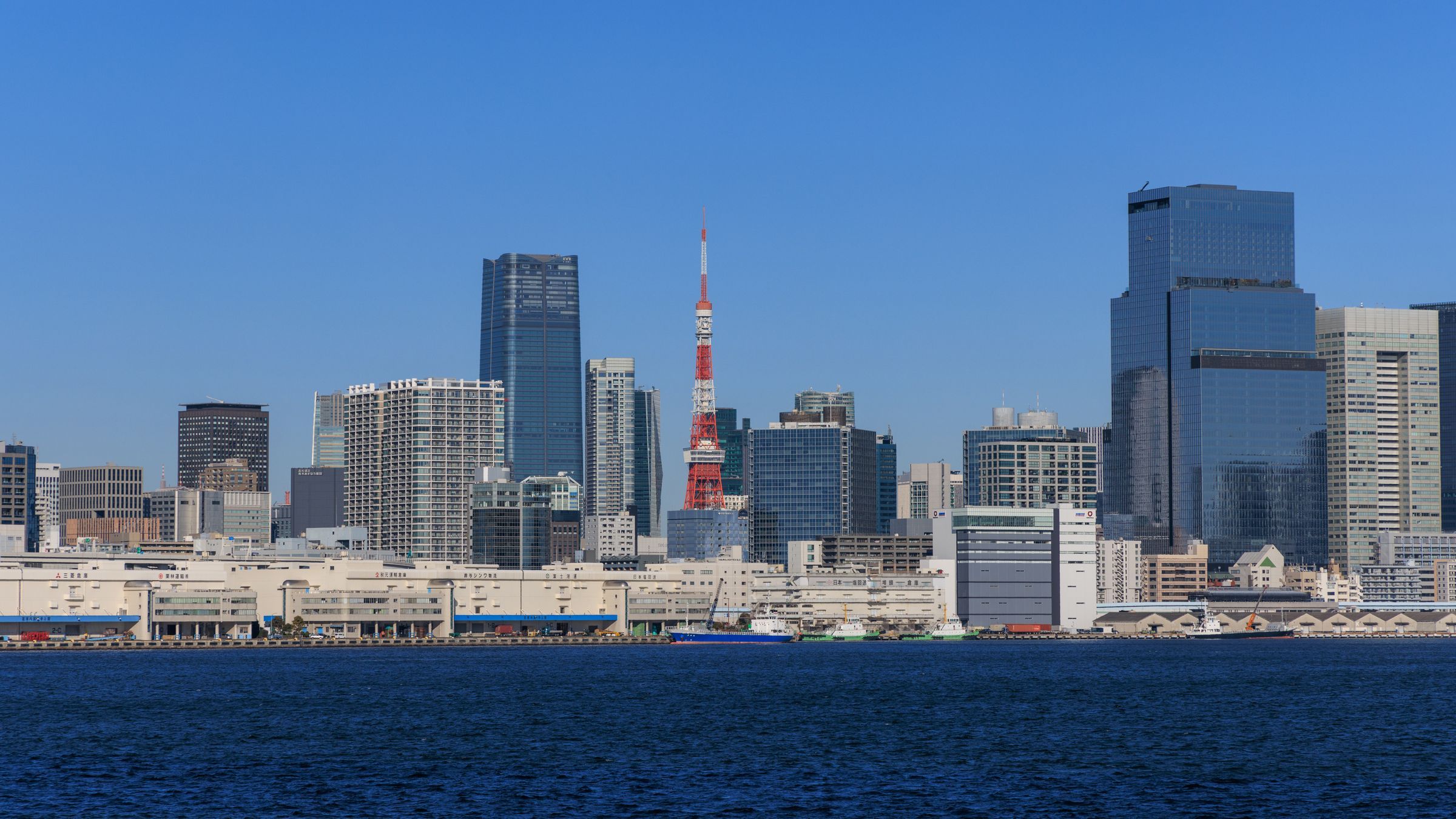
When to Visit Tokyo: Seasons and Trip Planning
Compare Tokyo's seasons by the trip you want: comfortable walks, uncertain blossom windows, summer evenings or winter culture. Turn your choice into a workable plan.

When to Visit Marrakech: Planning Your Trip
A practical seasonal comparison for Marrakech: when to walk, when to slow down, what to check during Ramadan and why cheaper or quieter dates need a separate search.