
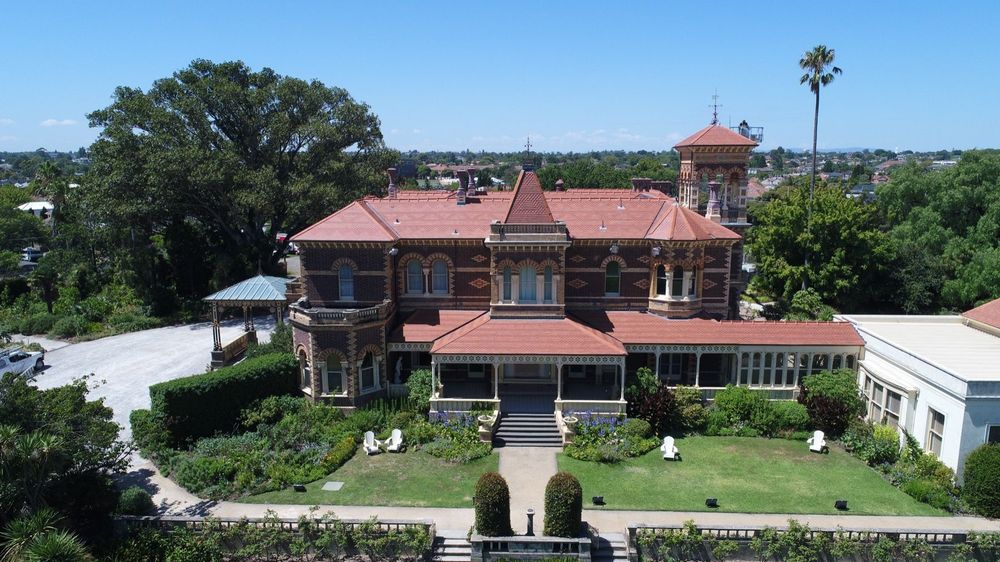
Rippon Lea Estate: Melbourne House and Garden Visit
Plan Rippon Lea Estate: garden admission versus mansion tours, seasonal hours, access limits, picnics and the journey from Melbourne.
Rippon Lea Estate is a house-and-garden visit in Elsternwick, south of central Melbourne. Its pleasure gardens make a rewarding outing on their own; entering the mansion requires a separate booking choice. Decide which of those visits you want before choosing an arrival time, because the estate can remain open after the day's mansion tours have finished.
For a first visit with an interest in domestic history, book a mansion session and leave time for the garden around it. For plants, a picnic or a quieter outdoor afternoon, garden admission may be enough. Allow roughly two to three hours for a combined visit, longer with a leisurely lunch. That is a planning suggestion rather than the operator's promised tour duration. Use our Melbourne things to do guide to balance this suburban outing with your central museums and neighbourhood plans.
Garden admission and mansion tickets are different
The official visitor page distinguishes general admission, which covers garden entry, from guided tours purchased as add-ons. At the November 2026 check, standard garden prices were AUD15 for adults, AUD12 concession, AUD9 for children aged 3–15 and AUD40 for a family of two adults and two children.
A standard adult mansion-tour add-on was AUD10. An adult buying both garden admission and that tour would therefore budget AUD25 before booking fees. Do not mistake the AUD10 tour listing for the complete admission price. Garden tours also use separate add-on tickets; choose the experience you actually want rather than assuming every tour is bundled together.
National Trust members and eligible local resident cardholders have different arrangements. The resident garden scheme concerns Glen Eira and Port Phillip residents with the required evidence or card, not all visitors staying in Melbourne. If you qualify, check the current conditions directly; if you do not, budget the ordinary admission category. Special events may have their own tickets and inclusions.
| Visit choice | Standard adult budget | What to reserve |
|---|---|---|
| Garden only | AUD15 before booking fees | General admission |
| Garden + guided mansion tour | AUD25 before booking fees | General admission + AUD10 tour add-on |
Choose the tour before the arrival time
The mansion-tour page lists prebookable tours at 11:00 and 14:00 on weekdays, with an additional 12:00 session on weekends. Tuesday at 14:00 is an Open House arrangement instead of the usual guided tour, with the open-house window running 14:00–15:00. Market days and selected special events can also replace normal tours with an Open House format.
The distinction matters. A guided session is the choice for explanation and questions; an Open House is a different format, not simply another guided departure under a new name. Read the date-specific booking description before paying. Published tour capacity is limited to 15 people, so an advertised time does not guarantee a spare place when you arrive.
The National Trust property listing gives seasonal estate hours: 10:00–17:00 from September to April and 10:00–16:00 from May to August, with last entry 30 minutes before closing. Normal public visiting closes on Christmas Day. Private bookings can also affect access, so check your actual date even if it falls within the usual weekly pattern.
For a combined visit, work backwards from the mansion appointment. Leave enough time at the gatehouse to resolve tickets and find the meeting point, then put the longer garden walk after the tour. Arriving late in the afternoon may still allow a garden visit but is a poor plan if entering the house is your priority: the published regular mansion schedule finishes much earlier than the grounds close.
Read the house as a place that changed
Rippon Lea stands on Bunurong / Boon Wurrung Country. The mansion and garden represent a particular history of wealth and suburban estate-making on that land, rather than the beginning of its story. Keeping that distinction in mind gives the architecture a broader setting.
The house originated in the 1860s for Frederick Sargood, whose business benefited from the goldfields economy. The estate's history describes repeated enlargements and changes to dining spaces, bedrooms, stairs, verandas and service areas. The building visitors encounter is the product of those layers, not a single moment preserved without alteration.
On a tour, look for the relationship between display and work. Which rooms were designed to receive guests, and which arrangements supported the household behind the scenes? Ask what belongs to which period before assuming that furniture, decoration and architecture all date from the first owners. A useful question is how a later family changed the way a room was used.
The garden offers another clue: sophisticated water collection and irrigation helped sustain the estate. Australia's national heritage description highlights that system alongside the mansion's architectural importance. Thinking about water, maintenance and labour makes the garden more than an attractive backdrop for the house.
Choose a garden route with a purpose
The estate's garden guide identifies the lake, fernery, orchard, western lawn, coach-house complex and pool terrace. You do not need to inspect every feature equally. Choose two or three interests, then leave room to stop where the planting or view catches your attention. A map from the gatehouse is more useful than trying to improvise a complete circuit from photographs.
The fernery is a good starting point for understanding Victorian enthusiasm for ferns and the creation of a particular growing environment. Compare that enclosed, shaded character with the openness of the lawn. The orchard shifts the emphasis again, towards productive planting and older fruit varieties. These changes in purpose are part of what makes an estate garden different from an undifferentiated park.
Around the lake, take your time and stay attentive to edges and other visitors rather than walking backwards to frame photographs. The pool and terrace belong to the estate's later development, in the late 1930s, so they should not be read as features of an unchanged 1860s garden. Seeing different periods side by side is part of the visit's appeal.
Plants, weather and maintenance affect what you see. An older photograph is not a promise of the same flowers or an open path on your date. Ask about any closures on arrival and let staff advice determine your route. If a particular guided garden tour is your main reason for coming, confirm that tour's schedule and ticket separately from a mansion reservation.
Access limitations to plan around
The estate explicitly limits accessible mansion entry to the ground floor. An iPad with images of the upper floor is available during guided tours; speak to the guide about it. This is useful interpretation, but it does not provide physical access upstairs. Discuss your requirements before buying a tour if seeing particular rooms is central to your decision.
Garden paths are gravel, and the operator warns that some can be difficult for wheelchair users. Ask at entry for the map identifying more suitable paths. Do not interpret the size of the lawns or the invitation to stroll as a guarantee of a completely smooth, step-free circuit.
There is no ordinary on-site parking. Visitors for whom off-site parking creates a mobility problem can contact ripponlea@nattrust.com.au about suitable access; the estate prefers 48 hours' notice. Prams cannot go through the mansion, so families should ask where to leave them and plan how to manage the house visit. Assistance animals are permitted under the venue's conditions; ordinary pets are not part of the standard visiting arrangement.
Picnic, tea room or a meal elsewhere?
Picnics are welcome, but the official visitor FAQ asks visitors to take rubbish away and prohibits bringing alcohol. Carry what you need to leave the lawn clean. A casual picnic is different from an organised private party, which requires prior arrangements with the venue.
The Gatehouse Tea Room lists drinks and light refreshments, with hours of 10:00–16:00 and last service at 15:30. Do not build a late lunch around an assumption of a full restaurant menu or service until the estate closes. Bring suitable food for your group, check a separate dining offer, or plan a meal outside the estate.
With children, put the fixed house appointment before the flexible picnic. That reduces the chance of having to pack up abruptly when everyone has just settled down. Allow time for toilets and the transition between garden and interior; neither the lake nor a historic house is a place to stop supervising children simply because the outing feels relaxed.
Getting there and deciding what comes afterwards
The entrance is through the gatehouse at 192 Hotham Street, Elsternwick. The operator places it about five minutes on foot from Rippon Lea station on the Sandringham line. That is an approximate local walk, not the total journey from your accommodation. Check the day's train services and add time for the station exit and your own pace.
Do not treat this as a short detour between two central Melbourne museums. The journey south, mansion booking and garden visit make it a distinct part of the day. Keeping lunch flexible is often more useful than trying to attach another timed attraction immediately afterwards.
If you still want an outdoor afternoon near the bay, our St Kilda visit guide helps choose a separate neighbourhood stop. Check the actual transfer instead of assuming the estate and beach are adjacent. A full garden visit may already provide all the outdoor time you want; staying longer at Rippon Lea is a reasonable choice.
Before travelling, confirm three things: the estate is open on your date, your ticket includes the intended garden and house access, and the tour format suits you. Those checks prevent the main avoidable disappointment here: arriving at an open estate expecting a mansion visit that was never included or has already finished.
Cover photograph: Rippon Lea mansion with its veranda and garden lawns in Melbourne — Archive photograph Resized for publication. — Tim Sabo, CC BY-SA 4.0.
Frequently Asked Questions
Does a Rippon Lea garden ticket include the mansion?
No. General admission covers the gardens. A mansion tour is normally a separate add-on, and the estate requires general admission with the tour ticket. Check the exact inclusions for Open House sessions and special events.
How much is an adult house-and-garden visit?
At the November 2026 check, standard adult garden entry was AUD15 and a mansion-tour add-on AUD10, making AUD25 before booking fees. Membership, resident arrangements and special events can differ; verify the current booking total.
Can I enter the mansion without a guided tour?
The usual format is a guided tour. Tuesday 14:00–15:00 Open House, market days and selected special events have different arrangements. Book the date-specific option rather than assuming unrestricted daily interior access.
Is Rippon Lea accessible in a wheelchair?
The mansion offers accessible entry to the ground floor only, with upper-floor images available on an iPad during tours. Gravel garden paths can be difficult; request the suitable-route map and discuss access requirements in advance.
How long should I spend at Rippon Lea?
Allow roughly two to three hours for a mansion booking and an unhurried garden visit, longer for a picnic. This is an editorial planning estimate. Your booked house session, interests and mobility needs should determine the final schedule.


Keep Exploring
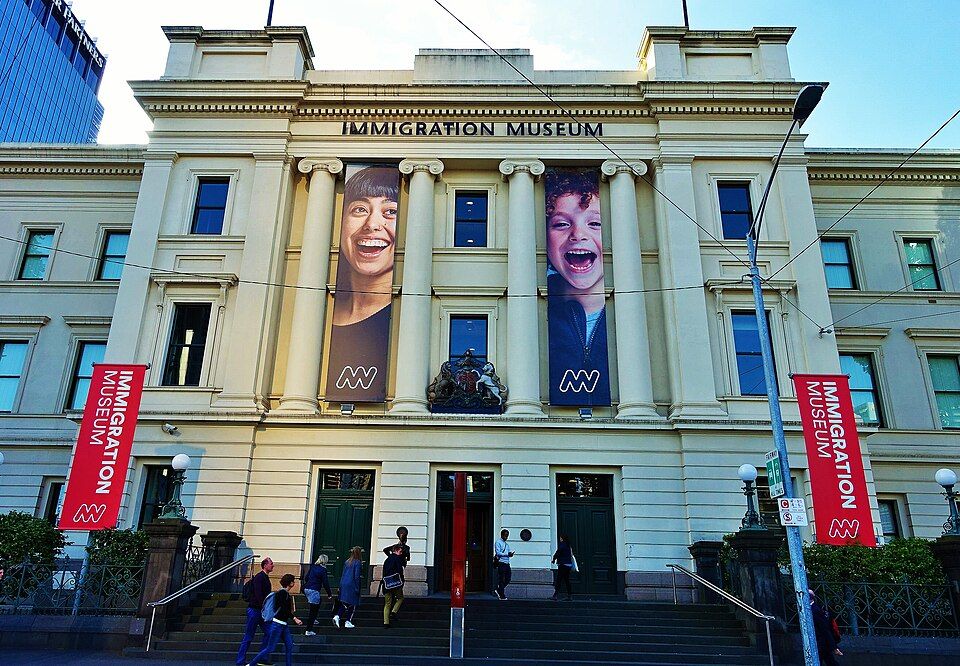
Immigration Museum Melbourne: Plan Your Visit
Choose Melbourne’s Immigration Museum galleries, current exhibitions or a guided tour, with ticket eligibility, access and a thoughtful visiting plan.
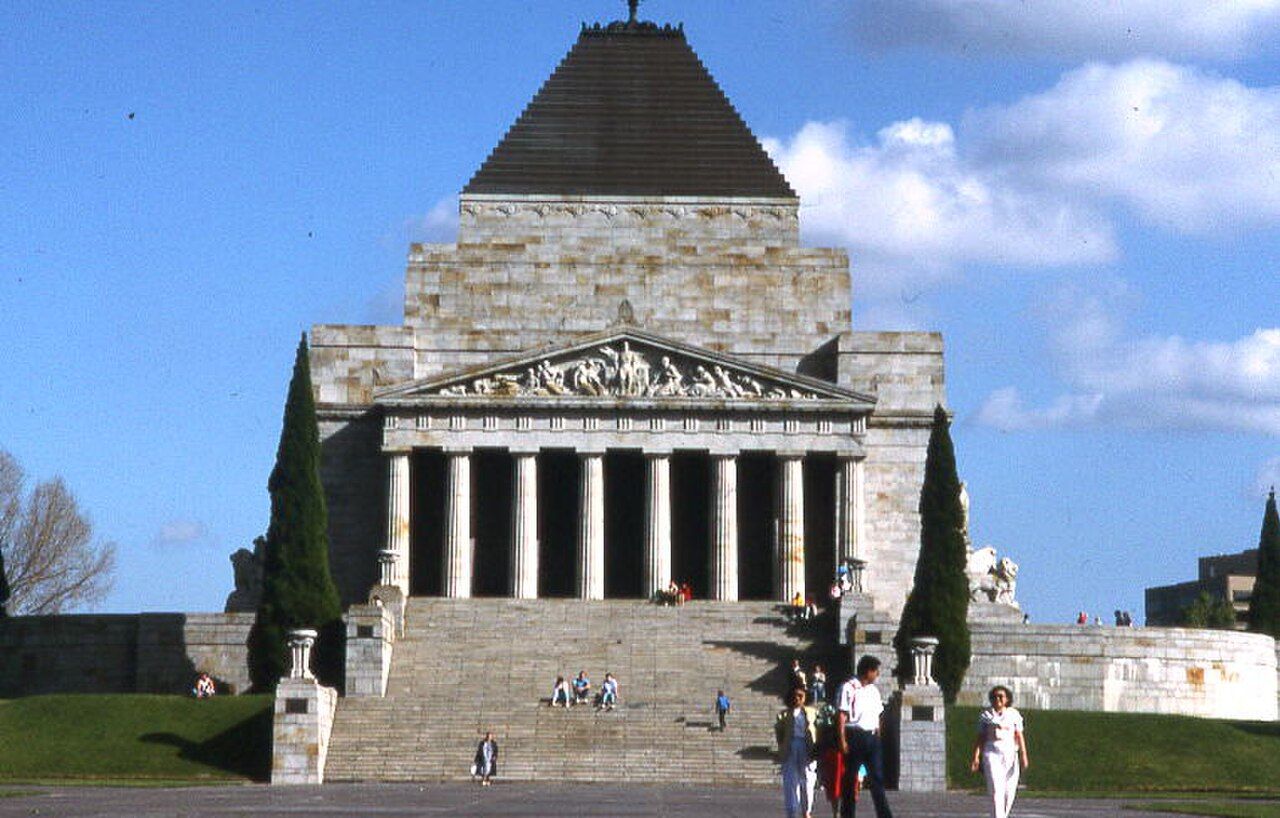
Shrine of Remembrance Melbourne: Plan Your Visit
Visit Melbourne’s Shrine of Remembrance: free galleries, Sanctuary, Ray of Light, paid tours, Sunday Last Post and step-free routes.

ACMI Melbourne: Plan a Screen Culture Visit
Plan ACMI at Fed Square: its free moving-image exhibition, interactive displays, the Lens, cinema tickets, access and a realistic visit with children.