
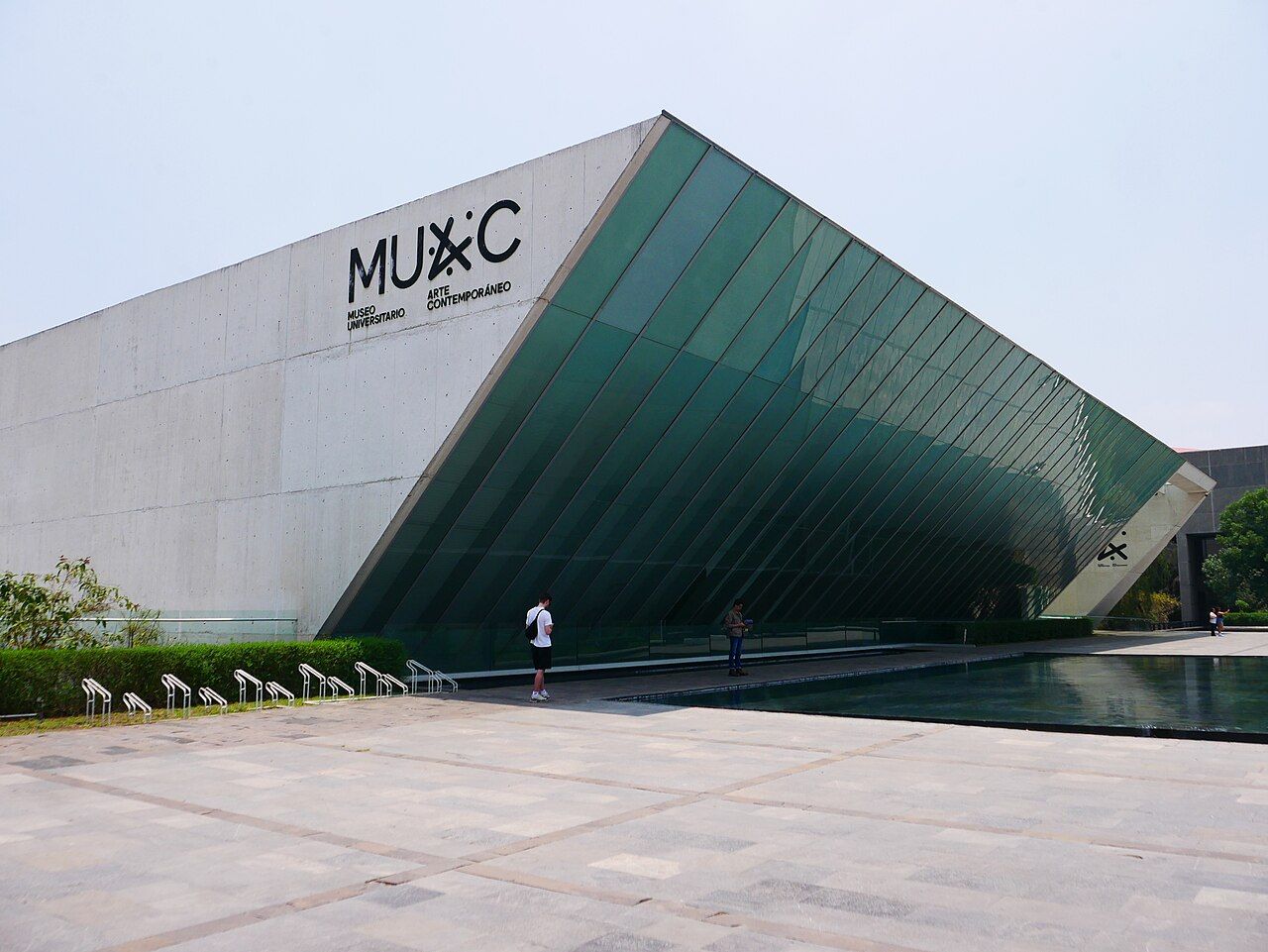
Choose MUAC exhibitions, understand the collection display, compare Thursday free entry and Sunday discounts, and plan the journey to UNAM’s cultural centre.
Choose MUAC for a substantial contemporary-art visit in the south of Mexico City, and choose the exhibitions before deciding how much of UNAM to add. The Museo Universitario Arte Contemporáneo belongs to the university's Centro Cultural Universitario. It rewards time with ideas, installations and the way a university museum presents its collection; it is a different outing from seeing the famous murals around the Biblioteca Central.
Allow 2–3 hours inside, plus your journeys, as an editorial planning estimate. A shorter visit can work if you select one exhibition, but travelling across the city merely to hurry through every room is rarely a satisfying compromise. Our Mexico City cultural guide helps compare this outing with archaeology, historic-centre museums and neighbourhood time.
Fast facts
| Decision | Information checked 12 November 2026 |
|---|---|
| Location | Insurgentes Sur 3000, Centro Cultural Universitario, Coyoacán |
| Tuesday, Wednesday, Friday | 10:00–18:00 |
| Thursday | 10:00–20:00; free admission 18:00–20:00 |
| Saturday / Sunday | 11:00–20:00 / 11:00–18:00 |
| Monday | Closed |
| Standard general admission | MXN60; Sunday 50% discount at the ticket office |
| Online tickets | MXN60; the official page says discounts do not apply online |
| Ticket sales | End 30 minutes before closing |
| Sensible focus | One main exhibition, then a contrasting selection |
These are published arrangements, not a live booking quote. Recheck the museum's visitor page for your date. An evening opening gives you more choice; it does not make a late arrival equivalent to a full afternoon.
Decide whether this is your kind of art visit
MUAC is a public university museum that opened in 2008. Its institutional introduction describes a collection of work produced from 1952 onwards by artists based in Mexico, alongside research and exhibition activity. That gives the visit a clear intellectual setting without turning it into a survey of every period of Mexican art.
Come when you are curious about how artists investigate social, political or environmental questions, and when you are willing to let unfamiliar work hold your attention. You need not know the artists already. Reading an introductory text and spending time with one work can make a better beginning than trying to recognise names throughout the museum.
For a group, read two exhibition descriptions together before committing. If one person mainly wants historic murals and another wants experimental art, identify that difference early. You can still share an outing, but you will make a better route when everyone understands why this particular museum has been chosen. The building's striking glass facade is an appealing arrival, not a substitute for that decision.
Begin with the collection, if context is your priority
On the check date, Historias en construcción is scheduled in galleries 4, 5 and 6 from 3 October 2026 to 21 March 2027. The museum describes it as the starting point for presenting its collection permanently through rotating selections. The listed dates belong to this presentation; they are not a promise that every work will remain indefinitely.
This is a useful starting point if you want to understand the institution before moving to an individual artist or a thematic show. Ask what is being collected, which artistic histories the selection brings forward and how the arrangement changes your understanding of the objects. A collection gallery can be read as a set of curatorial choices, rather than simply a room containing things the museum owns.
Give the introductory material some time, then select a few works for closer attention. A useful practical approach is to return to the first object after seeing part of the room: the surrounding material may change what you notice. This is an editorial viewing suggestion, not a required sequence or a guided-tour script.
Add a temporary exhibition with a different question
The museum's current exhibition list is the best starting point for choosing the second part of your visit. It distinguishes current, past, future and virtual exhibitions. Search results and old photographs can surface all four, so confirm that the title you want belongs to the dates when you will actually be there.
For example, Desde el umbral, listed through 29 November 2026, brings together artistic and research approaches to the separation between humanity and nature. Choose it if that relationship interests you. Its end date makes it a timely option for a November visit, rather than an evergreen promise for a later trip.
A collection presentation and a thematic exhibition can make a satisfying pair because they pose different questions. Leave room to linger if the first holds you. If moving-image or sound work is part of your chosen exhibition, check its duration and entry instructions on site before deciding that a brief glance has covered it. Do not expect every gallery to offer the same pace or sensory environment.
Choose the admission arrangement that fits your visit
The difference between the ticket office and online booking matters here. The ordinary published price is MXN60, but the visitor page says online tickets do not receive discounts. At the ticket office, Sunday brings a 50% general-public reduction. Sunday is discounted, not universally free. Thursday admission is free from 18:00 to 20:00.
Free categories include UNAM students with valid identification, children under 12, and visitors with disabilities and a companion. Other categories and identification requirements are listed by the museum; check the one that genuinely applies to each person. Students from other institutions are listed for a 50% reduction, rather than the automatic free admission available to UNAM students. Do not treat a university affiliation or an age close to the threshold as sufficient without checking.
If saving the admission fee is your priority and an evening suits your transport, Thursday can work well for a selective visit. If you want a slower afternoon and several galleries, choose your date by available time first. Do not spend more on an inconvenient journey merely to save a modest museum fee. Discount categories are also a reason to read the ticket conditions before purchasing online.
Use mediation to find a way into unfamiliar work
The visitor page advertises overview tours with the Enlaces team at 12:00 Tuesday–Sunday, with additional sessions at 18:00 Thursday and Saturday. It also says mediated exhibition tours are free. This refers to the tour, not a blanket exemption from admission when an entry fee applies.
Ask on arrival which exhibitions the session covers and confirm language, capacity and any arrangements your group needs. A published schedule is useful for planning but does not prove that a particular language or private tour will be available. For an organised group, contact the museum beforehand rather than assuming you can join together without arrangements.
A mediated visit is especially useful when you want help finding a question to pursue. You can listen first, then return independently to the work that interested you most. If you prefer looking alone, use the same principle: read enough context to begin, spend time with the work and allow your interpretation to develop instead of trying to master the whole exhibition immediately.
Plan the arrival to the cultural centre
The museum lists Metrobús Centro Cultural Universitario as an arrival option. It also points visitors to Metro Universidad followed by Pumabús route 3 to the cultural zone. Those are distinct journey choices. Check the current route, operating day and final approach before relying on a campus connection, especially for an evening visit. This guide does not promise a particular service frequency or fare.
Enter the museum's exact address when arranging a road journey. “UNAM” alone covers a much larger campus and can deliver you to the wrong starting point. Traffic also makes a fixed cross-city duration unreliable; use a current journey estimate from your accommodation and leave margin before a tour you particularly want to join.
For the return, identify the stop or pickup point while you still have energy. An evening museum visit should not end with discovering that you planned only the outward leg. If you are using a connecting campus service, confirm the return arrangements rather than assuming the outward route operates unchanged until your preferred departure time.
Add the mural campus only when it deserves its own time
Our UNAM campus guide focuses on the Biblioteca Central, Rectoría and an outdoor art visit. That central campus area is a separate destination from MUAC's cultural-centre setting. Sharing the university name does not turn the two into adjacent museum rooms.
For an art-focused day, the combination can make sense: monumental public art outside and a concentrated contemporary-art visit inside. Plan the transfer and protect time for both. If you have only a short afternoon, MUAC alone is a coherent choice. Conversely, if the murals are the main attraction, choose them deliberately and leave the museum for a day when an exhibition interests you.
Do not add Coyoacán's central squares simply because the museum address says Coyoacán. An administrative location is not evidence of a short walk to a different neighbourhood destination. A meal close to the activity you have actually chosen is often more practical than a third journey across the south of the city.
Access, children and a manageable ending
The museum lists wheelchairs and a cloakroom among its services. For a specific mobility or sensory requirement, ask about the actual exhibition route, seating and the installations you want to experience. Availability of a wheelchair does not establish the suitability of every artwork or the entire transport journey. Confirm assistance before arrival if it is essential to the visit.
With children, choose a small amount of art to discuss together instead of expecting adult stamina. Free admission under 12 is a price condition, not a promise that every exhibition is designed for children. Read the programme and ask staff about the work on display; a separate workshop may have its own booking, age limits and cost.
Finish when attention begins to fade. The listed shop-bookshop can provide a quieter final browse, but purchases and a restaurant stop are optional. A visit in which you remember a few works and understand why they mattered is a more useful outcome than completing rooms after the group has stopped looking.
Cover photograph: MUAC’s sloping glass facade and reflecting pool at UNAM, Mexico City, photographed in 2025 — Archive photograph; no edits to the downloaded file — Luisalvaz, CC BY-SA 4.0.
Frequently Asked Questions
Is MUAC free on Sundays?
The published general-public Sunday offer is a 50% discount at the ticket office, not universal free entry. Thursday admission is free from 18:00 to 20:00, and specific eligible groups have separate free-entry conditions.
Does MUAC open on Tuesdays?
Yes, the schedule checked on 12 November 2026 lists Tuesday 10:00–18:00. Monday is closed. Recheck the museum calendar for exceptions and remember that ticket sales end 30 minutes before closing.
Is MUAC next to the UNAM Central Library murals?
MUAC is in the Centro Cultural Universitario. The Biblioteca Central and Rectoría belong to a different campus area, so plan a transfer and time for each rather than treating them as one compact stop.
Can I see the museum's collection?
Historias en construcción is listed from 3 October 2026 to 21 March 2027 as the start of an ongoing collection presentation with rotating works. Check the current programme; ownership does not guarantee a particular work is on display.


Keep Exploring
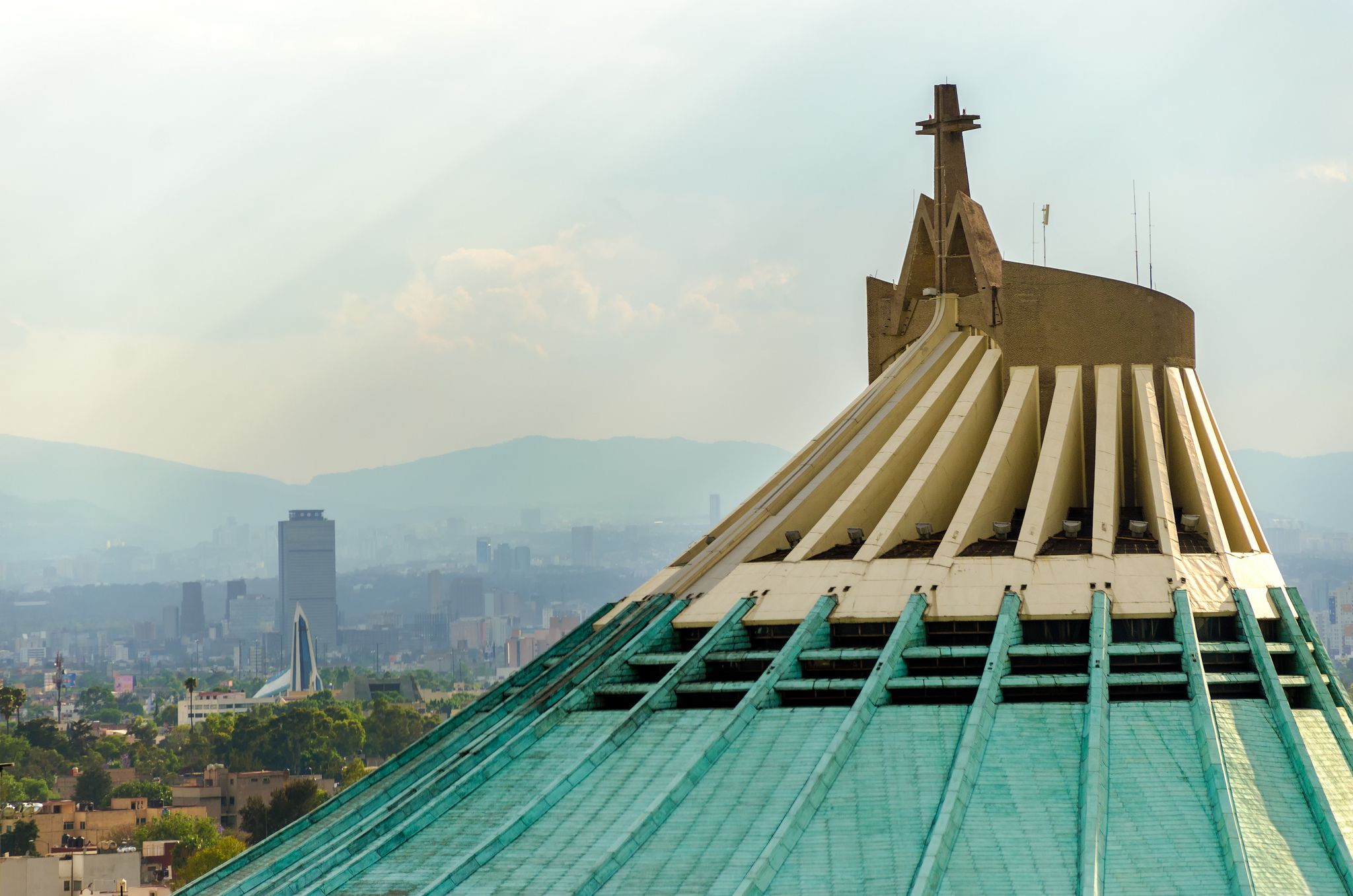
Basilica of Guadalupe: Plan Your Mexico City Visit
Choose the new and old basilicas, museum or Tepeyac hill, with respectful visiting advice and separate opening and guided-tour arrangements.
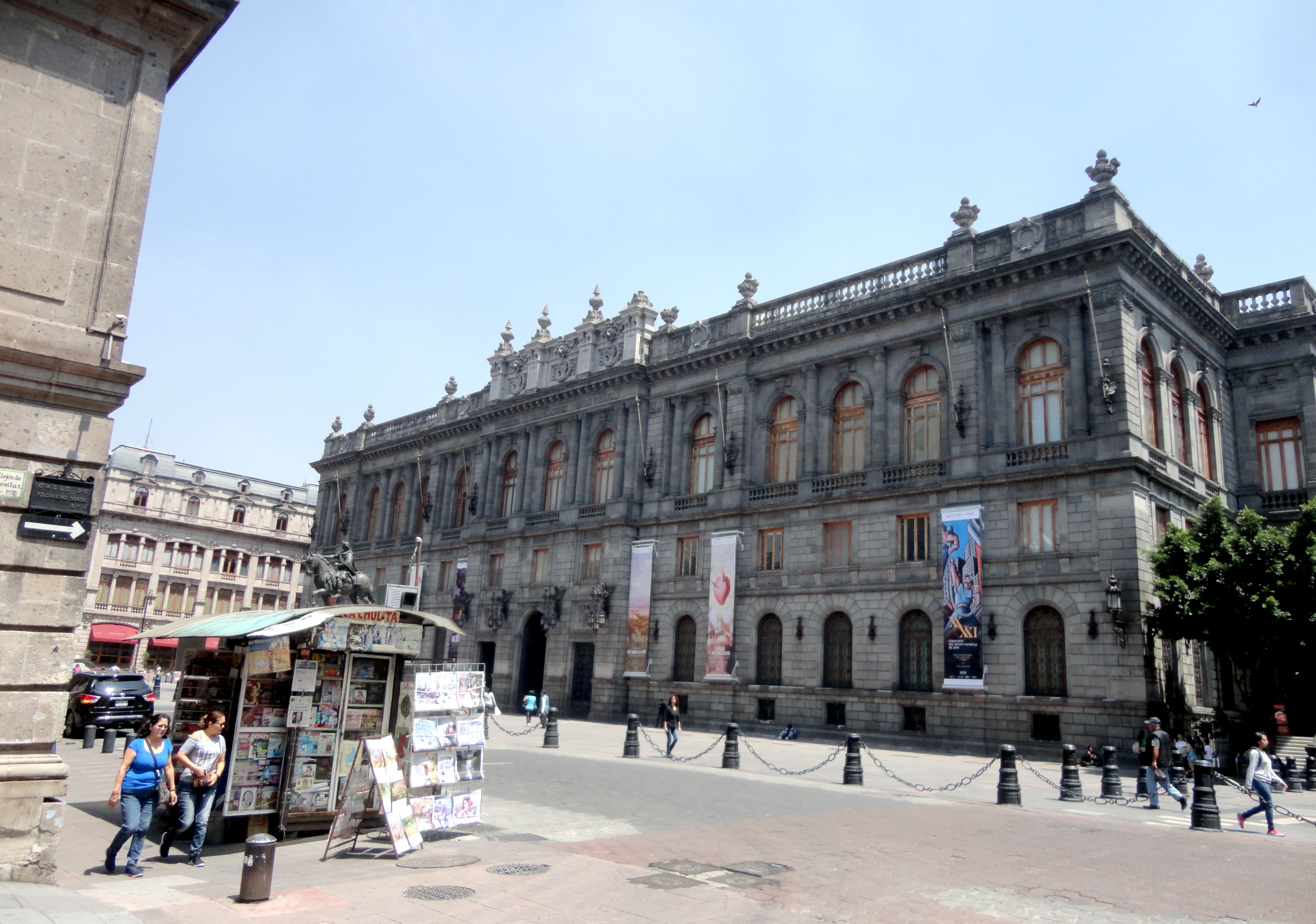
MUNAL Mexico City: Plan Your Art Visit
Plan a selective MUNAL visit with Mexican art, palace architecture, current admission rules and a focused historic-centre pairing.
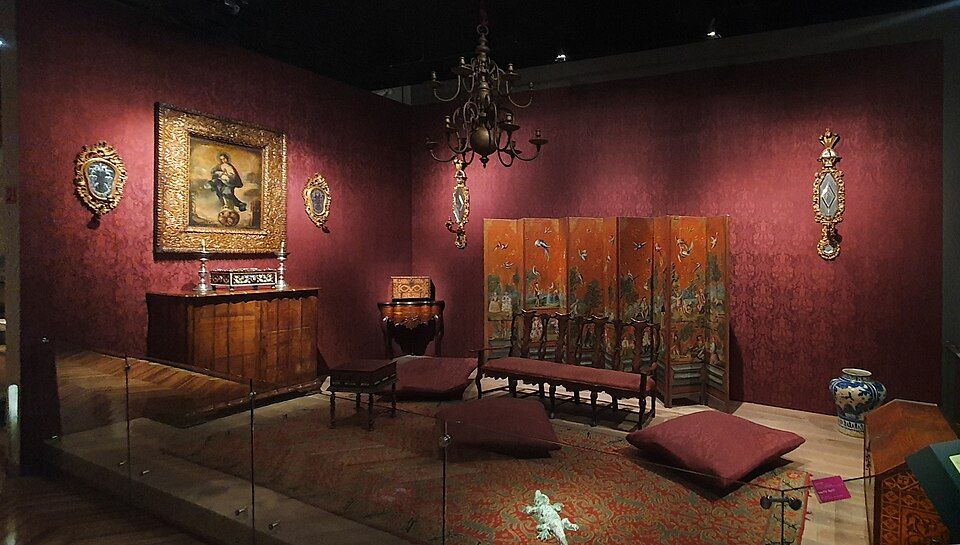
Museo Franz Mayer: Plan Your Mexico City Visit
Plan Museo Franz Mayer with current general ticket prices, free Tuesday conditions, collection highlights and advice on special exhibitions.