
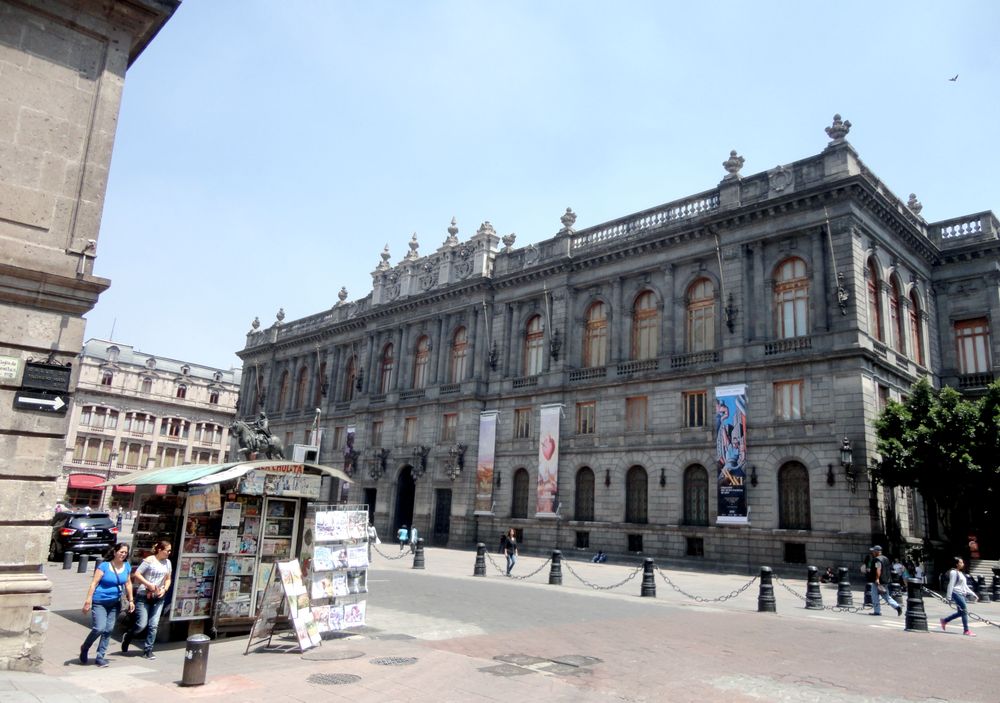
Plan a selective MUNAL visit with Mexican art, palace architecture, current admission rules and a focused historic-centre pairing.
MUNAL is a strong choice if you want to understand how Mexican art changed between the colonial period and the twentieth century, with the building itself adding a second reason to visit. It is less useful as a quick substitute for a mural visit at Bellas Artes: the attraction here is the breadth of a national collection, viewed selectively rather than as a race through every room.
Set aside about 2 hours for a first visit, or 3 hours if art is a main interest. These are planning estimates, excluding the journey and queues. Start with the period that interests you most, then use another section to make comparisons. Our wider Mexico City guide helps you place MUNAL within a historic-centre day without adding distant museums just because they are famous.
Practical facts before choosing your day
| Decision | What to know |
|---|---|
| Address | Tacuba 8, Centro Histórico, Mexico City |
| Ordinary opening | Tuesday–Sunday, 10:00–18:00; last access 17:30 |
| Published general admission | 95 MXN, checked 13 November 2026 |
| Sunday concession | Free for Mexican nationals and foreign residents with the required valid residency document; not a blanket offer to tourists |
| Best reason to enter | Mexican art across periods, with the former Communications Palace as its setting |
| Suggested allowance | About 2 hours selectively; 3 hours for a deeper visit |
The museum's visitor page is the controlling reference for these operational details. It also lists closure on 1 January and 25 December. Recheck before travelling, particularly around holidays or a special event. A museum listed as open does not guarantee every room or every work is available.
Choose a question before choosing a route
MUNAL's official institutional description defines its scope as art produced in Mexico from the second half of the sixteenth century to the first half of the twentieth. That makes it useful for a question such as “How did artists represent Mexico?” rather than only “Where can I see one famous picture?”
For an initial visit, choose between three approaches. Follow a broad chronology if the periods are unfamiliar. Concentrate on nineteenth-century art if landscape, history painting and national imagery interest you. Or compare a smaller selection across periods, looking at how artists handle faces, clothing, land and social roles. Ask staff which current rooms best support your choice; fixed room numbers become unreliable when displays change.
This is also a museum where skipping a section can improve the visit. A traveller already tired after several interiors may get more from a handful of carefully observed works than from an exhaustive route. Give yourself a concrete task: find one image whose purpose is clear, one whose meaning needs a label, and one that changes when you step closer. The exercise works without specialist vocabulary.
Read the collection as more than a painting checklist
The museum's collection page describes holdings that extend beyond paintings: photography, popular art, costume and stage designs, drawings and documentary material appear among its named funds. The important distinction is between what the museum owns and what is on display. An online collection entry is not a promise that a particular object will be in a public room that day.
The Olivier Debroise fund includes photography, while the Roberto Montenegro fund includes objects such as masks, toys and textiles. These examples help explain the breadth of the institution, not a guaranteed visitor route. If one medium or artist is the reason for your journey, contact the museum and ask about current display before arranging the day around it.
Once inside, use labels to separate the date of the event depicted from the date the work was made. A nineteenth-century painting about an earlier episode is also evidence of nineteenth-century concerns. Compare who occupies the centre, who looks at whom and which details give a person authority. This makes historical painting easier to read without treating it as a neutral photograph of the past.
For landscapes, look first at the arrangement of foreground, horizon and sky; then ask why the painter chose that viewpoint. A slower comparison between two pictures can reveal more than a hurried attempt to identify every location. With portraits, try the same approach to posture, possessions and setting. These are looking strategies, not claims about a particular work being exhibited.
Give the palace its own attention
MUNAL occupies the former Palacio de Comunicaciones y Obras Públicas. INBAL identifies the building as an important example of early twentieth-century architecture in Mexico. Its institutional scale is part of the experience: this was not conceived as an intimate artist's home.
Pause outside before entering and look at the relationship between the façade and Plaza Manuel Tolsá. Inside, allow a short orientation stop before starting the galleries. Notice how movement through a formal public building differs from movement through rooms originally designed as a house. Keep circulation clear and follow the areas staff permit visitors to enter; a striking doorway does not imply public access.
Architecture lovers should still decide whether they want an exhibition visit. Photographing the exterior and entering the collection are different commitments. If your available time is very short, an exterior stop can belong to a central walk; it should not be described afterward as having visited the museum's art. Conversely, do not let a camera-focused arrival use up the time you meant to spend with the collection.
Admission: avoid the Sunday assumption
The current published general price is 95 MXN. The museum distinguishes Mexican nationals and documented foreign residents from other foreign visitors for its Sunday concession. A visitor arriving on holiday from abroad should therefore budget for admission unless another clearly applicable exemption is confirmed.
The visitor page lists free-entry categories including children under 13, people with disabilities, eligible national students and teachers, and older adults with INAPAM identification; ICOM members receive a 50% discount. Bring the relevant original identification and ask staff if your circumstances do not match the wording. An overseas student card should not be assumed equivalent to a national student concession.
When comparing the cost with another museum, compare the actual visit you want. The lowest ticket is poor value if you would rather see a different collection. Equally, there is no reason to buy several museum admissions in one afternoon if fatigue means the last galleries receive little attention. This guide keeps the published tariff in Mexican pesos; your card provider's exchange rate and any fees determine the final amount in another currency.
Photography, bags and access needs
The current visitor page distinguishes mobile-phone photography from chargeable camera/video permission and prohibits flash, tripods and extension arms. It lists 30 MXN for photo and video except phone images. Older institutional material contains different camera fees; confirm the current rule at entry instead of relying on an old screenshot. Permission for ordinary visitor photographs is not permission for a professional production or organised photo session.
Travel light. The museum states that bags or objects larger than 40 × 40 cm cannot enter, and provides a cloakroom service. Avoid arriving between hotel check-out and an airport transfer with large luggage unless the museum has specifically confirmed how it can be handled. Leave time to collect stored belongings before departing.
Wheelchairs and walkers are listed as available to borrow with official photo identification. This is useful support, but it does not by itself establish every detail of a step-free route or guarantee equipment availability. Contact the museum about your actual needs, including lifts, accessible toilets and the rooms you want to see. If travelling with children, ask about permitted stroller arrangements before bringing a heavily loaded pushchair.
A focused historic-centre pairing
MUNAL and Bellas Artes can complement each other for someone who actively wants an art-focused day, but they should earn separate places in the plan. Use our Bellas Artes visit guide to distinguish its museum from its performance programme. A concert ticket and a museum ticket solve different needs, and proximity is not a reason to book both automatically.
For a lighter outing, make MUNAL the substantial interior and use the surrounding centre for a walk and a meal. Put the museum earlier if it is your priority, so lunch or a slow start does not leave only the final entry window. If you decide on two museums, insert a proper seated break and check both closing days independently.
A useful selective visit might begin with orientation, continue with one period, then add a contrasting section and a final look at the building. Let the artwork decide where you linger. A timetable that assigns identical minutes to every room would defeat the reason for choosing a collection museum in the first place.
Before leaving, note the title and artist of one work you want to revisit online. This is more useful than photographing every label and never reading them again. The digital collection can extend a visit, while also reminding you that the publicly displayed selection represents only part of the institution's holdings.
Cover photograph: MUNAL façade facing Plaza Manuel Tolsá in Mexico City — Juan Carlos Fonseca Mata, CC BY-SA 4.0.
Frequently Asked Questions
Is MUNAL free on Sundays for foreign tourists?
The published Sunday concession applies to Mexican nationals and foreign residents with the required valid residency document. Foreign tourists should budget for admission unless another confirmed exemption applies.
How much time should I allow at MUNAL?
About 2 hours is a useful estimate for a selective first visit; allow 3 hours if art is a main interest. These estimates exclude travel and queues and are not official tour durations.
Is MUNAL the same museum as Bellas Artes?
No. MUNAL presents Mexican art across several historical periods in the former Communications Palace. Bellas Artes is a separate institution with its own museum and performance arrangements.
Will a work listed in MUNAL's collection be on display?
Not necessarily. Collection ownership and current display are different. Contact the museum if a specific artwork, artist or medium is essential to your visit.


Keep Exploring
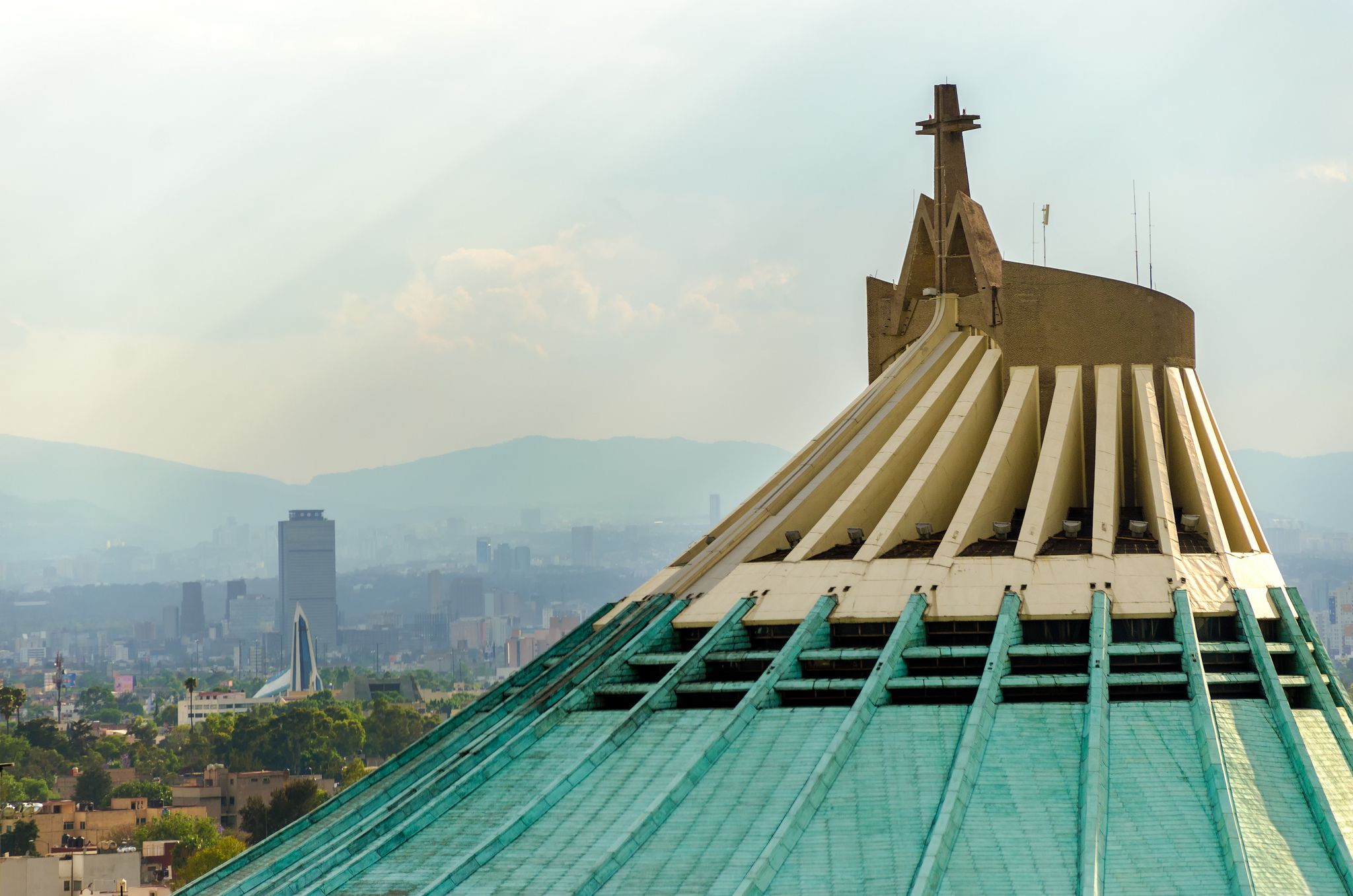
Basilica of Guadalupe: Plan Your Mexico City Visit
Choose the new and old basilicas, museum or Tepeyac hill, with respectful visiting advice and separate opening and guided-tour arrangements.
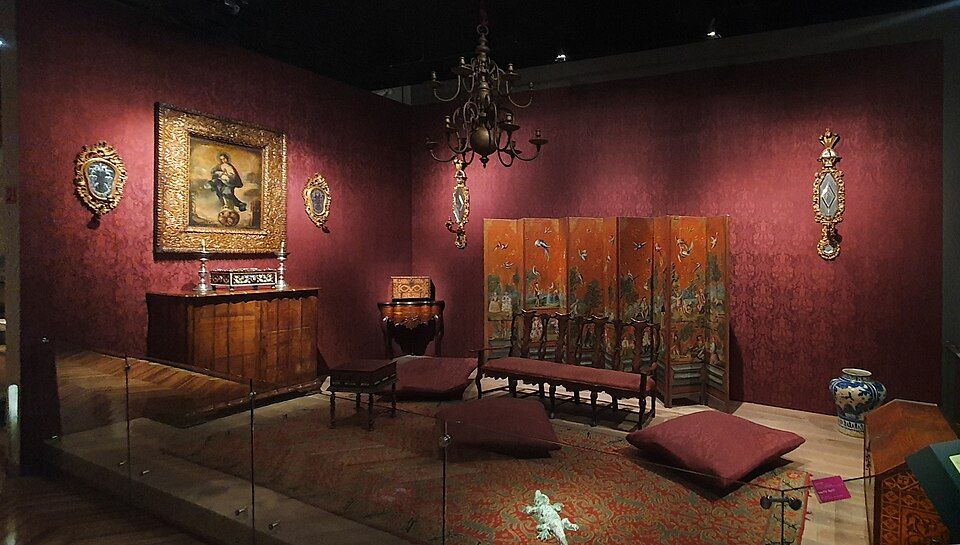
Museo Franz Mayer: Plan Your Mexico City Visit
Plan Museo Franz Mayer with current general ticket prices, free Tuesday conditions, collection highlights and advice on special exhibitions.
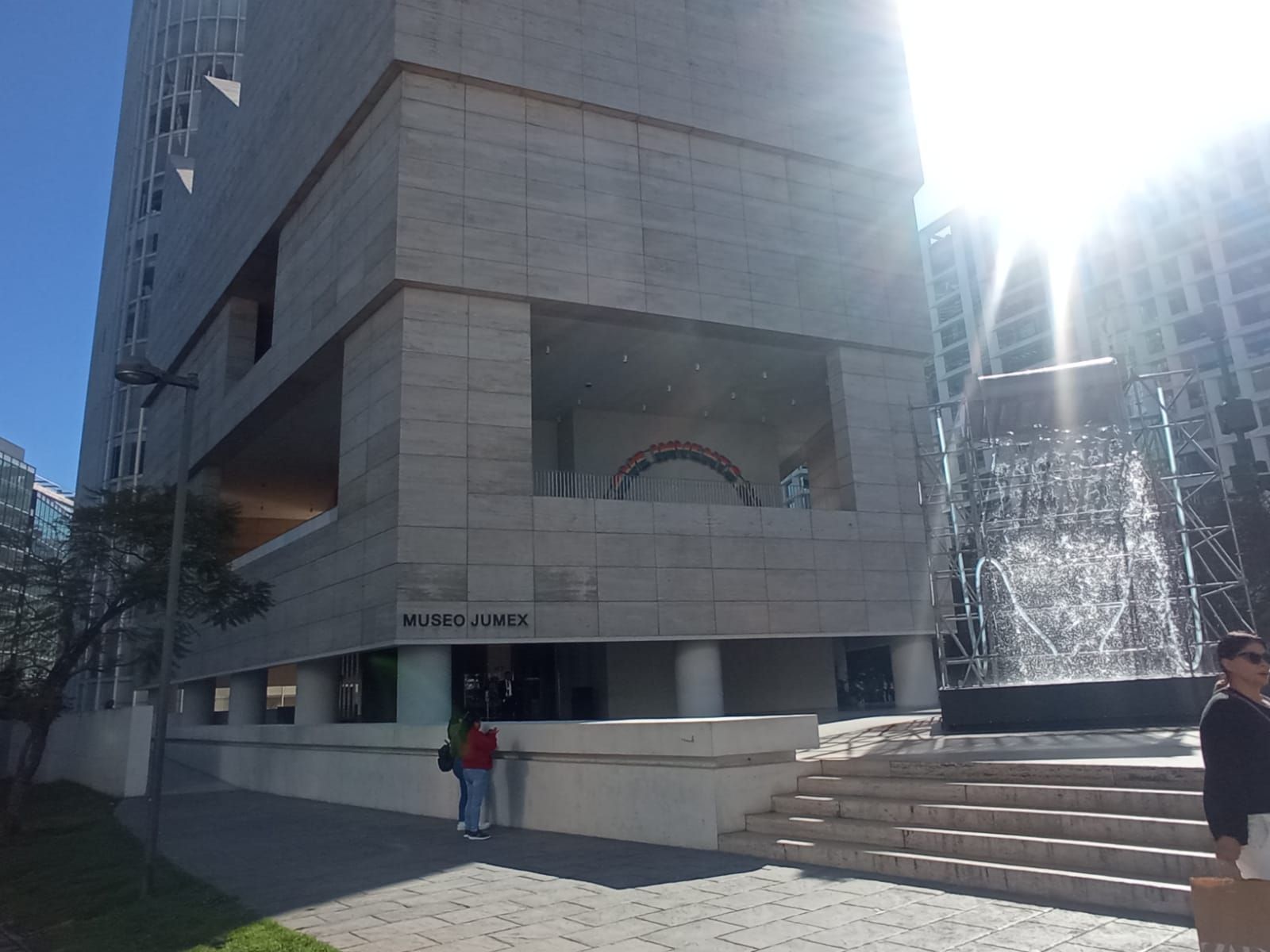
Museo Jumex: Plan Your Mexico City Art Visit
Plan Museo Jumex with free entry, current hours, exhibitions, architecture, access and a sensible pairing with Museo Soumaya.