
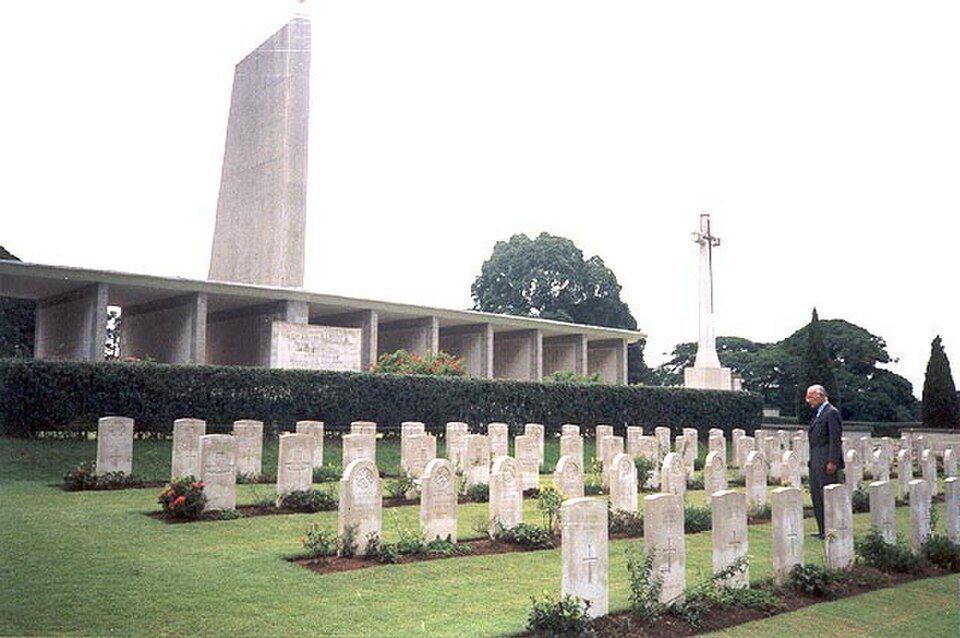
Kranji War Memorial: A Respectful Singapore Visit
Plan a thoughtful Kranji War Memorial visit: cemetery distinctions, finding a grave, travel planning, remembrance etiquette and weather.
Kranji War Memorial rewards a deliberate visit, rather than a spare stop between Singapore attractions. The cemetery lies in the north of the island, away from the Marina Bay sightseeing circuit. Its rows of headstones and the names on the Singapore Memorial ask for time and attention; the journey makes most sense if you want to understand the human consequences of the Second World War in Southeast Asia or visit a particular person's place of commemoration.
Plan an unhurried morning, check access before leaving and keep the rest of the day flexible. For a first trip, use our Singapore guide to decide where this fits among the city's other sights. This guide focuses on the memorial itself: what you are looking at, how to organise a respectful visit and which practical uncertainties to resolve in advance.
What the different names mean
“Kranji War Memorial” commonly refers to the prominent memorial standing within Kranji War Cemetery. Its formal name is the Singapore Memorial. It commemorates members of Commonwealth forces who have no known grave; it is not simply a monument to the people buried in the surrounding cemetery. Reading an inscription here and finding a named headstone are therefore different kinds of visit.
The Australian Department of Veterans' Affairs explains the building's symbolism: columns suggest the army, the roof the wings of an aircraft, and the upper structure a submarine's periscope. More than 24,000 names appear on the memorial. These details help you read its shape before turning to individual names.
The adjacent Kranji Military Cemetery and State Cemetery are separate places. Singapore's National Heritage Board account of Kranji distinguishes them from the war cemetery. Do not assume that every grave in the wider area belongs to the same conflict or that one photograph of the memorial explains the whole site.
| Your main interest | Where to concentrate | What to prepare |
|---|---|---|
| A named relative or service member | The recorded grave or memorial panel | Full name, service details and exact CWGC reference |
| The memorial's architecture | The approach and Singapore Memorial | A short historical introduction before arrival |
| Singapore's wartime history | Cemetery, memorials and their inscriptions | Time to read, rather than only take photographs |
| A short sightseeing stop | The main public approach and memorial | Decide whether the cross-island journey suits your day |
Find a person before you travel
If the reason for your visit is personal, start with the Commonwealth War Graves Commission. Search its casualty records using as much information as you have: name, service, regiment and date of death can help distinguish people with similar names. Save the complete record and the location reference, not just a screenshot of a name.
A cemetery reference may identify a plot, row and grave. A memorial reference instead leads you to an inscription. Do not spend your limited time searching headstones for somebody whose record states that they are commemorated on the Singapore Memorial. Ask CWGC for help before travelling if the record or spelling is unclear, particularly when family documents use a different name or abbreviation.
Download useful information to your phone and keep a second copy with your travel documents. That is practical preparation rather than a claim that mobile reception is unavailable. It also lets you put the phone away once you have found the place. If you hope to leave a tribute or carry out a particular act of remembrance, check the cemetery's current guidance in advance instead of assuming that every object or ceremony is permitted.
Plan the journey as a separate outing
The cemetery is at 9 Woodlands Road in northern Singapore. Use the full destination “Kranji War Cemetery” in your route planner; searching only “Kranji” can send you towards the station or a much wider district. Kranji MRT can be a useful point from which to investigate the last leg, but check the actual route from your hotel, the final walking approach and current services before choosing between public transport and a car.
This is not a sensible place to promise one universal journey time from “central Singapore”. Your starting station, connections, traffic and the final approach all matter. Build the outing from your accommodation and allow a margin for finding the entrance. If walking is difficult, ask about current vehicle access and the closest suitable drop-off before booking transport.
Morning is a practical planning preference for an exposed outdoor visit, not a guarantee of cool weather or empty paths. Bring water, sun protection and a compact rain cover. Eat before arriving or plan a meal afterwards; do not base the outing on finding a café inside a cemetery. Families should also settle toilet and snack needs before beginning the commemorative part of the visit.
Check current opening arrangements on the CWGC cemetery entry before departure; contact CWGC if the entry is unavailable or your access requirements need clarification. Allowing time for this check is especially useful if you are travelling a long way to visit one grave.
A quiet route through the cemetery
For a general visit, start by orienting yourself at the entrance and any available site plan. Look along the principal approach before moving among the graves. The arrangement is part of the experience: individual headstones and the larger memorial address different forms of loss, and both deserve attention.
Move gradually towards the Singapore Memorial. Pause far enough away to understand the overall design, then approach the inscriptions. Read a small group of names rather than trying to absorb every panel. Ages, service affiliations and the distances between the countries represented can make the scale of the cemetery more understandable without turning the visit into a checklist.
The grounds also contain memorials associated with cremated casualties and graves that could not be maintained elsewhere. Follow the names and explanations on site rather than assuming every commemorative structure has the same purpose. Where a specific memorial matters to your research, locate it on the official plan before arrival.
As an editorial planning estimate, allow around 60–90 minutes on site for a general visit. A personal search, time for reflection or a slower walking pace can take longer. There is no benefit in forcing that estimate if a section is closed, a ceremony is taking place or the weather changes. A shorter attentive visit is preferable to racing through every row.
History without treating the site as a museum
Kranji's significance is tied to the fighting in Singapore in 1942 and the subsequent prisoner-of-war period. The cemetery developed from wartime burials into a permanent place of commemoration. Its present order should not obscure the different circumstances behind the deaths and memorial inscriptions.
For broader context, the National Heritage Board's Woodlands at War heritage trail situates the cemetery within the history of northern Singapore. Read this before or after your visit; it gives the landscape a context that a quick photograph cannot supply.
Avoid expecting the experience of an indoor war museum, with an extensive sequence of galleries and explanations. Here, the names, grave markers and layout carry much of the meaning. Bringing a little background knowledge helps, particularly for younger visitors. Choose one clear question to discuss together—why some people have a grave while others are commemorated on a memorial, for example—rather than overwhelming children with military detail.
Etiquette, photographs and accessibility
Speak quietly, give mourners space and keep to appropriate paths. Do not sit on headstones or memorial structures, move tributes, or use graves as props for posed photographs. If a service is taking place, let participants have the space and follow staff directions. A personal photograph of a relative's commemoration and a staged social-media shoot have very different effects on people nearby.
For photographs, begin with the wider setting and avoid capturing identifiable mourners without permission. Read local notices before photographing ceremonies or restricted areas. There is no need to document every moment; leaving the camera in your bag for part of the visit can help you notice the inscriptions themselves.
The cemetery and raised memorial should not be assumed to offer the same access everywhere. If steps, slopes, heat or uneven surfaces may affect you, contact the operator about the exact areas you wish to reach. Ask specifically about the route to the relevant grave or panel, rather than asking only whether the whole site is “accessible”. The answer can change which entrance or accompaniment is useful.
Rain, thunderstorms and the rest of the day
Check Singapore's official weather forecast on the day. A memorial visit is predominantly outdoors; a forecast of storms is a reason to adjust the timing, not to depend on an umbrella as protection from lightning. Follow local warnings and staff instructions if weather deteriorates.
Keep a flexible alternative from our Singapore rainy-day guide. If you move the cemetery visit, preserve enough daylight and time for the journey on the replacement day. Do not squeeze a solemn, distant outing into the last gap before an airport transfer.
Afterwards, leave a little space before the next activity. Some travellers want to read more about what they have seen; others prefer a quiet meal. Either is a better way to plan the day than assuming this will feel like another fast photo stop.
Cover photograph: Singapore Memorial and rows of headstones at Kranji War Cemetery — Archive photograph Resized for publication. — Oorlogsgraven stichting, CC BY 2.5.
Frequently Asked Questions
Is Kranji War Memorial the same as Kranji War Cemetery?
The Singapore Memorial, often called Kranji War Memorial, stands inside Kranji War Cemetery. It commemorates people with no known grave; the cemetery also contains individual burials and other memorials.
How long should I allow?
Around 60–90 minutes on site is an editorial planning estimate for a general visit. Add travel time separately and allow longer for a personal grave search or a slower pace.
Can I find a relative's grave when I arrive?
Research the CWGC record first and save its exact grave or memorial reference. Someone named on the Singapore Memorial may have no individual grave to find.
Should I visit in wet weather?
Check the official forecast and current access before leaving. The visit is outdoors; change your timing if thunderstorms are likely and follow local safety instructions.


Keep Exploring

São Bento Monastery Rio: Plan a Respectful Visit
Plan São Bento in Rio: church art or Gregorian liturgy, free entry, service times, access limits and a manageable Centro pairing.
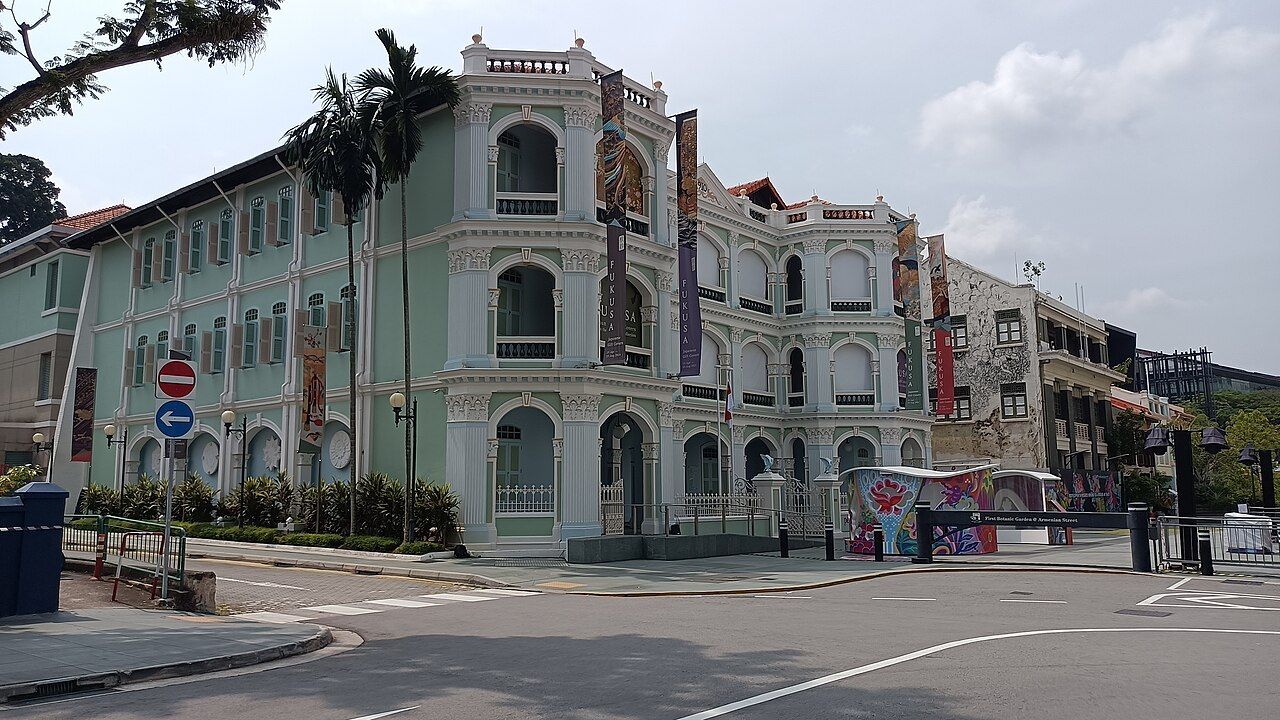
Peranakan Museum Singapore: Choose Your Visit
Choose a focused Peranakan Museum visit through identity, home and style, with gallery priorities, ticket checks and practical access advice.
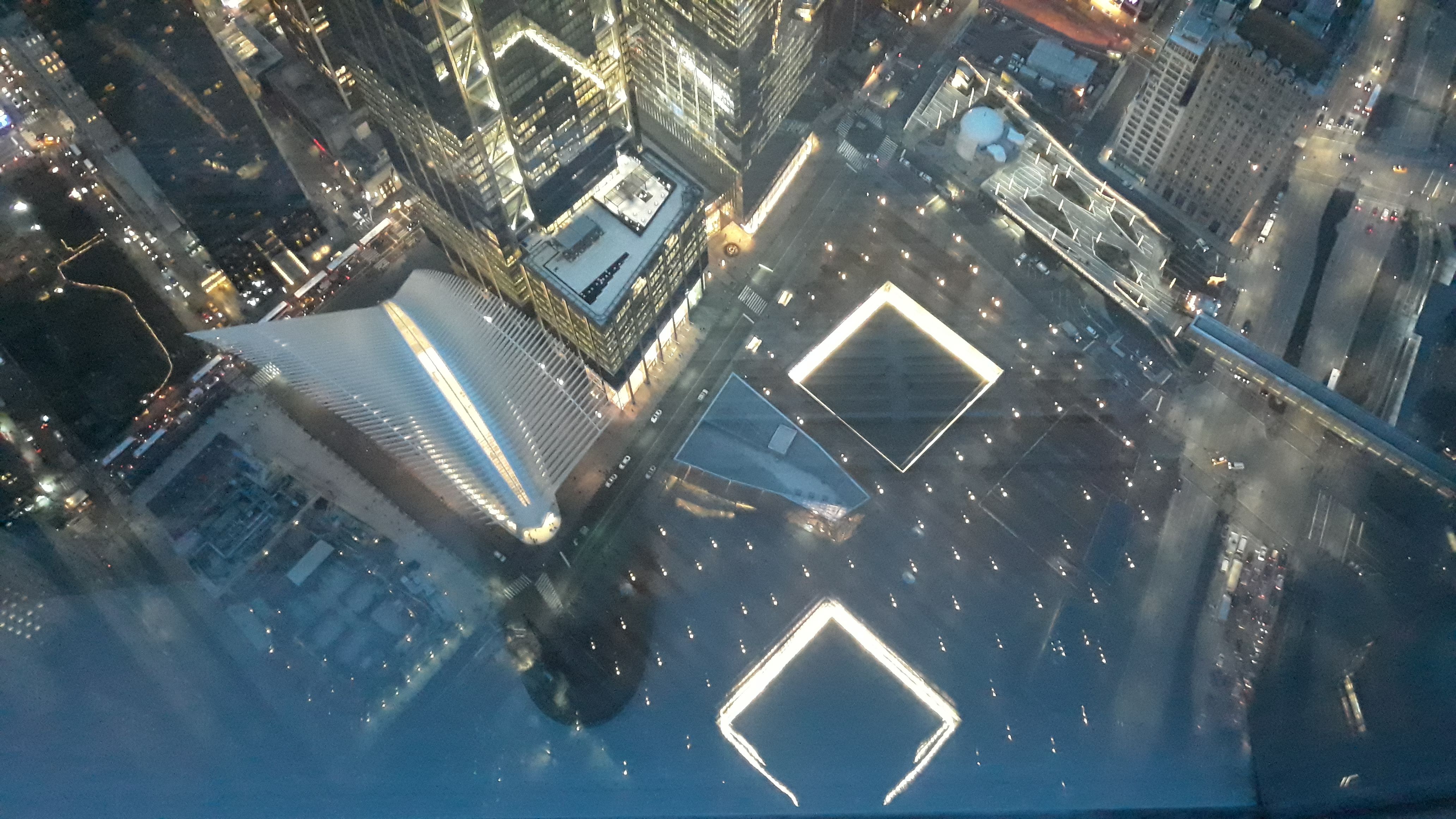
9/11 Memorial and Museum: Plan Your New York Visit
Choose the free memorial or ticketed museum, check Tuesday openings and plan a considerate visit with time for reflection.