
Hassan Tower and Mausoleum: Plan Your Rabat Visit
Plan Hassan Tower and the Mohammed V Mausoleum together, with published hours, a practical route and respectful visitor advice.
Visit Hassan Tower and the Mohammed V Mausoleum together, allowing time to understand the unfinished medieval mosque and the royal memorial across its esplanade. They share a setting but tell different stories. The tower belongs to an Almohad building project; the mausoleum is a twentieth-century place of remembrance, with a quieter atmosphere and its own access arrangements.
This is a good cultural stop for a Rabat stay, particularly if monumental architecture interests you. It does not require turning the day into a race through every landmark. Our seven-day Morocco itinerary helps decide where Rabat belongs in a wider route; this guide focuses on making this particular visit worthwhile.
Fast facts
| Detail | Planning information |
|---|---|
| Setting | Boulevard Mohamed Lyazidi, Hassan district, Rabat |
| Main sights | Hassan Tower, surviving mosque columns, Mohammed V Mausoleum |
| Tower listing | Daily 09:00–18:00 |
| Mausoleum listing | Weekdays 08:00–18:00; weekends 08:15–17:45 |
| Visit allowance | Around 60–90 minutes, an editorial suggestion |
| Admission | No current fee established by the official pages reviewed |
| Main planning distinction | Exterior monument and royal memorial have separate access conditions |
The published hours above were checked on 18 November 2026. They are tourism-board listings, not a guarantee of access during a ceremony or an operational change. The official Hassan Tower page gives the tower's schedule and address; confirm any restrictions locally before building a tight onward connection around the visit.
Begin with the relationship between the buildings
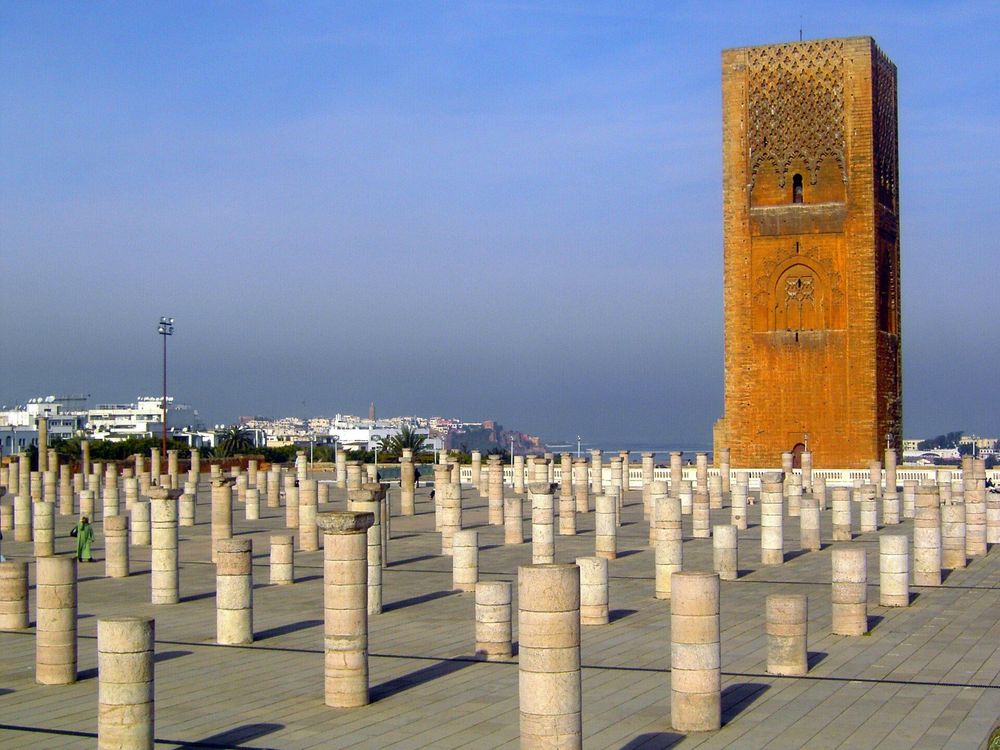
Start by looking across the esplanade rather than heading straight for an entrance. The tower and the rows of columns make more sense together: their arrangement reveals the intended scale of a mosque that was never completed. A close photograph of the minaret alone can hide that most interesting part of the site.
The UNESCO entry for historic Rabat places Hassan Mosque within the city's medieval Almohad heritage and explains how older monuments coexist with the modern capital. That is useful context for this visit: Rabat is not a preserved scene from one period. Here, medieval remains and a modern royal memorial occupy the same monumental space.
Walk slowly enough to compare the tower from more than one permitted position. Notice the broad shape before examining the patterned surfaces. You do not need a list of decorative terminology to make this rewarding; looking at how the detail changes your impression of the whole building is a good starting point.
Read the unfinished mosque without expecting a tower climb
Hassan Tower is the surviving minaret of an incomplete mosque project. The regional tourism board gives its height as 44 metres and relates the halted project to the death of Sultan Yacoub Al Mansour in 1199. These facts explain why a structure with such an imposing presence can still be an unfinished building.
Treat the column field as part of the monument, not as furniture for photographs. Keep to allowed routes and do not climb or sit on architectural remains. With children, turn the visit into an observation exercise: ask them to compare column heights or find repeated patterns without touching the stonework. That keeps attention on the place without making the site a playground.
The official material reviewed does not advertise a public climb of the minaret. Plan an exterior visit, and do not buy an excursion on the assumption that its description of “Hassan Tower access” includes reaching the top. Ask a seller to state exactly what visitors enter and what a guide adds. A guided explanation may be useful; an unspecified access promise is not enough.
Give the mausoleum a separate moment
Across the esplanade, the regional tourism board's mausoleum page describes the tombs of Mohammed V, Hassan II and Prince Moulay Abdallah. It identifies the building's white marble and green pyramidal roof, and confirms that the mausoleum is open to the public. This does not establish unrestricted access to every neighbouring religious space.
Approach it as a memorial, with a lower voice and a slower pace than on the open square. Look at the transition from the large outdoor setting to the closer scale of the decoration. If the visitor route is open, follow the direction indicated by staff and allow others room to pause. Do not try to negotiate your way beyond a barrier for a better photograph.
Check the day's photography rules before using a camera inside or photographing people at close range. The guards have a ceremonial role; they are not props that visitors can reposition. A respectful exterior photograph is an adequate alternative when an interior area is unavailable. The value of the stop should not depend on obtaining one particular image.
Choose the time for both visits
The two published schedules are different. If you want to visit both places, choose a period comfortably within their overlapping hours instead of arriving at the earliest opening listed for either one. On weekends, the mausoleum's published closing time is earlier than the tower's. Leave a margin for arrival, instructions and any queue.
Our 60–90-minute allowance is an editorial estimate for an unhurried look at both, not an official tour duration. A traveller who enjoys architectural detail may prefer longer; someone concentrating on the exterior may need less. Transport, refreshments and a walk to another neighbourhood are additional time. Keep that distinction clear when comparing a private tour's advertised itinerary.
Consider the day's weather as well as the clock. The open esplanade involves exposed walking, so take sun protection and drinking water, and use a suitable layer when the air feels cool. Schedule a rest before or after the visit if that helps your group. A late photograph is not a good reason to gamble on admission just before closing.
Dress, access and practical questions
Choose clothing appropriate for a royal memorial and religious surroundings. Covering shoulders and knees is a sensible respectful choice; this is advice rather than a claim that the checked pages publish a complete dress code. Follow the instructions given on arrival, especially if a ceremony or religious activity changes the normal visitor route.
The official pages checked do not provide enough information to certify a complete step-free circuit. If access matters, ask specifically about the entrance currently in use, thresholds or steps at the mausoleum, the permitted viewing position and available seating. An open paved square does not by itself establish access to every part of the memorial.
Likewise, no current admission tariff was established from these sources. Avoid converting that absence into a promise that every service is free. A guide, private transport or a packaged excursion can have its own charge. Clarify what any quoted price covers and whether it includes only an explanation outside. Keep cash available for your wider day without treating an unofficial request as an official entrance fee.
Arrive with a clear destination and a flexible return
Use the monument name and Boulevard Mohamed Lyazidi when checking a route or arranging a drop-off. Rabat is a city with several different sightseeing areas: “the centre” is too vague to establish where a driver will leave you. Save the location of your accommodation and the return meeting point before starting the visit.
If you walk, check the actual route from your starting point, including crossings and the approach to the entrance. A straight line on a map is not a walking-time estimate. If you choose a taxi or another transfer, establish the fare or charging method and the pickup arrangement in advance. This guide does not publish an unverified standard fare or promise a particular journey duration.
For a train later in the day, work backwards from the station and departure you will actually use. Leave room for traffic and for collecting luggage. The attraction's closing time should not be the point when you start thinking about your return journey. A flexible lunch after the visit usually fits more easily than a tightly timed activity immediately afterwards.
Choose one complementary Rabat stop
The Kasbah of the Udayas offers a different scale: lanes, gardens and a historic neighbourhood rather than an open monumental esplanade. It is a useful second choice if you want variety, provided you allow for the journey and do not treat the two sites as adjoining entrances.
For more archaeology, consider Chellah on a separate part of the day. Its remains and visitor arrangements deserve their own time. Choose it because you want another historical landscape, not simply because a sightseeing list says it belongs in the same morning.
If you have only a short Rabat stop, Hassan Tower and the mausoleum can be the main experience. Add a meal and an easy return rather than forcing in both alternatives. Seeing how two very different periods meet here is a complete cultural visit in its own right.
Cover photograph: Hassan Tower rising above the surviving mosque columns in Rabat — Carlos ZGZ from Paris, France, CC0.
Frequently Asked Questions
Can you visit Hassan Tower and the mausoleum together?
Yes, they face the same esplanade and make a coherent visit. Allow around 60–90 minutes as an editorial estimate, plus transport, and check each site's access on the day.
What are the published opening hours?
Visit Rabat lists Hassan Tower daily 09:00–18:00, and the mausoleum weekdays 08:00–18:00 and weekends 08:15–17:45. These were checked on 18 November 2026; ceremonies or restrictions may affect access.
Can visitors climb Hassan Tower?
The official sources reviewed do not advertise a public minaret climb. Plan to view the tower and mosque remains from the permitted exterior areas, and clarify any tour operator's access claims before paying.
Is an admission fee confirmed?
The official pages reviewed did not establish a current tariff. Check locally rather than assuming every visit or service is free; guides and transport have their own terms.


Keep Exploring
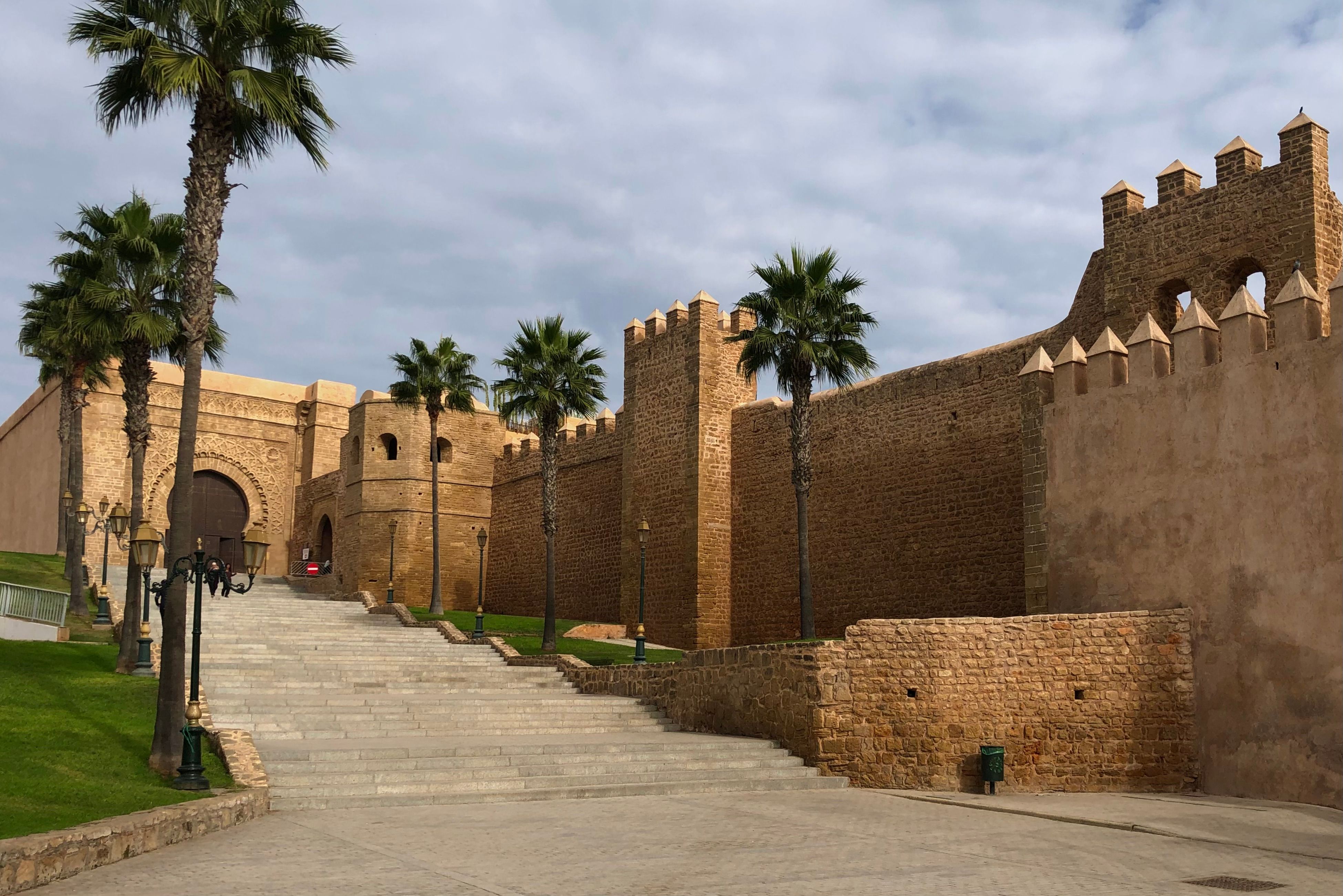
Kasbah of the Udayas: Plan Your Rabat Visit
Choose a compact kasbah walk, the Andalusian Garden and estuary views, or add the National Museum of Adornment with its own hours and ticket.
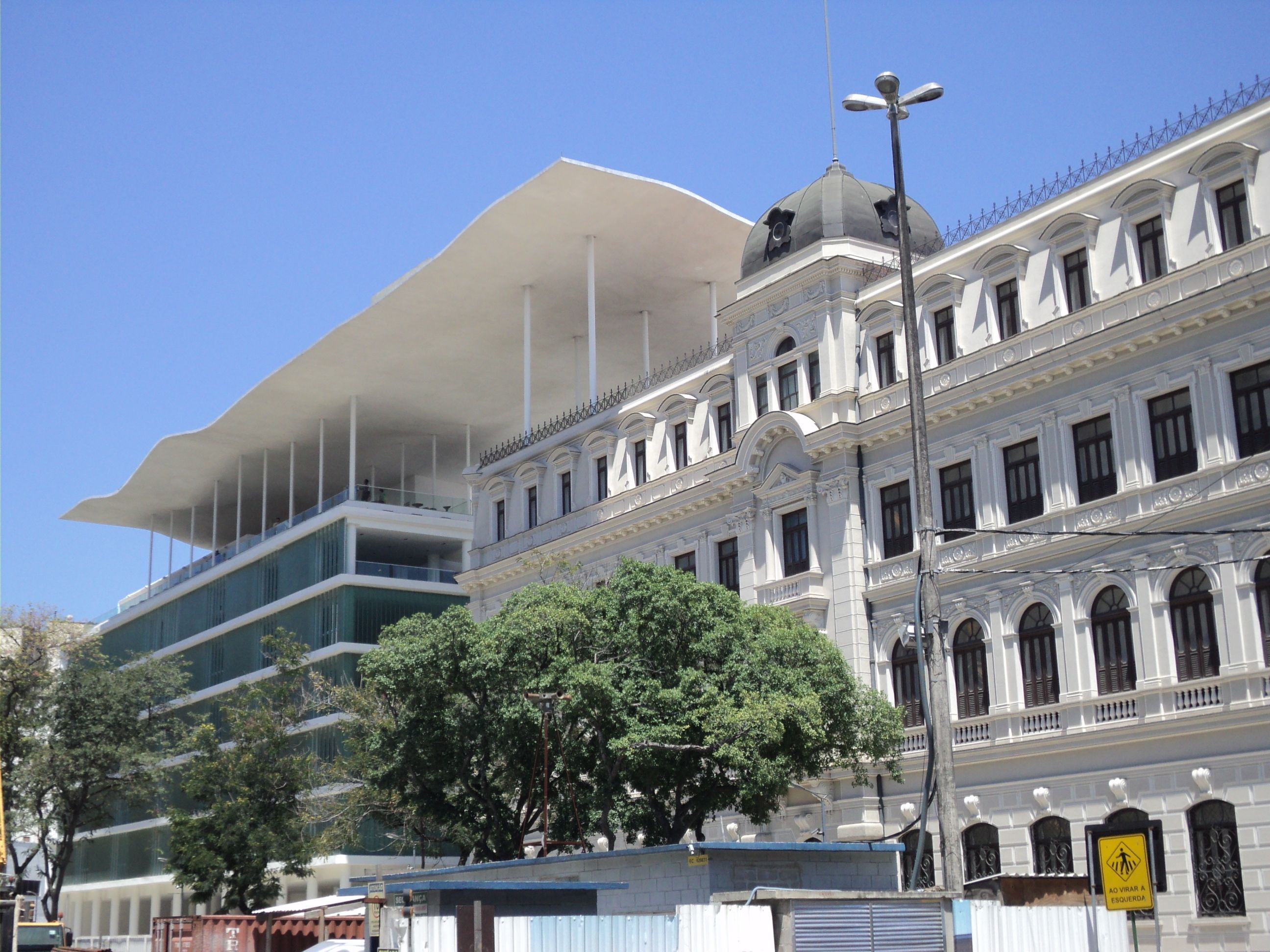
Museu de Arte do Rio: Plan Your MAR Visit
Choose MAR exhibitions, architecture and educational visits on Praça Mauá, with current opening days, tickets and the library’s separate calendar.
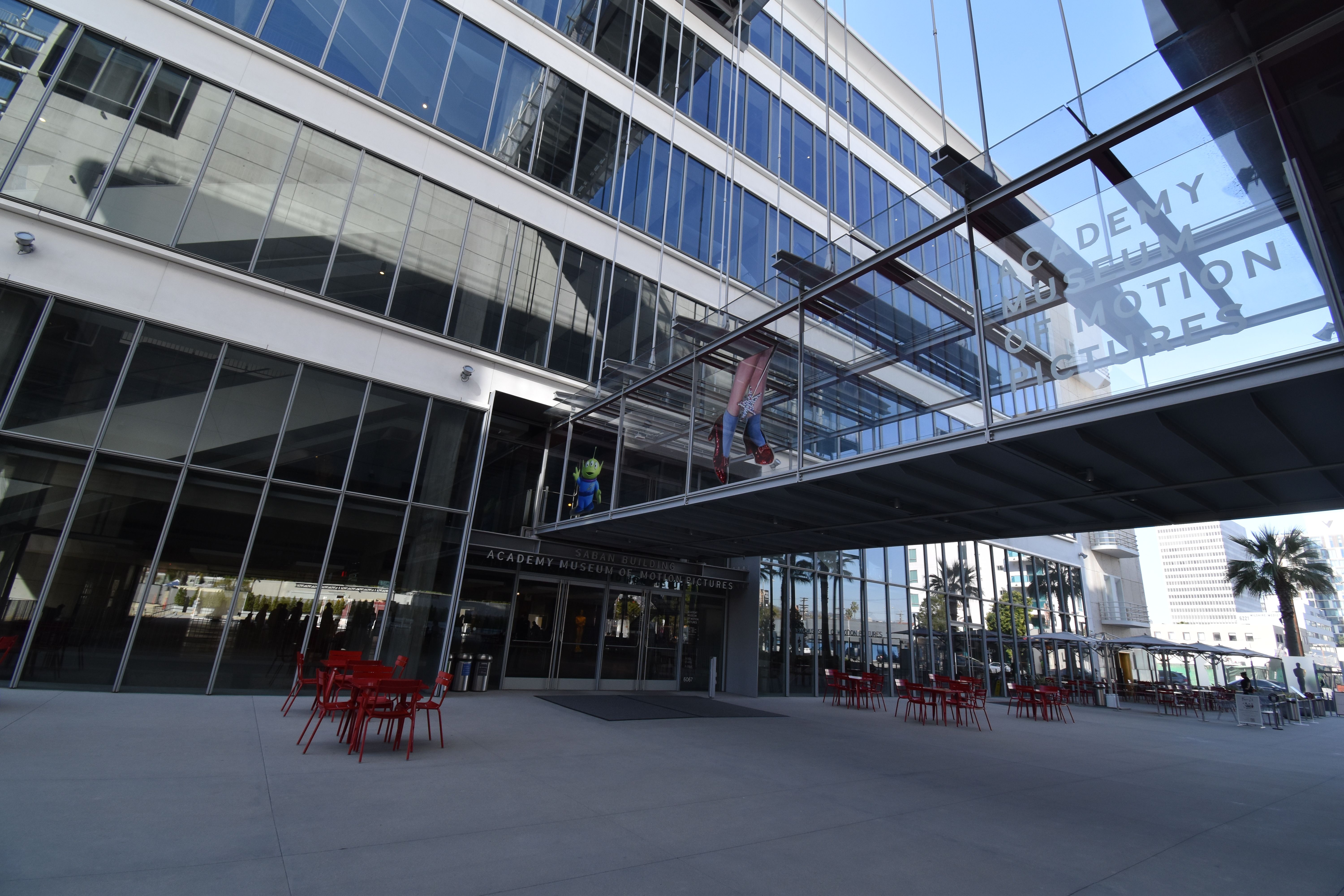
Academy Museum Los Angeles: Plan Your Visit
Plan an Academy Museum visit with gallery tickets, separate screenings and Oscars Experience, current closures and a realistic afternoon route.