
Elizabeth Bay House Sydney: Plan Your Visit
Plan Elizabeth Bay House: Sunday and Monday opening, free tickets, the oval saloon, access limits and a focused historic-house visit.
Elizabeth Bay House is a compact Sydney visit for people who enjoy architectural detail and the questions a furnished historic home can raise. Choose it for the oval saloon, the relationship between rooms and harbour, and the story of a colonial household whose ambitions exceeded its resources. The practical catch is the calendar: the house normally opens only on Sundays and Mondays.
Allow 60–90 minutes inside, as an editorial estimate, with extra time for the journey and a neighbourhood pause. This is a focused alternative to a large museum or an estate walk. Place it within our Sydney cultural shortlist and reserve a day that actually includes access to the interior.
Fast facts
| Decision | Useful information |
|---|---|
| Address | 7 Onslow Avenue, Elizabeth Bay |
| Usual opening | Sunday and Monday, 10:00–16:00 |
| Admission | Free; advance online reservation recommended |
| Holiday closure | Christmas Day; check other exceptional notices |
| Suggested time | 60–90 minutes inside, an editorial allowance |
| Main access limit | Ground floor only for visitors unable to use stairs |
| Best reason to go | Domestic architecture and the Macleay household story |
Operational details were checked on 26 November 2026. The museum's visitor information is the place to reconfirm the opening day and your reservation. Do not infer interior access from the availability of a wedding venue or an exterior photograph.
Choose the house for its scale and subject
A modest number of rooms can hold your attention when you arrive with a question. Here, ask how architecture presented social position: what a visitor first saw, where a view was framed, and how decoration changed the mood between spaces. You do not need to recognise every furniture style to notice the difference between a formal room and a more private one.
Choose this house if you want a manageable visit with time to look closely. Choose Vaucluse House if a larger relationship between house, service buildings and gardens is central to your interests. These are separate outings with different opening patterns; combining them simply because both are historic houses sacrifices the time needed to understand either.
For a structured account of forced migration, institutions and colonial labour, Hyde Park Barracks offers a different historical emphasis and an audio-led experience. Elizabeth Bay House is strongest as a domestic and architectural visit. Neither should be expected to tell the whole history of Sydney on its own.
Fit Sunday or Monday into your trip
The official site overview currently gives Sunday and Monday hours of 10:00–16:00. This makes Monday a useful possibility when other cultural venues have a weekly closure, but it is not a reason to assume that every nearby attraction will also be open. Check each place independently before building a combined day.
Reserve through the museum's own booking link. A free ticket still helps establish the correct date and any conditions communicated for that session. Keep the confirmation accessible and read it again before leaving. If there is no suitable slot, contact the museum rather than interpreting an empty booking calendar as proof of permanent closure.
Arrive early enough to enjoy the interior without watching the clock. A 15:45 arrival is a poor choice for a visit you hoped would last an hour, even if the published closing time is 16:00. For a late lunch or evening performance elsewhere, calculate the journey from Onslow Avenue rather than from a general map pin labelled central Sydney.
Understand what the furnished rooms represent
According to the NSW Government's history summary, John Verge designed the house for colonial secretary Alexander Macleay and his family; construction took place from 1835 to 1839. The house museum opened in 1977, and the furnished interiors interpret the period 1839–1845. That last distinction matters: this is a researched presentation of a period, not an untouched household frozen when its residents departed.
Look at a room before reading its explanation, then return to the same details afterwards. Which objects suggest collecting, entertaining or scientific curiosity? Which conclusions come from a label, and which are your own impressions? This small discipline makes a furnished interior more interesting than a sequence of attractive photographs.
Macleay's interests included natural history and botany. Rather than expecting every specimen or cabinet mentioned online to be on view, ask staff how the current presentation explains those interests. A collection history, an object catalogue and today's room display answer different questions. A missing object need not make the visit unsuccessful if the wider story remains clear.
Give the saloon more than a photograph
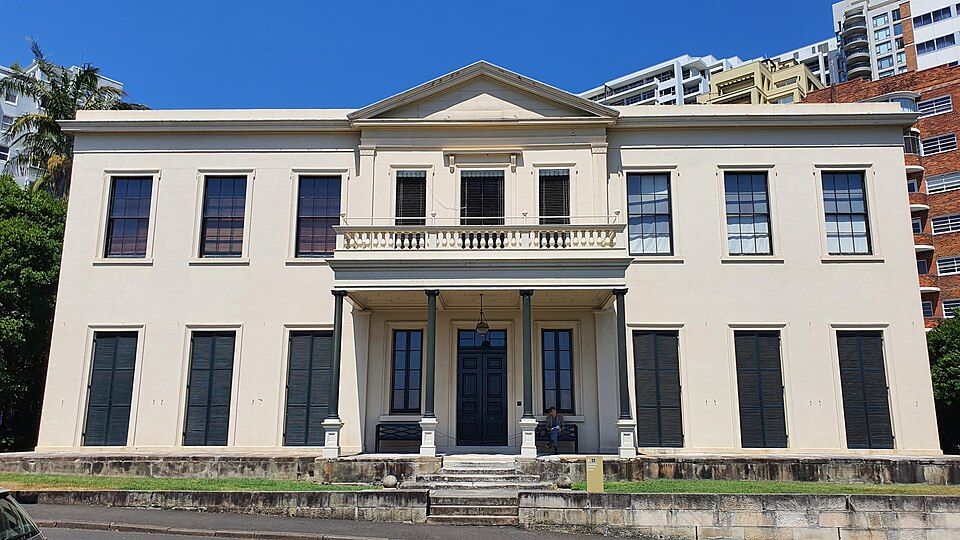
The museum's curatorial introduction explains the contrast between an unfinished exterior and the oval saloon, stair and domed lantern within. The planned Doric colonnade was never built. This helps you read the façade as evidence of an incomplete ambition rather than assume that its present outline represents every part of the original scheme.
In the saloon, notice how the stair occupies the edge of the space and how daylight affects your sense of height. Move only where visitors are permitted, and look from more than one position when circulation allows. You do not need a wide-angle camera to appreciate the relationship between the curved room, its openings and the overhead light.
Then compare this central statement with a neighbouring room. Does the ceiling feel lower? Is your attention directed towards furnishings or out through a window? These are suggested looking exercises, not a prescribed route. Follow the day's room access and return to the saloon if you want a final look after understanding more of the house.
Keep the wider history in view
Museums of History NSW identifies this as Gadigal Country and explicitly acknowledges the displacement of First Nations families during colonisation. The house's elegance should not make that context disappear. A colonial official's access to land and resources belongs within the story of the building, not outside it.
The operator's account of the house's changing uses describes later lives as an artists' squat, a reception venue and bedsit accommodation. Remembering those changes complicates the impression that the building has always looked or functioned as it does today. Restoration selects a period through which to interpret a much longer life.
Ask which parts of that longer history are explained during your visit. There may be more to learn about financial pressure, family relationships or later residents than the first impressive room suggests. It is reasonable to leave with an unanswered question; keep the source link or a note of an object rather than inventing a complete story from decoration alone.
Arrive with the final walk in mind
Kings Cross station is the useful rail reference, but the museum is not inside the station complex. Use the exact address, 7 Onslow Avenue, in the live journey planner and assess the final walking section for your group. The operator also identifies bus 311 as an option; services and connections should be checked for your travel date.
For someone who finds slopes or an unfamiliar walk difficult, a direct drop-off may be worth more than the smallest fare saving. Ask the museum about the most suitable arrival point before arranging transport, especially when combining this with the alternative accessible entrance. Do not equate a short distance on the map with an effortless route.
Avoid bringing airport luggage. A historic house visit works better with a small bag and hands free for safe movement around stairs and thresholds. If you are leaving a hotel that morning, arrange storage first. The visit should not depend on staff being able to accommodate a suitcase for which you have not checked the rules.
Plan access and the kind of interpretation you need
The published access information describes a level route through the back gate that staff can open for visitors who need it. Inside, only the ground floor is accessible to people unable to use stairs. Arrange this beforehand and ask for a ground-floor visit rather than assuming a lift connects the entire house.
Captioned image folders help explain spaces that cannot be reached, and an accessible toilet is on the ground floor. The introductory film is subtitled, but it plays upstairs; ask how you can access its information if stairs are unsuitable. A visual resource can support a visit without being identical to physical access to every room.
For a guided group, check the actual booking arrangement. The current Monday guided option requires advance booking and at least 20 participants. An independent visitor should not arrive expecting a scheduled tour simply because a general page mentions tours. Staff information and a self-guided visit remain different from a reserved group experience.
Children, photographs and a sensible final stop
With children, give the visit a clear task: compare the shape of two rooms, find where daylight enters, or decide which space seems most formal. Ask them to explain their choice. This encourages looking without turning historic objects into things to touch or suggesting that every room is an interactive play area.
Follow staff directions about bags, strollers and photography. The museum requires larger belongings to be cloaked, and casual photography is limited to handheld devices. Keep food and drinks outside the house and its sandstone verandah. If a child needs a snack or a longer break, plan that pause before entering rather than stretching a tired visit.
Afterwards, choose one nearby pause instead of another substantial museum by default. A neighbourhood meal or a short outdoor walk gives the house's story room to settle. If weather or energy makes the walk unattractive, the interior alone can justify the outing. You have not missed the point by finishing with fewer stops and a clearer sense of what you saw.
Cover photograph: Elizabeth Bay House facade with central entrance, balcony and stone steps in Sydney — Archive photograph 2023 Image adapted for publication. — Shkuru Afshar, CC BY-SA 4.0.
Frequently Asked Questions
Is Elizabeth Bay House free?
General museum entry is free, with advance online booking recommended. A private or group arrangement may have separate conditions; read the specific booking rather than assuming every experience is included.
Which days can you visit the interior?
The regular schedule is Sunday and Monday, 10:00–16:00. Christmas Day is a stated closure. Recheck the official calendar for exceptional changes before travelling.
How long should you allow?
Allow 60–90 minutes inside as an editorial estimate, plus transport and any neighbourhood break. A detailed interest in architecture or a booked group visit can require longer.
Is the whole house accessible without stairs?
No. A level entrance can be arranged through the back gate, but access without stairs is limited to the ground floor. Contact the museum about the route and alternative interpretation before arriving.
Should you choose Elizabeth Bay House or Vaucluse House?
Choose Elizabeth Bay House for a compact architectural visit centred on rooms and the saloon. Choose Vaucluse House when service areas and extensive grounds are part of the experience you want. Check each property's opening days separately.


Keep Exploring
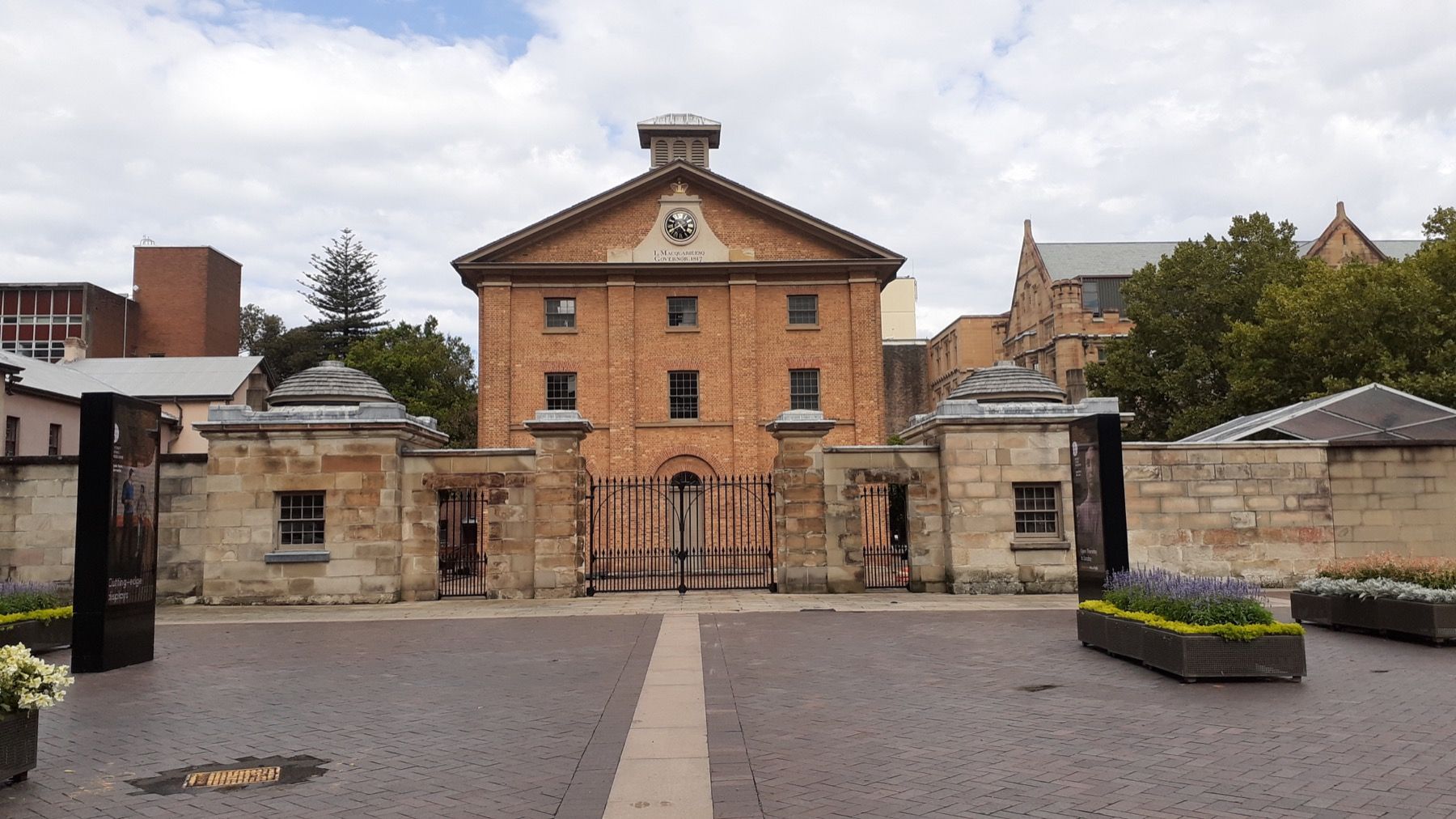
Hyde Park Barracks Sydney: Plan Your Museum Visit
Plan Hyde Park Barracks in Sydney: free entry, audio sessions, languages, access options and the history behind the museum.
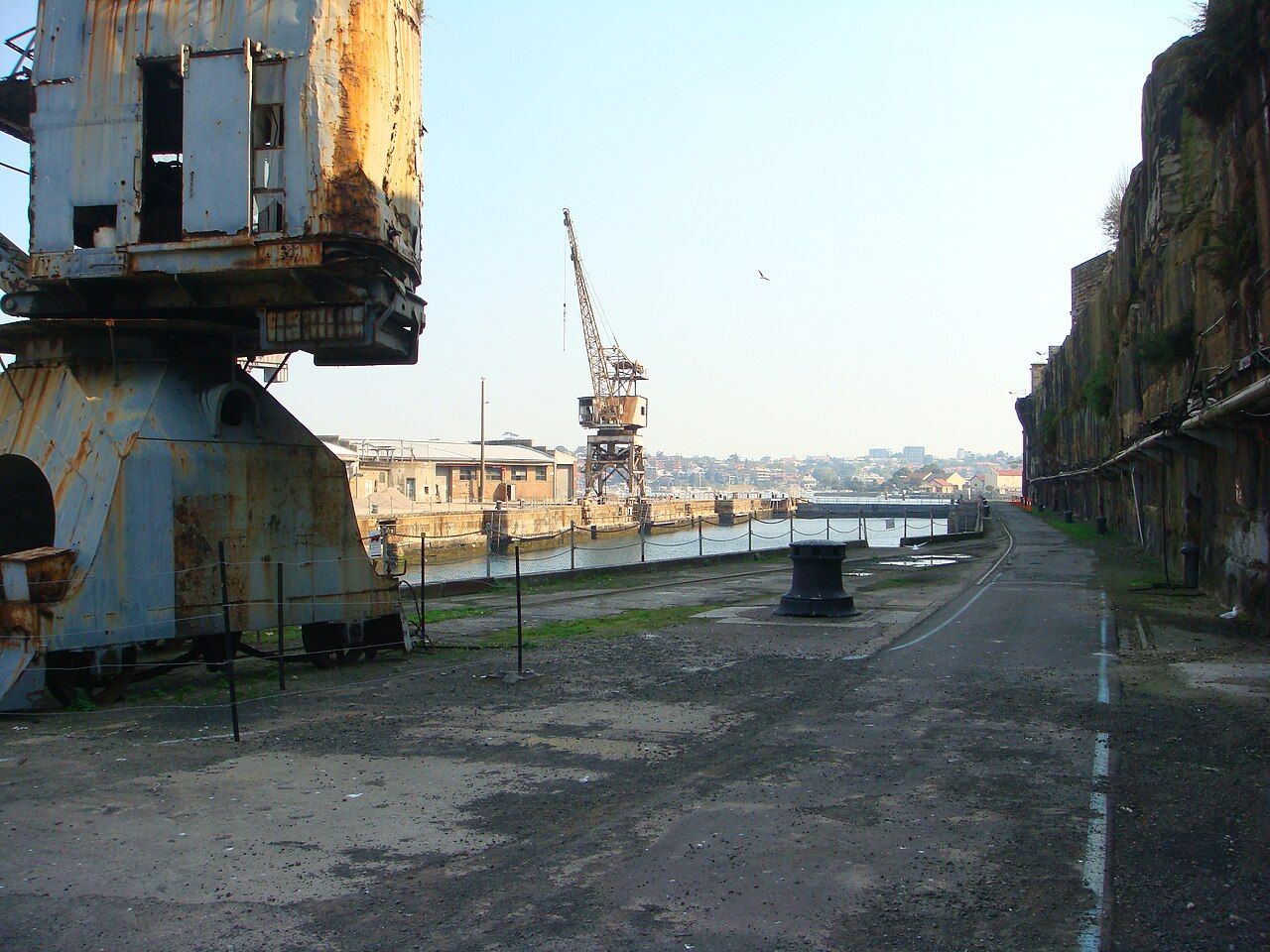
Cockatoo Island Sydney: Plan Your Harbour Visit
Choose a lower-island shipyard walk or convict-history route, with ferries, steep terrain and current November access restrictions.

Sydney Opera House: Tour, Show or Harbour Visit?
Choose an Opera House tour, performance or exterior walk: current prices, stairs, accessible options, arrival and what each ticket includes.