
Sydney Opera House: Tour, Show or Harbour Visit?
Choose an Opera House tour, performance or exterior walk: current prices, stairs, accessible options, arrival and what each ticket includes.
Choose a Sydney Opera House tour to understand the building, a performance to experience it at work, or an exterior walk for the harbour setting. These are different visits, with different tickets and time commitments. You do not need to purchase all three elements to feel that you have properly experienced Bennelong Point.
Start with the experience you want, then fit it into your wider Sydney sightseeing shortlist. A traveller fascinated by architecture may value a guided hour more than a show chosen at random; a music lover may prefer to protect an entire evening for a performance and keep the daytime flexible.
Fast facts for choosing your visit
| Option | What to allow or check |
|---|---|
| Exterior and harbour | No tour ticket needed for ordinary public outdoor areas; restrictions may apply during events |
| Standard guided tour | About 60 minutes, plus arrival and check-in |
| Walking demands | Up to 2.5 km and around 300 stairs; no lift access on the standard route |
| Standard adult price | A$50 pre-booked; A$55 on the day at the check date |
| Step-free alternative | Mobility Access Tour; arrange the appropriate booking separately |
| Performance | Price, duration, venue, age guidance and entry conditions vary by event |
| Arrival from Circular Quay | Operator suggests a 7–10-minute walk; add time for finding your meeting point |
Checked 29 October 2026. Prices are advertised Australian-dollar tariffs, not session availability or a checkout quote. The standard tour page already lists different prices from 1 April 2027. Check the official tour listing for your actual date.
Start with the reason you want to go inside
An exterior walk answers the question of how the building sits in the harbour. You can approach the sails, change your viewpoint and see the relationship between Bennelong Point, Circular Quay and the water. It is a valid visit in its own right, particularly if your interests lie more in the cityscape than in theatre history.
A guided tour adds interpretation and access to selected interior spaces. It suits someone who wants to hear how the building came about and understand what happens beneath the roof forms. A performance puts the focus on the artists and the particular room in which they are working. The building becomes the setting for an event you have chosen.
Choose the priority first. If a performance matters most, book that before filling the day with sightseeing. If architecture is the reason, compare tour types and their physical demands. If you mainly want a harbour photograph, keep the stop flexible and avoid buying a ticket simply to justify visiting an internationally recognised landmark.
Know what a standard tour promises
The Sydney Opera House Tour lasts approximately one hour. The operator describes a walking route of up to 2.5 km with around 300 stairs and no lift or escalator access, with little opportunity to rest. Wear shoes suitable for sustained walking and stairs, and consider the route honestly before booking.
This is a working performing arts centre. The spaces visited depend on availability around rehearsals, performances and other operations. A tour does not promise entry to every theatre or a particular stage. If one room is the main reason you are considering it, ask before purchasing rather than interpreting a promotional photograph as a guarantee.
Tours are offered in several languages, but the tour directory is only the starting point. Select the language-specific product and departure available for your date. Do not assume every language runs at the same times or has the same duration and inclusions.
The standard English tour currently asks visitors to arrive 15 minutes early at the Welcome Centre on the Lower Concourse. Its conditions say that arriving more than five minutes after the start forfeits the tour without refund. The walking time from Circular Quay is therefore not the whole arrival allowance.
Compare the actual ticket categories
At the check date, the standard tour advertises A$50 pre-booked or A$55 on the day for adults. Children aged 5–15 are A$30 or A$35 respectively, while the family price is A$130 or A$145 for two adults and two children aged 15 or under. Children under five are free; those aged 15 and under must remain accompanied.
Concession eligibility is specific, including Australian Seniors Card holders, Australian pensioners and full-time students aged 16 or over. A senior discount from another country should not be assumed valid. Check the documentation required for your chosen category before paying.
For visits from 1 April 2027, the page currently lists adult standard-tour prices of A$52 pre-booked and A$57 on the day. This illustrates why the travel date matters. Booking earlier does not justify assuming a tariff labelled for a different operating period; check the amount shown for the session you select.
The operator lists no standard tours on 25 or 31 December 2026. Availability at other times still depends on the booking calendar. Welcome Centre opening hours are not a timetable for every tour, and a product described as daily does not guarantee a place whenever you arrive.
Choose the Mobility Access Tour when needed
The separate Mobility Access Tour follows a step-free route for visitors with mobility or access needs. Its current listing describes approximately 60 minutes, English commentary and departures at 11:30 and 14:45, subject to availability. Arrange it through the designated booking process rather than buying a standard ticket and expecting an improvised accessible route.
The current adult price is A$50, with A$52 listed from 1 April 2027. The meeting point is Stage Door beneath the Monumental Steps, with arrival 15 minutes before departure. Confirm those details in your booking, because the standard tour starts elsewhere.
Auslan interpretation and audio description are available on request; Auslan bookings require at least 14 days' notice and depend on interpreter availability. Explain your needs when contacting the team. A request submitted online is not the same as a confirmed appointment or guaranteed accommodation.
For performances, the relevant question is the specific venue and seating arrangement, rather than which tour you would take. Consult the accessible performances information and book the required access provision for the event. A wheelchair place or interpreted session should be confirmed before completing the rest of the evening's plans.
Consider an architecture-focused visit
The Architectural Tour is the more focused choice for design and construction. Its current description gives approximately 75 minutes in English, with Saturday departures and selected Sundays. It considers the work of Jørn Utzon and Peter Hall and the process behind the building.
At the check date, advertised adult prices are A$60 pre-booked and A$65 on the day; the page lists higher rates from April 2027. It also involves more than 300 stairs. A longer specialist tour is not automatically an easier route, and visitors needing step-free access should discuss the Mobility Access Tour instead.
Choose this option because the subject interests you, not because a longer or more expensive ticket sounds more complete. For a mixed-interest group, the general tour may be enough. Backstage and dining experiences are separate products with their own conditions; compare their precise inclusions rather than assuming the word “tour” covers them all.
Choose a show you actually want to see
Use the official programme to filter by your dates and interests. The Opera House presents more than opera: music, theatre, dance, talks and family programming all appear in its listings. Choose the event first, then inspect its venue, duration, interval, age guidance and any content advice.
A ticket to a performance is for that event in that venue. It is not a general backstage pass or an invitation to wander through other auditoriums. Equally, a tour ticket does not include an evening performance unless the exact product explicitly says so. Keep the two purchases separate when comparing costs.
Read seat information carefully, including any restricted-view note, and compare the total payable price. Do not choose the cheapest seat purely as a way to enter the building if you do not want the show. A performance becomes better value when its content interests you and you can give it your attention.
Late arrival can mean waiting for a suitable break and sometimes missing a substantial part of an event. Check the chosen performance's entry policy and leave more time than a map's walking estimate. A harbour meal or sunset photograph should remain optional once the show is the fixed commitment.
Prepare bags, photography and arrival
The tour information requires bags larger than A4 size to be cloaked and says the limited facilities cannot store suitcases or large travel bags. Leave flight-day luggage elsewhere. A cloakroom for visitor belongings is not a dependable airport-style storage plan.
Photography on tours depends on the guide's instructions in individual spaces; video filming is not permitted. Follow the restrictions even if a room appears empty. An active rehearsal or production can change what is allowed, and the opportunity to enter does not imply permission to record.
Consult the getting-here page and precinct maps before leaving. Circular Quay is the main public-transport reference point, but arriving there does not mean you have reached the tour desk or theatre door. Add time for walking, orientation, security and any cloaking.
If the waterfront walk poses a difficulty, review the official accessible transport and courtesy-service information and confirm that the relevant service fits your booking. Do not assume it operates at every hour or can replace advance access planning. For a car arrival, check the parking operator's conditions separately from your tour or show ticket.
Give the harbour its own small block of time
For an exterior-focused visit, allow roughly 30–60 minutes as an editorial starting point for walking, photographs and a pause. That excludes transport and any meal. Weather, mobility, events and the amount of time you enjoy looking at architecture will change the useful duration.
For a tour, protect the check-in margin and the full guided period, then leave optional time afterwards for the waterfront. If you have a performance that evening, decide whether returning twice improves your day or merely adds travel. A daytime walk and an evening event can complement each other, but they need not both be essential.
Our three-day Sydney itinerary helps place the Opera House alongside other city and coastal plans. Keep a distant beach outing or ferry trip separate from a tightly timed arrival unless you have ample margin. The best combination preserves the experience you care about most.
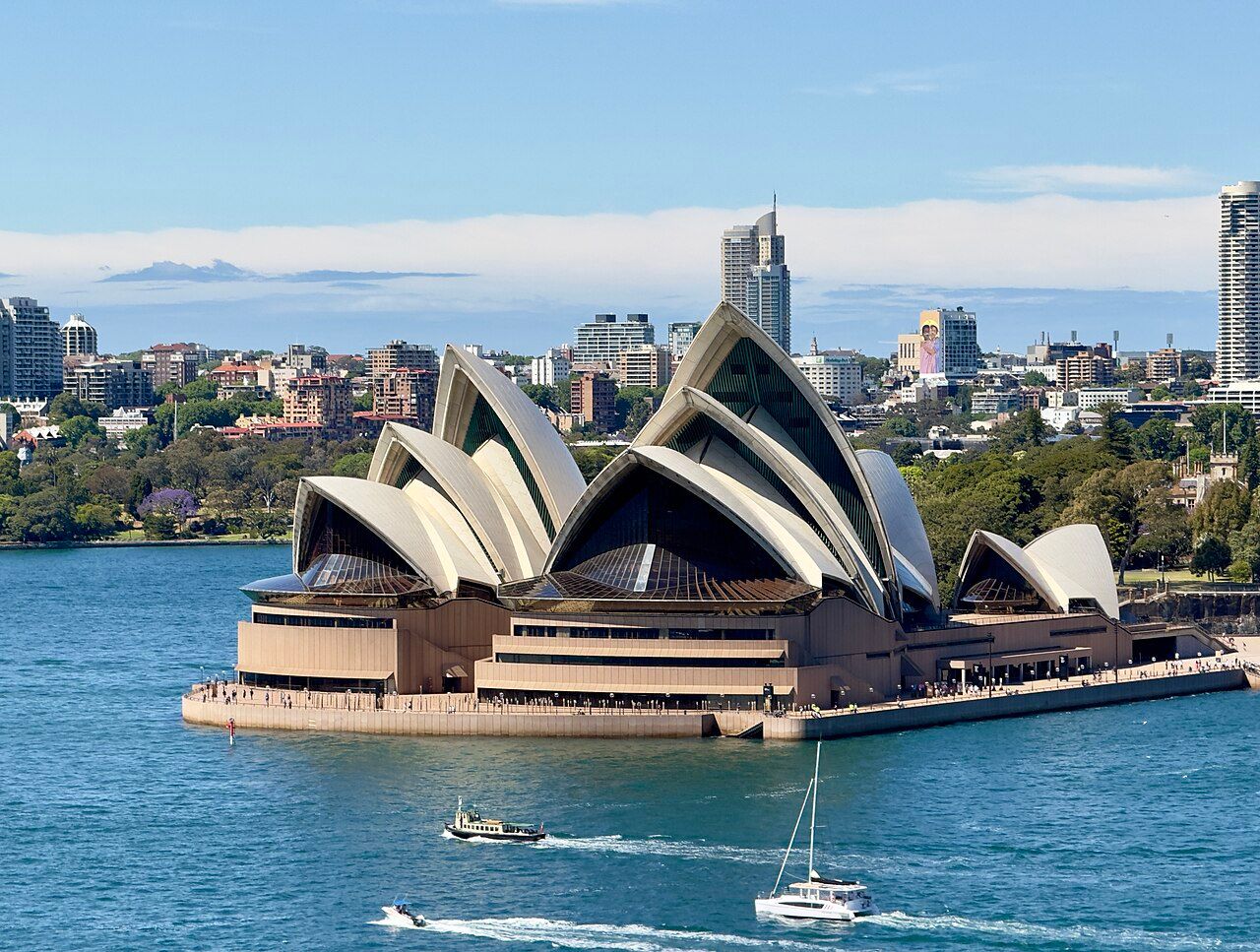
Cover photograph: Sydney Opera House roof shells and waterfront seen from the Harbour Bridge — Photograph taken 15 October 2023; resized for display. Image remains under CC BY-SA 4.0. — Chris Olszewski, CC BY-SA 4.0.
Frequently Asked Questions
Can I see the Opera House without a ticket?
You can enjoy the exterior from ordinary public outdoor areas without buying a tour or performance ticket. Event restrictions can affect access, and this does not grant admission to controlled interior spaces.
Does the standard tour visit every theatre?
No. It visits selected spaces, with the route depending on the working venue's availability. Do not assume that a specific auditorium or backstage area will be included.
Is the standard tour step-free?
No. It involves around 300 stairs and up to 2.5 km of walking without lift access. Book the separate Mobility Access Tour if you need a step-free guided experience.
Should I choose a tour or a show?
Choose a tour for the building's story and a performance for an event you want to experience. Both can work together, but their tickets, access and time requirements are separate.


Keep Exploring
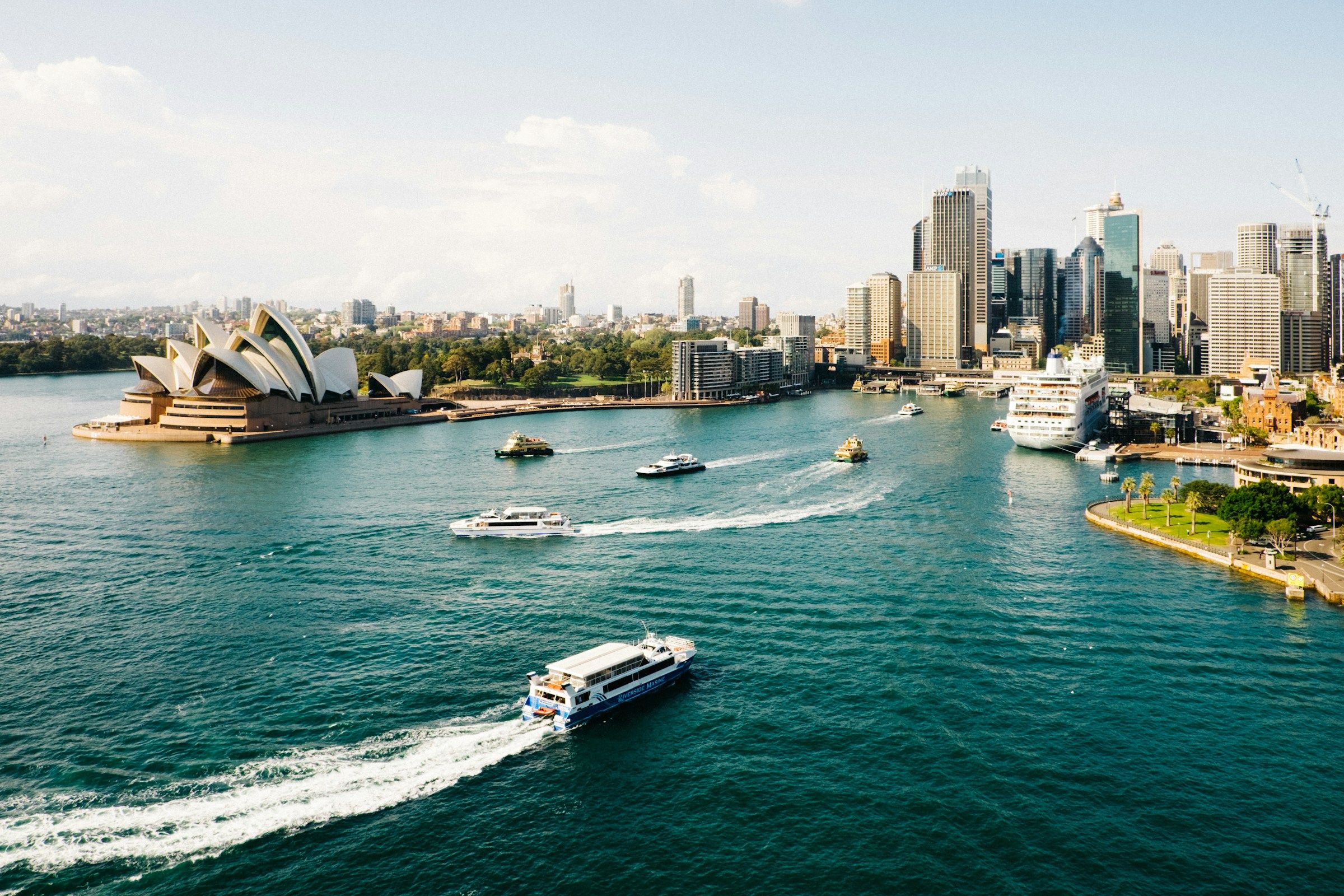
Things to Do in Sydney: Harbour, Culture and Coast
A practical guide to choosing Sydney experiences, with harbour and coastal alternatives, museum comparisons and realistic time allowances.
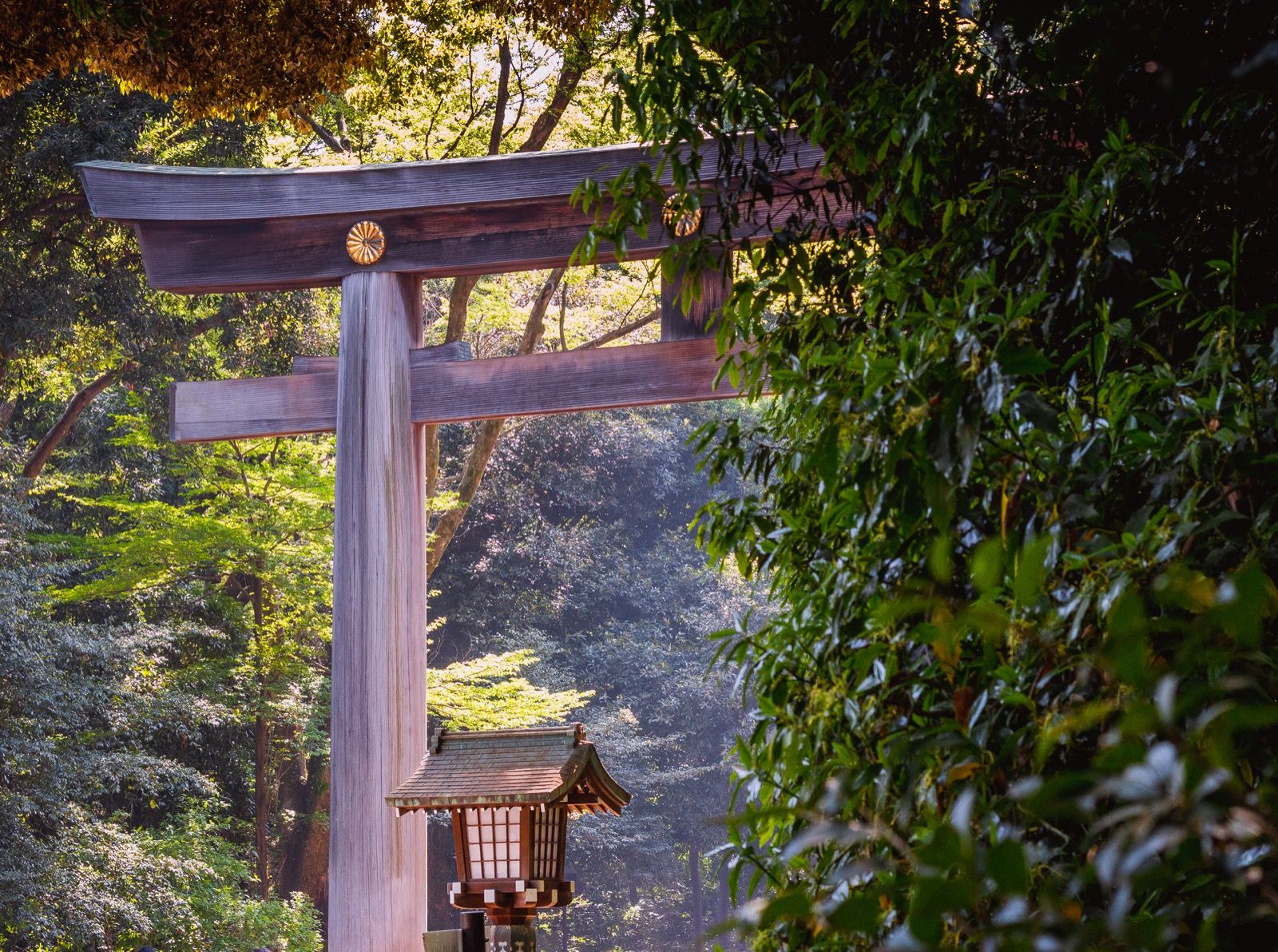
Meiji Jingu: Plan Your Tokyo Shrine Visit
Plan Meiji Jingu with seasonal gate hours, the forest approach, shrine etiquette, photography rules and optional garden or museum visits.
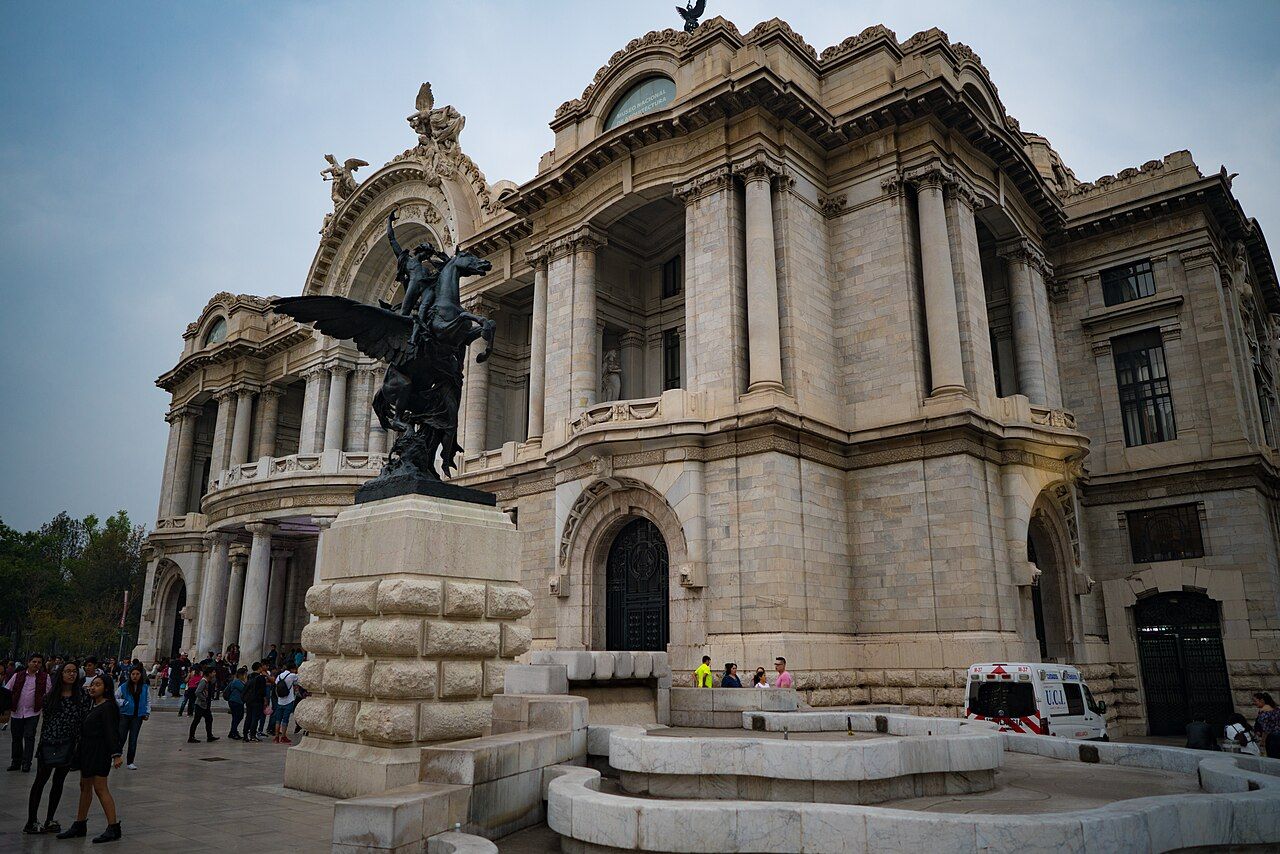
Palacio de Bellas Artes: Plan Your Mexico City Visit
Choose murals, architecture or a performance at Bellas Artes. Plan museum admission, Sunday access, time, tickets and the historic-centre visit.