
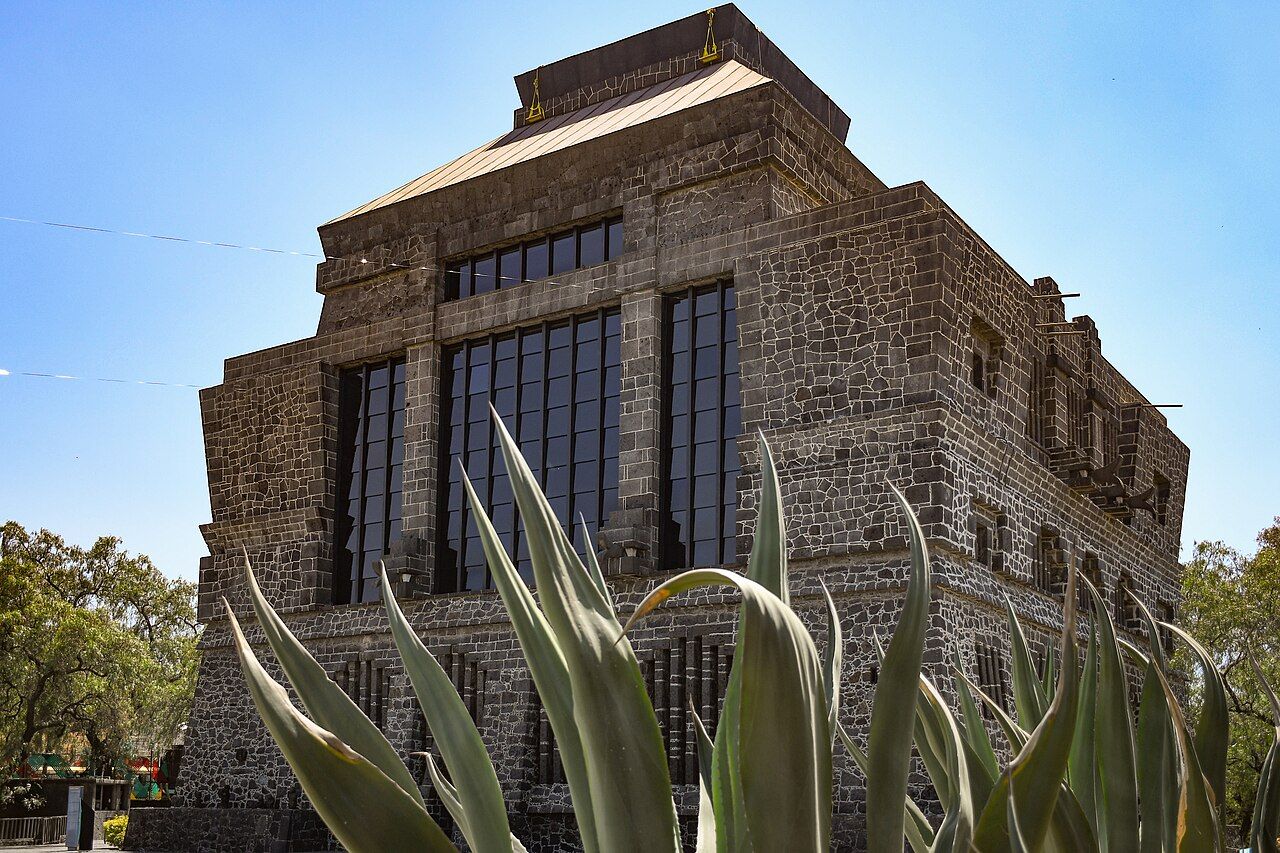
Anahuacalli Museum: Plan Your Mexico City Visit
Visit Anahuacalli for Rivera’s collection, volcanic architecture and ecological space, with current tickets and Casa Azul courtesy rules.
Anahuacalli is worth choosing for the relationship between Diego Rivera's collection, the building he imagined for it and the volcanic landscape around it. It is not another version of Casa Azul, and it is not an excavated ancient temple. Come for the way a modern artist brought pre-Hispanic objects, architecture and his own creative interests into one place.
Allow around 90 minutes to 2 hours for an unhurried first visit, as an editorial planning estimate, with more time if you add a confirmed activity. The journey to San Pablo Tepetlapa is separate from that allowance. Our Mexico City attractions guide helps place Anahuacalli alongside other cultural choices without making every museum compulsory.
Plan the practical side first
| Question | Planning information |
|---|---|
| Regular museum hours | Tuesday–Sunday, 11:00–17:30; closed Monday |
| General admission | 130 MXN |
| National residents with official identification | 100 MXN; confirm eligibility |
| Students and teachers with current identification | 40 MXN; confirm accepted documents |
| Ages 60+ and children 6–12 | 25 MXN |
| Personal photography permit | 30 MXN per device; no flash |
| Address | Museo 150, San Pablo Tepetlapa, Coyoacán |
| Suggested allowance | 90 minutes to 2 hours, excluding travel and additional activities |
The museum's own website gives the regular hours, while its official ticket page lists the admission categories and photography permit. These were checked on 30 October 2026. Review the date-specific information before visiting: festivals and special activities may use different hours, and their timetable does not establish that every gallery follows the same schedule.
Older directories show other prices and a later closing time. Use the current museum and booking information for your plan, then read the confirmation for your actual date. Do not assume that the end of the published opening period is a sensible arrival time. Arrive with enough time to see the building and collection rather than asking a late entry to carry an entire visit.
The booking site also describes a physical ticket office, but buying online can settle the admission category before travelling. Check the change and cancellation conditions before payment. For concessions not clearly covered by your circumstances, ask the museum instead of selecting a cheaper category and hoping it will apply.
Understand what kind of museum this is
Rivera's collection is the starting point, but his way of looking at ancient art is part of the subject. The museum's collection account explains that pre-Hispanic forms influenced his own artistic language, and that preparatory mural drawings are displayed in the studio. This gives you a connection to follow between the objects and the artist's work.
Begin by observing shape and arrangement. Notice how a figure occupies space, how a vessel's silhouette changes when seen from another angle, or how neighbouring objects invite comparison. Then read the information provided. You do not have to identify a culture or date from appearance alone, and it is better to leave an attribution uncertain than invent one.
A collection assembled by an artist is different from a site museum explaining finds from one excavation. Do not assume that all objects here were found on the museum grounds. Likewise, a statement about the total collection does not tell you how many pieces will be visible during your visit. Concentrate on the rooms actually open and the interpretation available there.
If you are mainly seeking a broad chronological introduction to Mexico's cultures, compare that intention with a visit to the National Museum of Anthropology. Anahuacalli is particularly rewarding when the connection between collecting, artistic invention and architecture is itself interesting to you.
Look at the building before turning it into a backdrop
The city's official Anahuacalli description identifies the volcanic stone construction and the ceiling mosaics associated with Rivera and Juan O'Gorman. These details make architecture an essential part of the visit, not simply a container for the collection.
Start outside at a point where you can take in the building without blocking circulation. Compare the solid wall surfaces with the openings, then notice how the interior changes your sense of scale and light. You can enjoy the visual effect without assigning a symbolic meaning to every detail. Where the museum provides an explanation, use it; where it does not, distinguish your own impression from documented intention.
Inside, remember to look above the display cases as well as into them. A room's ceiling, proportions and lighting can shape how an object is encountered. Pause in places where you can do this safely without standing on stairs or interrupting the route for other visitors.
The building's references to pre-Hispanic architecture should not be confused with its age. It is a museum project associated with Rivera, not a surviving ancient sanctuary. Keeping that distinction clear makes the visit more interesting: you can ask how the past was reinterpreted rather than expecting an archaeological reconstruction.
Use the studio to connect collecting with making
Give the studio time rather than treating it as the final room to pass through. Preparatory drawings invite a different kind of attention from finished murals. Look at how a composition is organised and how figures relate to one another. You can compare that with the weight, curves and volumes you noticed in the collection, while relying on labels for any specific connection claimed by the museum.
Ask what the drawing was intended to prepare, which parts are resolved and which appear exploratory. Do not assume that every study corresponds exactly to the final work or that a drawing's presence means the mural itself is elsewhere in the building. This is a chance to examine a process, not a promise of a comprehensive exhibition of Rivera's paintings.
For a mixed-interest group, select a few things to discuss: one object, one architectural detail and one drawing. That is enough to give the visit a shared thread without making everyone read every label. Children may respond well to comparing shapes and materials, provided the activity stays observational and does not involve touching objects.
Treat the ecological space as a planned option
The museum's ecological-space page connects Anahuacalli with the Pedregal landscape and currently lists visits on Saturdays and Sundays at 13:00 and 16:00. It warns that extreme heat or rain can change the activity. Confirm the meeting point, availability and any inclusion or reservation conditions before planning around it.
This is different from assuming that every outdoor part of the grounds is available for unrestricted wandering. Ask which paths are open during your visit and follow the route indicated. Volcanic rock and planted areas are part of the place to observe, not surfaces to climb for a photograph.
If this landscape is your main interest, choose your day around a confirmed visit and give the museum its own time before or afterwards. If you only have a short weekday window, visit for the architecture and collection without promising yourself the same ecological programme. A clear choice is better than arriving with an activity in mind that is not offered that day.
Wear shoes that suit uneven surfaces, and plan for both indoor and outdoor conditions. Ask about the exact route if someone in your group has limited mobility. General accessibility wording should not be read as confirmation that every original stairway, terrace or rough surface can be used independently.
Check exhibitions and activities separately
Anahuacalli's exhibition programme includes temporary presentations as well as an archive of past shows. Read the dates and location of the exhibition that interests you. A title in the archive, or an exhibition organised by the museum at another venue, does not establish what is on view in San Pablo Tepetlapa today.
A special opening of a collection-storage space is also different from permanent access to all storage areas. Ask which parts are included in your visit and whether a guided activity or separate reservation is required. This matters particularly when a press release describes an unusual opportunity that may exist only for the run of a show.
For workshops, concerts and festivals, check the individual programme rather than assuming they come with ordinary admission. A museum described as a cultural centre can host activities intended for regular participants, ticketed audiences or particular age groups. Confirm what you can actually join as a visitor on your date.
Using your Casa Azul ticket
The Frida Kahlo Museum visitor page states that its admission includes a courtesy visit to Anahuacalli. If you already have a Casa Azul ticket, check how to use that entitlement before paying again. Confirm validity, proof required and any reservation arrangements with the museum.
Do not reverse the statement: an Anahuacalli ticket should not be assumed to secure Casa Azul entry. Nor does the courtesy include transport or guarantee that both museums fit comfortably into one afternoon. They are different places with different subjects and their own visitor arrangements.
Our Coyoacán and Frida Kahlo guide helps decide whether to build a substantial art day or keep Casa Azul with a neighbourhood walk. For a combination, let the confirmed Casa Azul entry set the fixed part of the day, then check the journey and remaining Anahuacalli time. If the schedule only works by eliminating lunch or rushing both interiors, separate the visits.
Arrive prepared for the return journey too
Route to Museo 150 in San Pablo Tepetlapa, not simply to “Coyoacán.” A district name covers more than the familiar central squares. Compare the actual journey from your accommodation or previous stop, including the final walk from public transport. Avoid relying on a fixed cross-city travel time copied from a guide; traffic and connections determine your day.
Choose a practical return plan before you lose mobile signal or run low on battery. If using a vehicle service, identify an appropriate pickup point without blocking the entrance. If using public transport, save the walking route and check the current service rather than assuming the journey home exactly repeats the outward trip.
Bring a small, manageable bag and check storage requirements before arrival. Ask about the photography permit before taking interior pictures, and keep the no-flash rule separate from whether you have paid for permission. A permit for personal photography is not permission for professional work or unrestricted equipment.
End by comparing what interested you most: the objects, the studio, the stone building or the landscape. Anahuacalli earns its place when those relationships appeal to you. It does not need to be justified merely as an extra ticket included with another museum.
Cover photograph: Stone facade of Anahuacalli Museum behind agave plants — Photograph taken in 2022. Courtesy Museo Diego Rivera-Anahuacalli. — Nicole Valenzuela Mejía, CC BY-SA 4.0.
Frequently Asked Questions
Is Anahuacalli an archaeological site?
It is a museum associated with Diego Rivera and his collection, in a building inspired by pre-Hispanic forms. It is not an excavated ancient temple, and the collection should not be assumed to come from its grounds.
Does a Casa Azul ticket include Anahuacalli?
The Frida Kahlo Museum's official page states that it includes a courtesy visit. Confirm how to use it and its validity before paying again. Do not assume the reverse inclusion or transport between museums.
Can I explore the ecological space whenever the museum is open?
Do not assume so. The official page lists Saturday and Sunday visits at 13:00 and 16:00, subject to weather changes. Confirm access and participation arrangements for your date.
How long should I spend at Anahuacalli?
Around 90 minutes to 2 hours is a useful editorial allowance for the building and collection. Add travel and any confirmed ecological visit, exhibition or activity separately.


Keep Exploring
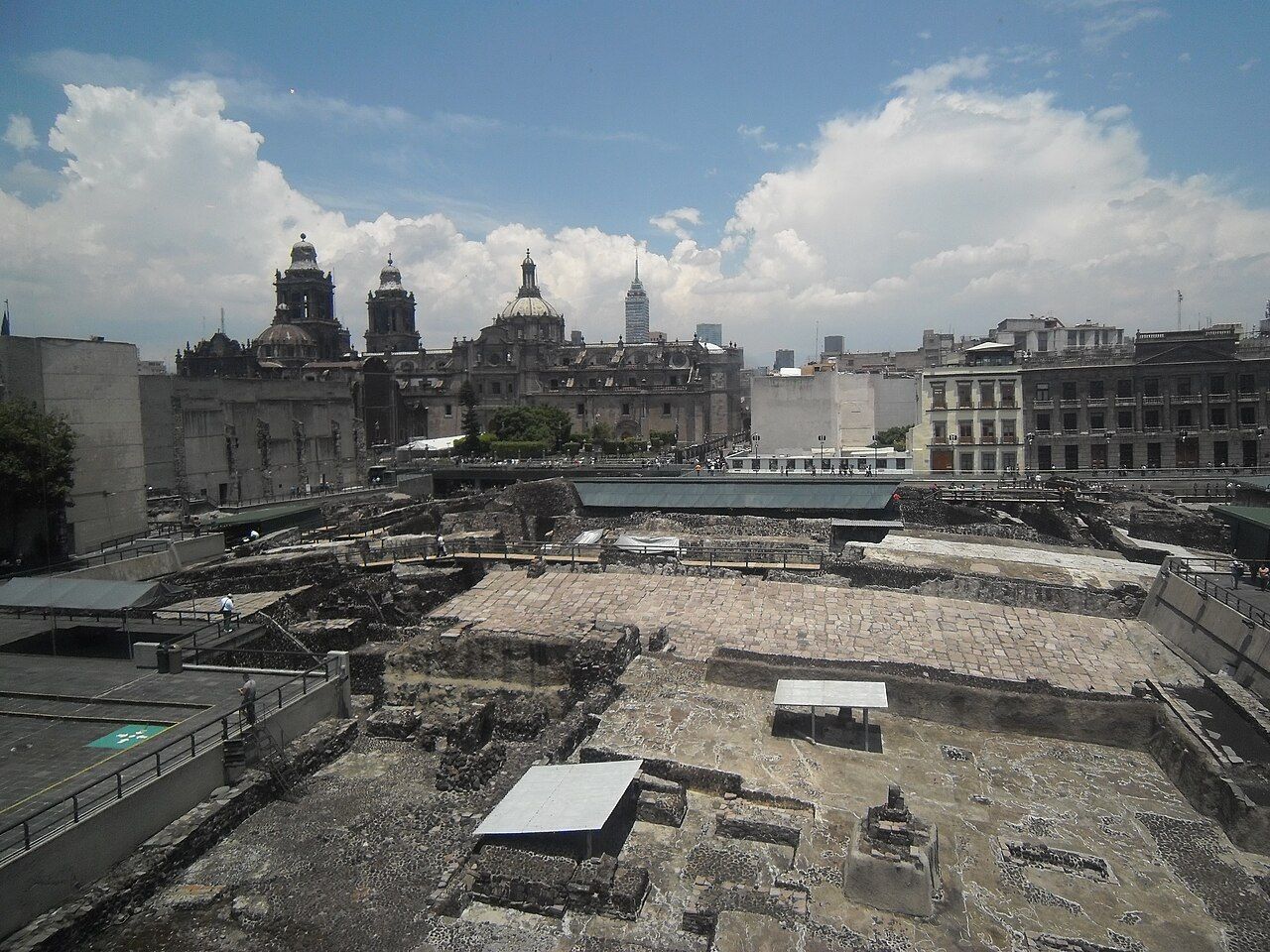
Templo Mayor: Plan Your Mexico City Museum Visit
Plan Templo Mayor with current admission categories, the archaeological remains, museum highlights and clear limits on special access.
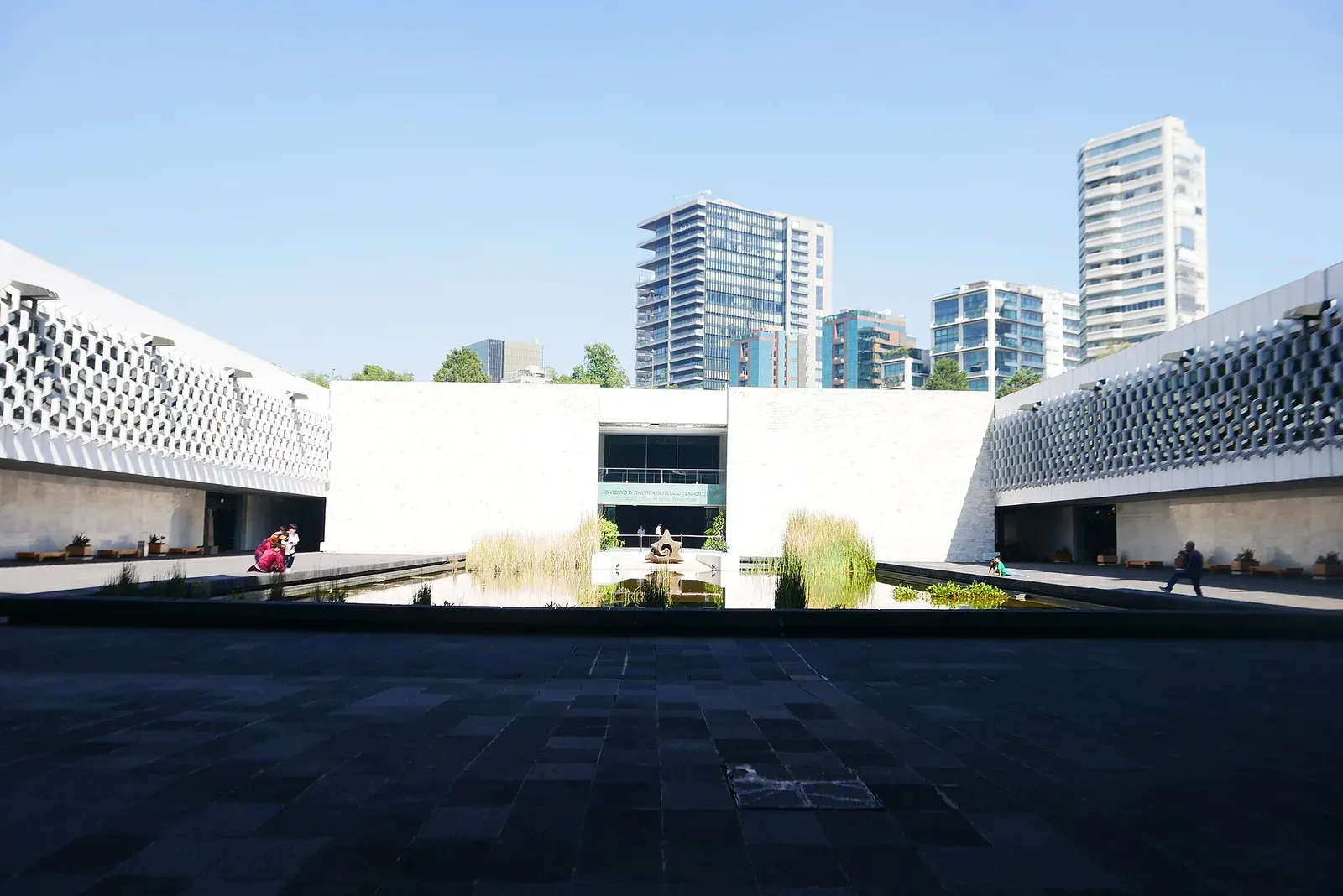
Mexico City Anthropology Museum: Plan Your Visit
A focused Anthropology Museum visit: compare Mexica, Maya and regional galleries, make room for living cultures and understand practical admission choices.
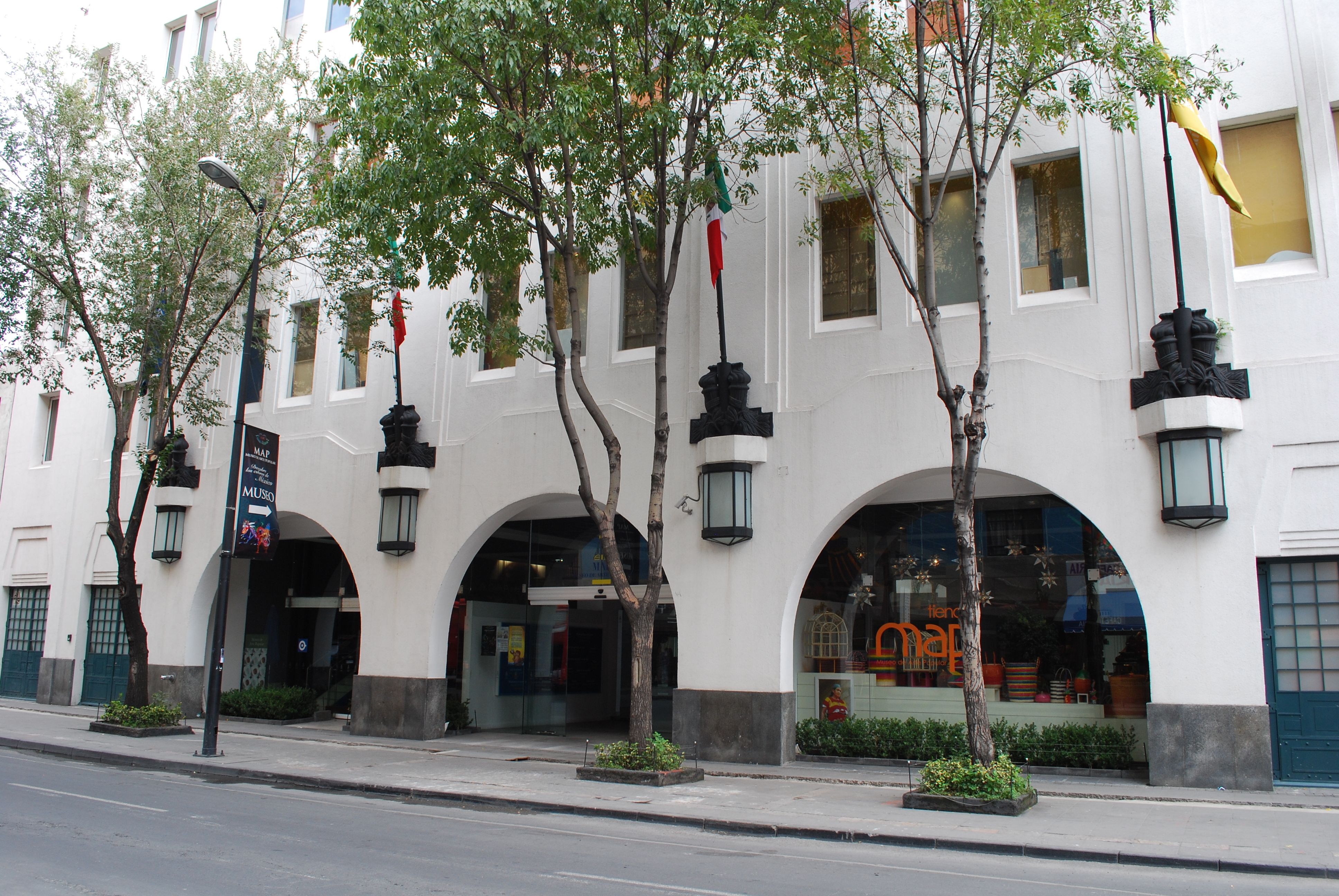
Museo de Arte Popular: Plan Your Mexico City Visit
Plan Mexico City’s Museo de Arte Popular: craft collections, admission, Sunday access and a focused visit near the Alameda.