
Museo de Arte Popular: Plan Your Mexico City Visit
Plan Mexico City’s Museo de Arte Popular: craft collections, admission, Sunday access and a focused visit near the Alameda.
Choose Mexico City's Museo de Arte Popular when you want to understand Mexican craft through objects and materials, rather than add another archaeological museum to your itinerary. It is particularly useful before shopping for textiles, ceramics or decorative work: the galleries give you better questions to ask about makers, technique and origin.
The museum, commonly called MAP, is at Revillagigedo 11 in the historic centre. It makes a focused cultural visit within a central-city day. Our Mexico City highlights guide compares the wider range of museums and neighbourhoods; this guide concentrates on deciding whether MAP suits you and giving its collection enough attention.
Fast facts
| Detail | Planning information |
|---|---|
| Full name | Museo de Arte Popular, usually abbreviated MAP |
| Address | Revillagigedo 11, corner of Independencia, Centro |
| Published hours | Tuesday–Sunday, 10:00–18:00 |
| Published general admission | MXN 60 |
| Sunday | Free admission according to official listings |
| Suggested time | 90 minutes to two hours for a selective visit |
| Best reason to choose it | Materials, making, daily life, sacred and fantastic imagery |
Hours and admission were checked on 3 November 2026. The duration is an editorial allowance, not a museum time limit, and excludes travel or a separately arranged activity. The Mexico City culture department's museum listing supplies the regular practical details.
Make sure you are choosing the right museum
MAP is the Museo de Arte Popular at Revillagigedo 11. Do not confuse it with the Museo Nacional de Culturas Populares in Coyoacán, or with a museum in Oaxaca whose name includes arte popular. Save the complete name and address before choosing directions. An apparently similar map result can lead to a different part of the city and a different collection.
Choose MAP if you enjoy noticing how something was made. A textile, a basket or a paper figure invites you to examine structure, surface and use. The museum's appeal does not depend on recognising a famous painter or already knowing a chronology of ancient civilisations.
This makes it a useful contrast with an archaeology-focused trip. It is also a sensible choice for companions with mixed interests: one person can follow materials, another imagery, and another the building. You can compare what each noticed without requiring everyone to read every label at the same pace.
It is less suitable if your only objective is monumental pre-Hispanic sculpture or a comprehensive archaeological introduction. Choose the museum that answers your actual question rather than assuming all major cultural institutions provide interchangeable experiences.
What the collection helps you see
The national cultural information system's MAP entry identifies four permanent themes: the essence of popular art, everyday life, the sacred and the fantastic. Treat these themes as different ways of looking at objects, not merely as four rooms to tick off.
The same listing describes work in materials including pottery, basketry, paper and cardboard, wood, metal, glass and textiles. That variety is the museum's strongest planning argument. You can compare the possibilities of a material across different uses rather than searching for one representative “Mexican souvenir.” The collection encompasses old and recent work; popular art should not be treated as a tradition that stopped developing in the past.
In the everyday-life theme, start with function. How would an object be held, carried, worn or used? In a sacred context, read the interpretation before deciding that something is merely decorative. In the fantastic theme, notice how familiar forms are combined or transformed, while keeping the object's own label more important than a story you have heard elsewhere.
The exact displays can change. Avoid building your visit around a single photographed piece unless the museum confirms it is currently on view. The broader material and thematic approach still gives you a useful visit when particular objects move, rest or leave for another exhibition.
A focused route through the galleries
At the entrance, establish the current route, any closed areas and whether a temporary exhibition changes the order. Follow the museum's circulation rather than a floor-by-floor sequence copied from an old guide. Before going far, choose one material and one theme that interest you most.
For a material-led visit, compare three objects with a shared substance but different purposes. Look at joins, thickness, texture and the transition between structure and decoration. Read the maker and place information where supplied. This gives you a more grounded comparison than choosing the most colourful object in every case.
For a theme-led visit, compare an everyday object with something made for ceremony or imaginative display. Ask what changes: scale, finish, imagery, the intended viewer or the occasion of use. These are prompts for your own observation, not claims that every object fits a neat division between practical and ceremonial life.
Leave a final block for something you did not expect to enjoy. That might be a material you normally overlook or a temporary display. A selective visit should leave you curious, rather than exhausted from trying to treat the entire collection with identical attention.
Read makers and places, not just colours
The museum represents work from across Mexico. A city-centre address does not mean every object was made in Mexico City, and a bright animal form does not identify its region or technique. Read the label before attaching a broad regional name to a piece.
This matters especially if you plan to buy craft later. Record the material and the maker's name where available, then use those observations to ask a seller specific questions. Who made this piece? Where is it from? Which parts were worked by hand? How should it be cared for? The museum is preparation for a conversation, not a certificate authenticating goods sold elsewhere.
Distinguish paper or cardboard construction from carved wood rather than grouping every fantastic creature under one production method. If a label does not answer a question, keep the uncertainty. It is better to leave knowing what you want to learn than to invent a confident explanation from appearance alone.
Notice the building as well
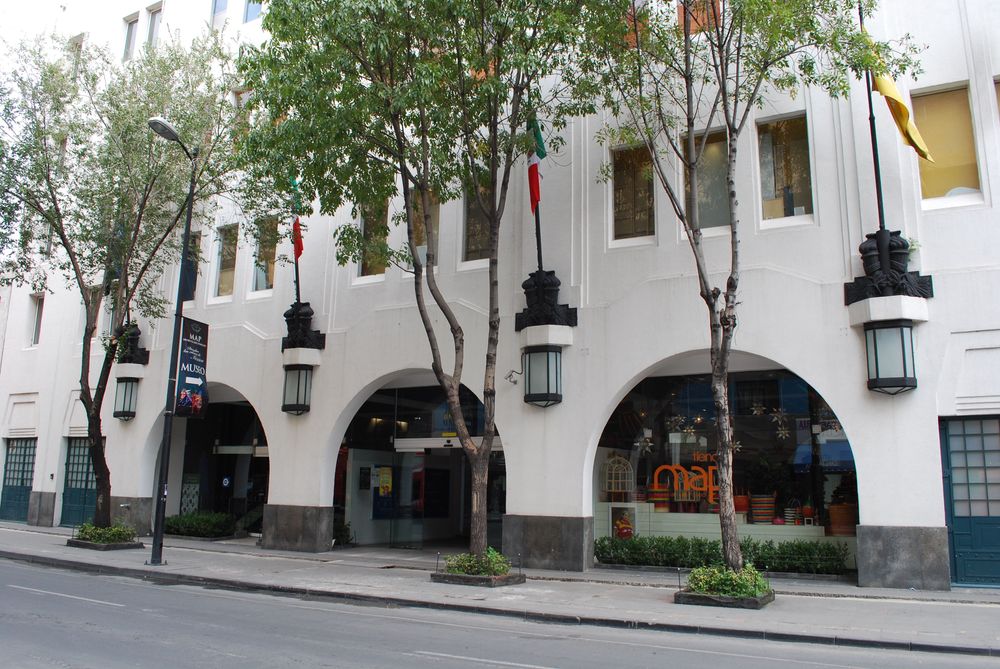
The museum occupies a former fire and police station. Its official administrative history identifies a 1928 building designed by Vicente Mendiola. This background makes the architecture a useful second subject during your visit, rather than just a container for craft.
Look at the facade before entering, then consider how the interior now serves a museum. Compare the scale of the entrance with the smaller objects you will encounter inside. You do not need to reconstruct every historic function to notice that this was not originally conceived as a neutral gallery building.
Do not use an archival photograph as proof of the current entrance arrangement or access route. Renovation, exhibitions and daily operations affect how visitors move through the building. If step-free access is essential, ask about the complete route between the entrance and the galleries you want to see, including lifts and accessible toilets.
Admission, Sunday and organised activities
The culture department lists MXN 60 general admission and free entry on Sundays. It also lists exemptions including visitors under 18, people with disabilities, older visitors with identification, students and teachers with valid credentials, and artisans. Check the documentation and applicability of your own category directly; do not assume a foreign credential is accepted without asking.
A 2026 culture-department announcement repeats the Tuesday–Sunday 10:00–18:00 schedule and Sunday free access. This gives a more recent official corroboration of the regular arrangements than an undated travel summary. Recheck for exceptional closures before travelling, particularly if you have only one available day.
Sunday is useful if admission cost is your deciding factor, but free entry does not guarantee a quieter visit or a place in a workshop. A paid weekday may fit your itinerary better. Choose based on the whole day's geography and your available time rather than travelling across the city solely to save the entry charge.
The museum runs educational activities, but an ordinary ticket does not establish that a workshop, guide or event is available on demand. Confirm age range, language, schedule, cost and any registration with the museum. A family visit can be worthwhile without an organised activity; looking for two different ways of working one material is already a clear shared purpose.
Fit MAP into a central-city day
Keep MAP in a day focused on the historic centre and the Alameda area. Give it the main indoor block if craft is your strongest interest. Afterwards, a meal or an unhurried walk can be enough; you do not have to follow it with another large collection.
If you want a second museum, choose a contrasting subject and verify its current opening separately. Count the time you actually want inside both places before adding a fixed lunch or performance. Our three-day Mexico City itinerary explains how grouping visits by area reduces avoidable cross-city travel.
For rain, the museum offers an indoor cultural purpose, but the journey and any queue still need consideration. Do not turn an indoor choice into a promise that the entire outing is weatherproof. Keep transport directions current and check the final walk to Revillagigedo 11.
Before leaving, revisit the object or material that changed your understanding most. If you visit the shop, treat it as a separate purchase decision: ask about the maker, materials, packing and any shipping conditions. You can leave with notes and a stronger understanding without buying anything.
Cover photograph: Arched entrance facade of Museo de Arte Popular in Mexico City — Archive photograph; no edits to the downloaded file — Thelmadatter, CC BY-SA 3.0.
Frequently Asked Questions
Is the Museo de Arte Popular free?
Official information checked on 3 November 2026 lists free Sunday admission and MXN 60 general admission on other opening days. Several visitor categories qualify for exemptions; confirm documentation directly.
How long should I spend at MAP?
Allow around 90 minutes to two hours for a selective visit, excluding travel and organised activities. Choose a material or theme rather than rushing through every object.
Is this the Museo Nacional de Culturas Populares?
No. This guide covers Museo de Arte Popular at Revillagigedo 11 in the historic centre. The similarly named institution in Coyoacán is a separate destination.
Can I count on a workshop during a normal visit?
No. Check the museum's current programme and any registration, age, language or fee requirements. Ordinary admission does not guarantee a place in an activity.


Keep Exploring
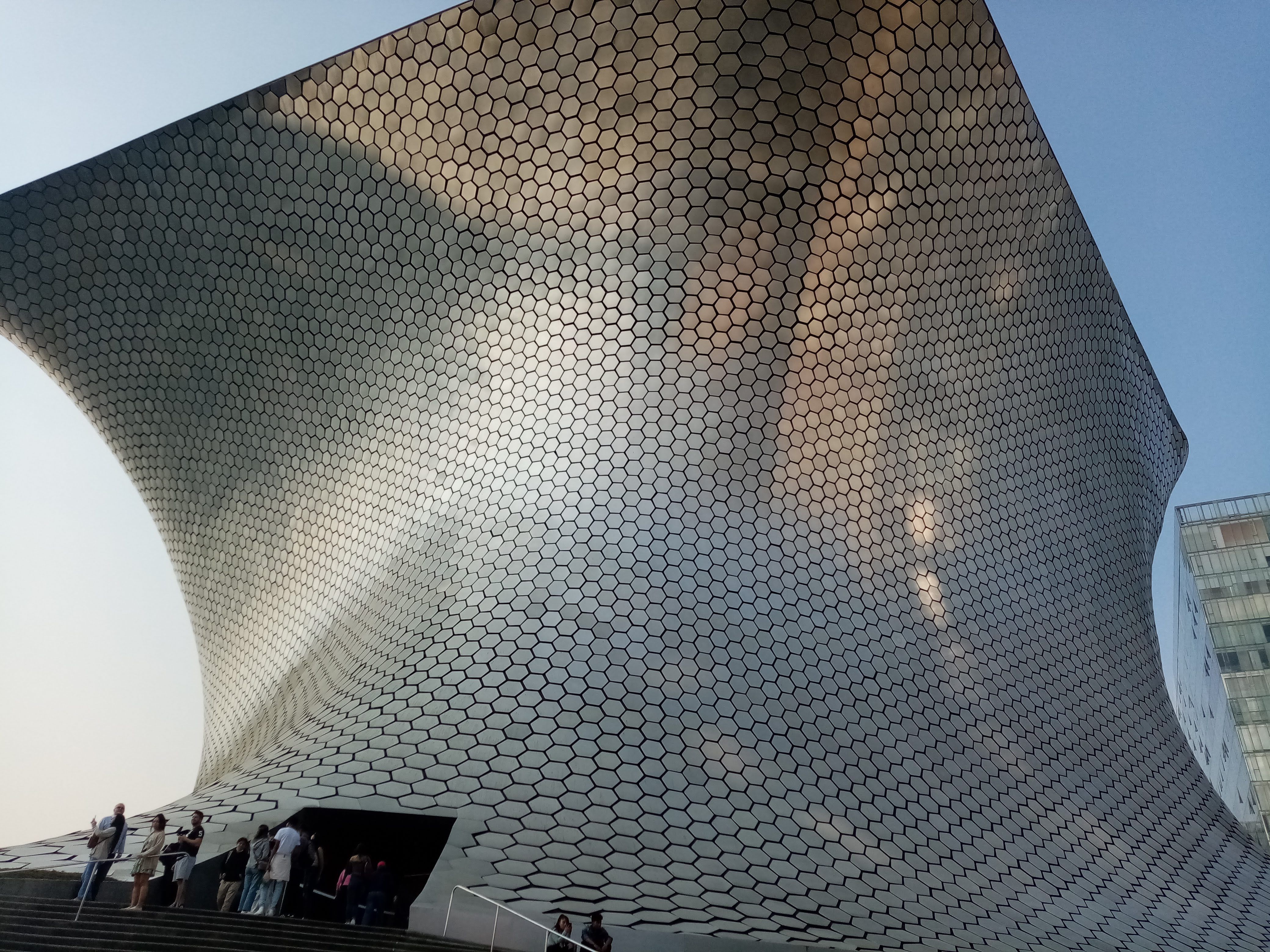
Museo Soumaya: Plan Your Mexico City Visit
Plan a free Museo Soumaya visit at Plaza Carso: choose galleries, check English tours and decide whether to add neighbouring Jumex.
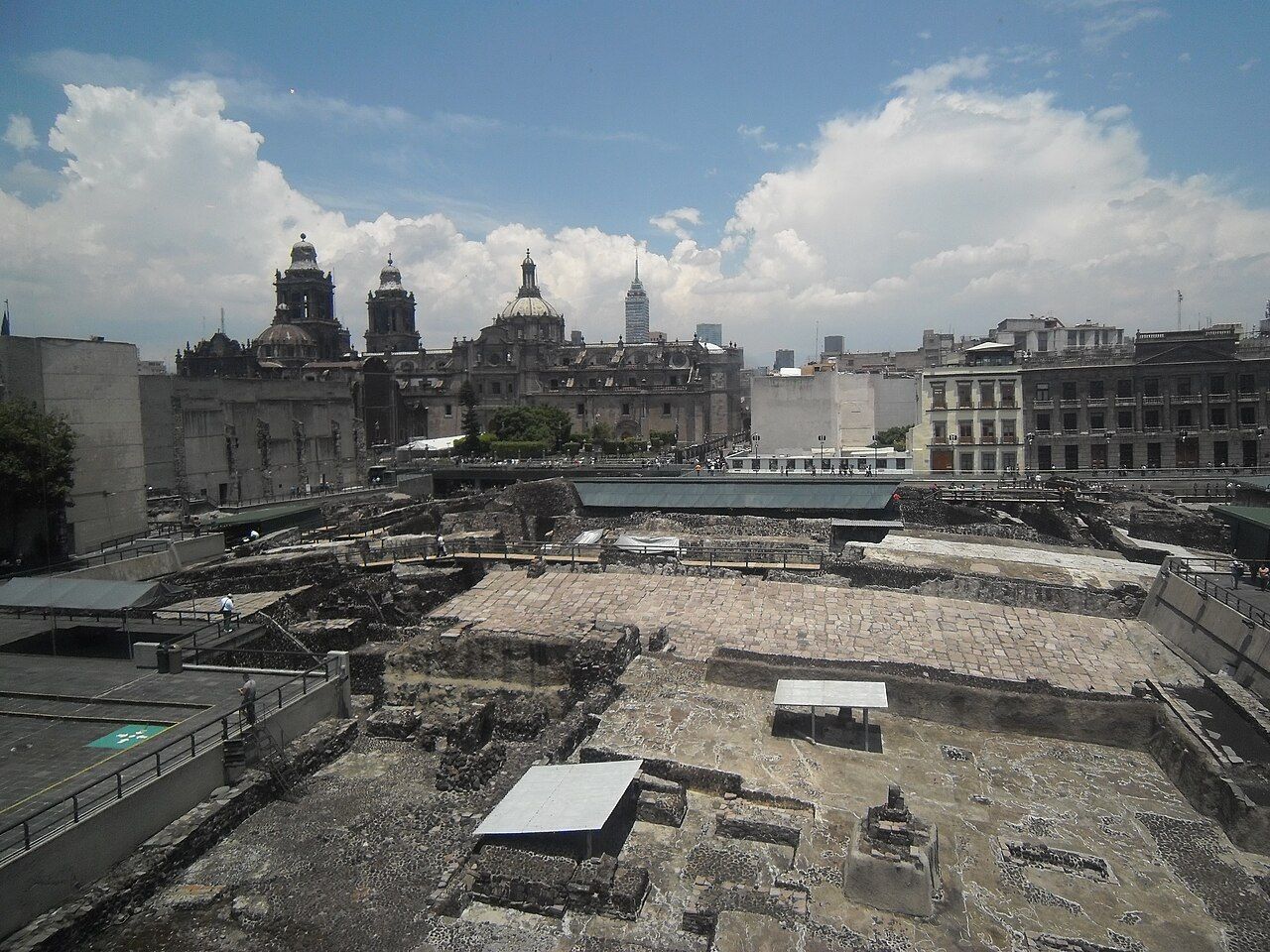
Templo Mayor: Plan Your Mexico City Museum Visit
Plan Templo Mayor with current admission categories, the archaeological remains, museum highlights and clear limits on special access.
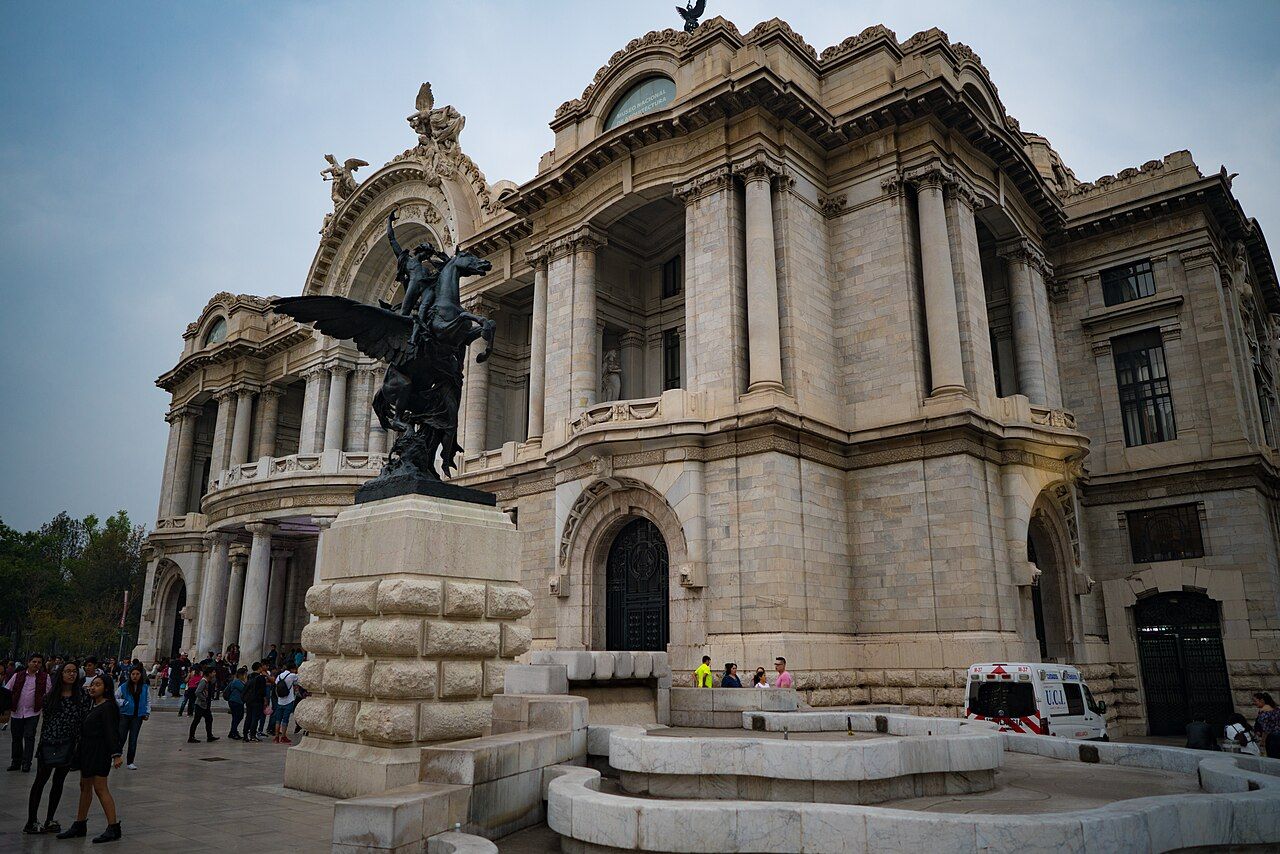
Palacio de Bellas Artes: Plan Your Mexico City Visit
Choose murals, architecture or a performance at Bellas Artes. Plan museum admission, Sunday access, time, tickets and the historic-centre visit.