
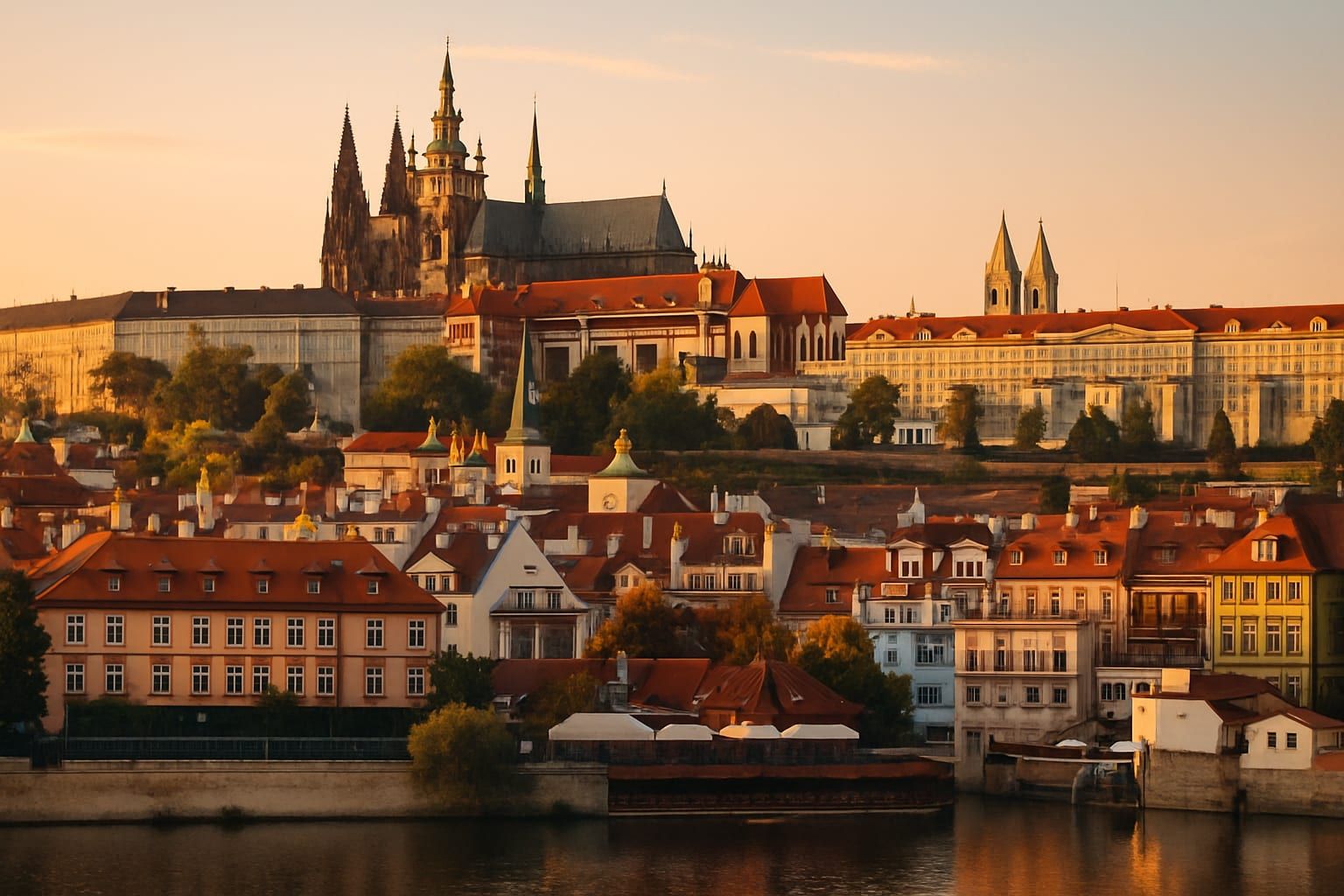
Porto Hidden Gems: Local Guide to the City
Discover Porto beyond the postcards: neighborhoods, food, secret viewpoints, local tips and sample itineraries to experience the city like a Porto resident.
Porto is a city that rewards slow exploration. Beyond the iconic Dom Luís I Bridge and the riverside postcards, an intimate, lived-in city waits: tiled facades around quiet squares, neighbourhood cafés where time moves at the pace of a bica, and cliff-top sunsets that local photographers keep to themselves. This guide shows you how to see Porto like someone who lives here — with neighbourhood routes, offbeat experiences, food and drink tips, and practical local advice.
Why Porto? A brief intro
Porto blends old-world charm and modern energy. From the historic centre’s azulejos to contemporary art at Serralves, the city is compact but layered: culture, food and river life are never far apart. Porto is also an excellent base for wine-focused days in the Douro Valley, and for beaches, fresh seafood and a relaxed Atlantic vibe.
Getting there and getting around
By air and train
- Francisco Sá Carneiro Airport (OPO) is 20–30 minutes from the city centre by metro or taxi. The metro is clean, fast and easy — take Line E to Trindade for the historic core.
- Porto Campanhã is the main long-distance rail hub; trains from Lisbon, the Algarve and northern Portugal arrive here. A quick metro or taxi brings you into town.
Getting around the city
- Porto is eminently walkable if you like hills. Bring good shoes: many streets are steep and paved with cobbles.
- The metro, buses and trams connect the major sights. Buy an Andante card for multi-day travel (reload at stations).
- Taxis and ride-hailing apps (Bolt, Uber) are widely available and affordable for late-night returns or luggage-heavy transfers.
- For scenic short hops, use the funicular at the riverside (Funicular dos Guindais) or the historic tram lines.
Practical tip: Peak hours can be crowded on the metro; if you’re carrying luggage, aim for off-peak travel.
Neighborhoods to linger in
Ribeira & Baixa (historic heart)
Ribeira’s riverfront is postcard-perfect for a reason: colourful facades, cobbled alleys and lively cafés. Early morning or late evening are the best times to avoid crowds. Head uphill into Baixa (downtown) to find historic cafés and boutique shops.
Must-see: São Bento train station’s azulejo panels tell Portugal’s history in tiles — arrive early to get a crowd-free photo.
Cedofeita & Miguel Bombarda (art and local life)
Cedofeita is a quieter, arty neighbourhood with independent shops, street art and relaxed cafés. Miguel Bombarda hosts contemporary galleries and a monthly art walk — great for discovering local artists.
Vila Nova de Gaia (port cellars & viewpoints)
Cross the Dom Luís I Bridge to Gaia for panoramic views of Porto and to visit the port wine lodges. Rather than just the biggest names, look for smaller producers who offer more intimate tastings.
Insider tip: For the best sunset over Porto, watch from Jardim do Morro or the Serra do Pilar terraces in Gaia.
Foz do Douro & Matosinhos (seafood and sunsets)
Foz is where the Douro meets the Atlantic — elegant promenades, cafés and sunset views. Matosinhos, to the north, is the go-to for traditional seafood and grilled fish, and is easily reached by metro.
Local insight: If you want the freshest fish in town, book a table at a Matosinhos local for dinner (many restaurants open late).
Must-see attractions (and how to avoid the crowds)
- Dom Luís I Bridge: Walk across at sunrise or sunset for the best light and fewer tourists.
- Livraria Lello: The beautiful bookstore attracts lines. If you’re not a fan of queuing, visit early (before 9am) or admire the exterior and head to smaller bookshops nearby.
- Clérigos Tower: A short climb delivers panoramic city views. Go early to avoid queues.
- Palácio da Bolsa: Book a guided visit; the Arab Room is a highlight.
- Serralves Museum & Gardens: Contemporary art in a park setting. Combine with a bike ride in the park.
- Mercado do Bolhão: A traditional market for fruit, fish and flowers. Go early morning for the liveliest experience.
Avoiding crowds: For popular sites, early mornings and late afternoons are less busy. If you want a slower pace, choose weekday visits.
Offbeat experiences — things locals love
- River Rabelo Cruise: Take a short one-hour Rabelo boat trip instead of the larger tourist cruises for a more relaxed perspective of the six bridges.
- Tile-hunting walk: Porto’s azulejos are everywhere; follow the blue tiles from São Bento station through the university area to discover hidden façades.
- Rooftop cafés: Many local rooftop bars near Baixa offer a lower-key alternative to riverside terraces.
- Vinyl & café culture: Spend an afternoon in Cedofeita visiting record stores and sipping a bica in a tiny café.
- Street art tour: Wander around the artsy lanes near Miguel Bombarda and up to Bonfim for colourful murals and local galleries.
Food & drink: what to eat and where to go
Porto’s culinary scene ranges from hearty northern classics to modern tasting menus. Start with the local essentials:
- Francesinha: A Porto original — a meat-filled sandwich with melted cheese and a spicy tomato-beer sauce. Try it once, ideally at a place locals recommend.
- Tripas à moda do Porto: A traditional tripe stew (if you’re adventurous).
- Fresh seafood: Grilled fish in Matosinhos or shellfish plates in Foz.
- Pasteis de nata & other pastries: Enjoy a tart with a strong Portuguese coffee (bica).
- Port wine: Tasting at Gaia’s lodges is a must. Consider a guided tasting that includes different styles: tawny, ruby and vintage ports.
For a deeper dive into Porto’s food scene, local favourites and where to eat like a resident, see our detailed guide: Porto Food Guide: The Soul of Portuguese Cuisine.
Local tip: Ask for a “bica” (espresso) — that’s what locals call it. Tipping is modest in Portugal (5–10% if service is not included), and most places accept cards, but small cafés may favour cash.
Sample itineraries & day trips
Quick weekend (48 hours)
If you have two days, focus on the highlights, wandering on foot and sampling local food. For an optimized short stay, see our curated plan: Porto Weekend Guide: Wine, Views & Local Tips.
One week — slow travel in Porto
With seven days you can explore Porto’s neighbourhoods, taste your way through markets, visit Serralves, take a river cruise and enjoy at least one day trip to the Douro Valley for vineyards and terraced vistas. For a full week’s itinerary and practical day-by-day ideas, check: One Week in Porto: Wine, Food & River Views.
Day-trip ideas (no car required):
- Douro Valley: vineyard tours and river landscapes (guided tours are easiest).
- Guimarães or Braga: medieval history and religious architecture within easy reach by train.
Insider advice: Book Douro Valley excursions in advance during high season (May–September) to secure small-group experiences.
Practical tips & local insights
Best time to visit
- Spring (April–June) and early autumn (September–October) offer mild weather, fewer crowds and lively street life.
- Summer is warm and busy — expect crowds at the main viewpoints and higher prices for accommodation.
- Winter is quiet and affordable; many cafes and cultural venues remain open, giving a more local feel.
Money, language & etiquette
- Portugal uses the euro. Cards are widely accepted, but carry some cash for small markets and cafés.
- Portuguese is the official language; English is commonly spoken in tourist areas and among younger locals. Learning a few phrases (obrigado/obrigada, bom dia, por favor) is appreciated.
- Respect quiet hours (late-night noise can annoy local residents in narrow neighbourhoods) and queue politely in cafés and bakeries.
Safety
- Porto is generally safe. Standard precautions against pickpockets apply in crowded areas and on public transport. Keep valuables secure and be aware on the bridges when traffic is busy.
Connectivity & SIM cards
- Free Wi-Fi is common in cafés and hotels. For longer stays, a local prepaid SIM (Vodafone, MEO) is inexpensive and easy to buy at the airport or shops.
Accessibility & mobility
- Porto’s hilly terrain and cobbled streets can be challenging for people with mobility issues. Many museums and public transport hubs are accessible, but check ahead for specific needs.
Where to stay
- Ribeira/Baixa: Best for first-time visitors who want to be in the historic centre.
- Cedofeita/Campo Alegre: Quieter, more local, with great cafés and galleries.
- Foz do Douro: For a beachside atmosphere and calmer evenings.
Booking tip: Choose a centrally located base if you plan to do a lot by foot; otherwise, staying near a metro line makes beach and city access easy.
Responsible travel and local respect
- Support local businesses: buy from neighbourhood bakeries, book small wine lodges and eat at family-run restaurants.
- Respect local life: avoid loud behaviour late at night and dispose of waste properly.
- When visiting rural areas for wine tourism, follow sustainable tour operators and avoid contributing to overtourism at small villages.
Final notes: experiencing Porto like a local
Porto is best experienced slowly. Start with the riverside and the main sights, then allow yourself a few aimless afternoons to wander side streets, watch the light change on the tiled façades, and pop into small bakeries for a pastry and bica. Blend iconic experiences — a port tasting in Gaia, a Douro day trip — with quiet neighbourhood discoveries in Cedofeita or Miragaia.
If you want a focused food adventure, begin with our Porto Food Guide: The Soul of Portuguese Cuisine and pair it with the suggested itineraries in our weekend and week-long guides: Porto Weekend Guide: Wine, Views & Local Tips and One Week in Porto: Wine, Food & River Views.
Keep your schedule loose, your shoes comfortable and your appetite ready: Porto has layers to discover, and its best moments are the small, everyday ones shared with a local bica or an unexpected viewpoint over the Douro.
Related
Frequently Asked Questions
What is the best time to visit Porto?
Spring (April to June) and early autumn (September to October) are the best times to visit Porto, offering mild weather, fewer crowds and lively street life. Summer is warm but busy, with crowds at the main viewpoints and higher accommodation prices. Winter is quiet and affordable, with many cafes and cultural venues staying open for a more local feel.
How many days do you need in Porto?
A weekend of around 48 hours lets you cover Porto's highlights on foot while sampling local food. With a full week, you can explore the city's neighbourhoods, taste your way through markets, visit Serralves, take a river cruise and fit in at least one day trip to the Douro Valley for vineyards and terraced vistas.
Is Porto easy to get around without a car?
Yes, Porto is very walkable, though hilly and cobbled, so good shoes help. A clean, fast metro, plus buses and trams, connect the major sights, and an Andante card covers multi-day travel. Taxis and ride-hailing apps like Bolt and Uber are affordable. Day trips to the Douro Valley, Guimaraes or Braga are reachable without a car too.
What food should you try in Porto?
Porto's signature dish is the francesinha, a meat-filled sandwich with melted cheese and a spicy tomato-beer sauce. Other local essentials include tripas a moda do Porto (tripe stew), fresh grilled seafood in Matosinhos, pasteis de nata with a strong espresso called a bica, and port wine tastings in the Gaia lodges across the Dom Luis I Bridge.
Where is the best place to watch the sunset in Porto?
For the best sunset over Porto, locals head to Jardim do Morro or the Serra do Pilar terraces in Gaia, across the Dom Luis I Bridge, where you get panoramic views of the city. Foz do Douro, where the river meets the Atlantic, also offers elegant promenades and sunset views. Walking the bridge itself at sunset rewards you with great light and fewer tourists.
Keep Exploring
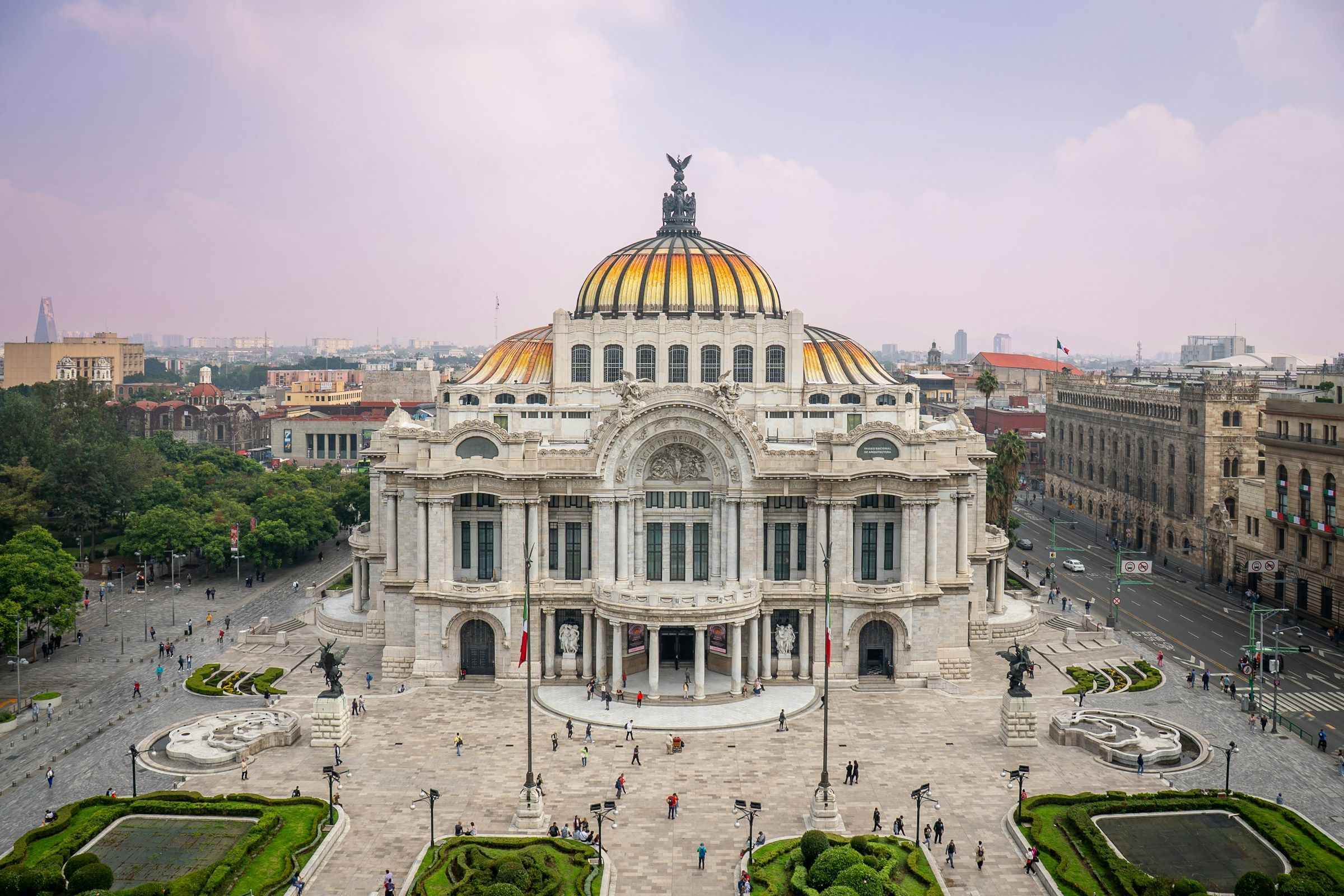
Mexico City in 3 Days: A Neighborhood-Based Itinerary
A practical route through Centro Histórico, Chapultepec, Condesa and Coyoacán, with one main visit each day, flexible meals and clear choices when time runs short.

Los Angeles in 3 Days: Coast, Culture and City Views
A practical Los Angeles itinerary with one main area each day, selective Hollywood time, a coastal walking plan and clear alternatives for closures or short flight days.
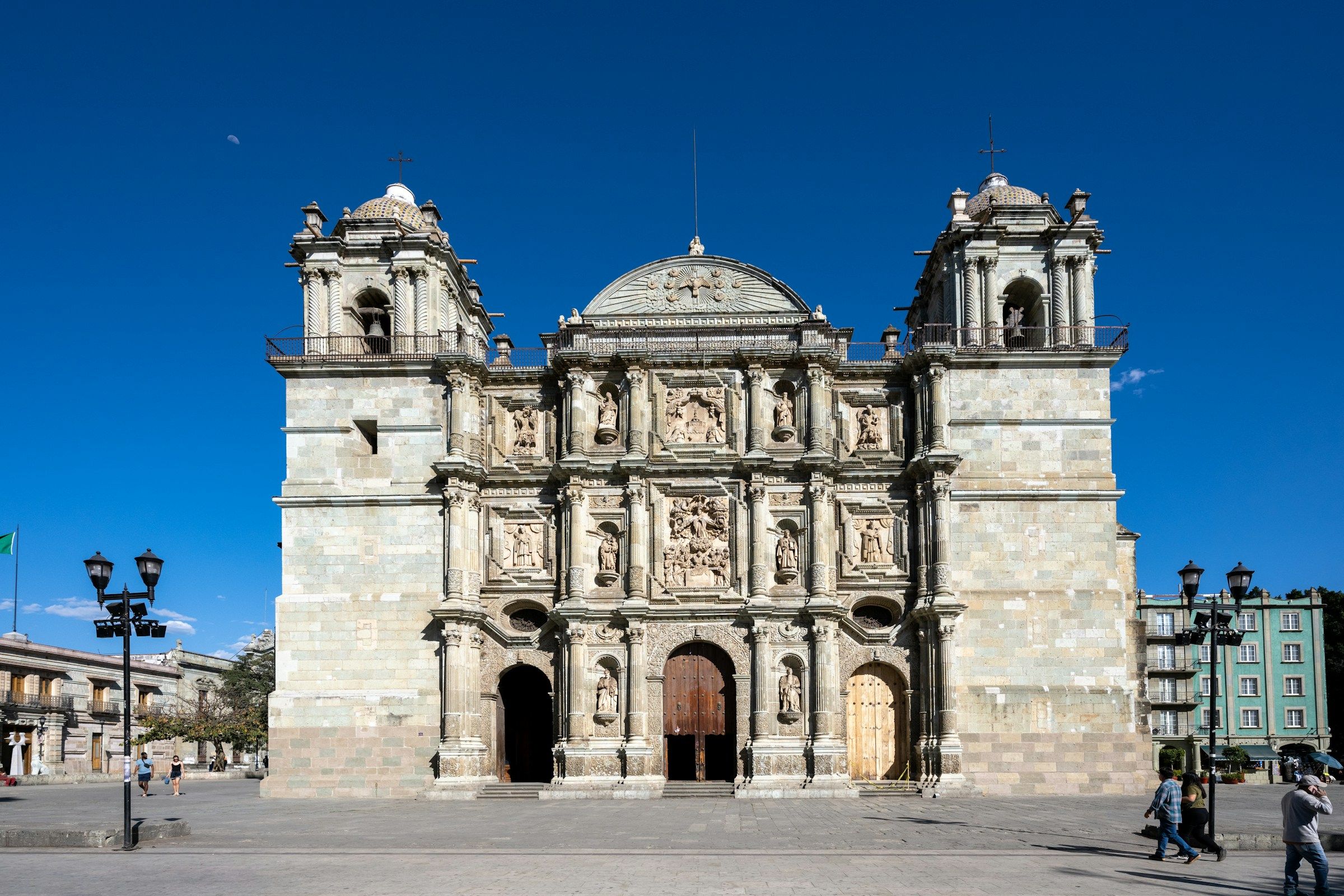
Oaxaca in 3 Days: A City and Culture Itinerary
A realistic Oaxaca itinerary connecting the historic centre, Monte Albán and living craft traditions, with room for meals and clear alternatives when plans change.