
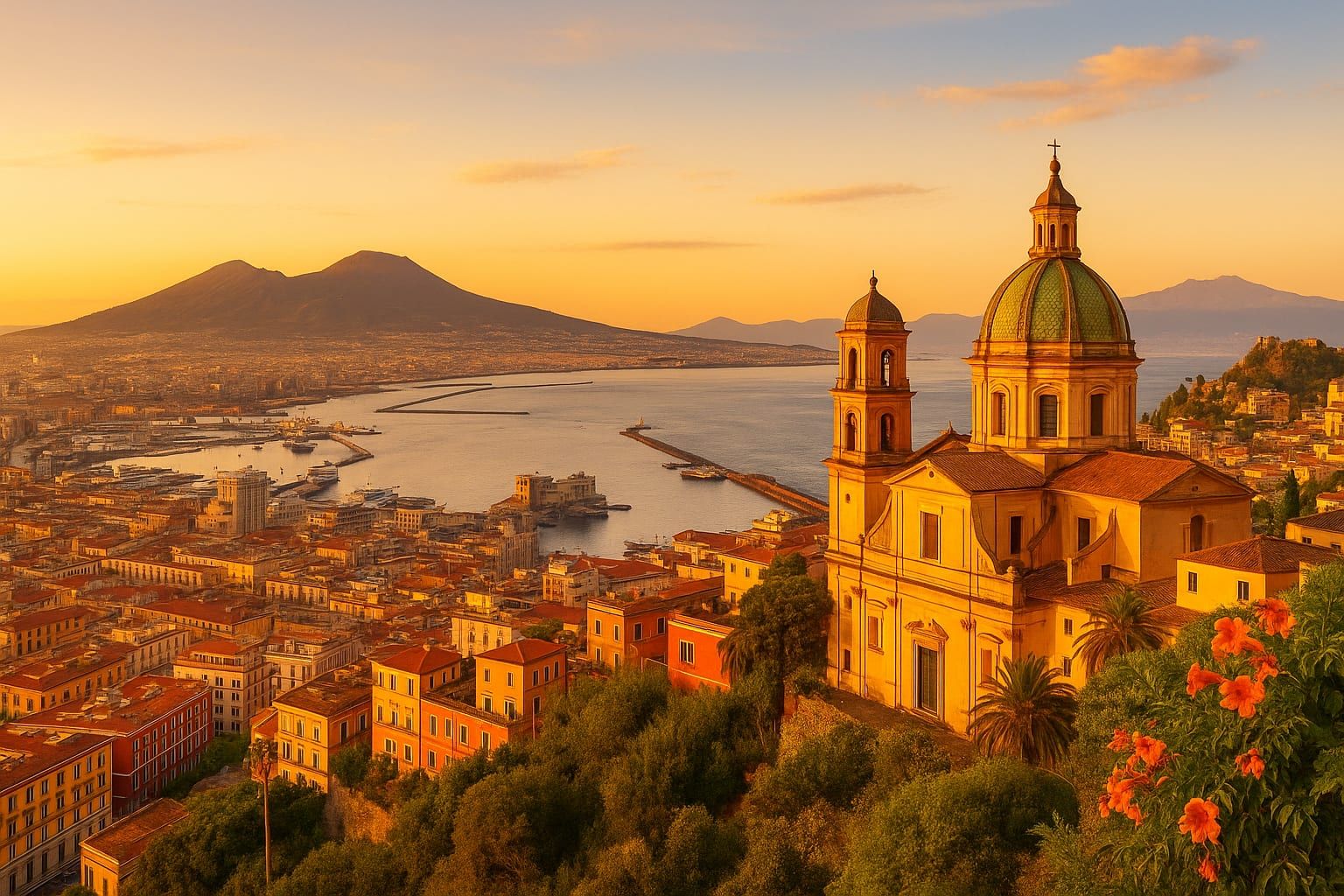
One Week in Southern Italy: Naples to Sicily
A compact 7-day Southern Italy itinerary from Naples to Catania with daily plans, transport options, food highlights and local tips to make the most of Naples, Amalfi, Matera and Sicily.
One Week in Southern Italy: Naples to Sicily
Southern Italy is a mosaic: volcanic peaks, ancient ruins, cliffside villages and island kitchens where seafood and citrus rule. In seven days you can taste the region’s highlights without racing—if you pick the right route. This itinerary takes you from Naples through the Amalfi coast and Matera, across the Strait of Messina and along Sicily’s eastern jewels, finishing in Catania. Practical tips and local insights are included so you travel smarter, not faster.
Quick overview (why this route?)
- Start in Naples for history, street food and a no-nonsense Italian energy.
- Experience Pompeii (or the Amalfi Coast) on the way south.
- Visit Matera’s cave dwellings—an otherworldly stop between Campania and Calabria.
- Cross the Strait of Messina and spend the second half of the week in eastern Sicily: Taormina, Mount Etna, Ortigia and Catania.
This route minimizes backtracking and mixes food, archaeology and nature.
Daily itinerary
Day 1: Naples — Old town, pizza and underground
Morning: Land in Naples. Head straight to the historic center (Spaccanapoli) for an espresso and sfogliatella. Walk past the Duomo and through narrow lanes to Piazza del Plebiscito.
Afternoon: Visit the National Archaeological Museum (outstanding Pompeii artifacts) or book a guided tour of Naples Sotterranea (underground tunnels).
Evening: You’re in the birthplace of pizza—eat at a classic pizzeria (Da Michele or Sorbillo if lines permit). Try a simple Margherita and a limoncello digestif.
Local tip: Naples can feel chaotic; keep valuables secure and embrace the noise. If you have time, a sunset stroll along Lungomare with views of Vesuvius is unbeatable.
Day 2: Pompeii & Mount Vesuvius OR Sorrento/Amalfi Coast
Option A — History lovers: Pompeii + Vesuvius
- Morning: Quick train (Circumvesuviana) or drive to Pompeii (approx 30–40 minutes). Spend 2–3 hours exploring the ruins.
- Afternoon: If you’re fit and weather is clear, drive or join a tour to Mount Vesuvius: hike to the crater for panoramic views of the Bay of Naples.
Option B — Coastal charms: Sorrento & Amalfi Coast
- Drive (or take the Circumvesuviana to Sorrento), then continue along the scenic Amalfi Drive (if driving, allow extra time). Stop in Positano or Amalfi for lunch and sea views.
Local tip: The Amalfi coast roads are narrow and busy in summer. If you prefer to avoid driving, use ferries and SITA buses where possible.
Day 3: Naples to Matera (overnight in Matera)
Distance/time: ~3–3.5 hours by car from Naples. Trains are possible but slower with connections.
Morning: Drive inland to Matera, a UNESCO site famous for its Sassi cave dwellings.
Afternoon: Walk the Sassi (Sasso Caveoso and Sasso Barisano), visit rock churches like Santa Maria de Idris and enjoy a sunset over the ravine.
Evening: Stay in a converted cave B&B for the full experience; dinner is often focused on local lamb, legumes and hearty regional fare.
Local tip: Matera’s lanes can be steep and uneven—bring sturdy shoes. Many boutique cave hotels are small and fill quickly in high season; book ahead.
Day 4: Matera to Messina — crossing into Sicily
Distance/time: Matera to Villa San Giovanni (ferry port) ~3–3.5 hours by car. Ferry across to Messina ~20–30 minutes.
Morning: Depart Matera and head to Villa San Giovanni (or from Reggio Calabria). Catch a frequent car ferry across the Strait of Messina to Messina—book the car slot if driving.
Afternoon: Arrive in Sicily. Drive north-east along the coast to Taormina (about 1–1.5 hours from Messina) or plan to overnight closer to the Strait if you prefer a gentler day.
Evening: Relax in Taormina’s Corso Umberto with a gelato or aperitivo.
Practical: Ferries run year-round but schedules can change; check local listings. It’s a short crossing but a magical moment—look out for dolphins on calm days.
Day 5: Taormina & Mount Etna
Morning: Visit Taormina’s Greek Theatre for views across the Ionian Sea and Etna. Wander the medieval lanes and shops.
Afternoon: Drive to the Rifugio Sapienza area on Mount Etna (about 1 hour) for crater excursions or a guided jeep/hike. There are half-day tours from Taormina if you prefer not to drive.
Evening: Return to Taormina or head down to Catania for the night.
Local insight: Etna’s weather can change quickly—dress in layers, and book a guided trip for safety if you plan to go near the active zones.
Day 6: Ortigia (Syracuse) — baroque alleys & seafood
Distance/time: Taormina to Syracuse ~1.5 hours by car; Catania to Syracuse ~1 hour.
Morning: Drive south to Syracuse’s island of Ortigia. Walk the waterfront, visit the Duomo (built on a Greek temple) and wander narrow piazzas.
Afternoon: Explore the Archaeological Park (Neapolis) with its Greek theatre and Roman amphitheatre, then return to Ortigia for seafood—fresh swordfish, sashimi, or traditional pasta con le sarde.
Evening: Ortigia is magical at night; try a seaside trattoria and enjoy granita and brioche for dessert.
Day 7: Catania — markets, architecture and departure
Morning: Head to Catania’s lively fish market (La Pescheria) for a sensory immersion, then visit Piazza Duomo and Via Etnea for last-minute shopping.
Afternoon: Depending on your flight time, drive to Catania airport (CTA) or take regional train services. If you have a late flight, consider a short visit to the Baroque towns of Noto or Ragusa en route (add time).
Local tip: Sicily’s eastern corridor (Taormina–Catania–Syracuse) can be done at a relaxed pace—skip one stop to linger if you prefer.
Practical travel tips
Transport: car, train or mix-and-match?
- Best for flexibility: Rent a car in Naples and drop it in Catania. One-way fees exist—compare quotes and book early.
- If you’d rather not drive: Use trains between major hubs (Naples–Salerno–Sicily segments require a ferry for vehicles), and hire a car only once you’re in Sicily.
- Ferries: Villa San Giovanni ↔ Messina ferry is short and frequent. For the Amalfi Coast, boats between Sorrento, Positano and Amalfi save time in summer.
Driving notes:
- Watch for ZTL (limited-traffic) zones in historic centers—illegal entry can mean fines.
- Roads on the Amalfi coast and Sicilian hill towns are narrow; hire a small car and avoid peak hours.
- Toll roads (autostrade) exist; keep cash or a card handy.
Accommodation suggestions
- Naples: Stay in the historic center (Chiaia or near Piazza Dante) for walking access to sights.
- Matera: Choose a cave hotel in the Sassi for an unforgettable stay.
- Taormina/Syracuse: Centrally located B&Bs or small hotels near the main piazzas reduce driving and parking headaches.
Money, language and etiquette
- Currency: Euro. Smaller towns are often cash-preferred for tiny purchases—carry some euros.
- Language: Italian is standard; in Sicily you’ll hear Sicilian dialects. Learning a few phrases (grazie, per favore, buongiorno) goes a long way.
- Tipping: Not obligatory. Small change or a 5–10% tip for exceptional service is appreciated in restaurants.
When to go
- Best seasons: April–June and September–October (pleasant temperatures, fewer crowds).
- Summer: Great for beach weather but expect heat and busy roads. Book everything in advance.
- Winter: Quieter and cheaper, but some coastal ferries and tourist services reduce frequency.
Food & drink: what to try (and where)
- Naples: Pizza Margherita, sfogliatella, espresso.
- Amalfi/Sorrento: Limoncello, seafood pasta, fresh mozzarella.
- Matera: Orecchiette, lamb, rustic breads.
- Sicily (east coast): Arancini, cannoli, granita, pasta alla norma, fresh swordfish and tuna.
For a deeper dive into Sicilian street food and Palermo’s vibrant scene, check this Palermo food guide: [/en/food-drink/palermo-food-guide-street-food-capital]. If you’re tempted by cooking, consider local classes — there are great options around Italy detailed in our guide to [/en/food-drink/cooking-classes-italy-florence-rome-beyond]. And if you’re a dessert lover, the island’s gelato culture is worth sampling alongside the mainland classics in our Best Gelato guide: [/en/food-drink/best-gelato-italy-city-guide]. Should your Italian appetite pull you north on another trip, three foodie days in Bologna make the case for the country's richest culinary city.
Local insight: Eat where locals eat—small family-run trattorie often offer the freshest, seasonal dishes at good prices. In markets, don’t miss tasting-friendly stalls run by vendors who’ve been there for generations.
Safety, health and useful contacts
- General safety: Southern Italy is safe for tourists but use typical urban caution—watch for pickpockets in crowded markets and transport hubs.
- Health: Pharmacies (farmacia) are common; bring any prescription medicines with original packaging.
- Emergency: Dial 112 for EU emergency services.
Two alternative itineraries (if you have special interests)
- Food-focused week: Naples (2 nights) → Sorrento/Amalfi (2 nights) → Palermo (3 nights) — fly or ferry to Palermo from Naples/Salerno.
- Slow road trip: Skip Matera, spend two nights on the Amalfi coast and two nights in Taormina; enjoy more beach time and fewer transfers.
Final tips to travel like a local
- Buy museum and archaeology tickets in advance (Pompeii sells timed slots).
- Embrace late meals—dinner often starts after 8pm in summer.
- Ask for acqua naturale (still water) in restaurants; it’s often cheaper than bottled.
- Keep a pair of comfortable walking shoes—cobblestones and steps are everywhere.
Southern Italy rewards those who slow down: a perfect pizza shared in Naples, an unplanned detour to a cliffside lemon grove, or a solitary sunset over Etna can be the highlight of a week. This itinerary gives structure and room for spontaneity—book key stays and a car if you want freedom, but leave space to linger.
Buon viaggio!
Related
Frequently Asked Questions
How many days do you need for a Naples to Sicily trip?
One week is enough to cover Naples to Sicily without rushing. This itinerary spends the first days around Naples, Pompeii or the Amalfi Coast and Matera, then crosses the Strait of Messina for eastern Sicily, including Taormina, Mount Etna, Ortigia and Catania. Seven days lets you mix food, archaeology and nature while leaving room to linger.
What is the best time to visit Southern Italy and Sicily?
The best times are April to June and September to October, when temperatures are pleasant and crowds are thinner. Summer offers great beach weather but brings heat and busy roads, so book everything in advance. Winter is quieter and cheaper, though some coastal ferries and tourist services run less frequently during the off-season months.
Should you rent a car or take the train from Naples to Sicily?
Renting a car in Naples and dropping it in Catania gives the most flexibility, though one-way fees apply, so book early. If you prefer not to drive, use trains between major hubs and hire a car once in Sicily. Note that Naples to Sicily train segments require a ferry crossing for vehicles at the Strait of Messina.
How do you cross from mainland Italy to Sicily?
You cross the Strait of Messina by car ferry, typically from Villa San Giovanni to Messina, a short crossing of about 20 to 30 minutes. Ferries are frequent and run year-round, though schedules can change, so check local listings. If driving, book the car slot in advance. On calm days you may even spot dolphins.
Is Matera worth visiting on a Southern Italy itinerary?
Matera is worth a stop and makes an otherworldly break between Campania and Sicily. This UNESCO site is famous for its Sassi cave dwellings, where you can walk Sasso Caveoso and Sasso Barisano, visit rock churches and watch sunset over the ravine. Staying in a converted cave B&B adds to the experience, but book early as boutique hotels fill quickly.
Keep Exploring

Mexico City in 3 Days: A Neighborhood-Based Itinerary
A practical route through Centro Histórico, Chapultepec, Condesa and Coyoacán, with one main visit each day, flexible meals and clear choices when time runs short.

Singapore in 3 Days: A First-Timer’s Itinerary
A three-day Singapore itinerary balancing skyline sights, neighbourhood walks, gardens and food, with room for rain and a slower pace.

Los Angeles in 3 Days: Coast, Culture and City Views
A practical Los Angeles itinerary with one main area each day, selective Hollywood time, a coastal walking plan and clear alternatives for closures or short flight days.