
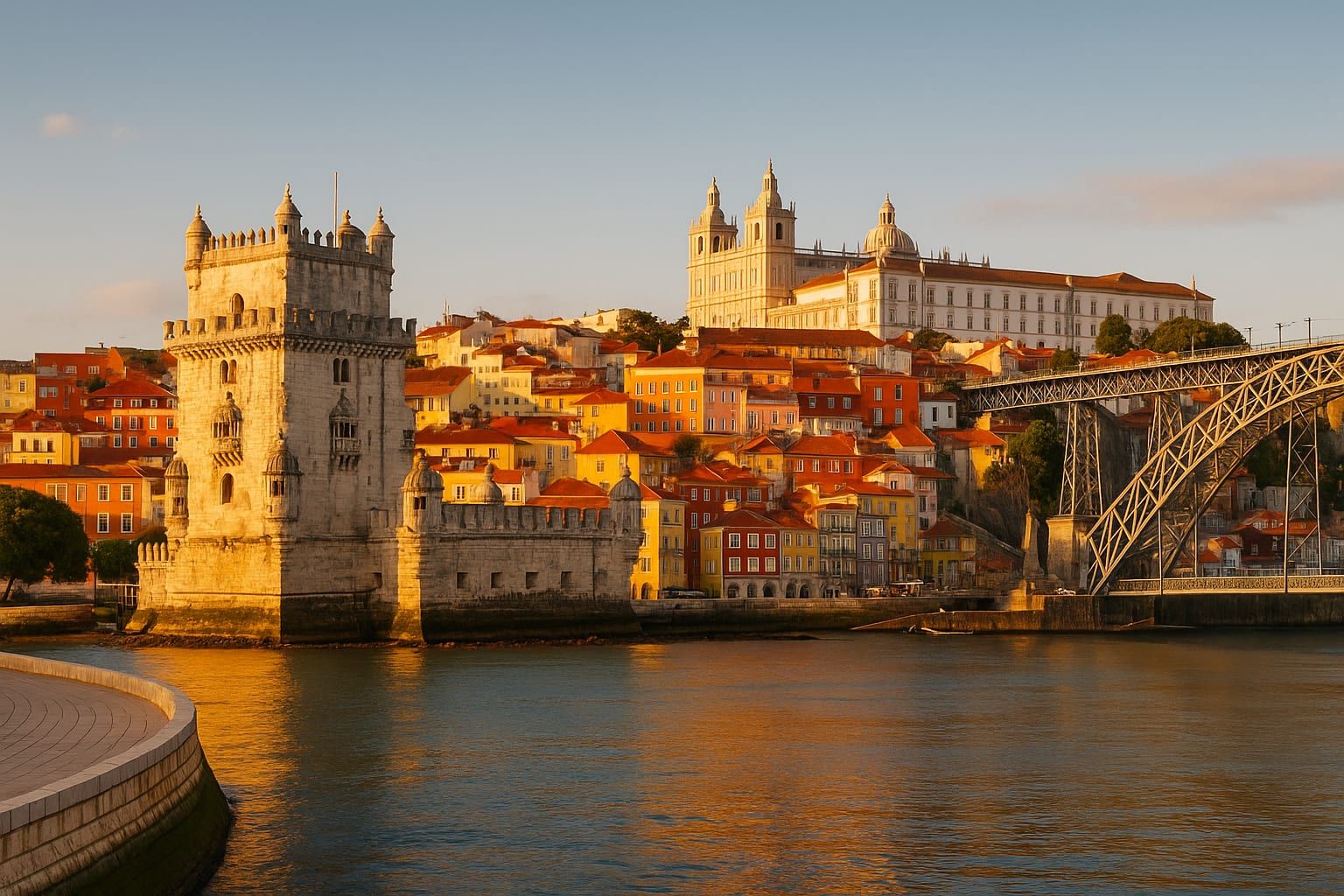
A week-long road trip from Lisbon to Porto: coastal scenery, hilltop palaces, historic monasteries, the Douro Valley, and practical driving tips to make the most of Portugal.
One Week in Portugal: Lisbon to Porto Road Trip
Portugal packs history, ocean views, and unforgettable food into a compact country — ideal for a one-week road trip. Start in Lisbon, wind up the Atlantic coast through fairy-tale towns and dramatic cliffs, detour through the revered monasteries and university city of Coimbra, and finish in Porto with its riverside charm and wine lodges. This guide gives a day-by-day itinerary, driving distances, local insights and practical tips to keep your trip smooth.
Quick snapshot: the route
- Day 1–2: Lisbon (explore the city, optional day trip to Sintra)
- Day 3: Lisbon → Óbidos → Nazaré → Batalha → Alcobaça (overnight nearby)
- Day 4: Alcobaça → Fátima → Coimbra (overnight)
- Day 5: Coimbra → Aveiro → Costa Nova → Aveiro/Ílhavo (overnight)
- Day 6: Aveiro → Douro Valley detour (Pinhão) or straight to Porto (overnight Pinhão/Porto)
- Day 7: Porto (explore, wine lodges, riverside)
Total driving time (approx.): 8–12 hours across the week, depending on detours.
Day-by-day itinerary
Day 1: Lisbon — Get a feel for Portugal’s capital
Morning: Arrive and settle into a central neighbourhood (Alfama, Baixa, Chiado). Take a walking loop through Praça do Comércio, Rua Augusta and the Santa Justa Lift.
Afternoon: Explore Alfama’s narrow lanes and the São Jorge Castle for sweeping views. Stop for a pastel de nata (custard tart) and a bica (espresso).
Evening: Dinner in Bairro Alto or a fado house in Alfama. If you prefer a creative, modern vibe, visit LX Factory for food and local design.
Tip: You don’t need a car while in Lisbon — consider picking up a rental the evening before you leave the city center or the morning of Day 3 to avoid parking hassles.
Day 2: Sintra day trip or more Lisbon
Option A — Sintra (45 min from Lisbon): Palácio da Pena, Quinta da Regaleira and the Moorish Castle. Allow a full day — the sites and gardens are extensive.
Option B — More Lisbon: Belém (Jerónimos Monastery, Belém Tower, Pastéis de Belém), or a day exploring neighborhoods and viewpoints.
Driving note: If you rent a car this day, park in the outskirts of Lisbon and use public transport into crowded tourist spots.
Day 3: On the coast — Óbidos, Nazaré and the monasteries
Route: Lisbon → Óbidos (1 hr) → Nazaré (40 min) → Batalha (35 min) → Alcobaça (15 min)
Highlights: Stroll the medieval streets of Óbidos, a postcard-perfect white-walled town. In Nazaré, take the funicular up to Sitio for cliff-top views and — in winter — watch the big-wave surfers. Visit Batalha Monastery (a Gothic masterpiece) and Alcobaça Monastery (Cistercian romance and UNESCO heritage).
Stay: Overnight near Alcobaça or Batalha — charming pousadas (historic inns) are available.
Day 4: Fátima and Coimbra — pilgrimage and academia
Route: Alcobaça → Fátima (40 min) → Coimbra (1.5 hr)
Fátima: A major pilgrimage site with its basilica and peaceful atmosphere. Even if you’re not religious, the scale and devotion are striking.
Coimbra: Home to one of Europe’s oldest universities. Visit the Biblioteca Joanina (the ornate library), the hilltop university quarter and enjoy river views along the Mondego.
Tip: Coimbra’s nightlife is student-driven — try a small tasca (tavern) for traditional dishes.
Day 5: Aveiro & Costa Nova — canals and candy-striped houses
Route: Coimbra → Aveiro (45 min)
Aveiro: Often called the “Venice of Portugal” for its canal boats (moliceiros). Wander the colorful Ria waterfront, try ovos moles (sweet egg pastry), and explore the ceramics shops.
Costa Nova: A short drive from Aveiro — famous for its candy-striped wooden houses and a relaxed beach vibe.
Stay in Aveiro/Ílhavo.
Day 6: Douro Valley detour or direct to Porto
Option A — Douro Valley (adds driving but rewards with vineyards): Aveiro → Pinhão (~2.5–3 hours). Spend the day among terraced vineyards, take a river cruise or book a wine tasting at a quinta (winery). Overnight in Pinhão or in Porto if you prefer city nightlife.
Option B — Straight to Porto: Aveiro → Porto (~1 hour)
Either way, arrive in Porto in the evening and enjoy the city’s riverside nightlife in the Ribeira.
Day 7: Porto — wine, tiles and riverside charm
Morning: São Bento train station ( admire the azulejo tiles), Torre dos Clérigos and Livraria Lello (book lovers’ shrine).
Afternoon: Cross the Dom Luís I Bridge to Vila Nova de Gaia for port lodges — book a tasting and cellar tour. Try a francesinha (Porto’s indulgent sandwich) for lunch or dinner.
Evening: Sunset cruise on the Douro or a riverside dinner in Cais de Ribeira.
If you want more Porto-focused reading, see our Porto food guide and a 48-hour Porto itinerary to dive deeper: /en/local-culture/porto-food-guide-traditional-portuguese-cuisine/ and /en/itineraries/48-hours-porto-wine-views-azulejos. For a broader take on Porto as a destination, read /en/hidden-gems/porto-europe-most-underrated-city-break.
Practical driving tips and local insights
Renting a car
- Pick-up/Drop-off: Consider picking up your car after you’ve explored Lisbon on foot. Airport pickups are convenient but city-center offices are often easier.
- Size matters: Narrow streets and tight parking mean a small car is a blessing, especially in medieval town centers.
- Insurance: Basic CDW is standard; consider adding extra coverage for peace of mind on rural roads.
Tolls and paying
Many Portuguese motorways have electronic tolls (no cash booths). You have several options:
- Ask your rental company for a transponder (Via Verde) or a toll package — the easiest option.
- Buy a TollCard or register a visitor pass online in advance (check current government/toll operator portals).
- If you can’t prepay, keep all rental paperwork and pay outstanding tolls through the rental company to avoid surprises.
Always verify toll payment methods with your rental provider at pickup — processes change and it’s your responsibility to ensure tolls are covered.
Fuel, roads and driving etiquette
- Fuel: Diesel (gasóleo) is usually cheaper than gasoline (gasolina). Stations are frequent on main routes but fewer on secondary roads.
- Speed limits: Generally 50 km/h in towns, 90–100 km/h on national roads, and 120 km/h on motorways. Signs are in km/h.
- Roundabouts: Yield to traffic already in the circle, signal when exiting.
- Night driving: Some rural roads are narrow and not well lit — drive cautiously.
Parking
- In cities: Blue zones (paid) and resident-only spaces are common. Hotels often offer paid parking — worth booking it.
- Park & Walk: For towns like Óbidos and Coimbra, park outside the historic cores and walk in.
- Porto & Lisbon: Consider parking outside the most touristy districts and using public transport or short walks.
Cash, cards and tipping
- Cards are widely accepted in hotels, restaurants and shops. Small cafes or market stalls may prefer cash.
- Tipping: Not obligatory; 5–10% for good service in restaurants is appreciated but not expected.
Food & drink highlights to try along the way
- Lisbon: Pastel de nata (try Pastéis de Belém), bacalhau (cod cooked many ways), grilled sardines (seasonal summer favourite).
- Nazaré/Coastal towns: Fresh seafood and fish stews.
- Coimbra/Aveiro: Ovos moles (Aveiro’s sweet) and hearty regional dishes.
- Douro Valley: Port and table wines; book a tasting at a quinta.
- Porto: Francesinha, tripas à moda do Porto, and port wine tastings across Vila Nova de Gaia. For a deep dive into Porto’s culinary scene, check our Porto food guide: /en/local-culture/porto-food-guide-traditional-portuguese-cuisine.
Local insight: Try small family-run tascas (taverns) away from tourist strips for the most authentic and budget-friendly meals.
Where to stay — a mix of styles
- Lisbon: Central neighborhoods like Baixa/Chiado (walkable), Alfama (atmosphere), or trendy Príncipe Real for foodies.
- Countryside/pousadas: Stay in converted monasteries or quintas near Batalha or the Douro for once-in-a-lifetime settings.
- Aveiro: Canal-side guesthouses for charm.
- Douro: A quinta with vineyard views.
- Porto: Ribeira for riverside views, or Cedofeita/Boavista for a quieter base.
Booking tip: In high season (June–September) book hotels and wine tours well in advance.
Best time to go
- Spring (April–June) and early autumn (September–October) are ideal: mild weather, fewer crowds, and lively festivals.
- Summer (July–August) is busy and hot — beach towns fill up and accommodation prices rise.
- Winter offers dramatic waves in Nazaré and lower prices but some rural attractions have reduced hours.
Safety & culture notes
- Portugal is one of Europe’s safer destinations; common-sense precautions (watch your belongings, park sensibly) are enough.
- Language: Portuguese is the official language; English is widely spoken in tourist areas. Learn a few basics: obrigado/obrigada (thank you), por favor (please), bom dia (good morning).
Final tips to make it unforgettable
- Be flexible: The best discoveries often come from unexpected stops — a coastal lookout, a roadside café, or a local market.
- Slow down: Don’t cram too many long drives into a day; savor the coastal roads and vineyard terraces.
- Book a winery visit in the Douro in advance if you go — availability is limited, especially in high season.
- Consider internal transfers: If you’d rather avoid driving in Lisbon and Porto, rent the car after your Lisbon stay and return it before your Porto explorations.
Portugal’s charm is a combination of scenic coastlines, centuries-old towns, and warm hospitality. In seven days between Lisbon and Porto you’ll witness distinct landscapes and tastes that make the country such a rewarding road-trip destination. Safe travels — or as the Portuguese say, boa viagem!
Related
Frequently Asked Questions
How many days do you need for a Lisbon to Porto road trip?
One week is ideal for a Lisbon to Porto road trip. This itinerary spreads seven days across Lisbon, the Atlantic coast towns of Obidos and Nazare, the monasteries of Batalha and Alcobaca, Coimbra, Aveiro, an optional Douro Valley detour, and Porto. Total driving is roughly 8 to 12 hours for the week, depending on detours, leaving time to explore each stop.
What is the best time of year to do a road trip in Portugal?
Spring (April to June) and early autumn (September to October) are the best times for a Portugal road trip, offering mild weather, fewer crowds, and lively festivals. Summer (July and August) is hot and busy, with beach towns filling up and higher accommodation prices. Winter brings dramatic waves in Nazare and lower prices, though some rural attractions reduce their hours.
Do you need a car to visit Lisbon and Porto?
You do not need a car within Lisbon or Porto, as both cities are best explored on foot and by public transport. The article suggests renting your car after exploring Lisbon and returning it before your Porto sightseeing to avoid parking hassles. Narrow streets and tight parking in medieval town centers also make a small car preferable for the route between cities.
How do tolls work for tourists driving in Portugal?
Many Portuguese motorways use electronic tolls with no cash booths. The easiest option is asking your rental company for a Via Verde transponder or toll package. You can also buy a TollCard or register a visitor pass online in advance. If you cannot prepay, keep all rental paperwork and settle outstanding tolls through the rental company to avoid surprises.
Is the Douro Valley worth a detour on a Lisbon to Porto trip?
The Douro Valley is worth the detour if you have time, rewarding visitors with terraced vineyards, river cruises, and wine tastings at a quinta. From Aveiro, Pinhao is about 2.5 to 3 hours' drive, so it adds significant driving. Book winery visits in advance, especially in high season, since availability is limited. Alternatively, drive straight from Aveiro to Porto in roughly one hour.

Keep Exploring

7-Day Portugal: Porto, Douro & Lisbon Road Trip
A week-long Portugal itinerary linking Porto, the Douro Valley and Lisbon. Day-by-day plans, wine and food tips, transport advice and local insights for a seamless trip.
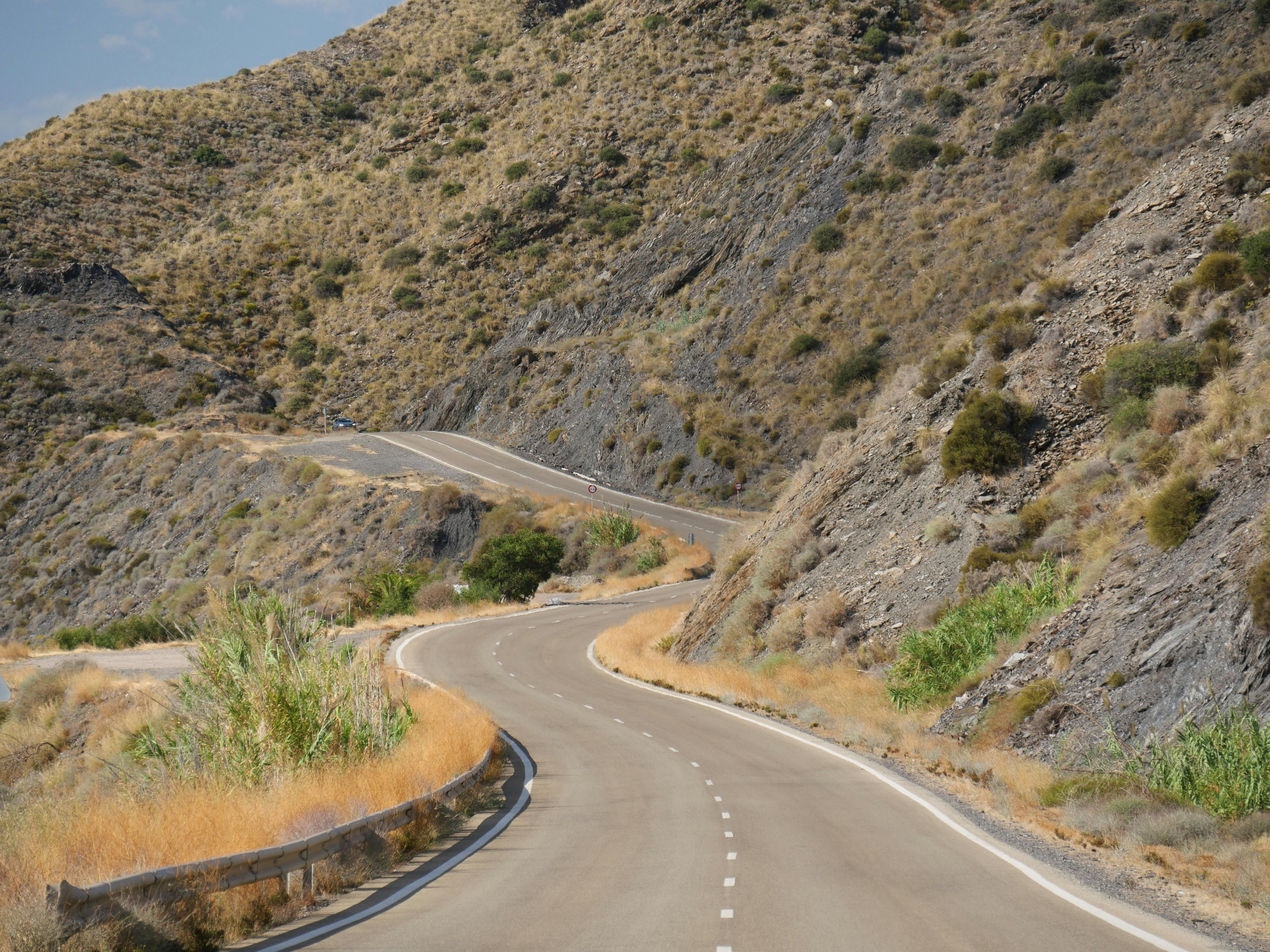
A Complete Guide to Iberian Road Trips
Three concrete Iberian road trips with exact roads, distances, driving times and EUR costs: Northern Spain coast, Portugal north-to-south, and Andalusia's white villages.

Mexico City in 3 Days: A Neighborhood-Based Itinerary
A practical route through Centro Histórico, Chapultepec, Condesa and Coyoacán, with one main visit each day, flexible meals and clear choices when time runs short.