

Beyond the Ribeira and wine cellars: where to find Porto’s quieter neighborhoods, gardens, galleries and local eateries — with practical tips, prices and timings.
Hook
Porto keeps surrendering its charms to day-trippers, but quieter quarters still reward those who look beyond the riverside crowd. Foz do Douro, Miragaia and the city’s gardens offer a calmer, more local Porto — beaches, contemporary art, and tavernas that feel unchanged for decades.
Fast Facts
| Detail | Info |
|---|---|
| Best time to visit | Apr–Jun & Sep–Oct (milder weather, fewer cruise-ship crowds; festival season in June; pleasant sea temperatures) |
| Getting there | Fly to Francisco Sá Carneiro Airport (OPO); metro Line E to Trindade 25–30 min. From Lisbon: Alfa Pendular train 2h45–3h (CP). |
| Where to stay | Ribeira / Baixa €80–€200; Cedofeita / Miguel Bombarda €60–€120; Foz do Douro €70–€150 per night (mid-range to boutique) |
| Average daily budget | €40–€85 (Food €20–€40 / Transport €5–€10 / Activities €15–€35) |
| Don't miss | Serralves Museum & Park; Palácio de Cristal gardens and viewpoints |
Why these corners matter
Porto’s UNESCO-listed historic centre remains magnetic, but the city’s best long-form impressions come from side streets and green spaces. Miragaia preserves narrow, stepped lanes and tile-clad façades, while Foz do Douro delivers Atlantic light, boardwalk cafés and seafood restaurants where locals dine. For art and calm, Serralves — a contemporary museum and 18-hectare park — is indispensable and offers a different pace from the riverside bustle (Serralves).
Getting there and around (practical)
- Fly: Francisco Sá Carneiro Airport (OPO) sits 11 km northwest of central Porto; the Metro do Porto Line E (purple) links the airport to Trindade station in roughly 25–30 minutes (Metro do Porto). Taxis from OPO to Baixa cost €20–€30 depending on traffic.
- Train: Alfa Pendular from Lisbon’s Oriente or Entrecampos takes approximately 2h45–3h to Campanhã; local connections from Campanhã to São Bento cost 5–10 minutes by suburban train or 10–15 minutes by taxi (CP).
- Getting around: buy a rechargeable Andante card for metro, buses and suburban trains — single trips inside the city range €0.80–€1.60 depending on zones; a day pass (zonal) is an economical option if several journeys are planned.
Where to stay (neighbourhood guide with price ranges)
- Ribeira / Baixa (Old Town): cobbled streets, river views, evening buzz. Expect €80–€200/night for mid-range to boutique hotels; budget guesthouses start around €50. Good for first-timers but prepare for noise after 21:00.
- Cedofeita / Miguel Bombarda: creative neighbourhood with galleries and independent shops — excellent for those who value cafés and nightlife without the riverside crush. €60–€120/night for guesthouses and small hotels.
- Foz do Douro: beachfront, promenades and refined restaurants; optimal for longer stays or summer visitors. Expect €70–€150/night; many apartments and mid-range hotels available.
Insider neighbourhood notes
- Miragaia: a quieter pocket between Sé and the river; stairways and houses with preserved azulejos (tiles). Walk from São Bento station in 10–15 minutes.
- Bonfim: emerging area east of the centre with affordable taverns and creative hubs. Good for budget travellers wanting an authentic local feel.
What to see and do (concrete recommendations)
Serralves Museum & Park — modern art and long walks
- Why go: Portugal’s foremost contemporary-art museum with rotating exhibitions and an 18-hectare park landscaped for strolling and year-round programming.
- Practical: Museum hours Tue–Sun 10:00–19:00, closed Mon; park often opens from 09:30. Combined tickets typically range €12–€18; check current prices and exhibition schedules on the official site (Serralves).
- Tip: Allow 2–3 hours for museum + park; café on-site for coffee and light meals.
Palácio de Cristal Gardens & viewpoints — panoramas without the cruise-ship crowd
- Why go: sweeping views over the Douro, terraced gardens, peacocks and weekend local markets (check dates). The gardens provide quieter viewpoints than the Ribeira embankment.
- Practical: Gardens open daily (hours vary seasonally — expect early-morning to sunset access); free entry. Walk 15 minutes west from Aliados.
Miragaia & the old docks — for photography and architecture
- Why go: narrow lanes, wrought-iron balconies and a browseable stretch of local life. Good early-morning walking route from Sé Cathedral to Praça do Infante.
- Practical: Combine Miragaia with a visit to Igreja de São Francisco (main church closed for some services; visiting hours vary — expect €3–€6 entry on busy days).
Foz do Douro — beachside walks and seafood
- Why go: where river meets sea; long promenades, rock pools at low tide and seafood restaurants popular with Porto residents.
- How to get there: tram line historic routes run occasionally for events; regular buses (e.g., Carris lines 500/505 depending on season) take 20–30 minutes from central Porto; taxi 15–25 minutes.
- Recommended restaurants:
- Casa d'Oro (Rua do Ouro 599, Foz) — Italian with Douro-facing terrace; pizzas €9–€15, mains €12–€22. Open daily (hours vary seasonally).
- O Gaveto (Rua Roberto Ivens 826, Matosinhos) — if extending to Matosinhos for seafood grilled fish; mains €15–€30. Matosinhos is 10–15 minutes north of Foz by car or bus.
Wine cellars of Vila Nova de Gaia — but skip the busiest tasting rooms
- Why go: port lodges on Gaia’s south bank are historic; tours and tastings are educational but some cellars are crowded.
- Recommendations: Choose established houses with strong interpretive tours — Taylor's, Sandeman and Graham’s all offer tours and tastings (tours €12–€22); book in advance via the lodge websites for set tour times.
- Practical: Cross the Luís I Bridge pedestrian upper deck for the best photo angle; walking from Ribeira to Gaia tasting rooms is 5–10 minutes downhill.
Bookshops, galleries and small museums
- Livraria Lello (Rua das Carmelitas): famous bookstore with ornate interior. Entry charge €5–€6 refunded against purchases — hours vary, often 10:00–19:00; check the official site and book timed entries (Livraria Lello).
- Rua Miguel Bombarda: contemporary-art corridor with galleries and quarterly art nights. Many galleries open Wed–Sat afternoons; gallery hours vary.
- Casa da Música: guided tours and concerts; daytime tours usually run 11:00–17:00 and tickets are €8–€12, while concert prices vary widely (Casa da Música).
Food & drink (named places, prices, hours)
- Casa Guedes (Praça dos Poveiros) — famed pork sandwich with Serra cheese; expect €3–€5. Simple counter service, typically open 10:00–20:00 but hours can vary.
- Adega São Nicolau (Rua de São Nicolau 1, Ribeira) — traditional Portuguese plates: bacalhau, grilled fish, and petiscos; mains €8–€18. Commonly open 12:00–15:00 and 19:00–22:30.
- Taberna dos Mercadores (Rua dos Mercadores 36-38, Ribeira) — small seafood-focused menu; mains €12–€25. Reservations recommended; usually open 12:30–15:00 and 19:00–22:30, closed Sun evening (hours vary).
- Cantinho do Avillez (Rua Mouzinho da Silveira 166) — contemporary Portuguese; mains €18–€35. Lunch and dinner service; reservations advised (Visit Porto).
Markets and dayfood
- Mercado do Bolhão (Rua Formosa) — historic market for produce, fish and snacks. Renovations have altered opening patterns in recent years; expect partial market operation and vendor stalls nearby. Typical market browsing takes 30–60 minutes.
Practical museum & attraction timings (check before you go)
- Serralves Museum: Tue–Sun 10:00–19:00, closed Mon — ticket and hours on site (Serralves).
- Livraria Lello: timed entries; check the official site for current hours (Livraria Lello).
- Casa da Música tours: usually run throughout the week at set times; concert schedule varies (Casa da Música).
Day trips and extensions
- Matosinhos (beaches & fish restaurants): 15–20 minutes by metro or bus north; excellent for grilled fish at restaurants like O Gaveto (expect mains €15–€30).
- Douro Valley: day tours depart from Porto for vineyard visits and river cruises; expect full-day tours starting at €60–€120 per person depending on inclusions. For independent travel, trains depart São Bento to Pinhão (journey time 2h30–3h; book via CP).
Cultural calendar & timing
- June: São João festival (night of June 23–24) is a citywide celebration — expect crowds, street parties and late-night noise.
- Primavera Sound (when hosted in Porto or nearby) and Serralves em Festa (Serralves festival) bring pop-up events and longer opening hours — check dates on official festival sites.
What to skip (and why)
- Overpriced riverside restaurants with 'tourist menus' along the Cais da Ribeira between 12:30–15:00 and 19:00–22:00; better value and authenticity are found on adjacent streets (Rua das Flores) or across the river in Gaia lodges.
- Peak-hour Luís I Bridge crossing at sunset if seeking photos without crowds — aim for early morning or late morning for the same light with fewer people.
Three suggested mini-itineraries
- Quiet Art & Parks (half-day)
- 09:30: Serralves Park walk (1–1.5 hours)
- 11:00: Serralves Museum visit (1–1.5 hours; ticket €12–€18) (Serralves)
- 13:00: Lunch at Casa da Música café or nearby (mains €12–€20)
- River, Books & Cellars (afternoon → evening)
- 14:00: São Bento station & short walk through Miragaia
- 15:00: Livraria Lello timed entry (book in advance; entry fee refunded on purchase) (Livraria Lello)
- 17:00: Cross Luís I Bridge; port lodge tour and tasting in Vila Nova de Gaia (booked tour €12–€22)
- 20:00: Dinner in Ribeira or back in Cedofeita (mains €10–€25)
- Beach & Sunset (late afternoon)
- 16:00: Metro or bus to Foz do Douro; walk the promenade (1–2 hours)
- 18:30: Seafood at a Foz restaurant (mains €12–€30)
- 20:30: Return to the city centre or linger at a seaside bar
Money, safety and useful links
- Currency: Euro. Cash still useful for small cafés and markets; most restaurants and shops accept cards. Tipping is appreciated but not obligatory — 5–10% for good service.
- Safety: Porto is generally safe; standard precautions at night and around crowded tourist spots apply.
- Official sources and timetables: Metro do Porto for airport transfers (Metro do Porto), Portuguese rail operator for intercity trains (CP). UNESCO listing for Porto’s historic centre explains the city’s protected areas (UNESCO World Heritage Centre).
Final tips — how to get the most out of Porto’s quieter side
- Time your mornings: before 10:30 is the quietest window in most neighbourhoods — ideal for photography and cafés.
- Reserve lodges and museum tours in advance: popular cellars and Livraria Lello sell timed entries, especially in high season.
- Walk instead of tram for short distances: Porto’s centre is compact; walking reveals small shops, tile façades and stairways that don’t show on maps.
- Skip the busiest tasting rooms: for tastings with more context, book Taylor’s or Graham’s visits rather than the packed commercial cellars on the promenade.
Further reading on City Voyager
- For more on Porto’s food scene and longer itineraries, see Porto Food Guide: The Soul of Portuguese Cuisine (/en/local-culture/porto-food-guide-traditional-portuguese-cuisine/) and Porto Weekend Guide: Wine, Views & Local Tips (/en/hidden-gems/porto-weekend-guide-wine-views-local-tips/).
- If extending into Romania after Portugal is on the cards, compare small-city charms with Brasov: Romania's Most Beautiful Mountain Town (/en/hidden-gems/brasov-romania-most-beautiful-mountain-town/) and our full feature on Sibiu (/en/hidden-gems/sibiu-transylvanias-most-charming-city/).
Author
Léa Brunet — Hidden Gems editor, City Voyager
External sources
- Metro do Porto — airport to city details: https://en.metrodoporto.pt/
- CP (Portuguese Railways) — intercity timetables: https://www.cp.pt/
- Serralves Foundation — museum & park: https://www.serralves.pt/en/
- Livraria Lello — tickets and opening times: https://www.livrarialello.pt/
- UNESCO — Historic Centre of Oporto listing: https://whc.unesco.org/en/list/755
Frequently Asked Questions
What is the best time to visit Porto?
The best time to visit Porto is April to June and September to October, when the weather is milder, sea temperatures are pleasant, and there are fewer cruise-ship crowds. June also brings festival season, including the lively São João celebration on the night of June 23-24. Summer is busiest, especially along Foz do Douro's beaches and promenades.
How do you get from Porto airport to the city centre?
From Francisco Sá Carneiro Airport (OPO), 11 km northwest of central Porto, take the Metro do Porto Line E (purple) to Trindade station in roughly 25 to 30 minutes. A rechargeable Andante card covers metro, buses and suburban trains. Alternatively, taxis from the airport to Baixa cost around 20 to 30 euros depending on traffic.
Is Porto expensive to visit?
Porto is relatively affordable, with an average daily budget of 40 to 85 euros covering food, transport and activities. Mid-range hotels in Ribeira or Baixa run 80 to 200 euros per night, while Cedofeita guesthouses cost 60 to 120 euros. Single metro trips are 0.80 to 1.60 euros, and traditional taverns offer mains from around 8 euros.
What are the quieter neighbourhoods to explore in Porto?
For a calmer, more local Porto, explore Miragaia, with its narrow stepped lanes and tile-clad façades, and Foz do Douro, offering Atlantic beaches, promenades and seafood restaurants where locals dine. Cedofeita and Miguel Bombarda form a creative gallery district, while Bonfim, east of the centre, is an emerging area with affordable taverns ideal for budget travellers.
Is the Serralves Museum worth visiting in Porto?
Yes, Serralves is worth visiting as Portugal's foremost contemporary-art museum, paired with an 18-hectare landscaped park ideal for strolling. It offers a calmer pace than the riverside crowds, with rotating exhibitions and year-round programming. Allow two to three hours for the museum and park combined, and there is an on-site café for coffee and light meals.

Keep Exploring
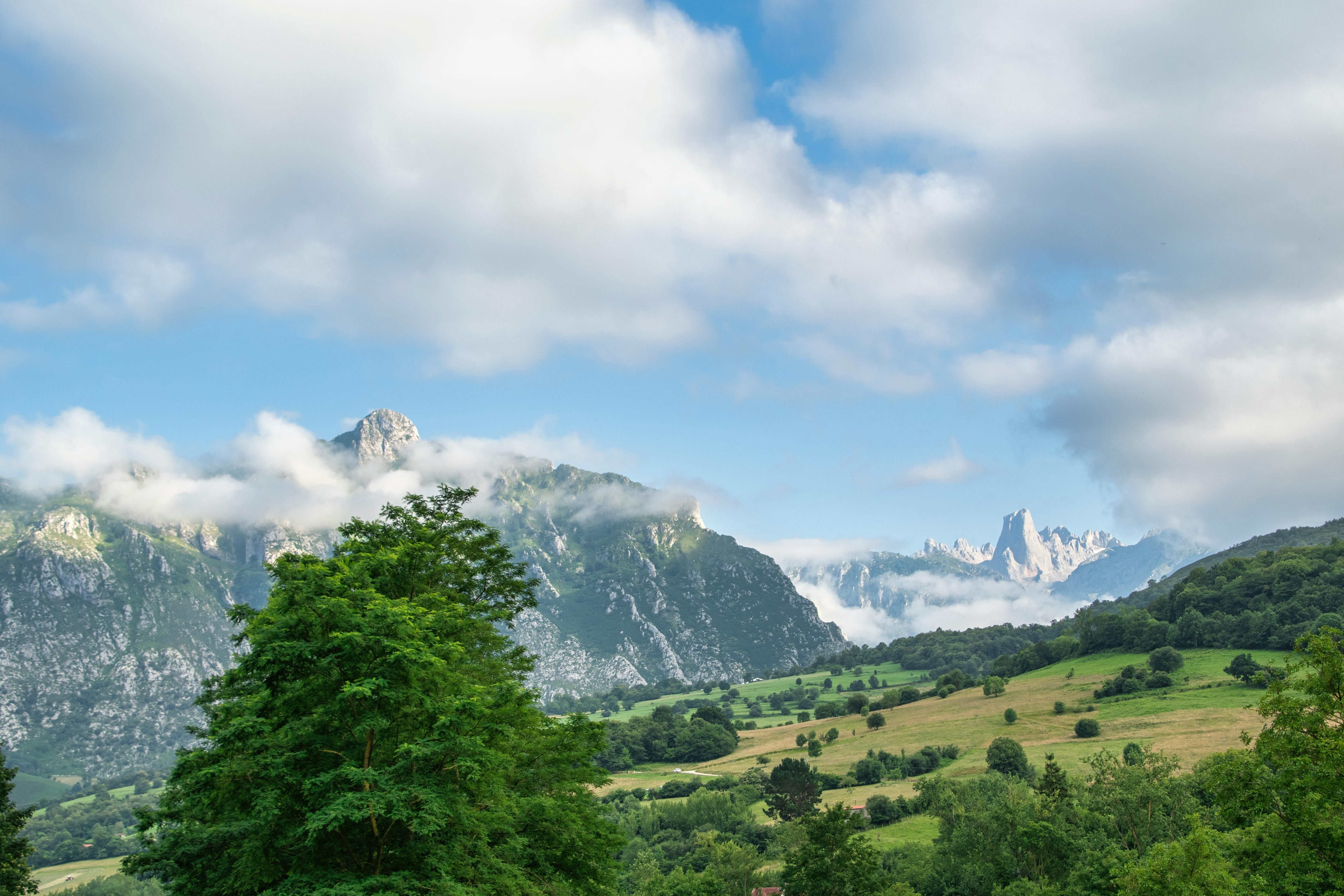
Hidden Gems of Iberia: Portugal, Galicia, Asturias
Atlantic Iberia at half the Barcelona price — Braga's UNESCO sanctuary, Santiago's cathedral, Oviedo's pre-Romanesque monuments, Roman walls in Lugo. Concrete fares, named towns, EUR prices.
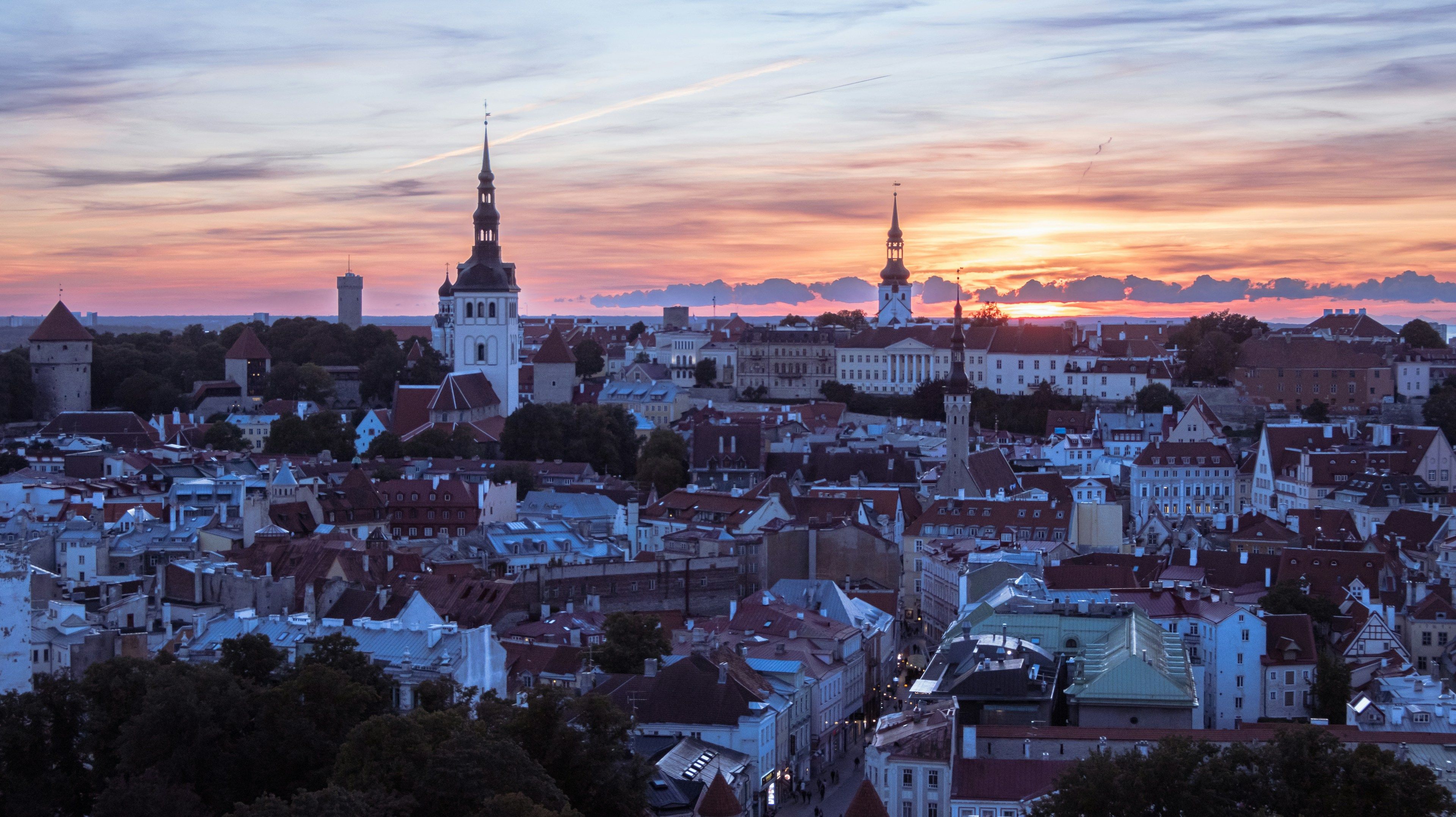
Hidden Gems of Eastern Europe: A 12-City Tour
Twelve underrated cities from the Baltics to the Adriatic — UNESCO old towns, Habsburg cafés, Ottoman bazaars and Soviet-era curiosities. Concrete fares, named neighborhoods, EUR prices.

Porto Uncovered: Food, Wine & River Views
Discover Porto's riverside charm, port wine cellars, must-eat dishes and best viewpoints. Practical tips, 48-hour itinerary and local insights for a memorable visit.