
Otranto: Where Italy Meets the Orient
Discover Otranto, Puglia’s easternmost gem where Italy faces the Adriatic and the Orient: a living crossroads of history, mosaics, sunlit harbors, and unforgettable seafood.
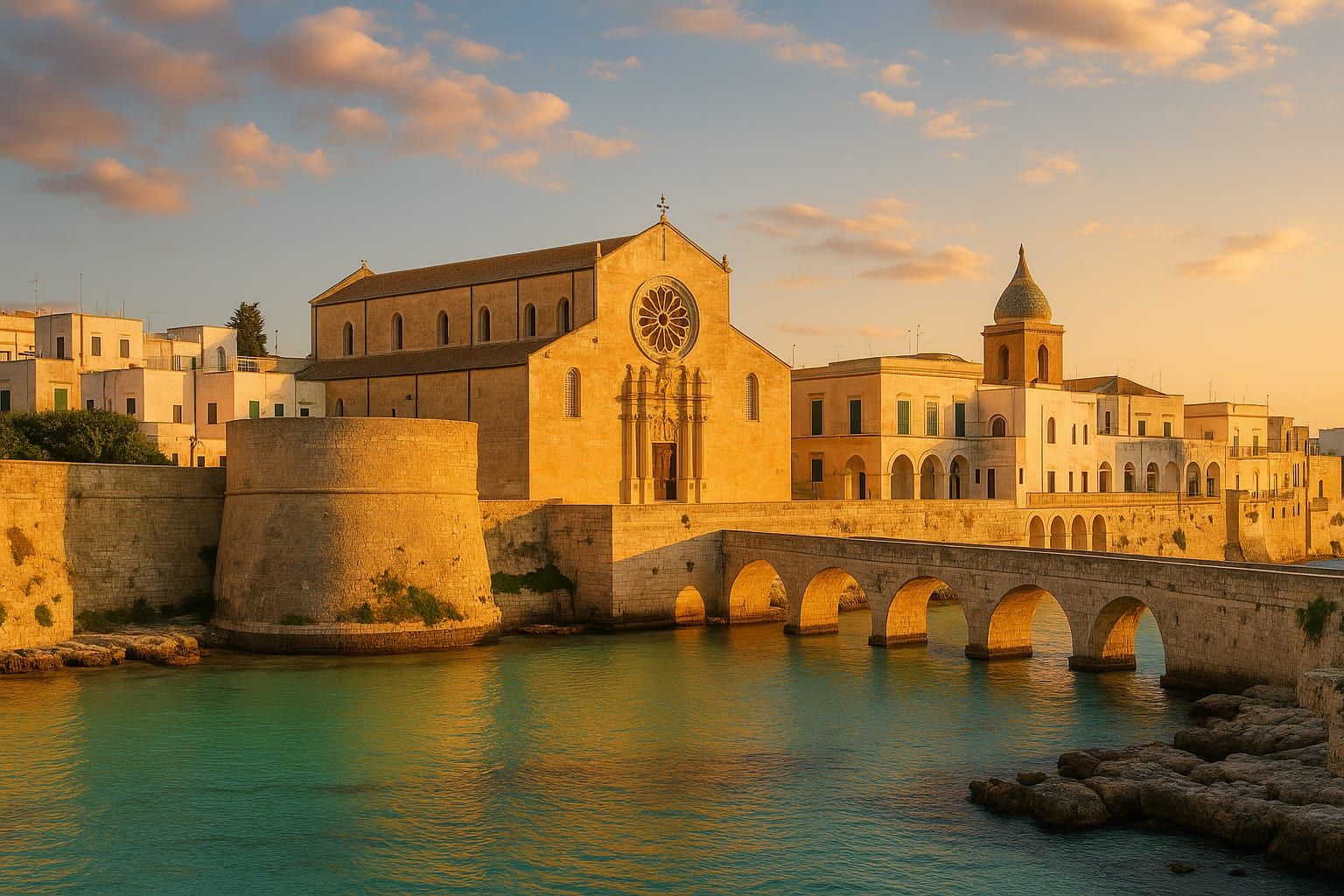
Perched on the easternmost tip of Italy, Otranto feels like a town turned toward the horizon. For a thousand years it was the country’s window to the Adriatic — and beyond that, to the Balkans and the Levant. Otranto’s compact walled centro storico, its cathedral’s ancient mosaic, an Aragonese castle, and sun-drenched coves are proof that this is a place where Mediterranean Italy meets the cultures, trade and tides of the Orient.
Why Otranto Feels Different
Otranto’s location — guarding the Strait of Otranto, which joins the Adriatic and Ionian Seas — made it a crossroads for merchants, sailors and empires. Byzantine churches and Norman and Aragonese fortifications leave layers of history in stone; smells and flavors from across the Adriatic and Levant linger in the market stalls and kitchens. Stand on the seafront promenade at sunset and you’ll understand why generations of travellers called it Italy’s gateway to the East.
Must-See Sights
Cathedral of Otranto (Duomo)
The cathedral’s mosaic floor is one of Salento’s artistic crown jewels. A 12th-century masterpiece, the mosaic is a dense visual map of medieval cosmology — scenes from Genesis, mythical creatures, and inscriptions. Take time to read the small details; the floor was designed to be studied, not just seen from afar.
Beside the mosaic, the cathedral holds the relics of the Martyrs of Otranto: a moving and solemn chapter of the town’s history tied to the Ottoman attack of 1480. A visit here gives context to the town’s resilience and strategic role in Mediterranean history.
Aragonese Castle
Dominating the harbor, the 15th-century Aragonese fortress once guarded the town against seaborne raids. Walk the ramparts for panoramic views of the town and the strait; on a clear day you can pick out the Albanian coastline across the water. The castle also hosts exhibitions and events in summer.
Centro Storico and the Harbor
Lose yourself in narrow alleys, whitewashed houses and bougainvillea-draped balconies. The old town opens onto a lively harbor where fishing boats swing gently and seafood restaurants spill onto the quay. Early morning is the best time to watch fishermen land their catch and sample the freshest fish.
Beaches and Coastline
Otranto’s coastline alternates between rocky cliffs and soft-sanded bays. Popular nearby spots include the lovely Baia dei Turchi and Punta Palascia (Italy’s easternmost point) where a lighthouse marks the spot. For quieter swims, explore the coves reached by short coastal hikes or boat trips.
Boat Trips Across the Strait
Short scenic boat tours depart from the harbor and reveal caves, cliffs and hidden beaches only accessible by sea. These excursions also underline Otranto’s maritime connections: you’ll feel how close Albania is and why this stretch of water has been a busy channel for so long.
A Taste of Otranto: Food and Drink
Puglian cuisine is rustic and intensely local; in Otranto that Mediterranean heart beats with a hint of eastern spice. Expect:
- Seafood: grilled fish, octopus, raw seafood platters (crudo), and mussels prepared simply to highlight freshness.
- Bread & pasta: orecchiette and handmade pasta with local tomato sauces, wild greens (cime di rapa) and freshly baked taralli.
- Local specialties: burrata and ricotta, friselle (twice-baked bread salads), and pasticciotti for a sweet finish.
- Wines: Salento wines such as Negroamaro and Primitivo pair well with local dishes.
Dining in Otranto is often informal — small trattorie, family-run osterie and lively seafood joints on the quay. In summer, look for restaurants that source fish from the morning’s catch.
Two-Day Itinerary: Otranto in 48 Hours
Day 1 — History and Harbor
- Morning: Start at the Duomo to see the mosaic before the crowds. Wander the cathedral complex and the adjacent museum.
- Midday: Lunch at a waterfront trattoria — try a crudo platter or grilled local fish.
- Afternoon: Explore the Aragonese Castle and walk the ramparts. Meander the centro storico, shop for coral jewellery or hand-painted ceramics.
- Evening: Sunset on the seafront promenade followed by a slow dinner and gelato.
Day 2 — Coast and Countryside
- Morning: Rent a bike or take a short drive to Punta Palascia for lighthouse views and early-morning light over the Adriatic.
- Midday: Picnic on a quiet beach or eat at a beachfront café; sample local focaccia and cheeses.
- Afternoon: Take a boat tour to coastal caves or, if available seasonally, a short ferry/bus crossing for a glimpse of the Albanian shore.
- Evening: Return to town for live music in summer — Otranto’s calendar often includes concerts and open-air events.
Practical Tips & Local Insights
- When to go: Late spring (May–June) and early autumn (September) are ideal — warm seas and thinner crowds. July and August are busiest; expect higher prices and packed beaches.
- Getting there: The nearest larger city is Lecce (about 40 minutes by car). Regional trains and buses connect Lecce and Otranto, but schedules are limited outside peak season. Airports in Brindisi or Bari are the usual entry points; renting a car gives maximum flexibility for exploring Salento.
- Where to stay: Choose the centro storico if you want atmosphere and walking access to sights and restaurants. For a quieter stay, consider a seaside B&B or a countryside masseria within easy driving distance.
- Money & cards: Most restaurants and shops accept cards, but small kiosks and market stalls may prefer cash. ATMs are available in town.
- Language: Italian is spoken everywhere; English is common in tourist-facing businesses. A few local dialect words and a friendly greeting in Italian go a long way.
- Parking: Narrow streets and limited parking in the historic center mean that driving into town can be awkward in high season. Park in designated lots and explore on foot.
- Respectful sightseeing: The cathedral houses sacred relics and the mosaic is fragile — follow signs, avoid touching the marble, and be respectful during religious services.
Festivals & Cultural Calendar
Otranto’s calendar blends religious feasts, music and summer cultural programs. Events often take place against the dramatic backdrop of the castle or on piazzas, creating memorable evenings under the stars. If you time your visit for a local festival, expect lively processions, open-air concerts and neighborhood gatherings — a great way to experience Salento’s warm hospitality.
For those exploring further in Puglia and the Balkans, consider pairing Otranto with a visit to Lecce for baroque splendor and culinary indulgence; see our guide to Lecce for ideas: /en/hidden-gems/lecce-florence-of-the-south. If your travel plans extend eastward, Otranto can be a natural starting point for an itinerary across the Adriatic — check our Balkans route ideas for longer trips: /en/itineraries/ultimate-balkans-road-trip-2-weeks-itinerary. Cultural travelers may also enjoy the regional festival roundups in /en/local-culture/traditional-festivals-balkans-cultural-calendar.
Day Trips & Nearby Attractions
- Lecce: nicknamed the "Florence of the South," Lecce’s baroque churches and lively cafés are about a 40-minute drive from Otranto.
- Gallipoli: a low, stone island-city with lively markets and sunsets over the Ionian Sea.
- Small coastal towns: Santa Cesarea Terme and Castro offer dramatic cliffs and charming harbors.
Responsible Travel
Otranto thrives on tourism but is also a living town. Help preserve its charm:
- Avoid single-use plastics where possible; bring a refillable water bottle.
- Stick to marked paths when exploring fragile coastal areas.
- Support local businesses — buy from artisans, eat in family-run trattorie and consider guided tours led by local operators.
Final Thoughts
Otranto is compact yet layered: you can spend a lazy day by the sea, then lose hours tracing the stories in a medieval mosaic. It’s a place that remembers trade winds and invaders, marriages of cultures and the daily rhythms of fishermen. Whether you come for history, beaches or food, Otranto rewards those who linger and look toward the horizon.
Practical, soulful and at the edge of Europe, Otranto is a reminder that sometimes a town’s true identity is written not only in its streets but in the sea that shaped it.
Frequently Asked Questions
Is Otranto worth visiting?
Yes, Otranto is well worth visiting for its blend of history, beaches and food. The walled old town holds a 12th-century cathedral mosaic, a 15th-century Aragonese castle, and a lively harbor. Surrounding coves and clear Adriatic water make it ideal for swimming. As Italy's easternmost town, it offers a unique crossroads atmosphere between Mediterranean Italy and the East.
How many days do you need in Otranto?
Two days is enough to see Otranto's highlights. Spend the first day on history and the harbor, visiting the Duomo's mosaic, the Aragonese Castle, and the centro storico before sunset on the seafront. Use the second day for the coast and countryside, including Punta Palascia lighthouse, quiet beaches, and a boat tour to coastal caves only reachable by sea.
What is the best time to visit Otranto?
Late spring, around May and June, and early autumn in September are the best times to visit Otranto. The seas are warm and crowds are thinner during these periods. July and August are the busiest months, bringing higher prices and packed beaches, so shoulder seasons offer a more relaxed experience while still enjoying good weather and swimmable water.
How do you get to Otranto?
The nearest larger city is Lecce, about 40 minutes away by car. Regional trains and buses connect Lecce and Otranto, though schedules are limited outside peak season. The usual entry airports are Brindisi or Bari. Renting a car gives the most flexibility for exploring Otranto and the wider Salento region, especially the coastline and countryside beyond the town.
What food is Otranto known for?
Otranto is known for rustic Puglian cuisine with a coastal focus. Expect fresh seafood like grilled fish, octopus, raw crudo platters and mussels, plus handmade orecchiette pasta, taralli and friselle. Local specialties include burrata, ricotta and sweet pasticciotti. Salento wines such as Negroamaro and Primitivo pair well, best enjoyed in family-run trattorie and seafood joints along the quay.

Keep Exploring
Hidden Gems of Iberia: Portugal, Galicia, Asturias
Atlantic Iberia at half the Barcelona price — Braga's UNESCO sanctuary, Santiago's cathedral, Oviedo's pre-Romanesque monuments, Roman walls in Lugo. Concrete fares, named towns, EUR prices.
Underrated European Capitals: 12 You Should Visit
Twelve European capitals worth picking over London or Paris — Ljubljana, Riga, Tirana, Sarajevo and beyond. EUR daily budgets, named neighborhoods, transport from major hubs.
Hidden Gems of Eastern Europe: A 12-City Tour
Twelve underrated cities from the Baltics to the Adriatic — UNESCO old towns, Habsburg cafés, Ottoman bazaars and Soviet-era curiosities. Concrete fares, named neighborhoods, EUR prices.