
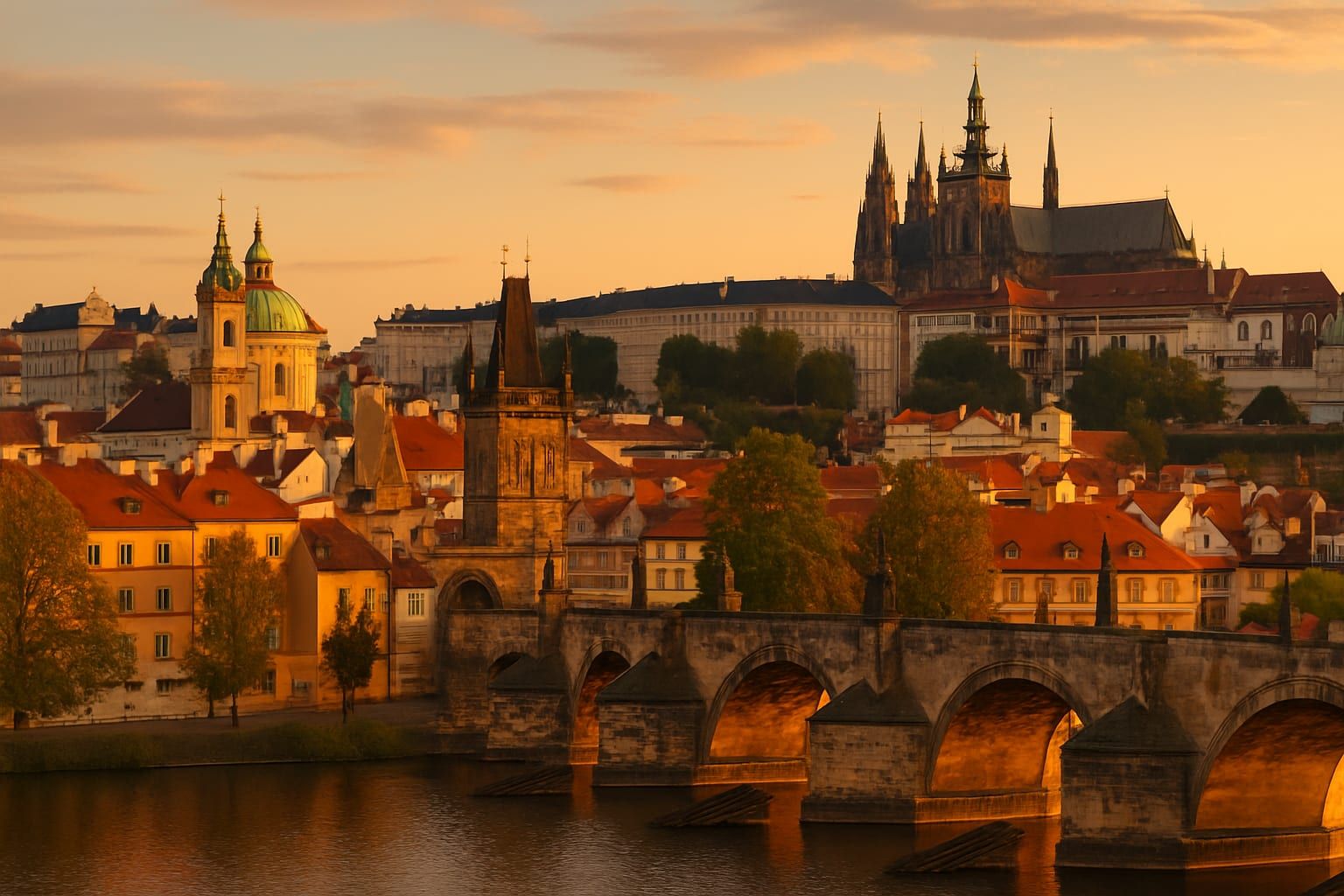
An in-depth local’s guide to Porto: neighborhoods, food, port wine, day trips, practical tips and offbeat experiences to make the most of a 3- to 7-day visit.
Why Porto deserves your next trip
Porto — Portugal's second city — is compact, characterful and surprisingly diverse. Here you get the cinematic Douro riverside, tile-clad churches, world-class food and easy access to vineyards and Atlantic beaches. Whether you're here for a weekend or a week, Porto rewards slow wandering, late meals and an appetite for both traditional and modern Portuguese culture.
Quick overview: what to expect
- Language: Portuguese; English widely spoken in tourism areas. Learn a few phrases — locals appreciate it.
- Currency: Euro.
- Vibe: Historic with a youthful, creative edge; lively cafés and growing food scene.
- Best for: Food lovers, wine enthusiasts, architecture fans and relaxed city breaks.
Top neighborhoods and what to do
Ribeira (Riverside)
The UNESCO-listed historic riverside is Porto's postcard: colorful houses tumbling down to the Douro, ferries crossing the water and bars spilling onto cobbled streets. It's touristy but magical at sunset. Walk the riverside, then cross the Dom Luís I Bridge on foot for outstanding views.
Cedofeita & Boavista
Cedofeita is a creative neighborhood of galleries, independent shops and laid-back cafés. Boavista is more modern — home to Casa da Música, Porto's striking concert hall. Both offer a calmer alternative to the crowds around Ribeira.
Clérigos, São Bento & Aliados
This central slice of Porto contains the city's most iconic sights: the Clérigos Tower, São Bento railway station with its famed azulejo tiles, and Avenida dos Aliados with its grand civic buildings. Great for first-time visitors who want a classic introduction.
Foz do Douro
Where the river meets the sea. Locals come here for beaches, seafood restaurants and elegant promenades. It's perfect for an afternoon bike ride or a seafood dinner at sunset.
Food & drink: what to eat, where to drink
Porto is rooted in hearty northern Portuguese cooking, but the city also has a thriving contemporary scene. For a deeper dive into dishes and the best local spots, see our full Porto food guide: /en/food-drink/porto-food-guide-traditional-portuguese-cuisine/
Must-try dishes
- Francesinha: Porto's famous sandwich — layers of meat, melted cheese and a rich tomato-beer sauce. Hearty and unapologetic.
- Tripas à Moda do Porto: A traditional tripe stew, central to Porto's culinary identity.
- Bacalhau: Many variations of salt cod — try it grilled or in an oven-baked casserole.
- Pastéis de nata: Custard tarts — popular across Portugal, delicious in Porto with a coffee.
Port wine and wine bars
No Porto visit is complete without tasting Port. Head to Vila Nova de Gaia on the south bank for the cellars, tastings and riverside terraces. For excursions into the vineyards and terraced landscapes, plan a day trip to the Douro Valley: /en/wine-vineyards/douro-valley-port-wine-stunning-terraces/
If you have time, our one-week Porto itinerary pairs city exploration with wine and river views: /en/hidden-gems/one-week-porto-wine-food-river-views/
Sights you shouldn't miss
Livraria Lello
Often called one of the world's most beautiful bookstores — it can have long lines, but the interior and the historic wooden staircase are worth it. Book early or buy a timed-entry ticket if available.
São Bento Station
Arrive 10 minutes early to admire the 20,000 blue-and-white azulejos that narrate Portuguese history. It's a great photo stop and a functioning train station.
Dom Luís I Bridge
Walk the top level for sweeping views of Porto and Gaia. Bonus: the bridge makes a dramatic frame at sunset.
Palacio da Bolsa
The stock exchange palace with its Arabian Room is sumptuous. Guided tours give context to Portugal’s mercantile history and the rise of Porto's bourgeoisie.
Jardins do Palácio de Cristal
A pleasant green escape with views over the Douro, ideal for a picnic or a morning jog.
Sample itineraries
48 hours (weekend break)
Day 1: Morning at São Bento and Clérigos, lunch of francesinha, afternoon in Ribeira and bridge crossing, sunset at Jardim do Morro. Night: Port tasting in Gaia.
Day 2: Mercado do Bolhão and Coffeeshop breakfast, Casa da Música or a contemporary art gallery, late lunch in Cedofeita, evening seafood dinner in Foz.
One week (slow travel)
Spend three days exploring Porto's neighborhoods and museums, two days on day trips (Douro Valley and a beach or Braga/Guimarães), and two days for food, markets and quiet afternoons. See our one-week plan for ideas: /en/hidden-gems/one-week-porto-wine-food-river-views/
Day trips and nearby escapes
- Douro Valley: Terraced vineyards, river cruises and tastings — a must for wine lovers (/en/wine-vineyards/douro-valley-port-wine-stunning-terraces/).
- Guimarães & Braga: Historic towns reachable by train for medieval squares and grand cathedrals.
- Aveiro: Known as the 'Venice of Portugal' for its canals and colorful moliceiro boats.
- Surf at Matosinhos: A short metro ride from the city for consistent waves and beachfront fish restaurants.
Practical tips from locals
Getting around
- Walk when you can: Porto's compact center is best experienced on foot, though expect steep streets.
- Metro & trams: Efficient and convenient for longer hops; buy an Andante card for multiple journeys.
- Taxis & ride-hailing: Readily available; always check the meter or agree on a fare for airport transfers.
Money & prices
- Porto is generally cheaper than Lisbon but prices have risen with tourism. Expect mid-range restaurants to be good value compared to other Western European cities.
- ATMs widely available; card accepted in most establishments, but carry some cash for markets and smaller cafés.
Safety and local etiquette
- Porto is safe; normal urban precautions apply (watch your belongings in crowded areas).
- Tipping: appreciated but not obligatory — leave 5–10% in restaurants for good service.
- Dress: Casual; locals dress smart-casual in the evening.
Best time to visit
- Spring (April–June) and early autumn (September–October) offer warm weather, fewer crowds and good prices.
- Summer (July–August) is busy and hotter, but great for beaches and festivals like São João (24 June), a lively local celebration with music, street parties and sardine grills.
- Winter is mild and quieter — ideal if you prefer fewer tourists and comfortable city exploration.
Nightlife and culture
Porto's nightlife is diverse: from relaxed wine bars and riverside terraces to lively fado houses and late-night clubs. For a local cultural fix, check the program at Casa da Música for concerts ranging from classical to contemporary.
Where to stay
- Ribeira: For first-timers who want riverside views and central access.
- Baixa & Cedofeita: Good balance of convenience, cafés and less tourist density.
- Foz do Douro: For seaside luxury and quieter nights.
Booking tip: Stay somewhere within walking distance of São Bento or Bolhão if you want easy access to public transport and most central sights.
Local phrases to know
- Olá / Bom dia — Hello / Good morning
- Obrigado / Obrigada — Thank you (male/female speaker)
- Por favor — Please
- A conta, por favor — The bill, please
Using a few of these goes a long way toward warm interactions with locals.
Insider experiences (off the beaten track)
- Take a sunrise walk along the Douro from Ribeira to Foz to see the city wake up and fishermen preparing nets.
- Visit small, family-run wine lodges in Gaia rather than just the big houses — you’ll get personal stories and tastings of rare vintages.
- Explore the murals and indie stores around Rua de Miguel Bombarda for contemporary art and local design.
- Attend a community fado night in a small house rather than a tourist show for a more authentic musical evening.
Practical packing list
- Comfortable walking shoes (cobbles and hills!)
- Light rain jacket (weather can change quickly)
- Plug adapter (Type C & F sockets)
- Reusable water bottle — tap water is safe and free fountains are common
Final tips: planning and budgeting
- Book popular activities (Livraria Lello, Port cellars) in advance during high season.
- For dining, reserve at well-known restaurants for dinner; lunchtime can be more flexible and affordable.
- Budget per day: backpacker €40–€70, mid-range €90–€150, luxury €200+ — costs vary with accommodation choice, dining and excursions.
Porto is a city that reveals itself slowly: a plate of food savored between locals, a riverbank conversation, a glass of Port bought from a small lodge. It’s equally suited to short romantic weekends and longer stays that include wine country and beaches. Plan a mix of must-see sights and quiet moments, and you’ll leave Porto already planning your next return.
For deeper reading on the city's cuisine and where to eat, visit our detailed Porto food guide: /en/food-drink/porto-food-guide-traditional-portuguese-cuisine. If you want to pair river views with vineyard afternoons, check ideas for a longer stay and day trips here: /en/hidden-gems/one-week-porto-wine-food-river-views/ and explore Douro Valley options: /en/wine-vineyards/douro-valley-port-wine-stunning-terraces.
Happy travels — and don't forget to raise a glass of Port to new adventures!
Related
Frequently Asked Questions
How many days do you need in Porto?
A weekend of 48 hours is enough to cover Porto's main sights, food and a Port tasting in Gaia. For a slower experience, one week lets you explore neighborhoods and museums over three days, take two days of day trips like the Douro Valley or a beach, and spend two more on markets and quiet afternoons.
What is the best time to visit Porto?
Spring (April to June) and early autumn (September to October) are the best times to visit Porto, offering warm weather, fewer crowds and good prices. Summer is busier and hotter but great for beaches and the lively Sao Joao festival on 24 June. Winter is mild, quiet and ideal if you prefer fewer tourists.
Is Porto expensive to visit?
Porto is generally cheaper than Lisbon, though prices have risen with tourism. Mid-range restaurants offer good value compared to other Western European cities. Budget roughly 40 to 70 euros per day for backpackers, 90 to 150 euros for mid-range travelers, and 200 euros or more for luxury, depending on accommodation, dining and excursions.
What food should you try in Porto?
Porto's must-try dishes include the francesinha, a hearty sandwich of meat, melted cheese and a rich tomato-beer sauce, and tripas a moda do Porto, a traditional tripe stew. Also sample bacalhau (salt cod) grilled or oven-baked, and pasteis de nata custard tarts. No visit is complete without tasting Port wine across the river in Vila Nova de Gaia.
Is Livraria Lello worth visiting?
Yes, Livraria Lello is worth visiting. Often called one of the world's most beautiful bookstores, its ornate interior and historic wooden staircase draw crowds, so lines can be long. Booking early or buying a timed-entry ticket in advance, especially during high season, helps you avoid waiting and makes the visit much smoother.
Keep Exploring
Porto Like a Local: 4-Day Itinerary & Tips
Explore Porto like a local with this 4-day itinerary—neighbourhood walks, port tastings, river views, day trips and practical tips to eat, drink and move around the city.

Porto Travel Guide: Wine, Views & Local Life
An insider-friendly guide to Porto: where to eat, drink port, explore neighborhoods and take a Douro day trip. Practical tips on transport, budgets and must-see spots.
Porto Weekend Guide: Wine, Views & Local Tips
A practical, insider weekend guide to Porto: where to eat, drink Port, explore viewpoints, and take a memorable day trip to the Douro Valley.