
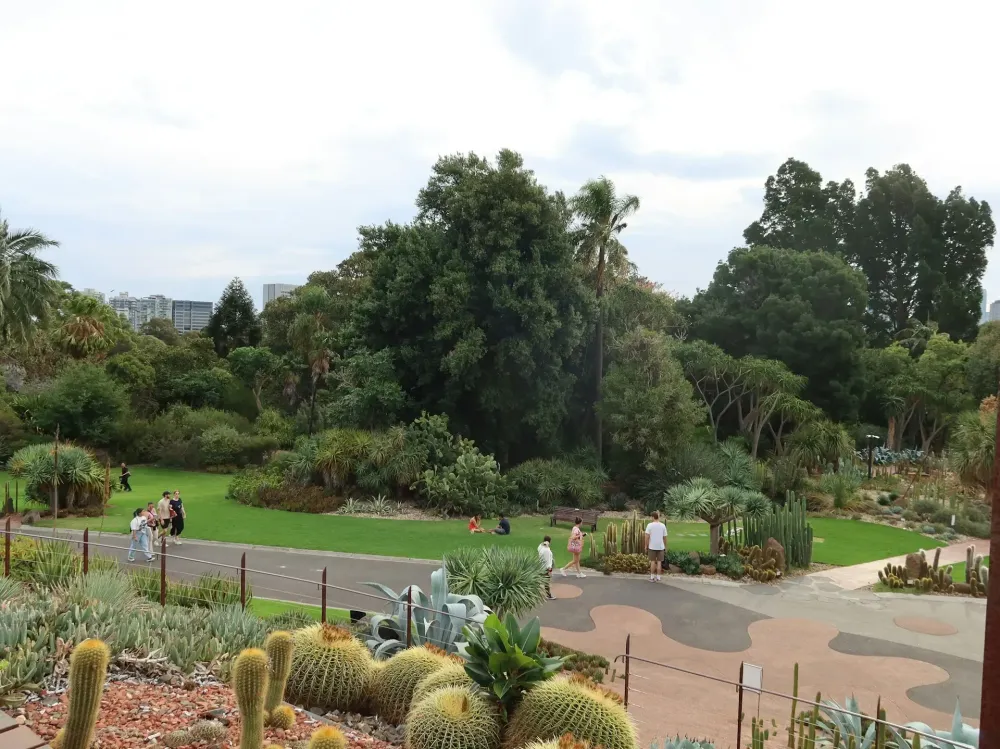
Royal Botanic Gardens Melbourne: Plan Your Walk
Choose a relaxed lakeside visit or a plant-focused walk at Royal Botanic Gardens Melbourne. Includes free entry, guided experiences, accessibility and the distinction from Cranbourne.
Allow 2–3 hours at Royal Botanic Gardens Melbourne for a lakeside pause and one plant collection, or build your visit around a guided experience. You do not need to cover every path to have a worthwhile visit. Choosing a theme makes it easier to notice the gardens themselves instead of treating them as a long shortcut between other attractions.
This guide covers Melbourne Gardens on Birdwood Avenue, not the separate Cranbourne Gardens. Both belong to Royal Botanic Gardens Victoria, and their pages appear together on the official website. Check the location when booking: an Australian Garden tour or shuttle advertised for Cranbourne is not a service at the inner-city Melbourne site.
Our Melbourne sightseeing guide helps choose the wider cultural day. Here the decision is narrower: a flexible outdoor break, a closer look at Australian plants, or a guided encounter with the place and its stories.
The useful facts before choosing a route
The official Melbourne Gardens page lists free admission and the following hours, checked on 20 October 2026. Recheck them for your travel date, particularly for a visit in a different season.
| Question | Practical answer |
|---|---|
| Which gardens? | Melbourne Gardens, Birdwood Avenue |
| General admission | Free; separately booked experiences may charge |
| Garden hours on the check date | Daily 07:30–19:30 |
| Visitor Centre hours | 09:30–17:00 |
| Relaxed first visit | Allow 2–3 hours; editorial estimate |
| Plant-focused or guided visit | Allow a half-day if adding a break and independent exploring |
| Main planning aid | Official Melbourne map, with your entrance and exit chosen in advance |
The opening day is longer than the Visitor Centre day. Arriving early can suit an independent walk, but do not expect advice, booked equipment or tour check-in simply because the gates are open. Save the map beforehand if you want to start before the centre opens.
Start with the Visitor Centre or your chosen collection
For a first visit, the Visitor Centre is a useful orientation point, especially if you have booked a walk that meets there. Locate it on the Melbourne map and check your approach before setting out. A map pin for the gardens as a whole is less useful than knowing the gate that serves your first stop.
If you are coming specifically for a collection, choose the entrance around that interest instead. The Australian Forest Walk, for example, occupies the southern side of the gardens. Starting elsewhere and crossing the entire site twice adds walking without necessarily adding anything you want to see.
Plan the end as carefully as the beginning. Returning to the same gate makes sense if you have arranged a meeting or left a vehicle nearby; otherwise an exit closer to your next destination may be more convenient. Keep the route flexible enough to respect temporary closures or staff advice on the day.
Do not confuse an attractive line across a map with an equally suitable path for every visitor. Gradients, surfaces and the distance to a toilet matter more than whether a loop looks neat. If those details affect your outing, use the accessibility information before deciding on the route.
Choose the lake for an unhurried introduction
Ornamental Lake is a sensible focus when the purpose is time outdoors rather than a comprehensive botanical visit. Choose a stretch of the lakeside paths, stop where the view interests you and add one nearby collection from the map. A complete circuit is optional; the visit can be satisfying without returning by a different path.
Look at the relationship between water, planting and open lawns. Moving a short distance can change the foreground and the sense of enclosure, so give yourself permission to pause instead of trying to find one definitive viewpoint. For photographs, work with what is growing and the light on the day rather than expecting a particular seasonal picture.
The gardens' current programme includes a bird-focused walk around Ornamental Lake. Even on an independent visit, that is a useful reminder to look beyond the plants. Watch from the paths and leave wildlife space; sightings and behaviour are not guaranteed attractions on a schedule.
Choose this approach after a demanding museum morning or when members of your group want different walking distances. Agree on a meeting point before splitting up. A seated pause and a shorter walk can coexist with someone else's longer look at the collections, without requiring everyone to follow the same circuit.
Choose the Australian Forest Walk for plant interest
The Australian Forest Walk runs for more than half a kilometre along the southern boundary, between the National Herbarium and Domain Road Gate. Its collections represent forests of eastern Australia and contribute to conservation and research on plants suited to changing conditions.
This is a good choice if the lake would otherwise leave you feeling that you had visited a pleasant park without understanding what makes a botanical garden different. Read selected labels and compare forms: the shape of leaves, climbing growth, seed structures and how plants occupy different layers. You do not need to identify everything to follow a useful question.
Allow more time than the distance alone suggests. A brisk walk through the collection and a visit that stops to examine plants are different activities. Pick a few examples that hold your attention instead of trying to read every label, then leave time to look up at the larger setting again.
The collection page identifies wheelchair-accessible internal paths but warns that large seed pods can be tripping hazards. Use that specific information alongside the wider access map. It is more helpful than assuming that every path near the southern boundary has identical conditions.
For a balanced first visit, combine part of this collection with a lakeside stop. Treat that as a selection of interests rather than a prescribed turn-by-turn trail: check the actual connections on the map and shorten it if the weather or your energy changes.
A free guided walk still needs a booking
The Free Guided Walk is a 90-minute introduction led by a guide, meeting at the Visitor Centre. The official listing requires bookings and advertises departures on days other than Monday. Check the booking calendar for your actual date; free admission to the gardens does not reserve a tour place.
Choose it if you want help noticing plant diversity and would otherwise pass much of the collection without a framework. The trade-off is a fixed meeting time and a shared pace. Keep some time afterwards for the area that interested you most, rather than attaching another appointment immediately to the scheduled finish.
The page lists wheelchair and pram accessibility. If you need a particular form of assistance, confirm it with the gardens when booking. A general accessibility statement does not answer every question about distance, seating, personal equipment or the conditions on the day.
Aboriginal Heritage Walk: a different reason to visit
The Aboriginal Heritage Walk is a separate paid experience with a First Peoples guide, focused on plants, cultural knowledge and continuing connection to Country. It lasts 90 minutes and starts at the Visitor Centre; bookings are essential.
At the check date, the listed start is 10:45 on Tuesday, Wednesday, Thursday, Saturday and Sunday, except Christmas Day and New Year's Day. Check availability and the current price in the booking system. Do not infer that it runs whenever the free guided walk runs: the two experiences have different purposes and schedules.
Choose this as a central part of the visit if you want to learn through a guide's perspective rather than only through horticultural labels. Leave room to listen, ask appropriate questions and consider the place as a living cultural landscape. The gardens identify it as significant to the local Kulin Nation.
The operator says the experience is designed for older audiences. Children may attend, but there is no child ticket; participants under 15 need the concession category. Read those conditions before selecting it for a family group, and compare the experience with what the children will actually enjoy and engage with.
Other paid experiences and accessible planning
The gardens also advertise The Explorer, an open-air minibus tour, and seasonal punting on Ornamental Lake. These are optional additions, not inclusions in a general admission ticket. Use the current Melbourne programme to check the specific product, duration, availability and boarding arrangements before paying.
From 26 October 2026 until further notice, Explorer tours depart from Oak Lawn because of works; check-in remains at the Visitor Centre customer service desk. Recheck this notice for your date.
For visitors who want less walking, the Explorer may be worth investigating, but do not assume that a sightseeing vehicle replaces a personally suitable accessible route. Ask about boarding, equipment and any transfer requirements. A short tour and an independent lakeside visit can serve different needs within the same group.
The Melbourne accessibility page provides maps and an Access Key with path gradients, accessible toilets and parking information. It also offers advance wheelchair bookings and a weekday Travellers Aid companion service that must be arranged beforehand. Confirm collection and assistance details directly rather than relying on garden opening hours.
Most areas are accessible with a walker or wheelchair, according to the gardens, but wet lawns and individual path conditions still need judgment. Plan rest points and a manageable return route. If rain makes a longer outdoor visit unappealing, our NGV guide compares the city's two gallery sites; it is useful for choosing an indoor alternative without confusing NGV Australia with NGV International.
Make room for the gardens in the day
A 2–3-hour independent visit pairs more comfortably with one other substantial attraction than with a chain of timed bookings. A 90-minute guided experience needs additional time for arrival, a pause and any independent exploring. Count that whole block in your three-day Melbourne itinerary, not just the tour's stated duration.
Take water, suitable shoes and clothing for the conditions, and consult the map for facilities before starting a longer section. Decide whether food is a short break or a full meal; either can absorb time that a tightly planned route has forgotten. The most useful measure of the visit is whether you had time to look and enjoy it, not how many named collections you passed.
Cover photograph: Trees and planting at Royal Botanic Gardens Melbourne. Photo: Devin Macdonald / Unsplash. Source · License.
Frequently Asked Questions
Is entry to Royal Botanic Gardens Melbourne free?
Yes, general entry is free. Guided experiences and other activities can have separate charges and booking requirements. A free walk also needs its own reservation when the operator requires one.
Are Melbourne Gardens and Cranbourne Gardens the same place?
No. This guide covers Melbourne Gardens on Birdwood Avenue. Check the location on every tour and transport booking; a Cranbourne service is not an inner-city Melbourne service.
How much time should I allow?
Allow about 2–3 hours for the lake and one collection, or a half-day for a guided experience with a break and further exploring. These are editorial allowances, not official completion times.
Can I join the free guided walk without booking?
The official listing says bookings are essential. It advertises days other than Monday; consult the date-specific calendar and meet at the Visitor Centre as instructed in your confirmation.
Can I visit with a wheelchair or walking aid?
Most areas are accessible according to the gardens. Use the Melbourne Access Key for gradients and facilities, choose your route and arrange any equipment or companion assistance in advance.

Keep Exploring

Singapore Botanic Gardens: Plan Your Visit
Choose your entrance, orchid visit or family route at Singapore Botanic Gardens, with current access rules and practical ways to plan a shorter outing.
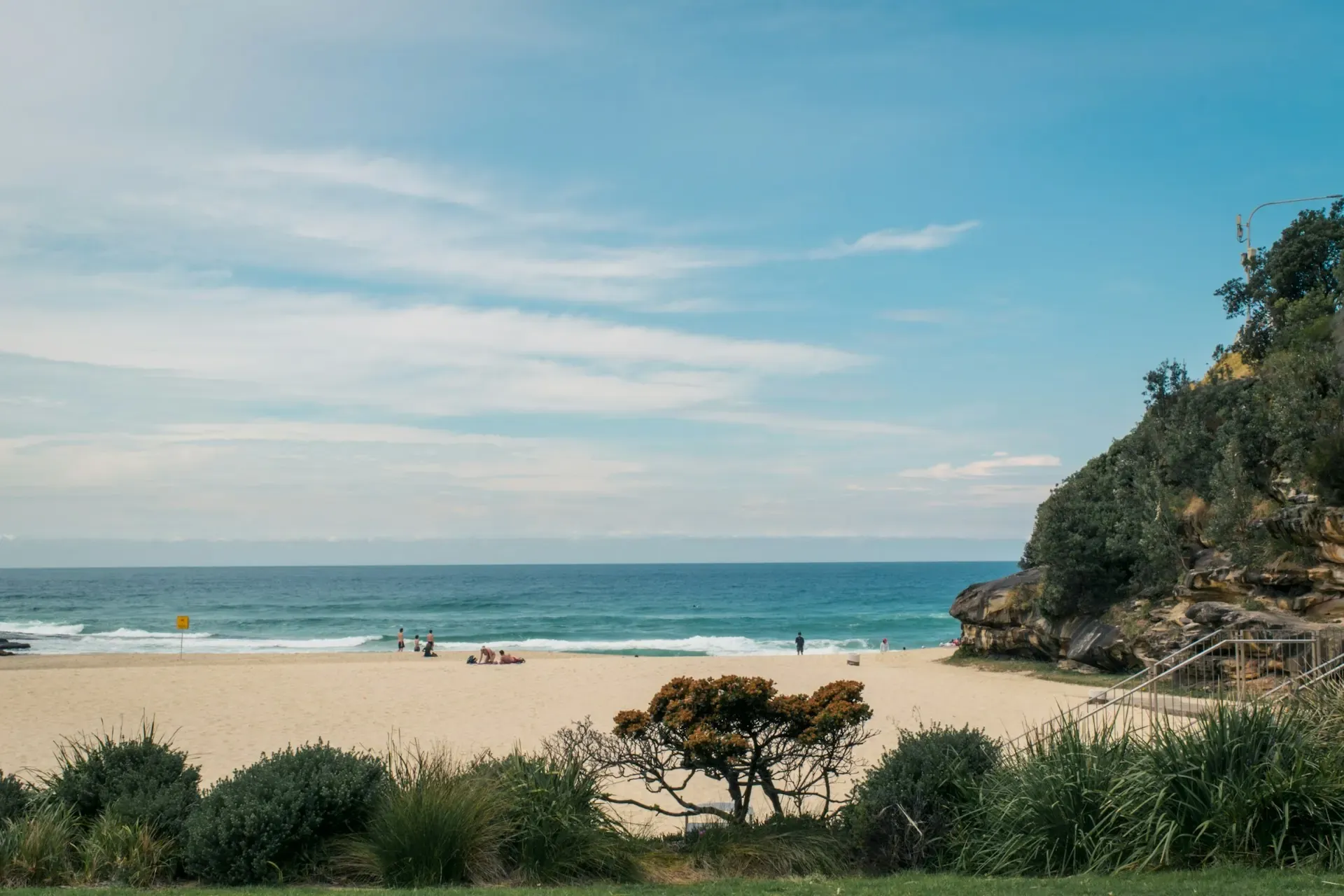
Bondi to Coogee: Plan Your Coastal Walk
Choose a full coastal outing or a shorter section between Bondi, Tamarama, Bronte and Coogee, accounting for closures, steps and your return journey.

Brooklyn Bridge and DUMBO: Plan Your Walk
Cross toward the skyline or finish beside the river: choose your Brooklyn Bridge entrance, DUMBO stops and return journey before setting out.