
Ourika Valley from Marrakech: Day Trip or Overnight?
Choose a valley day or overnight stay, with Setti Fatma walking decisions, weather checks, transport and alternatives to the falls.
Choose a day trip to the Ourika Valley if you want a change of landscape, a meal overlooking the river and an optional walk. Stay overnight if spending an evening and morning in the valley is part of the appeal. Neither choice requires climbing to the Setti Fatma waterfalls: visiting the valley and undertaking a mountain walk are separate decisions.
The distinction matters when comparing excursions from Marrakech. A package called “Ourika” may concentrate on roadside stops, reach Setti Fatma, or include a particular waterfall route. Decide what you want to do before choosing the vehicle. For the city days around your outing, our Marrakech guide helps keep monuments and gardens in a realistic shortlist.
Choose the right version of the valley
| Your priority | Best starting plan | What to confirm |
|---|---|---|
| Scenery and a relaxed lunch | Valley drive with a chosen riverside stop | Exact destination, restaurant access and return arrangement |
| Setti Fatma and a short walk | Full day with a locally assessed route | Terrain, descent, guide, turnaround point and weather |
| A quieter evening and unhurried morning | One night in a specific valley property | Heating, meals, road access and next-day collection |
| Art and planting without a mountain hike | ANIMA as a separate garden outing | Garden ticket, opening information and transport |
| Several days of trekking | A separately organised mountain itinerary | Qualified guiding, equipment and full route logistics |
Allow a full day for Setti Fatma with time out of the vehicle. That is an editorial planning recommendation, not a fixed driving duration or a promise that a hike will be suitable. The actual schedule depends on your Marrakech pickup, road conditions, stops and the route agreed locally. Do not judge a trip only by the number of places listed in its description.
Ourika is a valley, not one attraction
The regional tourism board's Ourika page places Ourika roughly 30 km south of Marrakech. Its separate Imlil–Setti Fatma–Ourika description puts Setti Fatma approximately 70 km from the city. Those figures refer to different places; they do not describe the same short transfer.
Use the actual destination when requesting transport. “Lunch in the lower valley” and “Setti Fatma with a waterfall walk” produce different days, even if both are advertised under the Ourika name. Ask the provider to mark the final road stop and identify any additional visits. A map pin is more useful than a general promise to show you the Atlas.
The tourism board's linked trekking page describes a three-day route from Imlil, not a standard Ourika day excursion. Do not read its mountain stages as stops you can combine casually by car. If your interest is a walking day based around a different Atlas village, compare our Imlil valley guide before booking either destination.
There is also no need to treat every workshop or shop along the road as essential cultural sightseeing. Choose a visit because its subject interests you. Ask whether demonstrations involve a purchase expectation and whether declining a stop changes the price. A clear agreement protects the time you intended to spend outdoors.
When a day trip is the better choice
A day trip works well when you are settled in Marrakech and want one mountain-facing outing without changing accommodation. Keep the plan centred on one main experience: a scenic drive and lunch, or Setti Fatma with a walk that matches your group. A long list of extras makes it harder to adjust when the road journey or meal takes longer than expected.
Arrange the return before setting off. With a private driver, confirm whether the quoted price includes waiting, all passengers and the exact drop-off point. With a group excursion, ask what happens if someone chooses not to hike: where they can wait, whether lunch is flexible and when the vehicle leaves. A transport booking is not automatically a guided walking booking.
For a family or mixed-ability group, a valley visit without the falls can be the more satisfying plan. Everyone shares the drive and lunch without making one person's comfort depend on keeping up with the strongest walker. If the group separates, agree a named meeting place with a reliable contact and a clear collection time.
Leave your Marrakech evening light. A prepaid activity immediately after the expected return creates pressure to rush lunch or a descent. The valley day is easier to enjoy when a delayed departure does not mean missing another important booking. Exact taxi and excursion prices vary; compare the same inclusions rather than treating an unusually low headline price as the whole cost.
When staying overnight adds something useful
Stay for one night when the accommodation and time in the valley are part of the trip you actually want. An evening meal, a slower morning and the chance to start an agreed walk without first driving from Marrakech can justify the extra packing. Staying over simply to fit more stops into the same day is less convincing.
Location matters more than the word “Ourika” in a property's name. Confirm its village, road access and distance from the activity you want. A lower-valley guesthouse does not place you at the beginning of the Setti Fatma waterfall path. Ask whether the final approach has steps or steep ground, especially if you have luggage or mobility requirements.
Check practical comforts directly: room heating in colder periods, bedding, hot water, meal availability and how you will reach dinner. A terrace photograph says little about the temperature inside a room after dark. If arriving without a car, organise collection for the following day rather than assuming transport will be waiting outside.
An overnight stay offers more time, not weather immunity. Keep both the walk and the return road journey conditional on local advice. Choose booking terms that you understand and ask how the property or operator handles an unsafe-weather cancellation. Do not interpret the availability of a room as confirmation that every nearby path is usable.
Decide about the waterfalls after assessing the route
Setti Fatma's waterfalls are a reason to consider the upper valley, but the word “waterfall” tells you little about how a particular path will feel. Before starting, ask a locally qualified guide to describe the intended climb, the ground underfoot and the return. Discuss any balance concerns, knee problems, fear of exposed sections or previous experience honestly.
A short distance can still involve uneven rock, wet surfaces and awkward steps. Wear footwear with grip and keep your hands available; a small backpack is more practical than carrying loose shopping bags. Do not use the presence of other visitors as proof that a section is suitable for everyone in your party.
Agree the endpoint and the conditions for turning back. Reaching a lower viewpoint does not oblige you to continue higher, and a comfortable ascent does not guarantee an equally comfortable descent. Ask how the route changes beyond the first stopping point instead of assuming that every waterfall is reached by the same kind of path.
For anyone who needs a reliably step-free outing, do not book the falls on the strength of a generic “easy walk” label. Request specific access information for the restaurant, bridges, toilets and any proposed path. A drive through the valley with a carefully selected stopping place may fit far better than a package built around hiking.
Let weather change the plan
Check Morocco's official meteorological vigilance service before departure, then confirm current road and walking conditions with your accommodation or operator. A cached map or an older bulletin is not a forecast for your travel day. Check the date and affected area, particularly when rain, thunderstorms or winter conditions are possible.
If the vigilance portal does not load, use the national meteorology homepage to find its current warnings and bulletins. A missing or failed weather display is not an all-clear.
Spring and autumn can be sensible periods to consider, but the calendar alone cannot establish path safety or river levels. Summer calls for shade, water and restraint during the hottest part of the day. In cooler months, bring layers for time out of the vehicle and expect an overnight stay to need different clothing from a warm Marrakech afternoon.
Heavy rain or an uncertain local assessment is a reason to drop the waterfall walk. Do not enter flowing water to bypass a difficult section, and do not treat a table placed in the riverbed as evidence that sitting there is safe. Choose a meal location with straightforward access away from the channel if conditions are questionable.
This guide does not report a current blanket closure or certify that the falls are open. Conditions are checked for the day you travel. A good operator should be able to explain the alternative plan without presenting completion of the hike as the measure of success.
Lunch, gardens and a manageable budget
Choose the meal with the same care as the walk. Ask to see the menu, clarify drinks and any minimum order, and check where the table and toilets are reached from the road. River scenery can be enjoyed from a terrace; there is no obligation to cross a makeshift bridge or sit with your feet in water.
If art and plants interest you more than waterfalls, ANIMA's official visitor information describes an art-and-nature garden in the Ourika Valley. Treat it as a deliberate alternative with its own admission and transport arrangements. Adding a substantial garden visit to an already full Setti Fatma day can leave both experiences rushed.
Build your budget from the chosen components: return transport, any separately booked guide, lunch, garden admission if relevant and accommodation for an overnight stay. Confirm what is paid in advance and what is settled locally in MAD. No universal excursion price can represent all of these combinations accurately.
The most useful booking message is specific: your preferred destination, whether you want to hike, the abilities of the group, stops you want to include and the agreed return. With those decisions made, a modest valley day can be complete without a highest waterfall, a shopping circuit or an overnight bag.
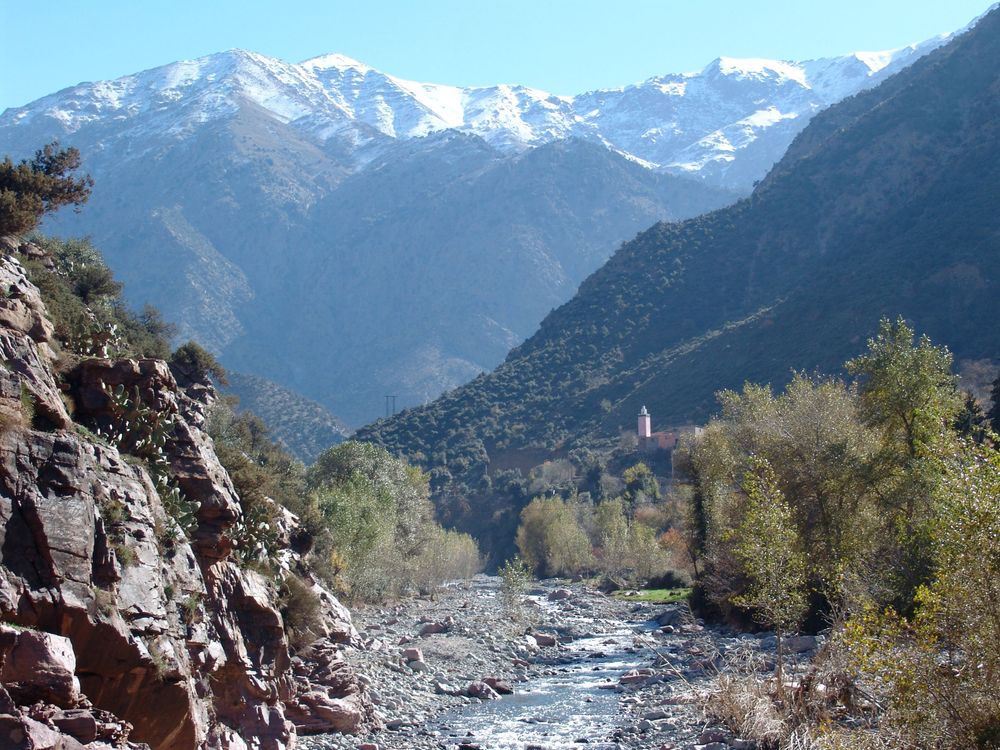
Cover photograph: Ourika Valley river below snow-covered Atlas mountains — Archive photograph; not a statement of current snow or river conditions. — Bryce Edwards, CC BY 2.0.
Frequently Asked Questions
Is the Ourika Valley a day trip from Marrakech?
Yes, a day trip can work for a valley drive, lunch and an optional suitable walk. Allow a full day for a Setti Fatma outing, with the actual schedule agreed around transport, stops and conditions. Staying overnight is a separate choice for more time in the valley.
Do I have to hike to enjoy Ourika?
No. Choose a scenic drive and an accessible meal stop if that suits your group better. Confirm the exact access to terraces, toilets and bridges; being close to the road does not automatically mean a place is step-free.
Are the Setti Fatma waterfalls an easy walk?
Do not rely on that label. The proposed route may involve uneven or wet ground and a descent that feels harder than the climb. Discuss the route with a qualified local guide and turn back if the terrain or conditions do not suit you.
Is an overnight stay necessary?
No. It adds value if you want an evening and morning in the valley. Check the property's exact location, heating, meals and onward transport. An overnight booking does not guarantee suitable conditions for a hike.


Keep Exploring
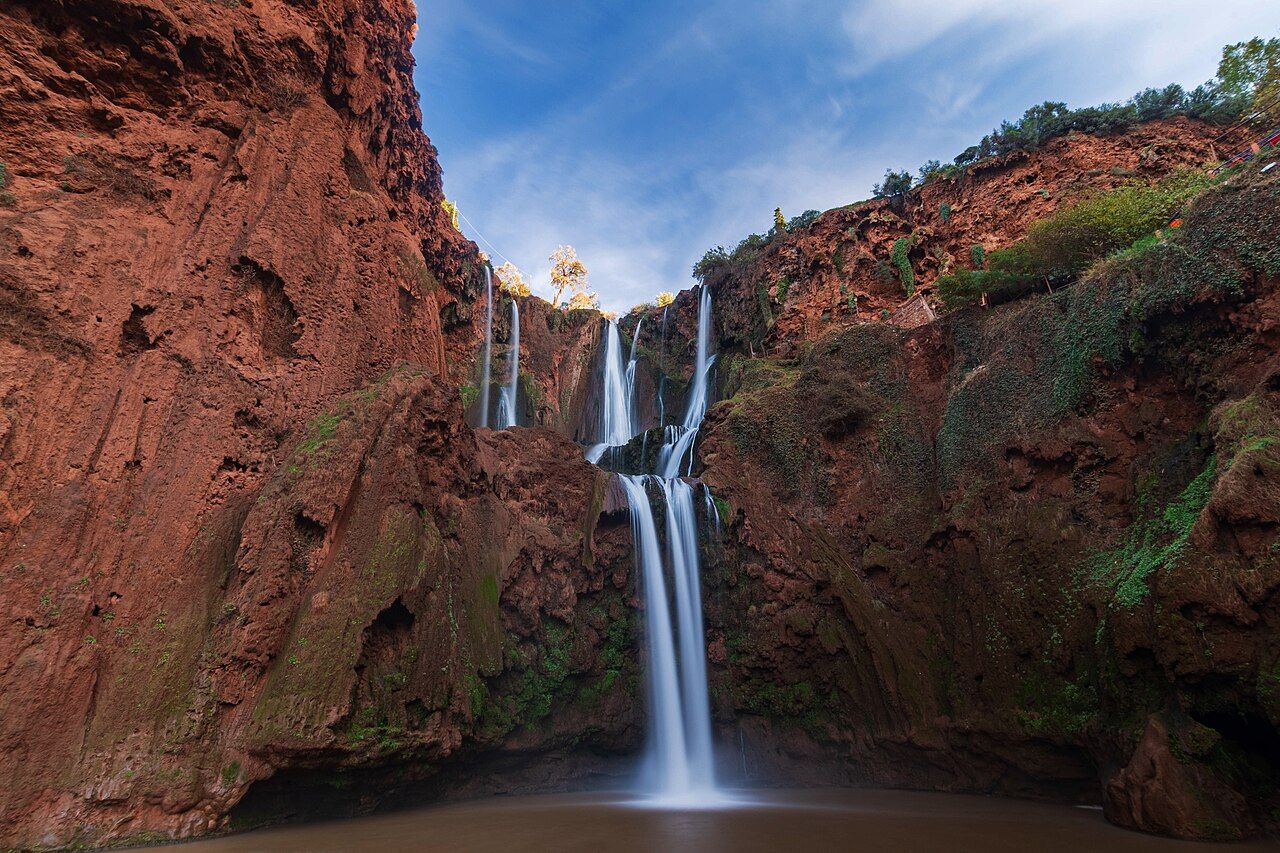
Ouzoud Falls from Marrakech: Day Trip or Overnight?
Compare a long day trip with a night near Ouzoud, with walking choices, transport questions, weather checks and responsible wildlife viewing.
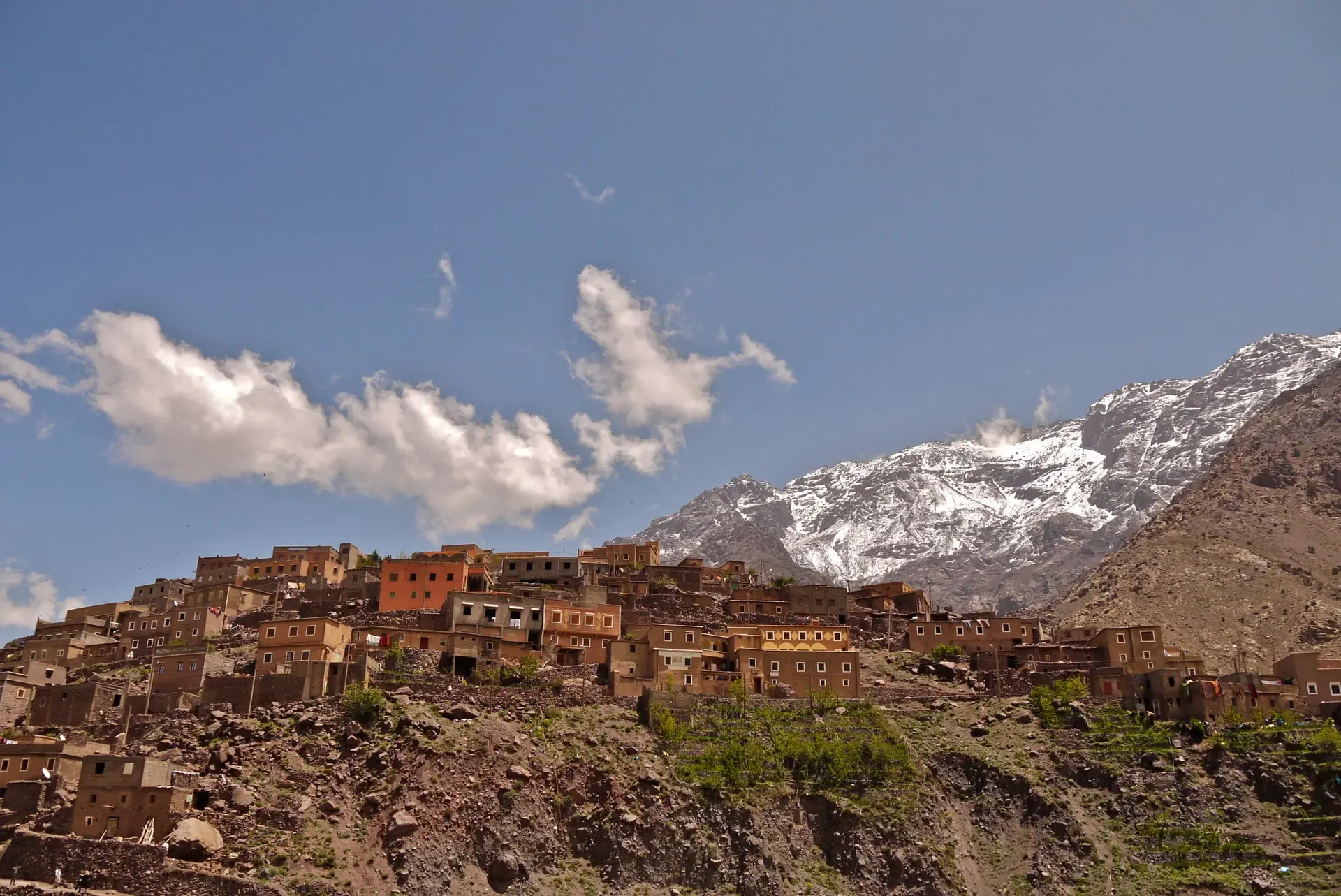
Imlil from Marrakech: Plan a Valley Day Trip
Choose a village visit, a guided valley walk or an overnight stay in Imlil, with practical questions about transport, terrain, meals and mountain conditions.
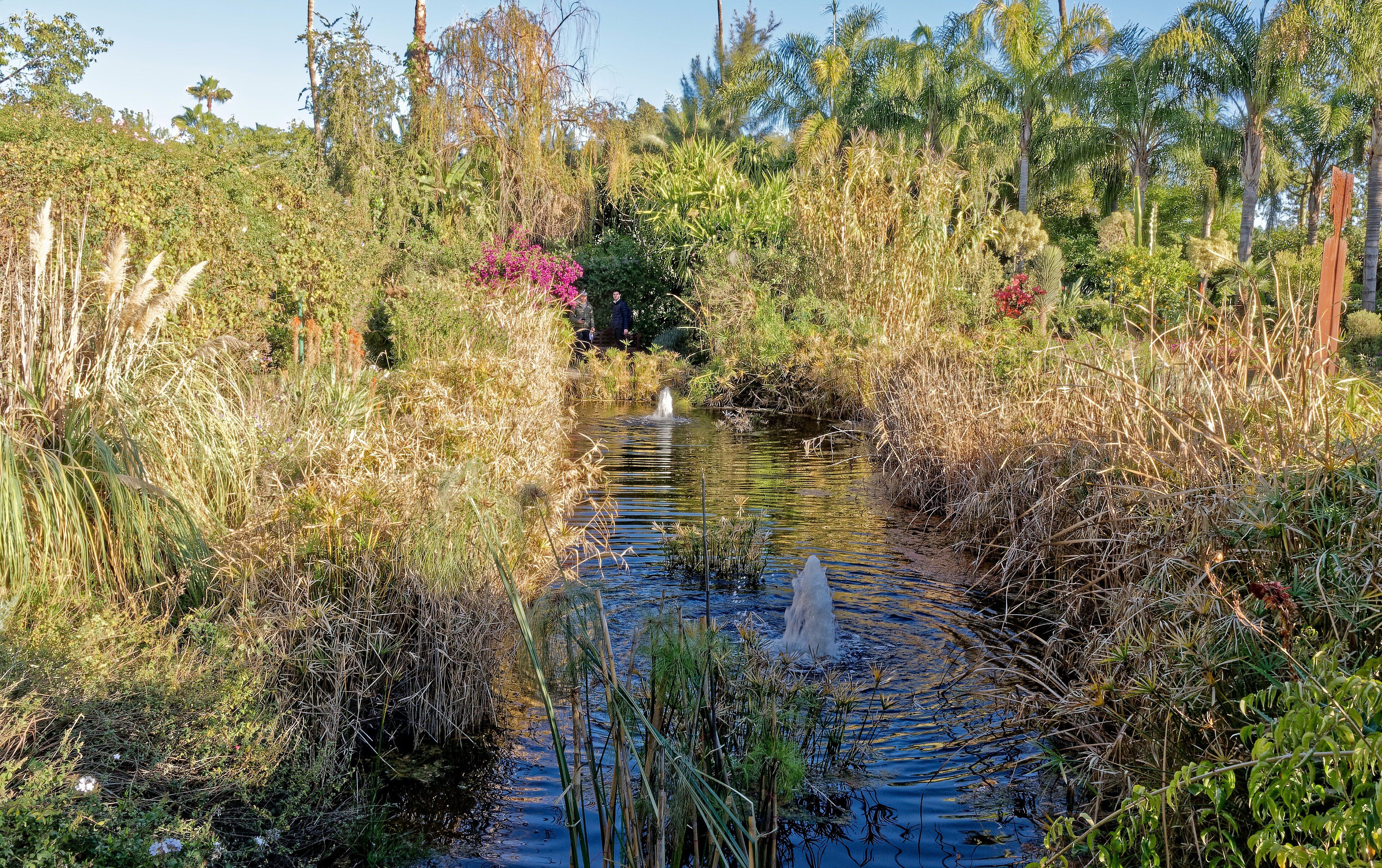
ANIMA Garden from Marrakech: Plan Your Visit
Plan ANIMA as a garden outing from Marrakech, with the official shuttle, ticket categories, café time and clear limits on access and onward travel.