
Jurong Lake Gardens: Choose a Singapore Garden Walk
Choose Lakeside, Chinese or Japanese Garden with useful entrances, play-area closures, named stops and manageable walking plans.
Choose one part of Jurong Lake Gardens first: Lakeside Garden for play and a waterside walk, Chinese Garden for architectural landmarks, or Japanese Garden for planted water gardens. The three areas connect, but treating them as a single compulsory circuit makes a pleasant visit unnecessarily long. Pick an entrance and an exit around the experience you want.
This is a western Singapore outing with room to spend time outdoors, rather than another conservatory visit. It suits a free garden morning, a family play session or a quieter walk built around a few specific features. Our Singapore highlights guide helps place it alongside other attractions; this guide explains which part to choose and how to avoid arriving at the wrong end.
Compare the three gardens
| Area | Choose it for | Useful anchor | Main planning issue |
|---|---|---|---|
| Lakeside Garden | Outdoor play and natural-looking lake edges | Forest Ramble or Rasau Walk | Play facilities have their own maintenance days |
| Chinese Garden | Pagodas, pavilions and composed landscapes | Twin Pagoda or Bonsai Garden | Building and gallery access differs from grounds hours |
| Japanese Garden | Water plants and smaller planted spaces | Water Lily Garden or Sunken Garden | Specific facilities can close independently |
Admission to the gardens is free, as confirmed in the official NParks visitor information. That does not make every organised activity, sports facility or purchase free. Decide whether you want simply to walk or use a particular attraction before comparing costs.
For one focused area, allow roughly 2–3 hours including pauses; for two areas with lunch, a substantial half-day is more comfortable. These are editorial suggestions, not measured route times. A keen walker can cover more, but distance is not the only constraint: heat, rain, children and the time spent looking at plants all affect the pace.
Choose the station after choosing the garden
The official arrival information distinguishes several approaches. Lakeside MRT is useful for Lakeside Garden; Chinese Garden MRT suits the Chinese Garden bridge. Jurong East MRT is another approach towards the Japanese Garden side, but should not be mistaken for an entrance immediately outside the station.
Use the mapped entrance for your first feature, then check the walking route to your intended exit. The shortest journey to a station is not necessarily the easiest journey to Forest Ramble or Water Lily Pavilion. If taking a taxi, select a named entrance or pavilion rather than dropping a pin in the middle of the lake.
For a family visiting the play areas, the Entrance Pavilion near the North Carpark is a useful landmark. Its official page identifies it as a gateway to Forest Ramble and Clusia Cove, with an information counter. Confirm the actual drop-off arrangement on the day rather than assuming a car can enter garden paths.
Save the garden map before leaving. It is useful when deciding whether to continue to a second area or take the nearer exit. A point-to-point walk is sensible only when everyone is comfortable finishing somewhere different; otherwise, make a shorter loop around your chosen anchor.
Lakeside Garden with children
Forest Ramble is the main reason many families choose Lakeside Garden. NParks describes its play stations as inspired by the movement of local wildlife. The official Forest Ramble page also carries maintenance notices for individual elements, so a photograph of a slide or climbing feature is not a guarantee that it will be usable. At the check on 23 November 2026, the page specifically listed Heron Play and Snake Play closed until further notice.
The published regular pattern is Tuesday–Sunday and public holidays, 08:00–22:00, closed Mondays for maintenance; when Monday is a public holiday, the closure shifts to Tuesday. The overall garden can be open while the playground is shut. Check this before promising the children a play session.
Choose Forest Ramble as the main event and keep the lake walk optional. A child absorbed in play does not need to leave merely because another garden is on the map. Bring practical outdoor clothing, drinking water and what you need for a comfortable break. Supervise according to the equipment and your child's abilities rather than expecting every element to suit every age.
Clusia Cove is the water-play choice, with its own hours and maintenance pattern. Check the operating-hours page before packing around it. Carry a dry change if you intend to use water play, but have an enjoyable dry plan in case a facility is unavailable. Do not confuse it with swimming in the lake.
Lakeside Garden without a playground focus
For a walking-led visit, use Rasau Walk as a waterside anchor and consider the Grasslands if conditions and daylight suit. Use the boardwalk to appreciate the lake edge and freshwater habitat. This is a different experience from the pagoda-and-pavilion scenery across the water.
Walk slowly enough to notice the transition between planted areas, water and taller vegetation. Wildlife sightings depend on conditions and chance; an illustration of a bird is not a promise that you will see it. Keep your distance, avoid feeding animals and leave paths and habitats undisturbed.
The gardens' operating information warns that Grasslands and Neram Streams are not lit at night. Do not turn a daylight nature route into an evening itinerary simply because Lakeside Garden's grounds remain open. After dark, choose an appropriate lit route and follow signs rather than entering those nature areas.
A shorter waterside walk is also a good compromise when some members of the group want gardens and others mainly want fresh air. You can enjoy one section without adding a playground, sports session or a long crossing to make the visit feel complete.
Chinese Garden: select a few landmarks
The Chinese Garden directory gives useful named choices: Twin Pagoda, Cloud Pagoda, Stoneboat and Tea Pavilion, Bonsai Garden and Cascading Creek. Choose two or three that match your interests rather than aiming to photograph every structure.
For architecture and lake scenery, start with Twin Pagoda and the Stoneboat area. For a closer look at designed miniature landscapes, give Bonsai Garden more attention. Cascading Creek offers a planting-and-water focus, so it is a reasonable alternative when your group prefers landscape details to climbing or architectural stops.
Grounds access does not guarantee every interior or upper level is open. Consult current notices before making a particular ascent the purpose of the trip. If stairs or height are unwelcome, the garden still offers ground-level views; you do not have to climb a pagoda to justify coming.
Pause long enough to compare the relationship between buildings and water. Moving a short distance can change the view more than adding another landmark. Keep pathways clear when taking photographs and do not turn narrow crossing points into a place for a long group shoot.
Japanese Garden: water lilies and smaller spaces
The Japanese Garden directory identifies Water Lily Garden, Water Lily Pavilion, Sunken Garden, Floral Garden and Breathing Gallery. This area is a good choice when you want a visit centred on planted water features and changing viewpoints rather than active play.
Before making Water Lily Garden your main stop, read the current NParks notices. Checked on 27 November 2026, they report maintenance closures affecting some water lily displays and surrounding paths, with a refreshed garden expected by Q2 2027. This is a target, not a guaranteed reopening date. Choose an accessible section and one smaller space, or favour Chinese Garden if the water lilies are your main reason for coming. Flowers are living displays, so the appearance depends on conditions and timing. A specific bloom photographed online should not become the sole test of a successful visit. Look at leaf forms, water surfaces and planting arrangements as well as flowers.
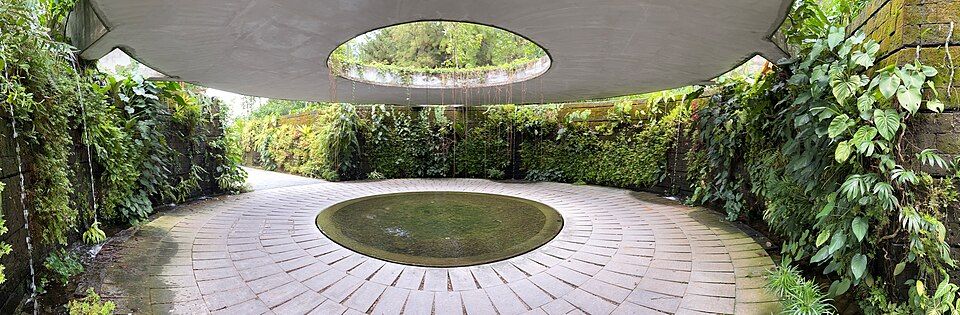
Sunken Garden offers a different scale and enclosure from the open lake. The cover photograph shows this feature in an earlier season; it does not confirm that every adjacent facility is currently available. On the research date, NParks carried a notice about the Sunken Garden toilet, which is distinct from a blanket closure of the garden itself. Check the latest notices and locate another toilet before relying on that facility.
Breathing Gallery is a separate opening-hours decision. If it is important, arrange the walk around its actual hours; otherwise, keep it optional. A quiet route is an intention, not a crowd guarantee, particularly on weekends or during events.
Hours, support and weather
The regular published grounds hours are 24 hours for Lakeside Garden and 05:30–00:00 for Chinese and Japanese Gardens. Individual play areas, galleries and features operate on shorter schedules. Use the operating-hours page for the component you want, not just the name of the whole park.
NParks lists information counters at Entrance Pavilion, Pagoda Plaza and Water Lily Pavilion. It also lists complimentary wheelchair loans, subject to availability. If mobility support is essential, check the pickup point, hours and route beforehand; a loan listing does not promise a chair will be waiting. A trial shuttle is another service to verify, not a guaranteed substitute for a manageable walking plan.
Bring water and sun protection, and choose a practical place to stop if rain develops. In thunder, follow local safety instructions and leave exposed waterside areas. For a first visit, it is sensible to finish one garden comfortably instead of extending the walk because the next area looks close on the map.
If botanical collections and orchids are your main interest, compare our Singapore Botanic Gardens guide. Jurong Lake Gardens offers a different combination of lake scenery, designed gardens and community play; neither needs to be treated as a mandatory addition to the other.
Cover photograph: Circular water feature and planted walls in the Sunken Garden at Jurong Lake Gardens — Archive photograph Image adapted for publication. — Stefan Fussan, CC BY-SA 4.0.
Frequently Asked Questions
Is Jurong Lake Gardens free?
Garden admission is free. Sports facilities, organised activities, food and other purchases may have separate charges.
Which garden is best with children?
Choose Lakeside Garden if Forest Ramble or Clusia Cove is the priority. Verify their opening and maintenance days before travelling.
Are the playgrounds open on Mondays?
The regular pattern closes Forest Ramble and Clusia Cove on Mondays, except public holidays, with closure moving to Tuesday when Monday is a public holiday. Recheck current notices.
Must I walk through all three gardens?
No. One area with time to pause is a complete visit. Choose a second only if the group's energy, weather and exit route make it comfortable.
Can I visit the nature areas after dark?
Do not enter Grasslands or Neram Streams after dark: NParks says they are unlit. Longer grounds hours do not make every path suitable for night walking.


Keep Exploring
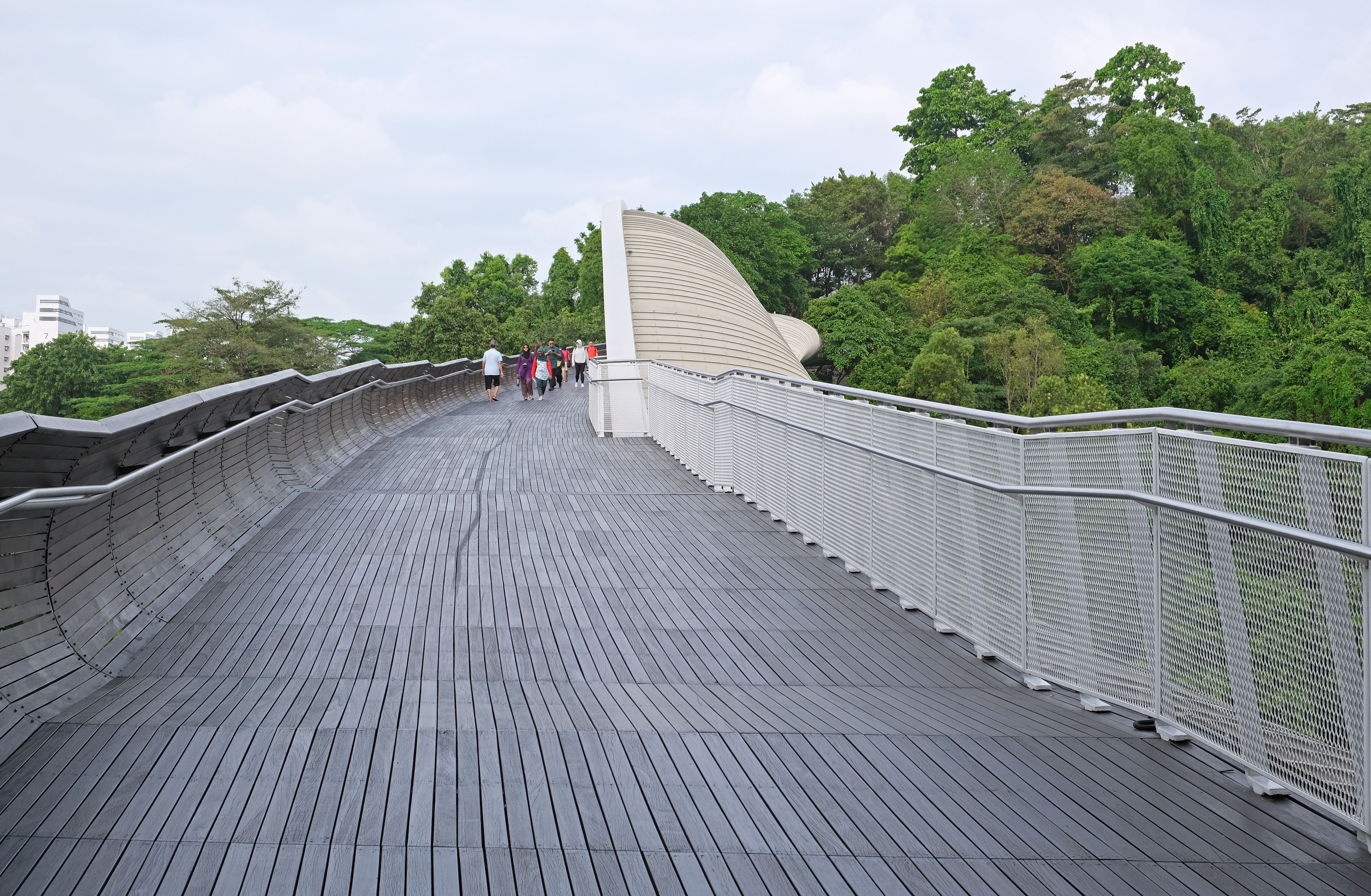
Southern Ridges Singapore: Choose Your Walk
Choose a Southern Ridges walk through Mount Faber, Henderson Waves or HortPark, with current diversions, access limits and daylight planning.
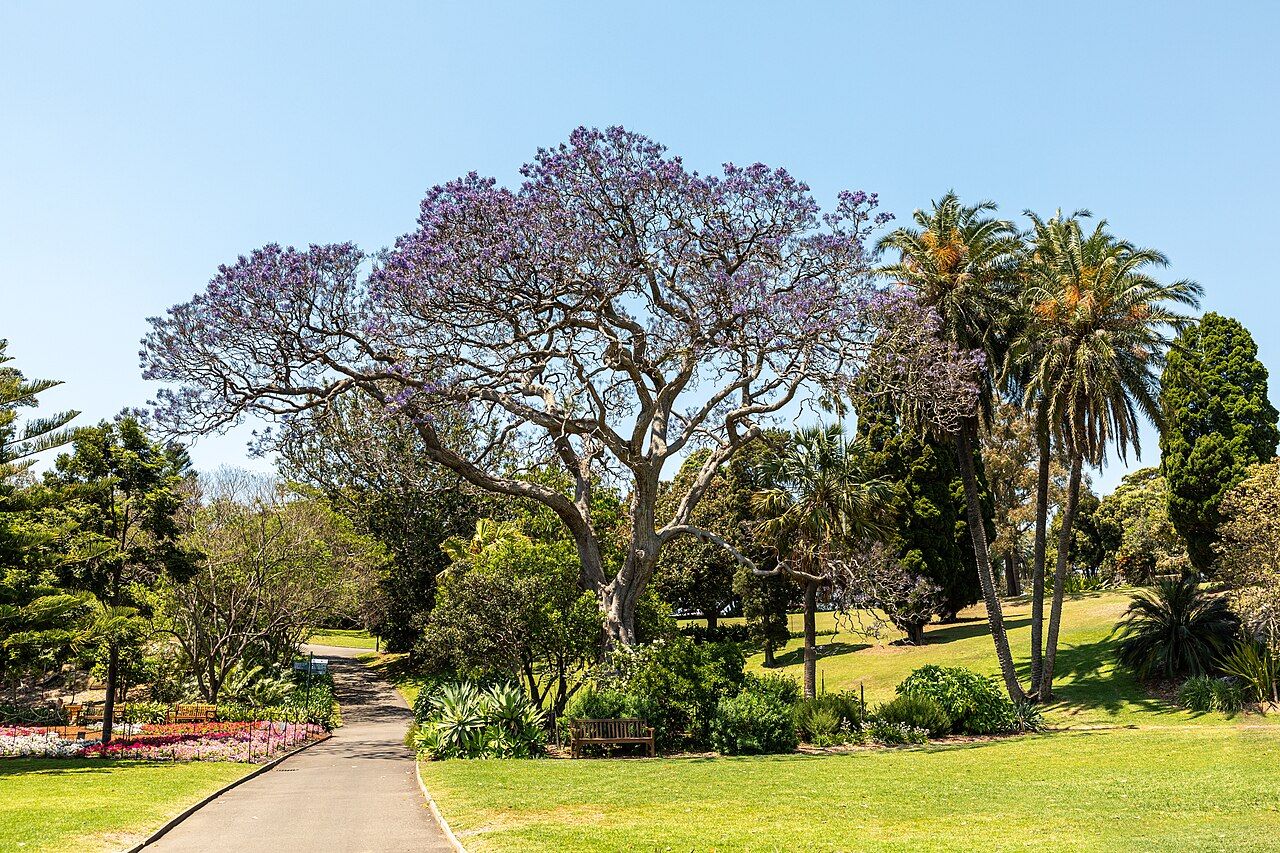
Royal Botanic Garden Sydney: Choose Your Walk
Choose a botanical walk, harbour route or Gadigal cultural experience, with useful gates, seasonal hours and Calyx closure checks.
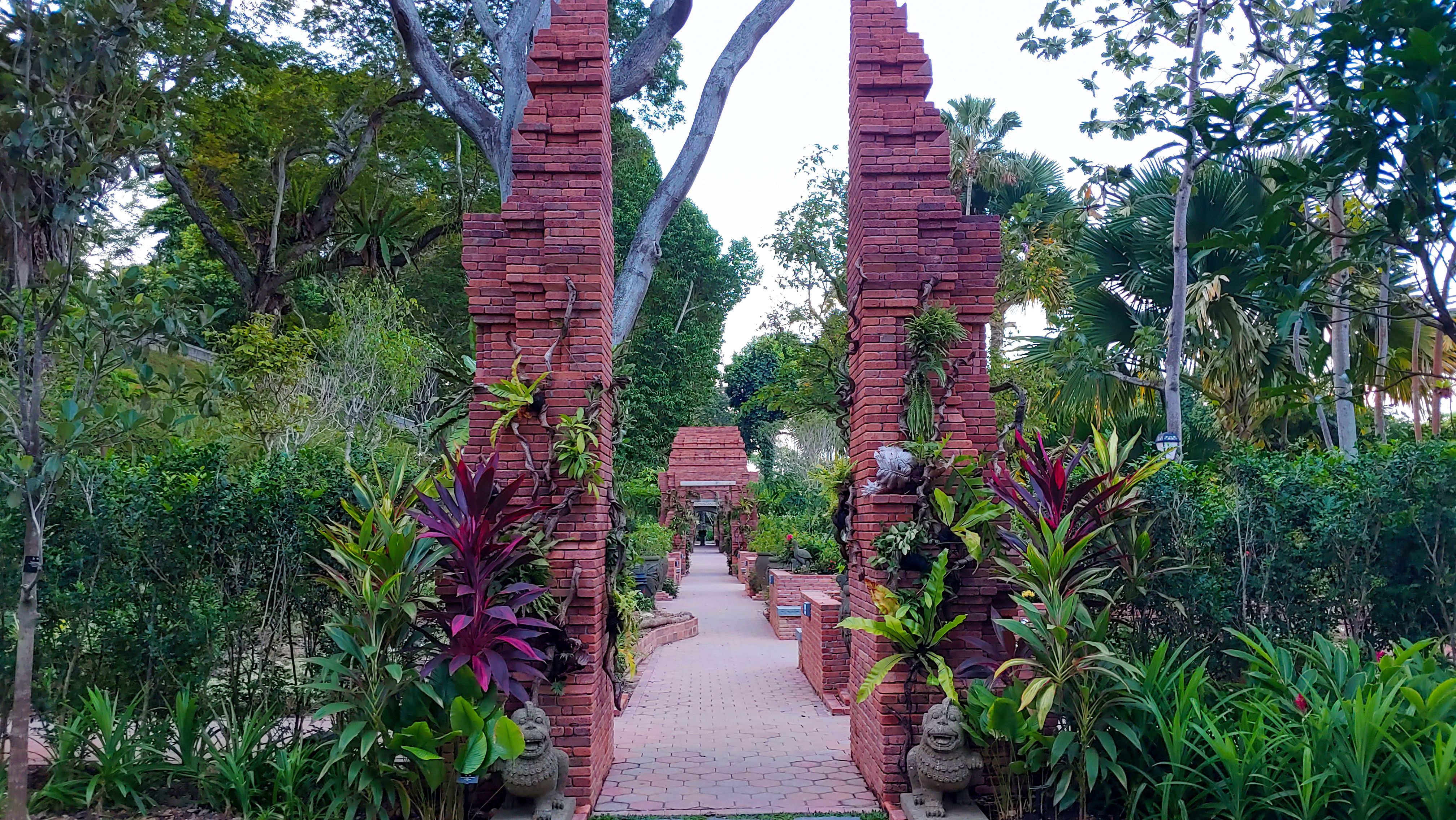
Fort Canning Park: Choose a History and Garden Walk
Choose a focused Fort Canning walk through historical gardens or military landmarks, with MRT choices, gallery hours and practical advice for the hill.