
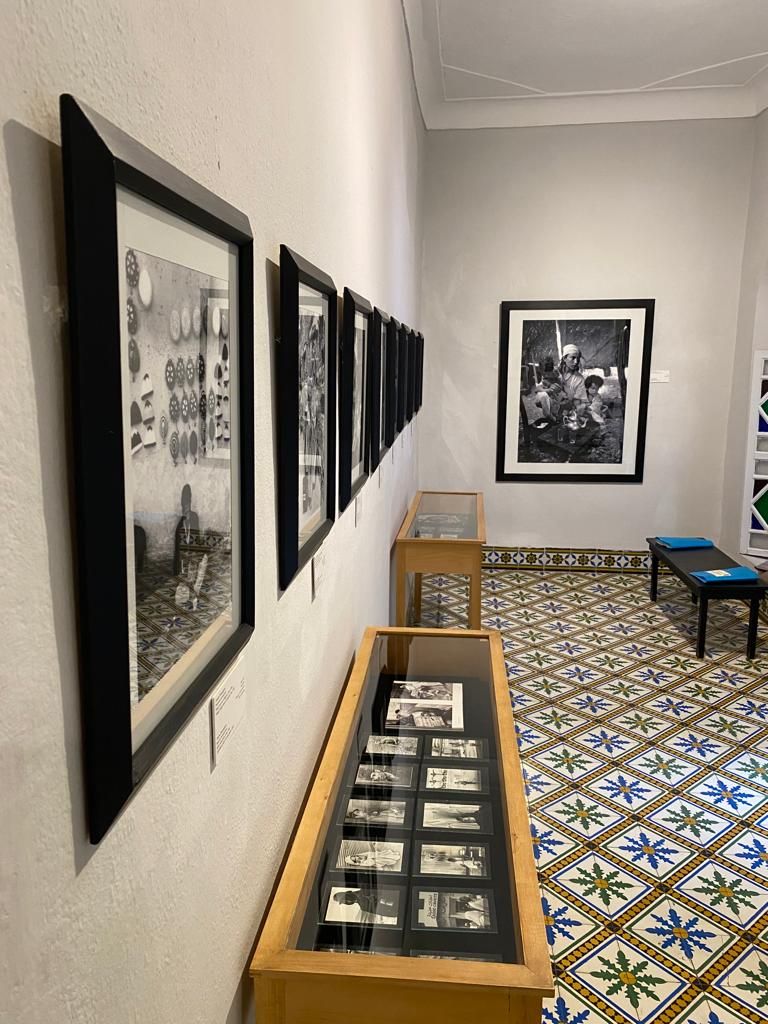
Maison de la Photographie: Plan Your Marrakech Visit
Plan a thoughtful visit to Maison de la Photographie: current admission, historical images, exhibition dates and the separate music museum inclusion.
Choose Maison de la Photographie if you want to look at Morocco through historical images rather than add another decorated courtyard to your Marrakech itinerary. The visit works best when you slow down: read a date, examine the edge of a photograph, then ask who made the picture and what it leaves outside the frame. You do not need specialist knowledge, but you do need enough attention to do more than pass a sequence of framed prints.
Allow around 60–90 minutes for the museum, as an editorial planning estimate, and extra time if you want a break or a second museum afterwards. A photography enthusiast may stay longer; someone mainly looking for a rooftop photograph may find another activity a better use of their day. Our guide to things to do in Marrakech helps choose this visit alongside the city's gardens, palaces and markets.
The practical facts that change your plan
| Question | Planning answer |
|---|---|
| Published opening | Daily, 09:30–19:00 |
| Standard adult admission | 80 MAD |
| Resident admission | 50 MAD; confirm eligibility and required proof |
| Children | Under 15 free |
| Buying admission | On site, by bank card or cash |
| Partner inclusion | The ticket also admits you to the Marrakech Music Museum |
| Visit allowance | Approximately 60–90 minutes, excluding the walk and any partner visit |
| Location | 46 rue Ahl Fes, Bin Lafnadek, in the medina |
Hours and admission categories come from the museum's current visitor page, checked on 6 November 2026. The museum homepage confirms on-site payment and the partner inclusion. Recheck before travelling, especially around exceptional closures. “Under 15” does not mean “15 and under”; ask about the correct category if a child's age falls at that boundary.
Some other listings show different prices, including older museum-page footers. Use the current visitor page as your planning reference and confirm at the desk, rather than averaging conflicting figures or assuming that a lower price is available to everyone. The resident category also requires its own eligibility check; it is not simply a discount to request because you are staying in Marrakech.
Getting to the right building
The regional tourist board's museum listing places it at 46 rue Ahl Fes, Bin Lafnadek. Save the museum name and address, not just a general “photography museum” search result. Street spellings can vary between maps, and the name is more useful than relying on a translated description of the neighbourhood.
Plan the final approach as part of a medina walk. Do not assume that a car can reach the exact doorway simply because a navigation app accepts the address. If taking a taxi, agree a practical drop-off and leave time for the remaining walk. Ask your accommodation to help identify the route if you are unfamiliar with this part of the medina.
Keep the arrival margin separate from your museum time. A 60–90-minute visit does not mean you can leave another attraction 60 minutes before closing and see everything comfortably. If you reach the area late, ask what remains accessible before buying, and decide whether a shorter visit suits your interests.
What the collection actually offers
The permanent exhibition, Trésors Photographiques du Maroc, presents photographs from the 1860s to the 1960s and identifies albumen prints, glass plates, autochromes and silver-based photography among its materials. Think of this range as an invitation to compare ways of making images, not a promise that every object in the archive is displayed.
Start with something immediately understandable: a street, a building, a portrait or a landscape. Look before reading the caption, then read it and look again. Does the date change what you noticed? Does the named location resemble the place you imagined? Does information about the photographer alter your interpretation? This simple rhythm makes a small selection of photographs more rewarding than a fast circuit of every wall.
Different photographic materials also invite different questions. You do not need to identify a process from appearance alone. Use the label to establish what you are seeing, and avoid treating the colour or surface of an old image as a straightforward record of how the scene looked to everyone present. A photograph is both an image and a made object.
If a display mentions a negative, a print or a later reproduction, notice the distinction. The moment of exposure and the making of the object in front of you need not be the same event. Ask a member of staff when a label is unclear rather than assuming that everything framed is an original print from the date depicted.
Read the viewpoint as well as the subject
Historical photographs can make a place feel familiar while concealing how deliberately the view was selected. Ask where the photographer stood, who faces the camera and which people appear to be occupied with something else. Consider whether the composition seems arranged, while keeping that as a question rather than declaring a scene staged without evidence.
Look beyond the central subject. A sign, doorway, garment or object near the edge may help you understand the setting. Then return to the caption to see which observations are supported. It is fine to leave a question unanswered. Inventing a precise story about an unidentified person adds certainty that the photograph may not supply.
This approach is particularly useful after a medina walk. You can compare your own habit of selecting picturesque details with the choices made in older images. The point is not to decide that every historical photograph is misleading, but to recognise that a single frame cannot represent all of Morocco, or all the people living in one place.
With children or companions who are less interested in photography, choose a handful of images together. Ask each person to find one detail the others missed, then compare it with the label. That gives everyone a role without turning the museum into an examination or requiring a long explanation at every stop.
Do not plan around an undated exhibition headline
Check the dates on individual exhibition pages as well as the homepage. During research for this guide, some titles appeared under current exhibitions while their detailed pages carried periods that had already ended. For example, the Rosine Mazin exhibition page states April 2025–April 2026. Its presence in a menu is not proof that the same display remains on view.
If a particular photographer is the reason for your visit, contact the museum before committing. Ask whether the work is physically displayed during your dates, rather than merely whether it belongs to the collection. A catalogue being available in the shop also does not establish that its corresponding exhibition is installed.
For a general first visit, the permanent collection is a sounder basis for planning than a specific temporary title. Ask at arrival which sections are currently open and whether there is a recommended way to divide your time. You can then spend longer on what is actually there rather than search for a display mentioned in an old article.
Decide whether the music museum adds value
The admission includes the Musée de la Musique de Marrakech, but that is a separate venue, not another room in the photography museum. Its own website lists regular visiting hours of 10:00–19:00 and an address at 4–5 derb el Hammam. Reconfirm current access and ticket conditions before setting out for it.
Keep your ticket and ask how the partner admission works, including any validity conditions. Do not assume unlimited re-entry or that an unused inclusion can be redeemed on any future day. Those details should come from the staff issuing the ticket.
Choose the second visit if music and its interpretation interest you, not simply because admission is included. You may prefer one attentive museum visit and a relaxed walk to two rushed interiors. The partner site also advertises musical events, but it contains date-specific notices alongside recurring schedules. Confirm a performance separately and ask whether it needs another ticket; ordinary museum admission should not be treated as a concert reservation.
Pair it with one contrasting stop
Ben Youssef Madrasa offers a useful contrast between viewing photographs and reading an architectural space. Our Ben Youssef visit guide explains the former college and its own admission arrangements. Choose the pairing if you want both images and craftsmanship, allowing a break between them rather than making each a hurried prelude to the other.
Alternatively, keep the rest of your outing simple: a medina walk, the photography museum and a meal. A museum does not need several neighbouring attractions to justify its place in the day. Leaving time afterwards can help you notice details in the streets that would otherwise have passed unnoticed.
If the roof terrace is important to you, confirm its current access and service separately; do not buy solely on the assumption of a particular view, weather or café offer. Ask about stairs and accessible areas before paying if mobility affects your decision. This guide does not verify a step-free route through the full building.
Follow the museum's photography rules and ask before using flash or photographing other visitors. Keep bags from brushing against displays in confined spaces. If you buy a print, ask what it is—a reproduction, edition or another format—and how it will be packaged for travel. Your visit can end with a better understanding of an image without requiring a purchase.
Cover photograph: Gallery room with historical photographs at Maison de la Photographie in Marrakech — Photograph taken in 2022; historical view. — DRAGANCESTIC, CC BY-SA 4.0.
Frequently Asked Questions
Should I book Maison de la Photographie online?
The museum's own homepage says admission is not sold online and is paid on site by card or cash. A third-party guided activity may have different terms; check what it actually includes.
How long does the museum take?
Allow around 60–90 minutes as a planning estimate, plus the walk there. Add separate time for a break or the music museum. Your interest in reading and comparing photographs matters more than completing a fixed circuit.
Does the ticket include a music performance?
The published inclusion is admission to the Marrakech Music Museum. Do not assume it includes a concert: confirm the event date, availability and any separate booking directly with that venue.
Is it a good choice if I do not know much about photography?
Yes, if you enjoy looking closely at people, places and historical detail. Start with an image you understand, read its label, then look again. If you mainly want a large architectural monument, choose another stop first.


Keep Exploring
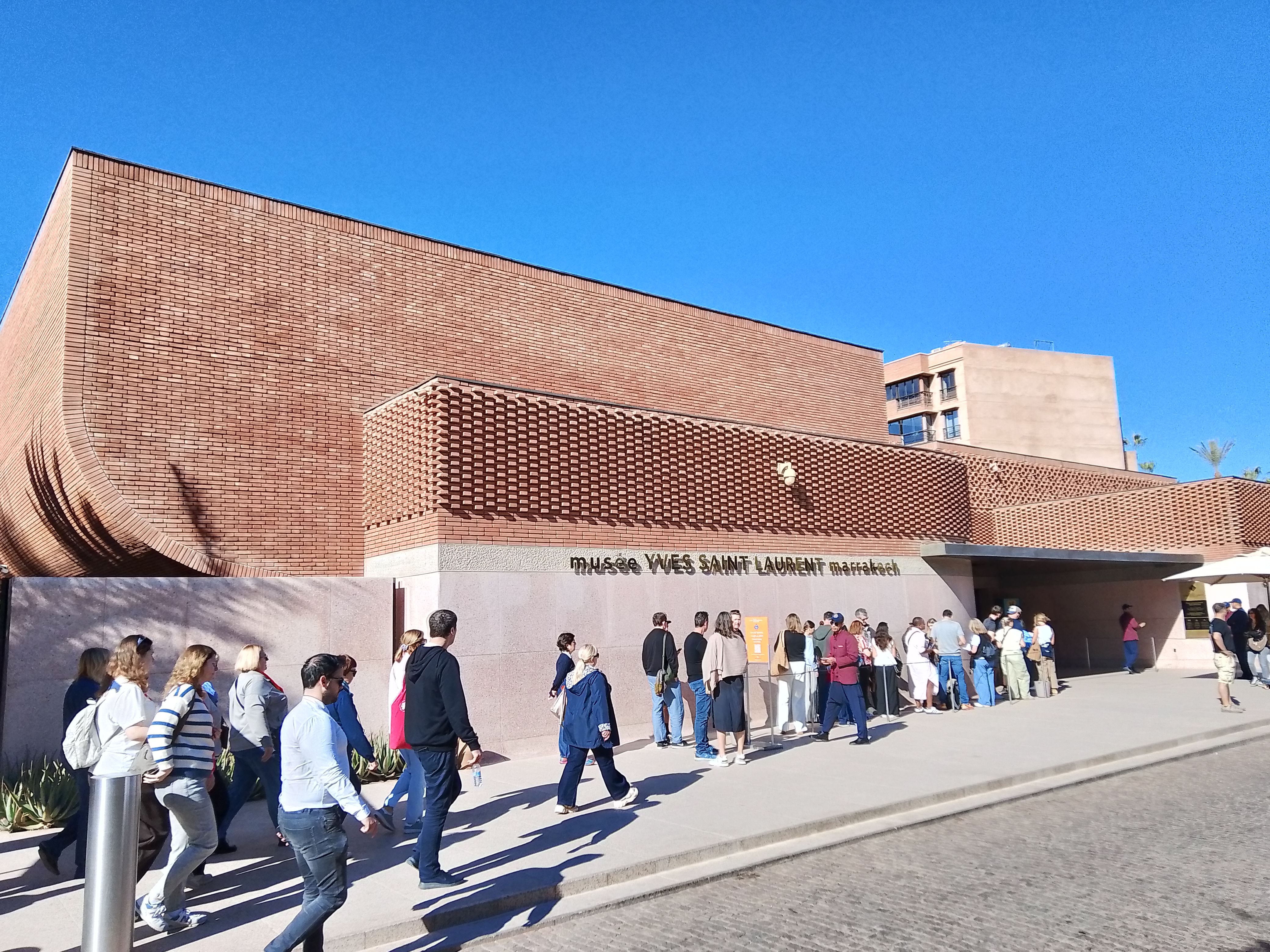
Yves Saint Laurent Museum Marrakech: Plan Your Visit
Plan the Yves Saint Laurent Museum in Marrakech: current exhibition, Wednesday closure, official tickets and how to combine it with Majorelle.
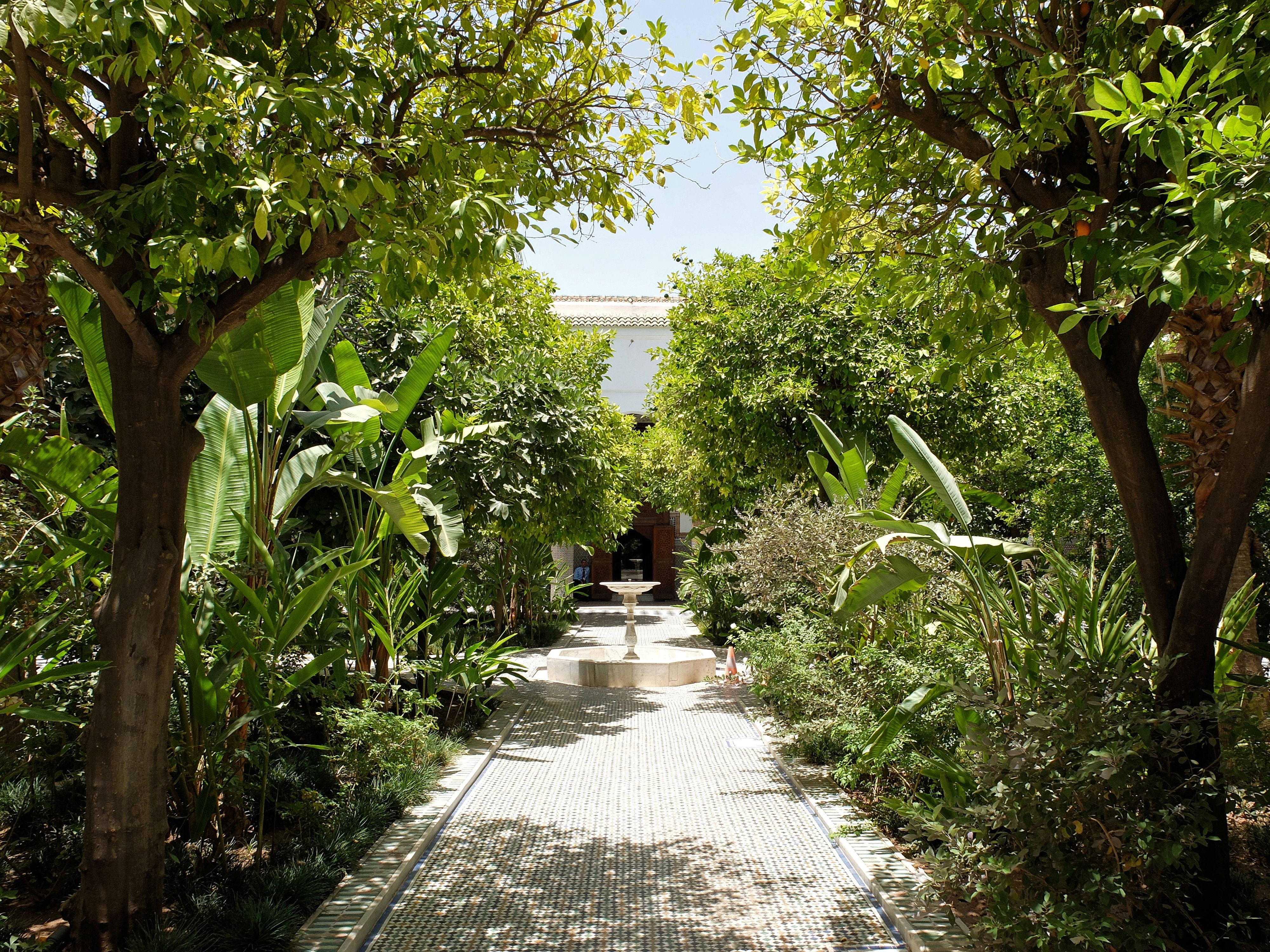
Dar El Bacha: Plan Your Marrakech Museum Visit
Visit Dar El Bacha for its palace interiors and museum. Compare published admission, allow time for the medina and treat Bacha Coffee separately.
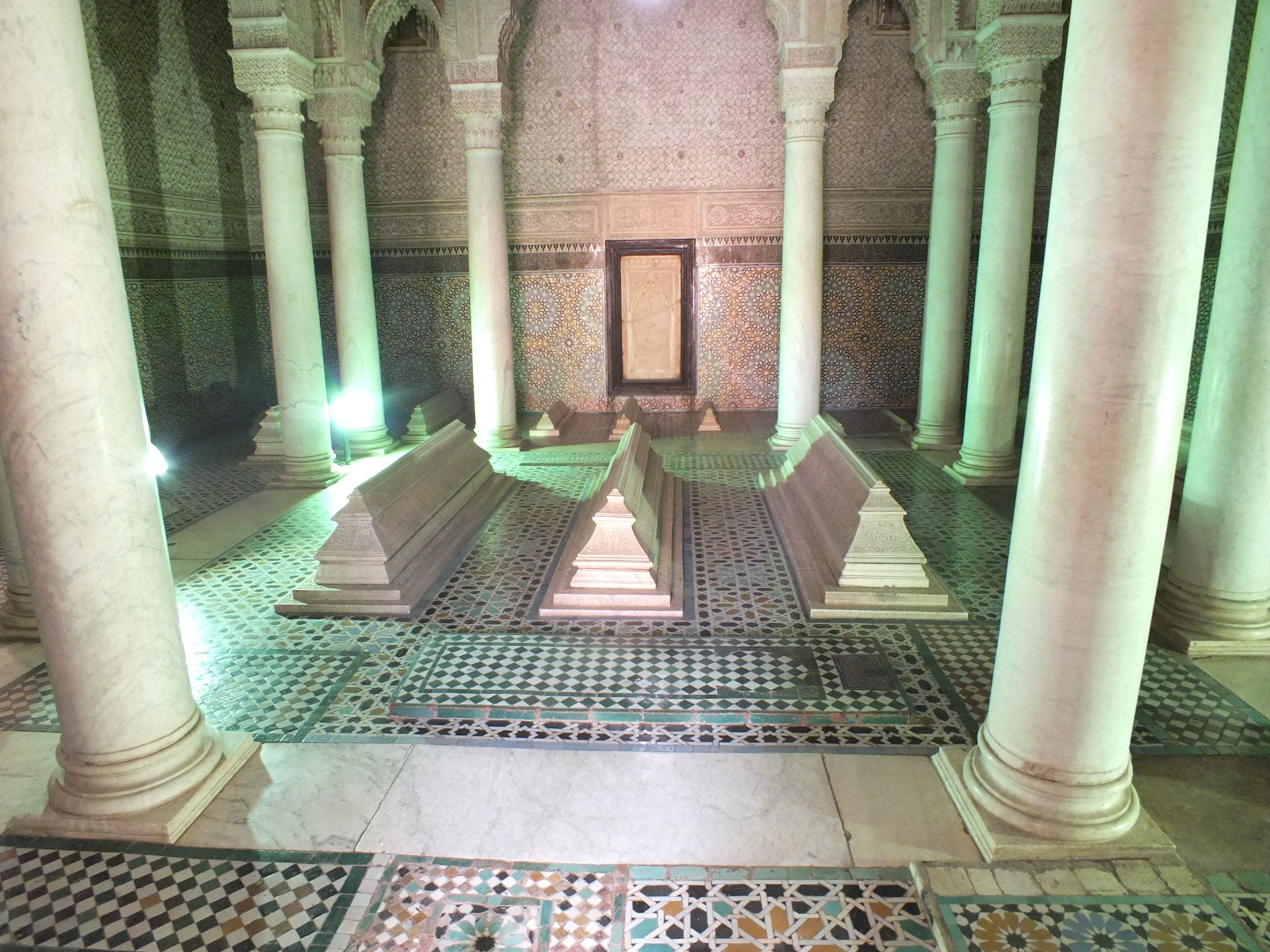
Saadian Tombs: Plan Your Marrakech Visit
Plan the Saadian Tombs with current ticket categories, conflicting published hours, chamber viewing and a sensible El Badi pairing.