
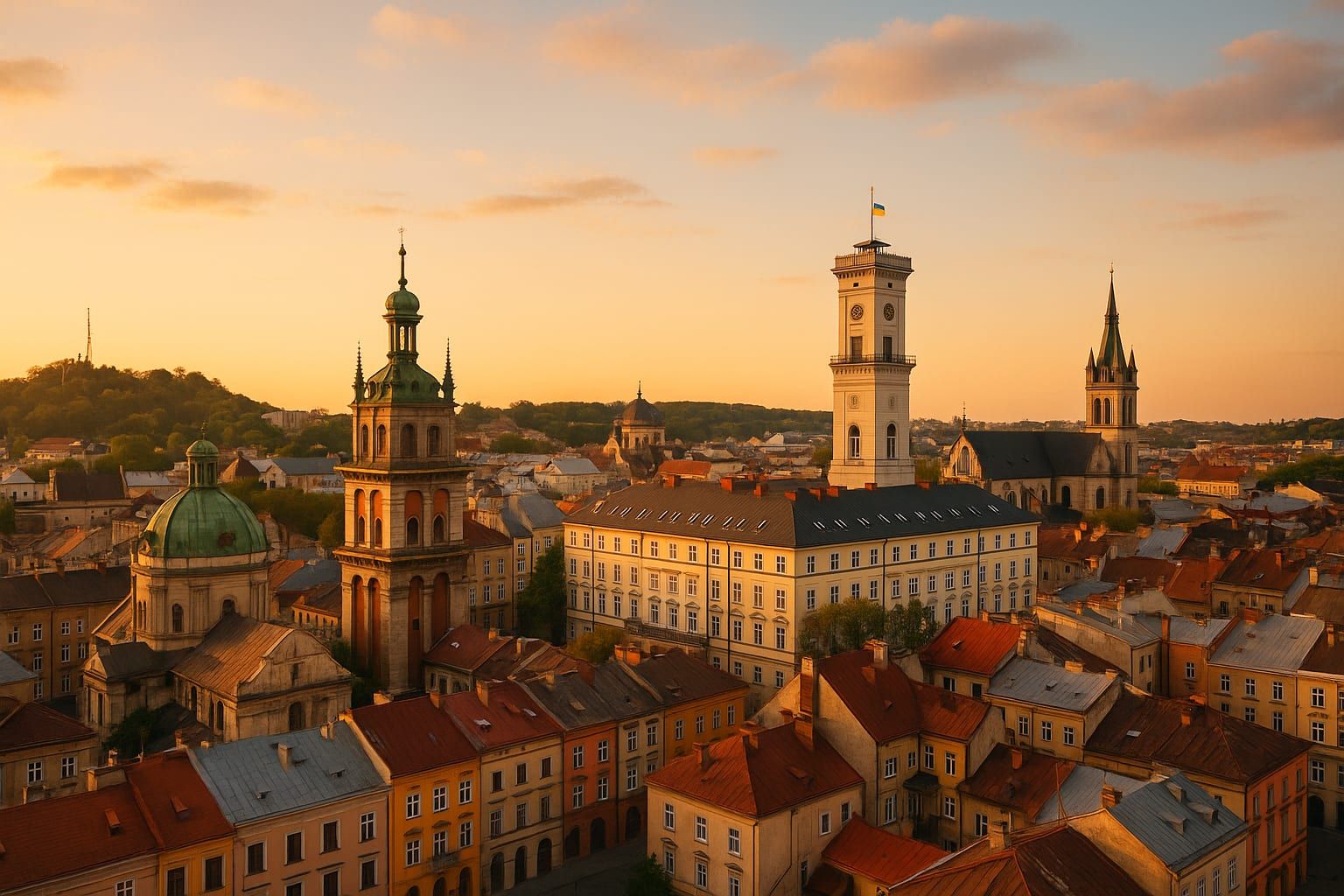
Discover Lviv's Austro‑European charm, top sights, coffee culture and practical safety advice. Learn when it's wise to visit and how to travel responsibly.
Lviv: Ukraine's Most European City (When Safe to Visit)
Lviv feels like a city transplanted from Central Europe: cobbled squares, ornate Austro‑Hungarian façades, fragrant coffee houses and a thriving cultural life. For visitors who know its streets, Lviv is a nuanced blend of Ukrainian spirit and European sensibility — a place to savor slow mornings, artful evenings and discoveries around every corner.
This guide covers what to see and do, how to experience Lviv like a local, and — crucially — how to decide when it’s safe to visit. It includes practical travel tips, local insights and resources so you can plan responsibly and respectfully.
Why Lviv feels so European
Lviv’s look and rhythm come from layers of history. Under Polish and Austro‑Hungarian rule, the city’s 19th‑century boulevards, theatre and civic buildings were built in architectural styles that echo Vienna, Kraków and Prague. Today those streets are animated by coffeehouses, galleries and festivals that make Lviv feel like a smaller, friendlier European capital.
What completes the experience is the city’s cultural confidence. Lviv is proud of its museums, independent theatres, philharmonic concert hall and cafe culture. Walkable and compact, its historic centre invites lingering over espresso and watching the world go by.
Must‑see sights (and how to enjoy them)
Rynok Square (Market Square)
The heart of the old city, Rynok Square is surrounded by colourful merchant houses, restaurants and bars. Visit early morning to watch bakers set out fresh pastries and to take photos without the crowds. In the evening, the square hums with locals and visitors enjoying live music and terrace dining.
Lviv Opera House
One of the most beautiful opera houses in Eastern Europe, Lviv’s opera offers performances ranging from classic opera to ballet and contemporary concerts. Even if you don’t see a show, the interior tour and exterior façade are worth a stop.
High Castle Park
For the best panoramic views of the city, climb (or take a short taxi) to High Castle Park. It’s especially pretty at sunrise and at sunset when the terracotta roofs and church spires are lit in golden light.
Lychakiv Cemetery
A Victorian‑era necropolis and outdoor sculpture gallery, Lychakiv is hauntingly beautiful and offers a different, reflective side of Lviv history.
Armenian Cathedral and churches
Lviv’s religious architecture is eclectic and rich: visit the Armenian Cathedral, the Latin Cathedral and the Church of St. Nicholas to see carved altars, frescoes and centuries of craftsmanship.
Museums and specialty stops
From the Lviv National Art Gallery to the Pharmacy Museum, the city’s museums are compact and high quality. Don’t miss the Lviv Coffee Mining Manufacture for a whimsical (and tasty) take on local coffee culture.
Coffee, food and nightlife: how to experience Lviv like a local
Lviv takes its coffee seriously. Tiny café‑shops, barista‑run espresso bars and grand Austro‑style coffee houses coexist. Spend mornings café‑hopping: sample a strong espresso in a minimalist third‑wave shop, then relax with a cream‑filled pastry in a historic café.
Food in Lviv ranges from hearty Western Ukrainian fare (varenyky, borscht, salo) to modern Ukrainian tasting menus. For craft beer lovers, Lviv’s microbreweries and taprooms are lively, with experimental and traditional brews.
If great coffee matters to you, see our round‑up of Europe’s coffee capitals to compare notes: Best Coffee Cities in Europe.
When is it safe to visit? Practical markers to watch
"When safe to visit" depends on evolving circumstances. While many visitors and travel outlets have noted that Lviv has at times been quieter and perceived as safer than other parts of Ukraine, conditions can change. Consider these practical markers before planning:
- Official travel advisories: Check your government’s travel advisory for Ukraine and follow their guidance. When advisories are relaxed or removed for a region, that is a strong signal that travel risks have decreased.
- Flights and transport: Regular commercial flights and international train/bus connections to Lviv are indicators of restored travel infrastructure. Airlines and national rail services will publish schedules well in advance.
- Local services: Are hotels, museums, restaurants and tour operators open and operating normally? A city running standard services is a positive sign.
- Media and local sources: Monitor reputable local news and social media for reports about safety, security alerts and disruptions. Lviv has active local reporting and expat communities who share firsthand information.
- Embassy and consular presence: Verify that your country has operational consular services in Ukraine or nearby. Many foreign missions offer registration for citizens travelling abroad — register if available.
No single signal guarantees safety; use a combination of official advisories, on‑the‑ground reports and common‑sense precautions. Travel insurance with contingency coverage (evacuation, trip cancellation) is highly recommended.
For broader planning, consult seasonal and timing guidance such as Best Time to Visit Europe: Month by Month.
Practical travel tips and local insights
Getting there
- By air: Lviv Danylo Halytskyi International Airport serves connections to several European cities when flights operate. Check airlines and schedules carefully before booking.
- By rail/bus: Trains and international buses from Poland (Przemyśl border crossing) and other nearby countries are common routes. Keep tickets flexible and allow extra time at borders.
Where to stay
- Old Town (City Centre): Best for first‑time visitors who want to be within walking distance of the main sights.
- Shevchenkivskyi and near the Opera: Slightly quieter residential areas with stylish apartments and easy tram access.
- Lychakiv: A leafy, historic district popular with locals and those seeking a quieter pace.
Getting around
- Walking: The historic centre is compact and best explored on foot.
- Trams and buses: Inexpensive and useful for longer trips; learn the routes or use a local app.
- Ride‑hailing: Bolt and local taxi services operate in Lviv — verify fares and use apps when possible.
Money, language and etiquette
- Currency: Hryvnia (UAH). Cards are widely accepted in restaurants and shops; carry some cash for markets and small vendors.
- Language: Ukrainian is the official language. Polish and Russian are also often heard; younger people in tourism and hospitality often speak English.
- Tipping: 5–10% is customary in restaurants if service is not included.
Safety basics
- Register with your embassy if possible; carry ID and note emergency numbers (112 for general emergencies; 102 police; 101 fire; 103 ambulance).
- Keep belongings secured in crowded areas and use hotel safes for passports and valuables.
- Learn to recognize official checkpoints or advisories; follow directions of authorities in the unlikely event of alerts.
Cultural calendar and the best times to visit
Lviv’s cultural life peaks in spring through autumn with festivals, concerts and street life. Winters are atmospheric, with Christmas markets and snowy rooftops, but some services may run reduced hours.
If you’re timing a visit to coincide with festivals or performances (opera seasons, contemporary theatre, food festivals), check event calendars and book in advance.
Day trips and regional gems
Western Ukraine has unforgettable destinations within reach of Lviv:
- Castles of the Golden Horseshoe (Olesko, Pidhirtsi, Zolochiv) — atmospheric medieval palaces and well‑restored interiors.
- Ivano‑Frankivsk and the Carpathians — for mountain scenery, hikes and Hutsul culture.
- Pidhirtsi and remote villages — for quiet road trips and authentic rural experiences.
If you enjoy exploring Central and Eastern Europe more broadly, the region pairs well with visits to other historic cities and lesser‑known European gems. For instance, travelers who love charming regional cities could also enjoy destinations like Sibiu in Transylvania: Sibiu: Transylvania's Most Charming City.
Responsible travel and supporting local communities
Travel to places like Lviv can help sustain local economies, especially when you choose to support independent businesses. Consider these ways to travel responsibly:
- Eat at family‑run restaurants, markets and cafés.
- Buy handicrafts, ceramics and textiles from local artisans rather than mass‑produced souvenirs.
- Use licensed guides and tours that hire local staff.
- If you want to aid Ukraine beyond tourism, donate to reputable humanitarian and cultural organisations rather than making spontaneous, potentially unvetted contributions.
What to pack and local weather
- Layers: Lviv weather can change quickly. Summers are warm; spring and autumn can be crisp.
- Comfortable shoes: Cobblestones are charming but unforgiving; pack supportive footwear.
- Power adaptors: Ukraine uses the European-style two‑pin plug; voltage is 220V.
Final thoughts: When and how to plan your Lviv visit
Lviv rewards slower travel: take time for cafés, museums and strolls through neighbourhoods. The decision to travel should be grounded in up‑to‑date, official information. Look for indicators such as resumed commercial flights, normal operation of hotels and museums, relaxed governmental advisories and consistent local reporting of stability.
If conditions align and you choose to visit, Lviv will likely repay your curiosity with warm hospitality, striking architecture and a vibrant cultural scene that feels unmistakably European. Plan with caution, keep flexible arrangements, and travel in ways that support the city and its people.
Practical links and further reading:
- Best Coffee Cities in Europe — compare Lviv's café culture across the continent: /en/food-drink/best-coffee-cities-europe
- Best Time to Visit Europe — plan the right month and season: /en/practical-guides/best-time-to-visit-europe-month-by-month
- Sibiu: Transylvania's Most Charming City — for travellers exploring Central and Eastern European gems: /en/hidden-gems/sibiu-transylvanias-most-charming-city
Happy (and safe) travels — may Lviv’s cobblestones lead you to unexpected discoveries.
Keep Exploring
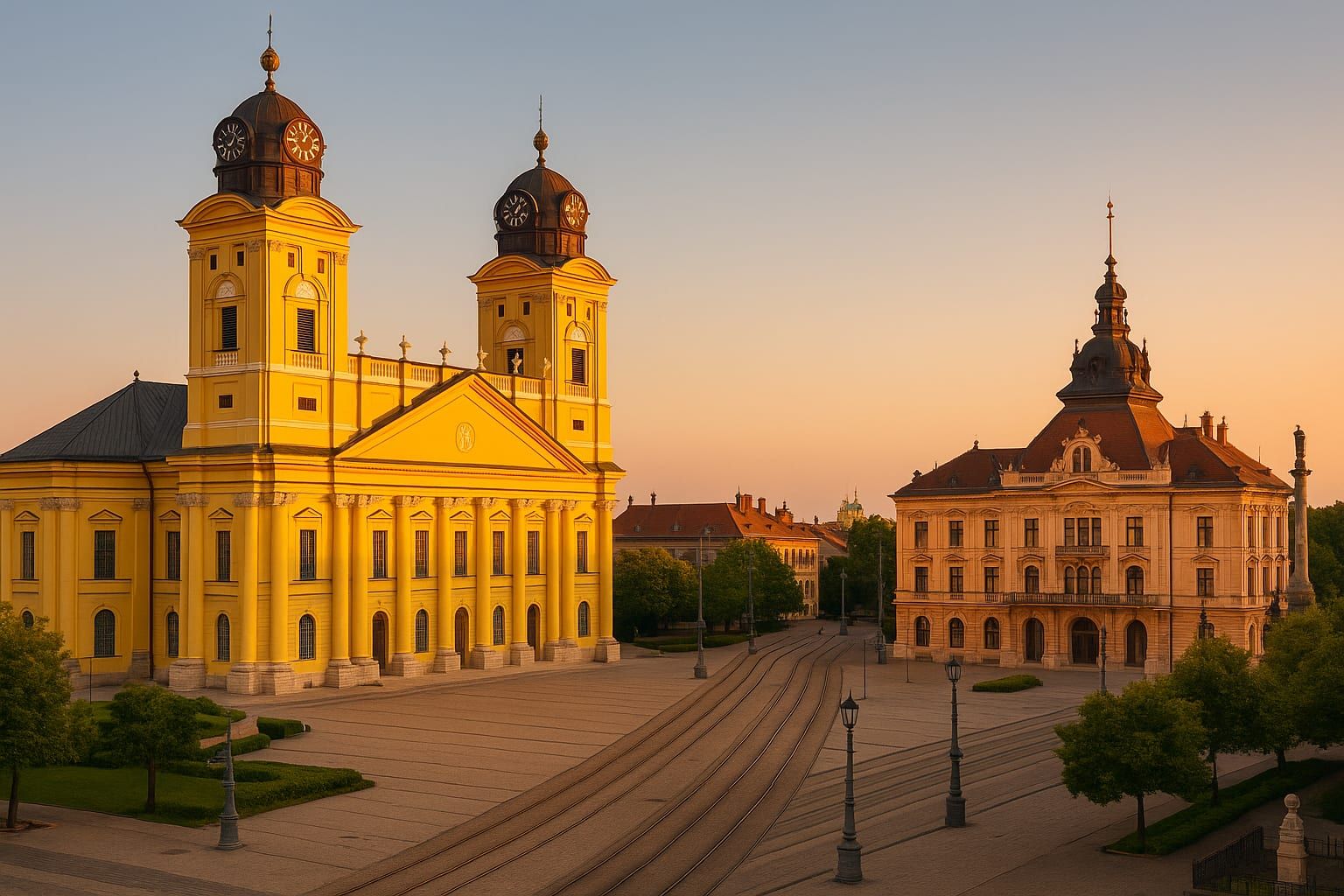
Debrecen: Hungary's Reformed Capital
Explore Debrecen — Hungary’s Reformed Capital. From the towering Great Reformed Church and Hortobágy plains to thermal baths, kolbász and student cafés, here’s your practical guide.
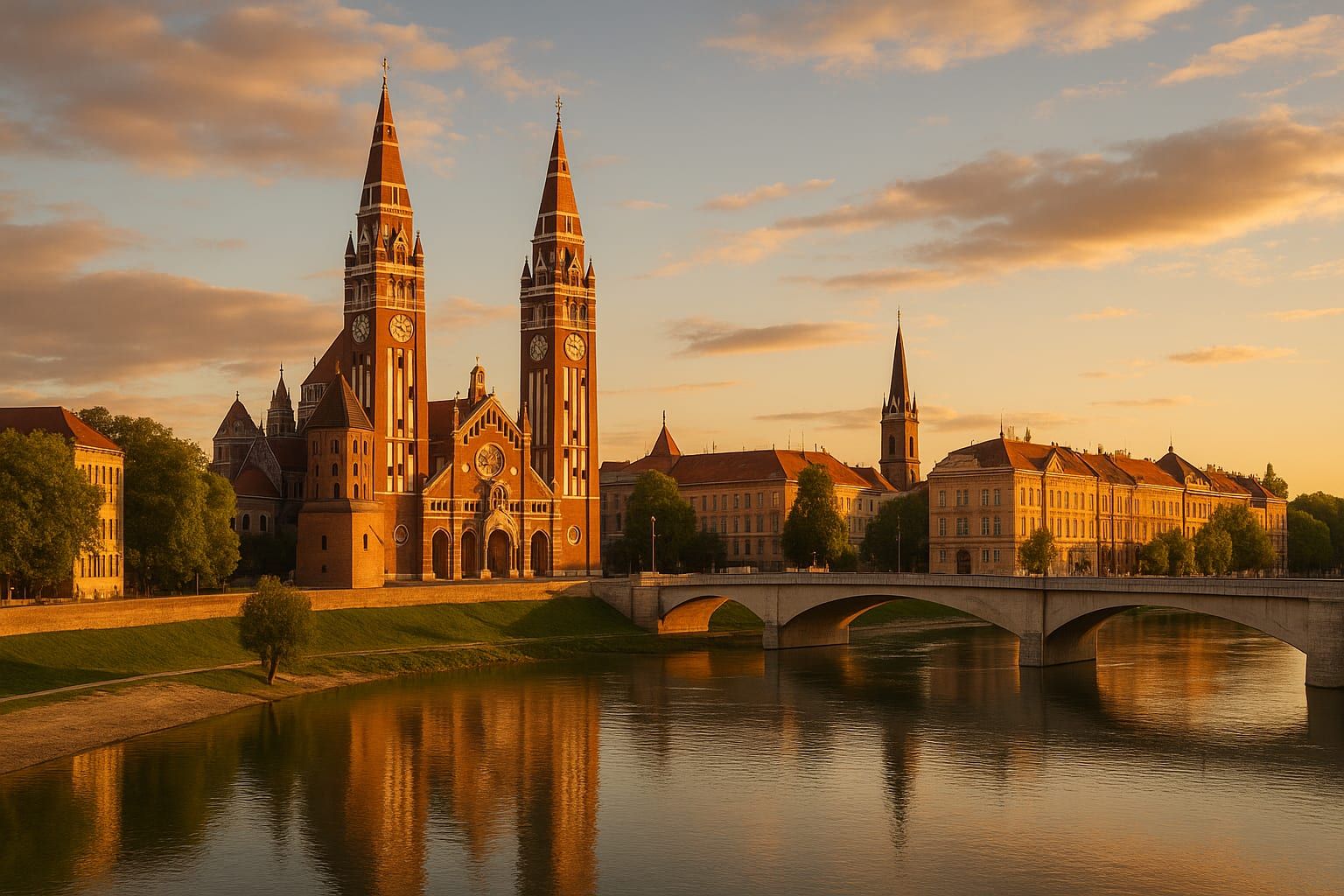
Szeged — Hungary's Sunshine City
Discover Szeged, Hungary’s City of Sunshine: sun-drenched squares, Art Nouveau architecture, paprika-rich cuisine, open-air festivals, thermal baths, and smart travel tips.
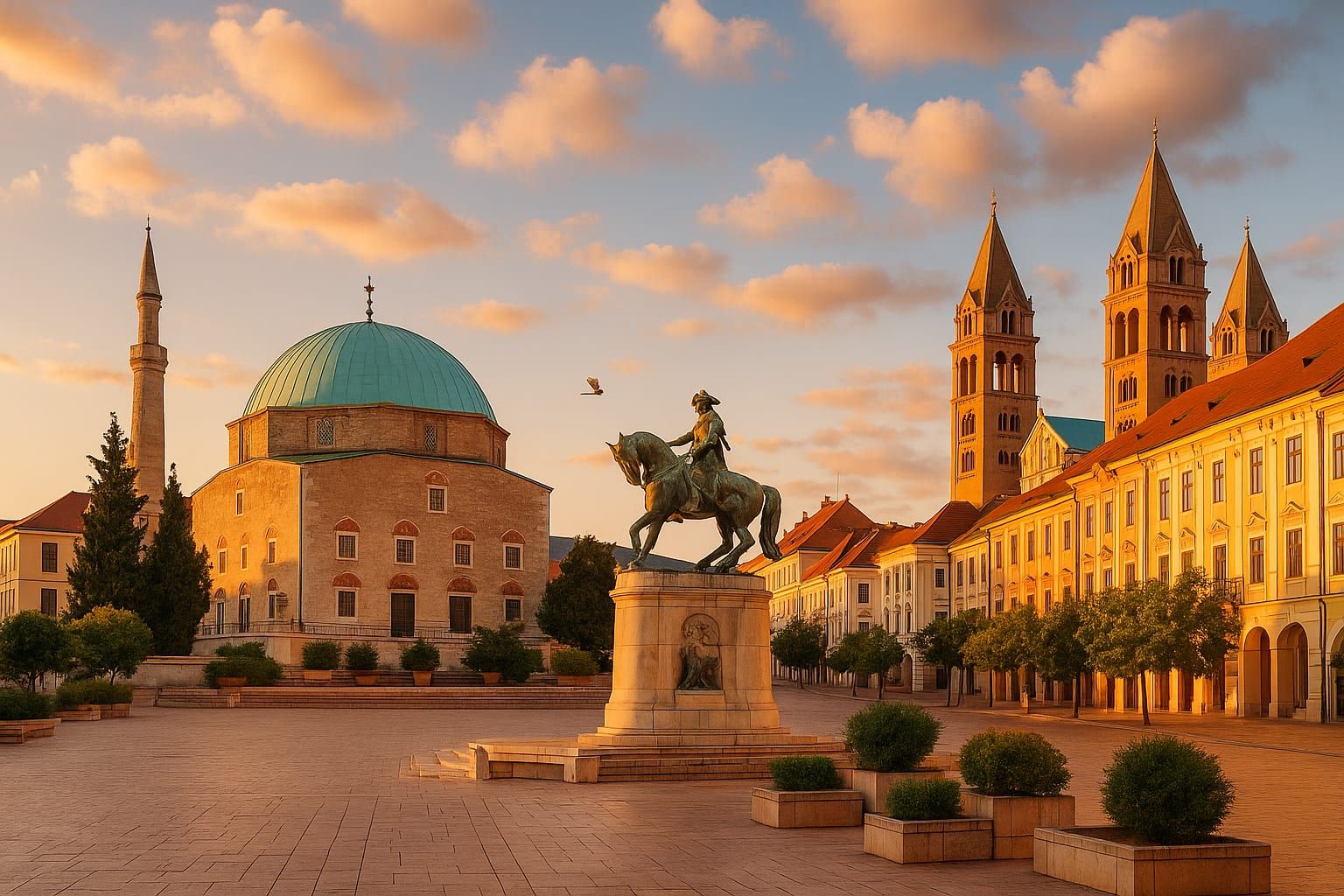
Pecs: Hungary's Hidden Mediterranean City
Discover Pécs — Hungary’s sunlit southern city with Mediterranean flair: Ottoman monuments, Zsolnay porcelain, vineyards, lively cafés and practical local tips for a perfect visit.