
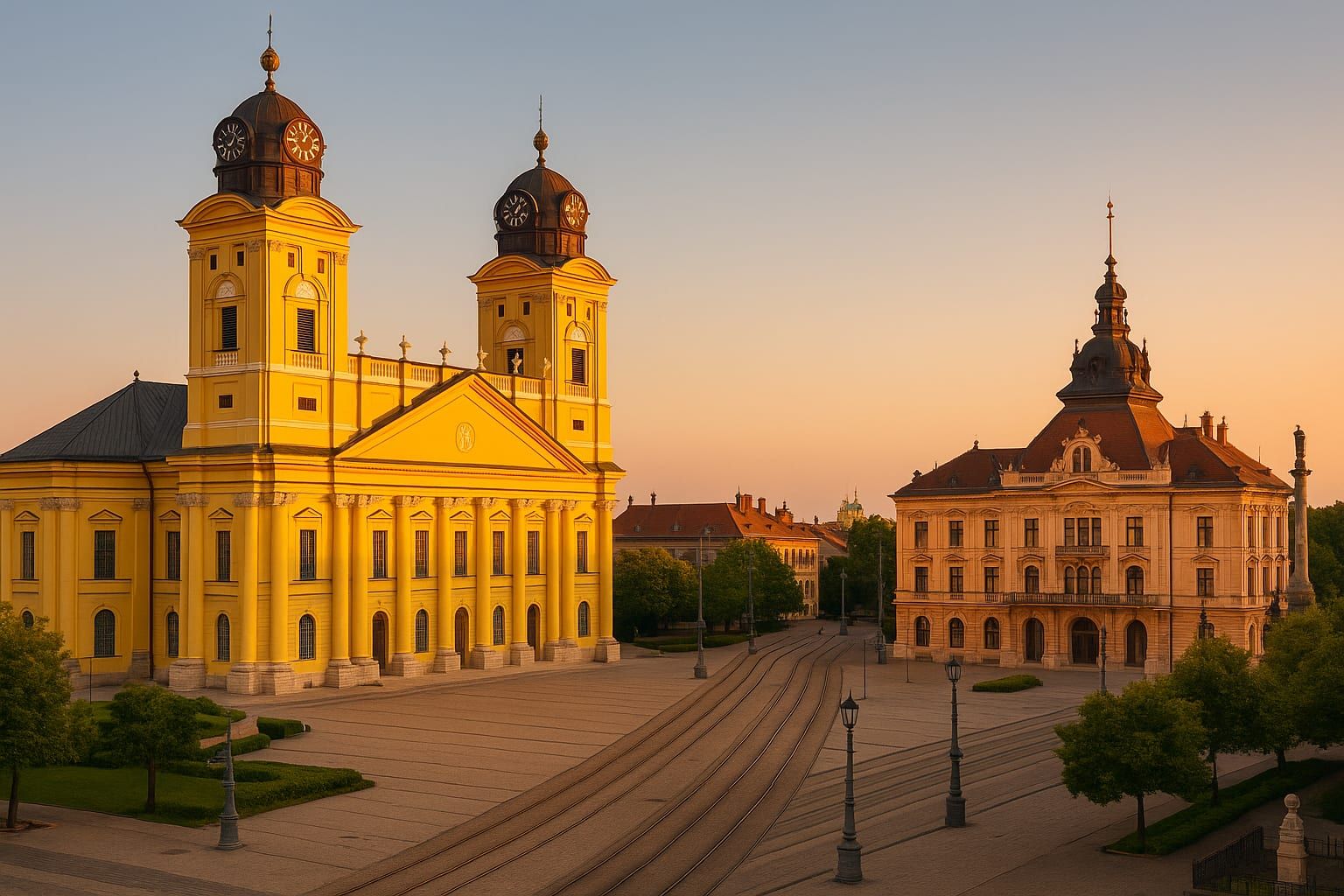
Explore Debrecen — Hungary’s Reformed Capital. From the towering Great Reformed Church and Hortobágy plains to thermal baths, kolbász and student cafés, here’s your practical guide.
Nestled on the eastern edge of the Great Hungarian Plain, Debrecen is a city of wide skies, Calvinist traditions and surprising cultural depth. Often called the "Calvinist Rome," Debrecen is Hungary's second-largest city and the historic centre of Hungarian Protestantism. Its skyline is dominated by the Reformed Great Church (Nagytemplom), a symbol of local identity that has witnessed revolutions, royal proclamations and visiting popes.
This guide will walk you through Debrecen’s top sights, food and drink, practical tips, local insights and suggested itineraries so you can make the most of a two- or three-day visit.
Why Debrecen matters
Debrecen became a prominent Reformed (Calvinist) hub during the 16th–17th centuries. Relative religious tolerance under Ottoman rule allowed Protestant communities to establish and flourish here, shaping civic life, education and local identity. The city's meaning extends beyond religion: in 1849 Lajos Kossuth proclaimed the Hungarian Declaration of Independence from the Reformed Great Church — an event that cemented Debrecen's role in the national story.
Today Debrecen blends its Reformation heritage with a lively university scene, museums, green parks and a growing culinary scene anchored in hearty local specialties like Debreceni kolbász (the town’s famous sausage).
Top sights and experiences
Reformed Great Church (Nagytemplom)
The Reformed Great Church is Debrecen’s defining landmark. With a floor area of about 1,500 m² it’s the largest Protestant church building in Hungary and houses the largest bell among Hungarian Protestant churches. The current building — neo-classical in tone after several reconstructions — stands on Piac utca and is the stage for important civic and religious events. On 14 April 1849 Kossuth read the Declaration of Independence here; in 1991 Pope John Paul II visited Debrecen and took part in an ecumenical meeting in the church.
Visiting tips: arrive early to admire the nave without crowds, check the church’s schedule for services and concerts, and allow time to walk Kossuth Square in front of the church for photos.
Déri Museum
Déri Museum is the cultural heartbeat of the city, housing archaeological finds, ethnographic collections and the famous paintings by Mihály Munkácsy, including works from his celebrated "Christ Trilogy." It’s a good place to understand local history — from the plain’s pastoral life to urban growth.
Nagyerdő Park & Aquaticum
Nagyerdő (the Great Forest) is Debrecen’s green lung — a leafy park bordering the University of Debrecen. Within it you’ll find the Aquaticum Mediterranean Spa, a modern thermal bath complex with indoor pools, saunas and an outdoor beach in summer. The park itself is ideal for strolling, cycling or relaxing with students and families.
Hortobágy — the Puszta (day trip)
Just a short ride from Debrecen lies the Hortobágy National Park, Hungary’s largest continuous natural grassland and a UNESCO Biosphere Reserve. Horse shows, shepherd traditions, and boundless steppe landscapes make Hortobágy the archetypal Hungarian rural experience. Plan half or full-day trips for birdwatching, traditional cuisine and a taste of pastoral life.
University of Debrecen & academic atmosphere
Established institutions and a substantial student population give Debrecen a youthful, intellectual buzz. Walk the university campus to see sandstone facades, busts of scholars and an active café culture where students gather late into the evening.
Market streets and local neighborhoods
Piac utca and the surrounding pedestrian streets offer shops, cafés and the city’s small museums. Venture into neighbourhood markets for fresh produce and to sample regional specialties.
Culture, festivals and events
Debrecen’s calendar is packed with cultural moments that reflect both tradition and modern life:
- Flower Carnival (Debreceni Virágkarnevál): every August the city stages a spectacular parade of floats, floral displays and open-air concerts. It’s one of Hungary’s most colourful summer events.
- Campus Festival: a large modern music festival that draws students and young crowds for big-name acts and local bands.
- Reformed Church services and ecumenical events: especially around major religious holidays. Remember that the Reformed tradition stresses simplicity and music — sermons and hymn-singing form central parts of worship.
If your visit coincides with festivals, book accommodation early — events draw domestic tourists from across Hungary.
Eat, drink and local flavours
Debrecen’s food scene blends traditional Hungarian fare with international options driven by students and visitors.
- Must-try: Debreceni kolbász — a spiced pork sausage, often smoked and served with mustard or in stews. It’s a local specialty and appears on many menus.
- Hearty dishes: try goulash or pörkölt (meat stew) with nokedli (dumplings) for a traditional meal.
- Markets and cafés: seek out the local market for fresh produce and bakery treats. Student cafés near the university serve good coffee and affordable light meals.
- Nightlife: a lively mix of pubs, casual bars and music venues — many geared toward students and festival crowds.
Practical tip: many restaurants accept cards in the city centre, but small stands and market stalls often prefer cash. Tipping around 10% is customary if service isn’t included.
Practical travel tips
- Getting there: Debrecen International Airport (DEB) has seasonal and some year-round connections to European cities. Trains connect Debrecen to Budapest in about 2–3 hours (depending on service) — trains are comfortable and an easy option for international visitors.
- Getting around: the city centre is compact and walkable. Local buses and trams cover longer distances; single tickets are bought at kiosks, vending machines or via mobile apps. Taxis are available but confirm rates or use reputable companies.
- Currency & cost: Hungary uses the forint (HUF). Debrecen tends to be cheaper than Budapest for dining and accommodation. ATMs are widely available.
- Language: Hungarian is the local language. English is commonly spoken in tourist areas and among younger people, but learning a few phrases (köszönöm — thank you, kérem — please) is appreciated.
- Opening hours: many museums and attractions open mid-morning and close by late afternoon; check opening times ahead. Shops often close on Sunday or have reduced hours.
- Respect: Debrecen’s Reformed identity is important to locals. At churches, dress conservatively and be mindful during services; photography may be restricted during worship.
Suggested itineraries
48-hour highlights
Day 1
- Morning: Start at the Reformed Great Church and Kossuth Square, take the panoramic steps and learn the story of 1849.
- Midday: Lunch on Piac utca — try kolbász and local sides.
- Afternoon: Déri Museum to see Munkácsy’s masterpieces; stroll through the main pedestrian shopping streets.
- Evening: Dinner in the university quarter; enjoy a local pub.
Day 2
- Morning: Visit Nagyerdő Park and Aquaticum for a thermal bath soak.
- Midday/Afternoon: Day trip to Hortobágy for plains, birdwatching and a traditional shepherd show.
- Evening: Return for a relaxed dinner and a nighttime walk in the illuminated city centre.
3-day option (adds culture & cross-border travel)
Day 3
- Morning: Explore neighbourhood markets and small galleries or rent a bike.
- Afternoon: If you’re headed further east into Romania, use Debrecen as a jumping-off point. For more on Transylvania and nearby Romanian highlights see our guides to Sibiu: Transylvania's Most Charming City and 4 Days in Transylvania: Brasov, Castles & Mountains.
Local insights and lesser-known tips
- Morning coffee culture: student cafés near the university offer excellent coffee and people-watching — ideal if you want to see local life.
- Churches and concerts: many churches host organ recitals and choral concerts; check local listings for free or low-cost musical offerings.
- Markets: arrive early for the best choice of fresh produce and homemade pastries.
- Photography: the large open squares and the Great Church are stunning at dawn and dusk — golden-hour photos are particularly rewarding.
- Summer seasons: the Flower Carnival season is busy but magical; book hotels and festival events well in advance.
Safety and accessibility
Debrecen is a safe city with friendly locals. Standard precautions (watch your bags, avoid poorly lit side streets at night) are adequate. Public transport is generally accessible; some older historic buildings may have limited wheelchair access — check specific venues before you travel.
When to visit
- Spring and summer (May–September) offer the best weather for walking, festivals and open-air events.
- Autumn brings harvest festivals, mellow light over the plains and fewer crowds.
- Winter is cold but atmospheric; if you travel in December you might combine a visit with Hungary’s broader Christmas market season.
For planning across seasons, our broader seasonal guide may help: Best Time to Visit Europe: Month by Month.
Final note — why Debrecen deserves your time
Debrecen quietly rewards travellers who want more than a postcard city. It’s a place where history is visible in public squares and churches, where the plains unfold into a horizon of sky and grass, and where a robust local culture — shaped by the Reformation, university life and rural traditions — creates a distinctive identity. Whether you come for architecture, thermal baths, the Puszta or simply honest food and warm cafés, Debrecen feels like a Hungary that’s both rooted and alive.
If your route through Eastern Europe continues, consider pairing Debrecen with nearby Transylvanian highlights — read more on Sibiu: Transylvania's Most Charming City or plan a longer exploration with 4 Days in Transylvania: Brasov, Castles & Mountains.
Happy travels — and don’t forget to taste a proper Debreceni kolbász while you’re here.
Frequently Asked Questions
What are the best things to do in Debrecen?
The top experiences centre on the city's Reformation heritage and green spaces. Start at the Reformed Great Church (Nagytemplom) on Piac utca — the largest Protestant church in Hungary, with a floor area of about 1,500 m² and the country's largest Protestant bell — then explore the Déri Museum, home to Mihály Munkácsy's paintings including works from his "Christ Trilogy." Spend time in Nagyerdő (the Great Forest), Debrecen's leafy park beside the University of Debrecen, and relax at the Aquaticum Mediterranean Spa thermal complex. If you visit in August, the Flower Carnival (Debreceni Virágkarnevál) fills the streets with floral floats and open-air concerts.
Is Debrecen worth visiting?
Yes, especially if you want a Hungarian city that rewards travellers seeking more than a postcard. As Hungary's second-largest city and the historic centre of Hungarian Protestantism — often called the "Calvinist Rome" — Debrecen combines genuine historical weight with everyday life. It was here, at the Reformed Great Church, that Lajos Kossuth proclaimed the Hungarian Declaration of Independence on 14 April 1849, and the city later hosted an ecumenical meeting with Pope John Paul II in 1991. Beyond history you'll find museums, thermal baths, a lively university scene, and prices generally lower than Budapest, making a two- or three-day visit easy to justify.
What day trips can you take from Debrecen?
The signature day trip is Hortobágy National Park, Hungary's largest continuous natural grassland and a UNESCO Biosphere Reserve, a short ride from the city. The Puszta (the open steppe) is the archetypal Hungarian rural landscape, with horse shows, shepherd traditions, birdwatching and traditional cuisine — plan half a day or a full day. Debrecen also works as a jumping-off point for travel further east into Romania and Transylvania if your route continues across the border.
How do you get to Debrecen and around the city?
Debrecen has its own international airport (DEB) with seasonal and some year-round connections to European cities, and trains link it to Budapest in roughly 2–3 hours depending on the service. Once you arrive, the compact city centre is easily walkable, while local buses and trams cover longer distances — buy single tickets at kiosks, vending machines or via mobile apps. Hungary uses the forint (HUF), ATMs are widely available, and many city-centre restaurants accept cards, though market stalls often prefer cash.
What food is Debrecen known for?
The city's signature dish is Debreceni kolbász, a spiced pork sausage that is often smoked and served with mustard or in stews — it appears on many local menus. For a fuller traditional meal, try goulash or pörkölt (meat stew) with nokedli (dumplings). Student cafés near the university serve good coffee and affordable light meals, and the local markets are the place to find fresh produce and bakery treats. Tipping around 10% is customary when service isn't already included.

Keep Exploring
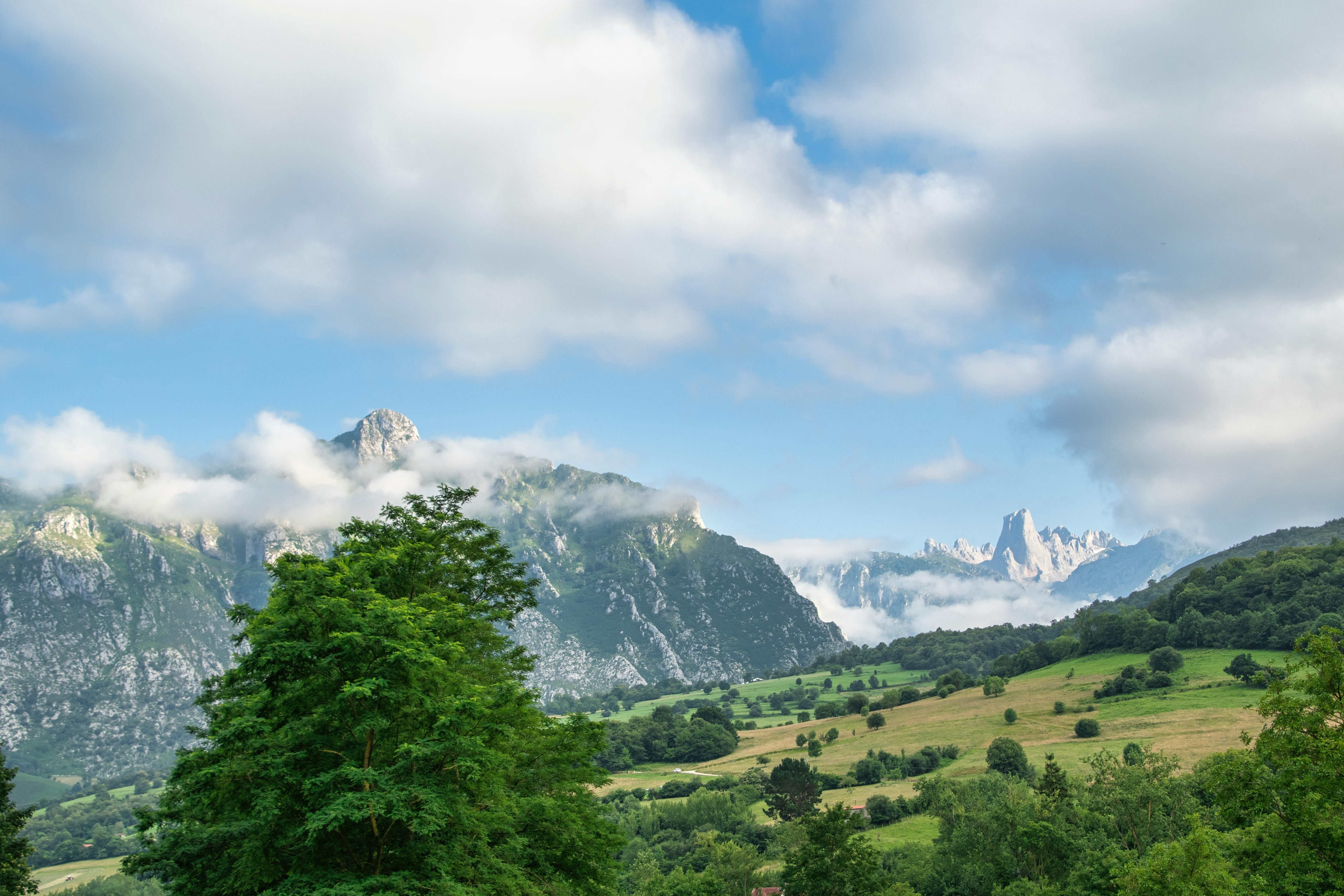
Hidden Gems of Iberia: Portugal, Galicia, Asturias
Atlantic Iberia at half the Barcelona price — Braga's UNESCO sanctuary, Santiago's cathedral, Oviedo's pre-Romanesque monuments, Roman walls in Lugo. Concrete fares, named towns, EUR prices.
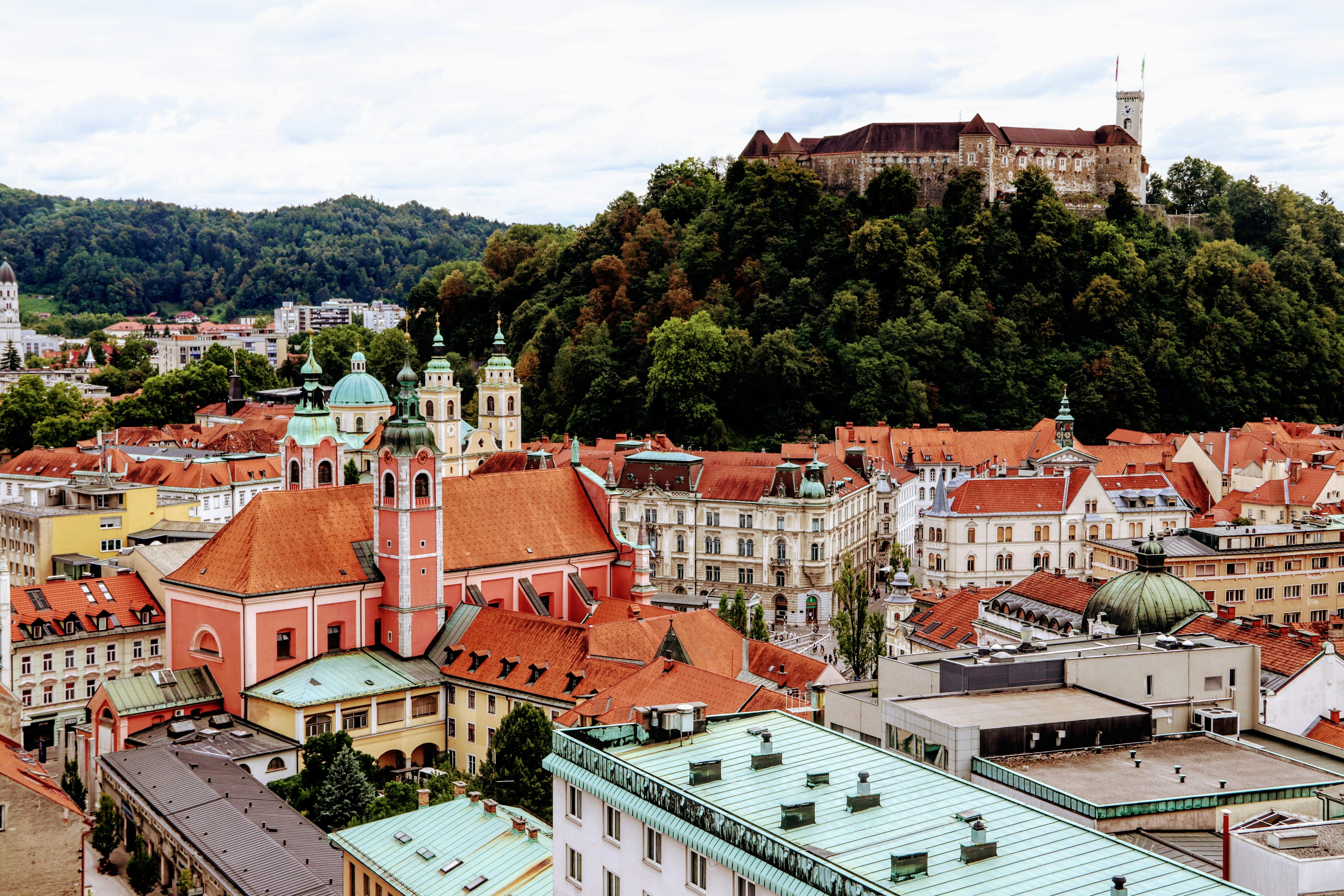
Underrated European Capitals: 12 You Should Visit
Twelve European capitals worth picking over London or Paris — Ljubljana, Riga, Tirana, Sarajevo and beyond. EUR daily budgets, named neighborhoods, transport from major hubs.
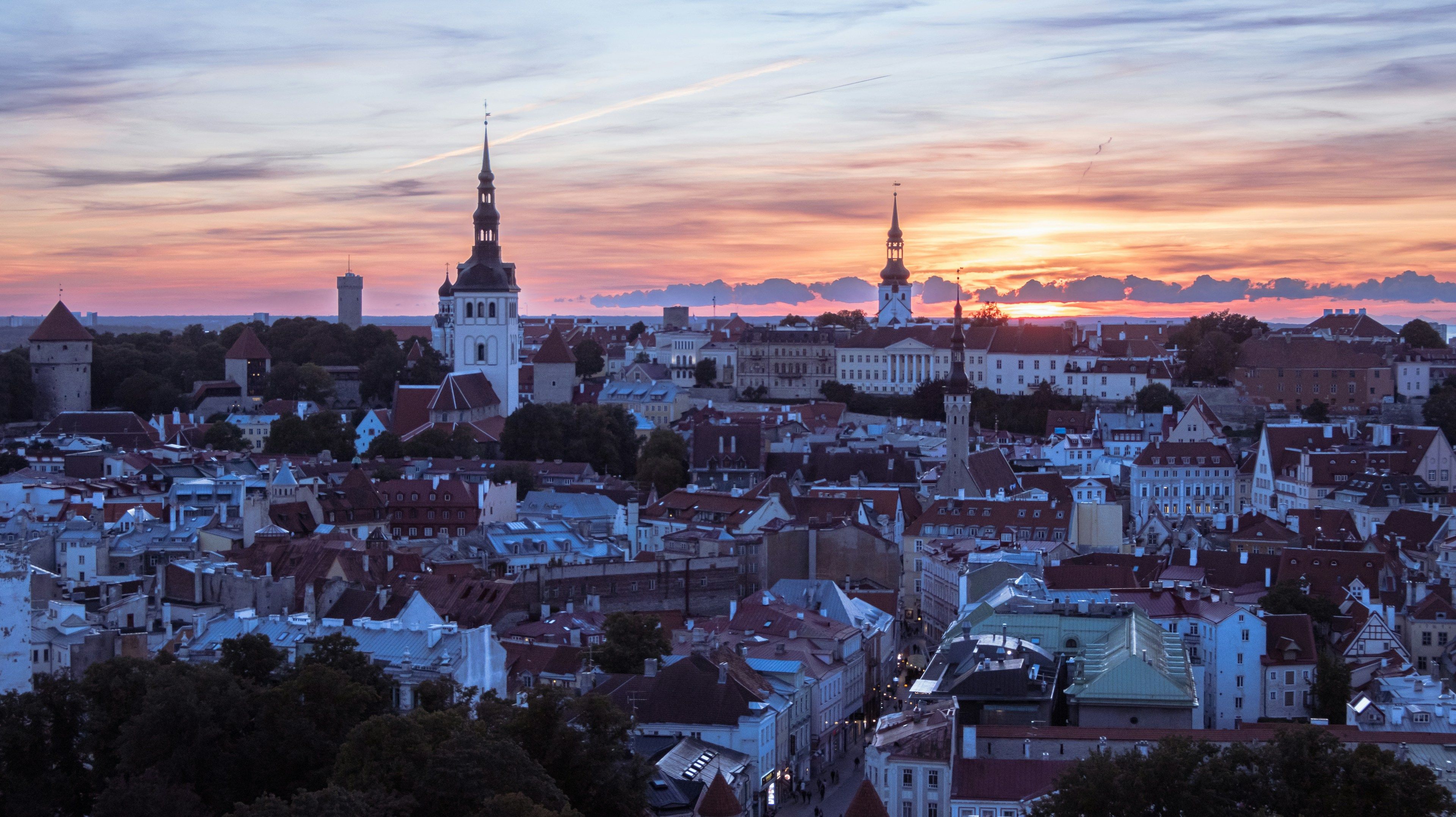
Hidden Gems of Eastern Europe: A 12-City Tour
Twelve underrated cities from the Baltics to the Adriatic — UNESCO old towns, Habsburg cafés, Ottoman bazaars and Soviet-era curiosities. Concrete fares, named neighborhoods, EUR prices.