
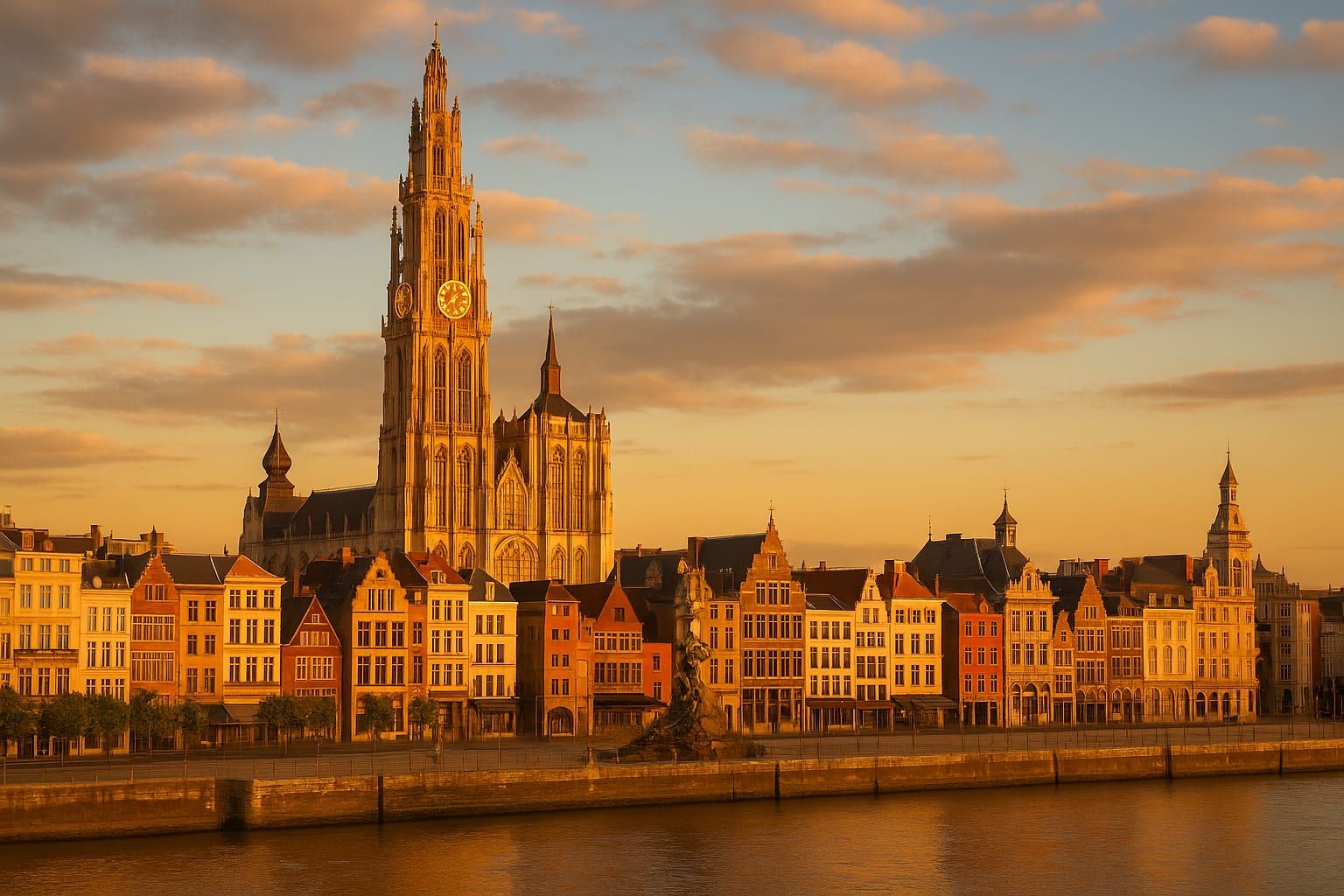
Discover Antwerp's glittering history, thriving arts scene, and practical travel tips— from the famed Diamond Quarter to Rubens’ masterpieces and local foodie finds.
Antwerp: Belgium's Diamond in the Rough
Antwerp is a city of contrasts: an old port with a daring modern skyline, a quiet medieval core that hums with fashion-forward energy, and a global diamond market tucked between cafés and cathedrals. Visitors arrive for the jewelry and stay for the art, food and unexpectedly cool neighborhoods.
Below is a practical, insider-friendly guide to getting the most out of Antwerp—where to go, what to eat, how to explore the Diamond Quarter responsibly, and tips to travel like a local.
Why Antwerp deserves a second look
Often overshadowed by Brussels, Bruges and Ghent, Antwerp twinkles with its own identity. It’s one of Europe’s busiest ports and one of the world’s most important diamond hubs: historically the Diamond Quarter (Diamantkwartier) handled well over 80% of the world’s rough diamonds, and in years like 2017 the city traded hundreds of millions of carats. But Antwerp is much more than diamonds. It’s a cultural capital with Baroque masterpieces by Peter Paul Rubens, a thriving fashion scene (the Antwerp Six), and a dynamic food and café culture.
If you love architecture, art, design, and shopping for unique finds, Antwerp rewards curiosity.
Quick practical facts
- Language: Flemish (Dutch) is primary; French and English widely understood.
- Currency: Euro (EUR).
- Best time to visit: Spring (April–June) and early autumn (September–October) for mild weather and fewer crowds.
- Getting there: 40–50 minutes by train from Brussels; 2–3 hours from Paris or Amsterdam by rail.
- Local transit: Trams and buses run by De Lijn; compact central area is very walkable.
Getting oriented: neighborhoods that matter
Old Town & Grote Markt
The historic heart with the Gothic Cathedral of Our Lady (Onze-Lieve-Vrouwekathedraal), ornate guild houses and the Grand Place (Grote Markt). This is where Rubens’ spirit and medieval Antwerp intersect.
Diamond Quarter (Centraal–Eiermarkt area)
A maze of offices, showrooms and vaults. It’s busy on weekdays and more relaxed on weekends. Respect the strict security culture: photography is sometimes restricted and many diamantaires are Orthodox Jewish—approach interactions with courtesy.
Zuid (South)
A creative, gallery-rich district with cafés, boutique shops and contemporary architecture. Great for evenings and a less touristy vibe.
Centraal Station & Chinatown
Antwerp Central Station is often called one of the world’s most beautiful railway stations. The nearby train-park area and zoo (one of Europe’s oldest) are also worth a stroll.
Eilandje & the MAS
The dockside Eilandje district houses the Museum aan de Stroom (MAS), a spectacular museum and viewing terrace overlooking the River Scheldt and port.
Must-see sites (and how to visit them)
Cathedral of Our Lady (Onze-Lieve-Vrouwekathedraal)
Home to several Rubens masterpieces. Arrive early to avoid crowds and linger to appreciate the soaring nave and Flemish Baroque paintings.
Rubenshuis
The restored home and studio of Peter Paul Rubens— a must for art lovers and a vivid glimpse into 17th-century Antwerp.
MAS (Museum aan de Stroom)
A museum of Antwerp’s history, trade and maritime power. The building’s layered terraces offer one of the best panoramic city views.
Plantin-Moretus Museum
A UNESCO-listed museum celebrating the early printing press and book culture—especially interesting if you love history and craftsmanship.
ModeMuseum (MoMu)
Antwerp’s fashion museum celebrates the city’s influential designers and rotating exhibitions.
Antwerp Central Station
Not just transit: it’s an architectural highlight. Don’t rush past—take photos and, if you can, ride the escalators for a grand view.
The Diamond Quarter: what to know before you go
Antwerp’s Diamond Quarter is a functioning commercial center, not just a tourist attraction. Here are practical tips:
- Many dealers work by appointment; window-shopping is possible, but for serious purchases arrange meetings in reputable showrooms.
- Expect tight security and private courtyards. Photography may be restricted—ask first.
- Certifications matter: always request a grading report from a recognized laboratory (GIA, HRD, IGI). HRD Antwerp historically plays a large role in the local trade.
- If you plan to buy, understand VAT refund rules if you’re a non-EU resident and get a receipt and export paperwork.
- Guided diamond tours exist—choose a reputable operator if you want insider context rather than a hard-sales pitch.
Food, drink and local flavors
Antwerp’s culinary scene blends classics with creativity.
- Street eats: Try fries (frites) with a dollop of andalouse or samurai sauce, and waffles from local vendors.
- Beer culture: Belgian breweries and beer bars abound—sample local Trappist and craft offerings.
- Seafood: Mussels (moules) and North Sea fish are regional favorites.
- Chocolate & sweets: Boutique chocolatiers and local patisseries make exploring dessert a joy.
- Coffee: Antwerp takes coffee seriously—seek out specialty cafés and roasters. For broader context on Europe’s café culture, see our guide to the best coffee cities in Europe.
Dining neighborhoods: the Zuid offers great restaurants and bars; the Old Town has classic bistros around the Grote Markt.
A suggested 3-day itinerary
Day 1: Historic core
- Morning: Cathedral of Our Lady and Grote Markt.
- Lunch: Flemish stew or a seafood plate in a nearby brasserie.
- Afternoon: Rubenshuis then wander the cobbled lanes.
- Evening: Drinks in the Zuid.
Day 2: Diamonds & Design
- Morning: Explore the Diamond Quarter—book a tour or visit a museum/exhibit about the trade.
- Afternoon: ModeMuseum (MoMu) and shopping along Nationalestraat.
- Evening: Dinner at a bistro near the Scheldt.
Day 3: Port, MAS and neighborhoods
- Morning: MAS museum and terrace views. Walk the Eilandje docks.
- Afternoon: Centraal Station, the zoo (or a river cruise), and late coffee in the Chinatown district.
- Evening: Seek a beer café and plan a relaxed final night.
If you want to extend your trip, Brussels is an easy day trip—see our compact guide to 48 Hours in Brussels for itineraries and tips.
Practical travel tips & local insights
- Money: Cards are widely accepted, but some cafés and markets are cash-first—carry small bills and coins.
- Tipping: Service is generally included; a small extra tip for great service is appreciated.
- Safety: Antwerp is generally safe, but exercise normal caution in busy tourist areas and be discreet around the Diamond Quarter.
- Photography: Ask before photographing inside private showrooms and be mindful of religious communities.
- Public holidays: Shops and some museums may have limited hours on Sundays and public holidays.
- Local etiquette: A few words in Flemish (dag = hello, bedankt = thanks) go a long way with locals.
Buying a diamond in Antwerp: a short buyer’s guide
If you’re thinking of buying a diamond in Antwerp, these local insights will help:
- Do your homework: Know the 4 Cs (cut, color, clarity, carat). Ask for a lab report and verify the details.
- Reputable suppliers: Prefer established dealers with clear shopfronts and verifiable references.
- Certificates: Look for grading from recognized labs (GIA, HRD, IGI). For high-value stones, consider independent appraisal.
- Negotiation: Prices can be negotiable—ask courteously. Expect firms to offer secure shipping and insurance for international buyers.
- VAT & export paperwork: If you’re a non-EU resident, ask about VAT reclaim procedures before purchase and keep all paperwork.
Day trips and combining destinations
Antwerp’s central location makes it a great base for short trips to other Belgian gems. For comparison and ideas, you may enjoy our guide on Bruges vs Ghent if you’re choosing which medieval city to visit next.
Where to stay (neighborhood recommendations)
- For first-timers: Stay near the Old Town or near Centraal Station for convenience and walking access to major sights.
- For nightlife and dining: The Zuid offers trendy hotels, galleries and restaurants.
- For a quieter, local feel: Choose a boutique guesthouse in Zuid or the Eilandje area.
Practicalities: transport and accessibility
- Trains: Antwerp Central connects regionally and internationally. Tickets can be booked via Belgian Rail (SNCB/NMBS).
- Trams & buses: Efficient for short city hops—buy tickets in stations, via machine or mobile apps.
- Walking: The central districts are compact; comfortable shoes are recommended for cobbles and medieval streets.
- Biking: Bike lanes exist; consider a rental for exploring beyond the core.
Final thoughts: Antwerp’s lasting sparkle
Antwerp has a layered personality: part world-class trade center, part intimate historic city, and part edgy creative hub. Whether you come for the diamonds or the art (or both), the real gem is the city’s capacity to surprise—small museums, neighborhood cafés, and unexpected architectural details. Treat Antwerp like a city to be discovered on foot, with time to sit for coffee, browse a boutique, and let the river views and historic squares sink in.
Pack a pair of comfortable shoes, an appetite for design and chocolate, and an open mind—Antwerp will reward you with its quiet brilliance.
Happy travels, and enjoy uncovering Belgium’s diamond in the rough.
Related
Written by
City Voyager
City Voyager is a team of travel writers and explorers dedicated to uncovering hidden gems, local culture, and authentic experiences in cities around the world.
Keep Exploring
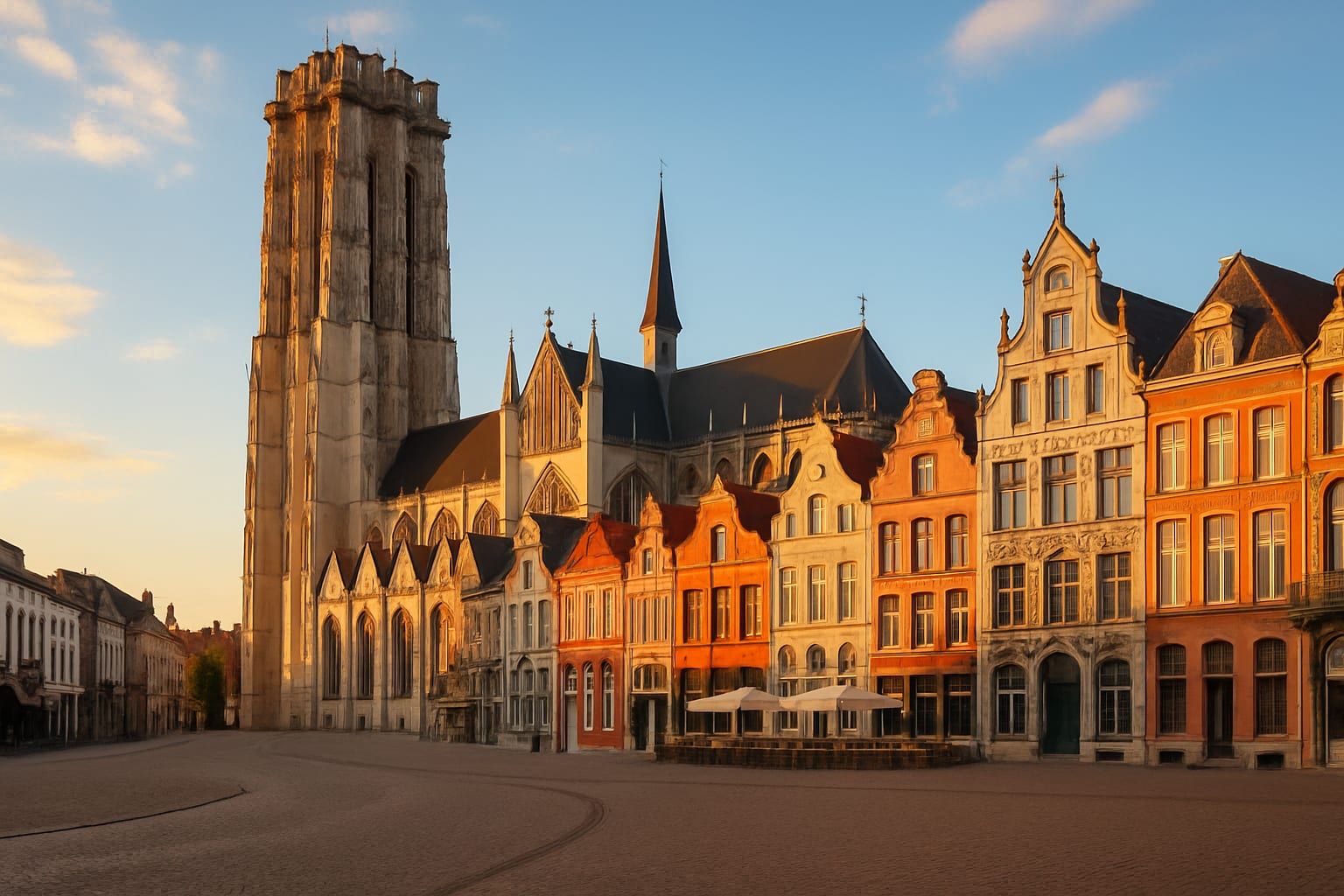
Mechelen: Belgium's Best-Kept Secret
Nestled between Brussels and Antwerp, Mechelen is a compact, medieval city with soaring towers, a vibrant beer scene, peaceful beguinages and river paths — Belgium without the crowds.
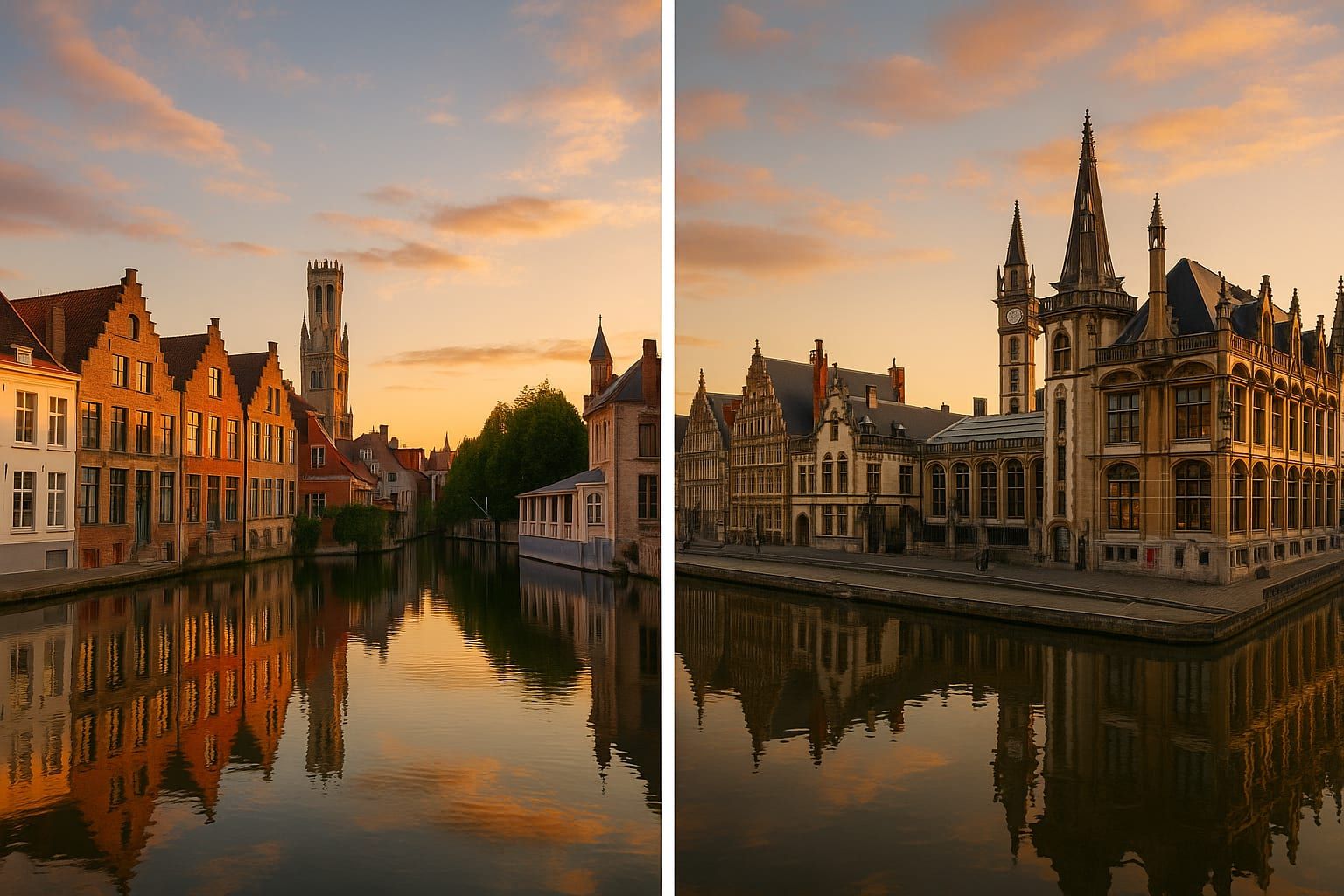
Bruges vs Ghent: Belgium's Tale of Two Cities
A side-by-side guide to Bruges and Ghent—history, canals, food, nightlife and practical tips to help you choose which Flemish city best fits your trip.
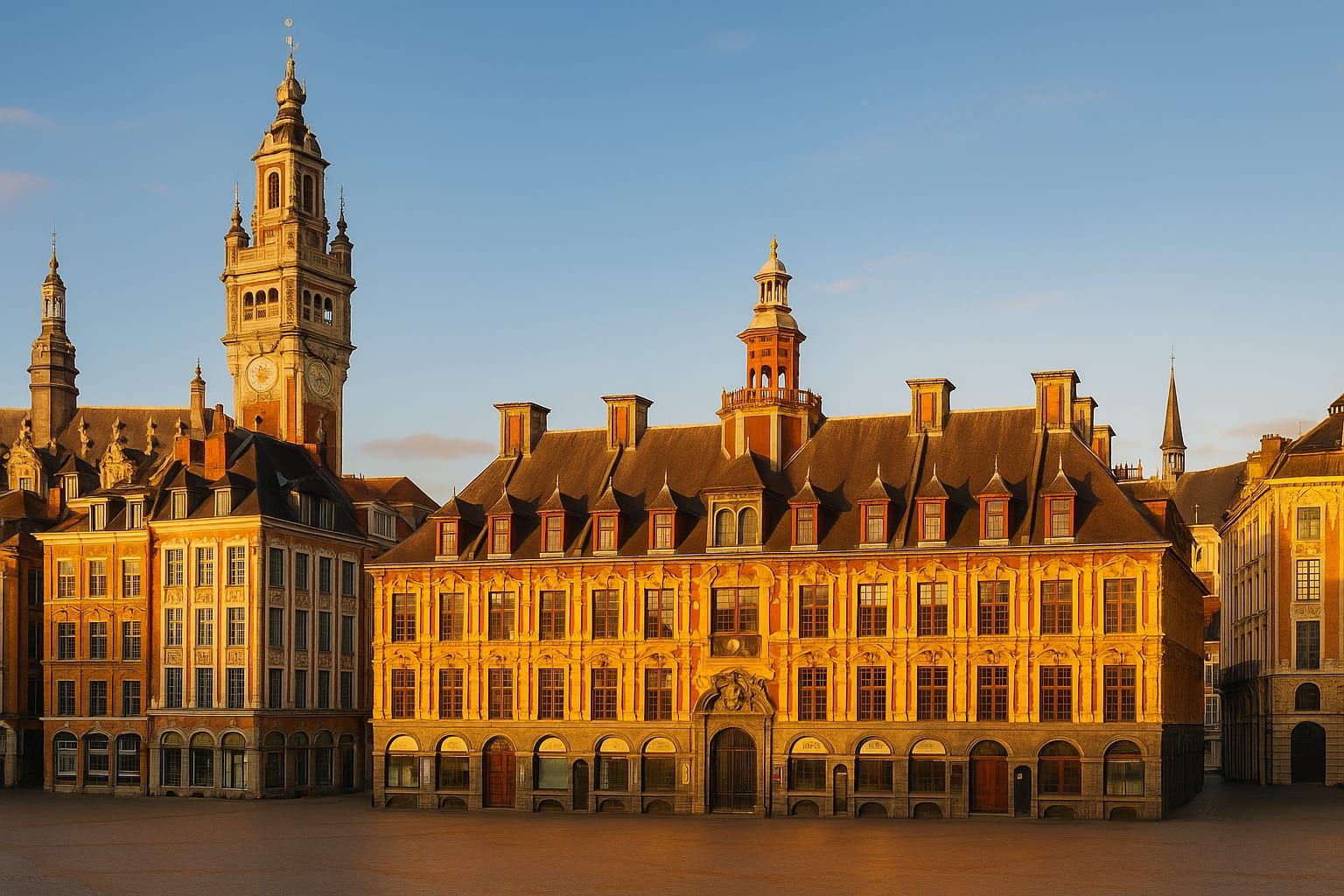
Lille: Northern France's Cultural Powerhouse
Discover Lille — a lively northern French city where Flemish brick facades, world-class museums, buzzing markets and year-round festivals make culture part of daily life.