
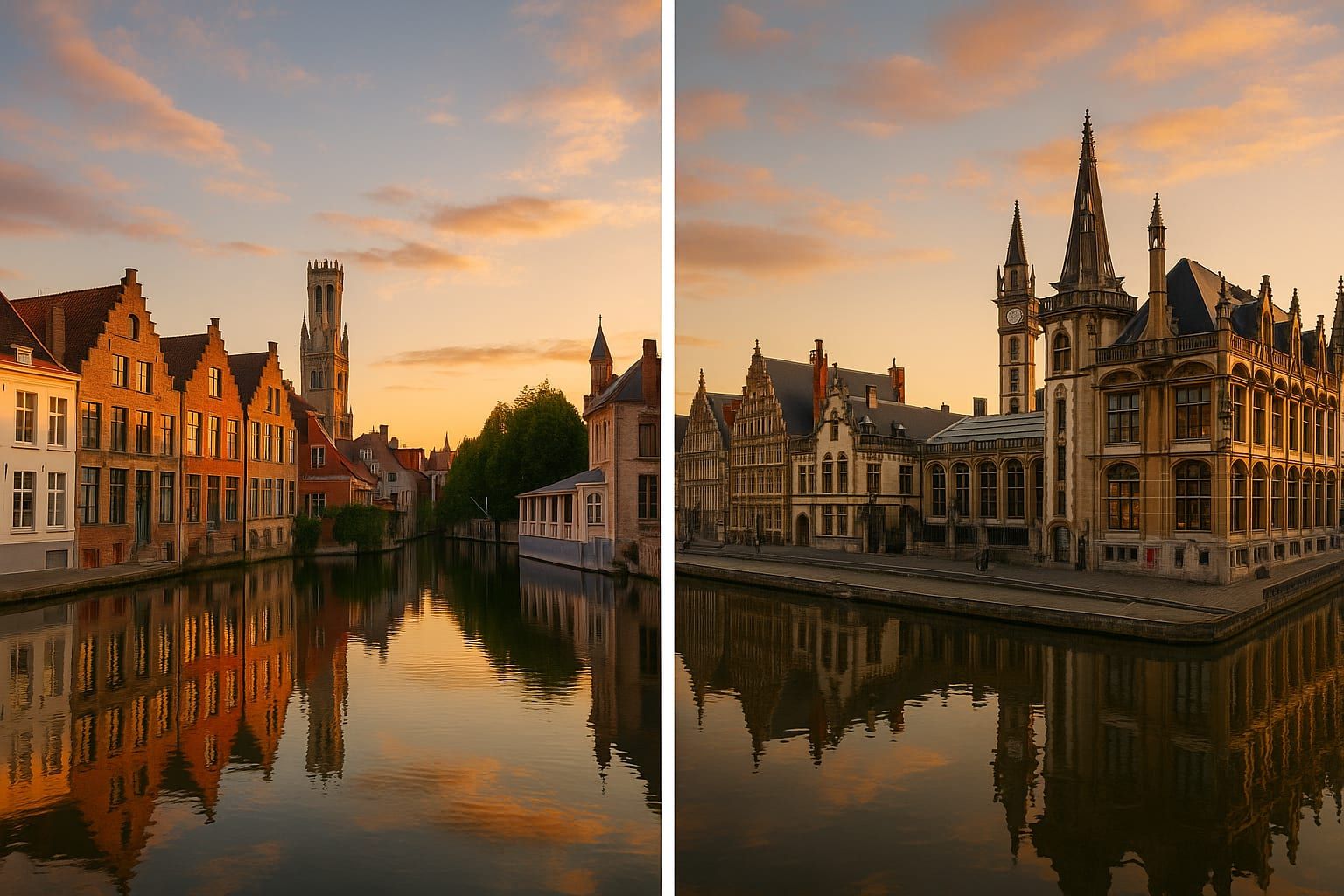
A side-by-side guide to Bruges and Ghent—history, canals, food, nightlife and practical tips to help you choose which Flemish city best fits your trip.
Bruges vs Ghent: Belgium's Tale of Two Cities
Two hours by train, two very different moods. Bruges and Ghent are often paired on itineraries through Flanders, and visitors quickly discover why: both offer stunning medieval architecture, winding canals and excellent food and beer. But beyond the postcards, each city has a distinct personality that will shape your visit.
This guide compares sights, atmosphere, transport, food and practical tips to help you decide where to stay and how to split your time—and shows how easy it is to visit both.
Quick comparison at a glance
- Vibe: Bruges = storybook medieval; Ghent = lively university city with an authentic local scene.
- Crowds: Bruges draws more tourists year-round; Ghent feels more like a working city with pockets of visitors.
- Best for: Bruges for fairytale streets and canals; Ghent for culture, nightlife and offbeat neighborhoods.
- Practical base: Ghent is better as a multi-day base (good transport links); Bruges is perfect for a day trip or a romantic overnight.
Getting there and getting around
From Brussels and between cities
Belgium's rail network is efficient. From Brussels Central or Midi, trains to Ghent take around 30–40 minutes; trains to Bruges take roughly an hour. Direct trains between Ghent and Bruges are frequent and take 25–40 minutes depending on service—making a day trip between them effortless.
Taxis and regional buses are available, but trains are usually faster and more frequent. If you plan multiple train trips, consider buying point-to-point tickets or a rail pass depending on your itinerary.
Moving around within each city
Both cities are compact and best explored on foot. Ghent is particularly bike-friendly (and you'll see many locals cycling); renting a bike for a half-day is a great way to discover neighborhoods. Bruges’ medieval center is cobblestoned and narrow—walking is more pleasant than cycling if the streets are busy.
Public transport (buses, trams in Ghent) fills gaps, but most highlights are walkable.
Bruges: highlights, atmosphere and tips
Bruges (Brugge) looks much like the picture you imagine: stepped gables, frozen-in-time canals, horse-drawn carriages and wide cobbled squares. If your goal is an almost cinematic medieval experience, Bruges delivers.
Must-see sights
- Markt and the Belfry (Belfort): climb the tower for sweeping views of the old town.
- Burg Square and the Basilica of the Holy Blood: a mix of civic splendor and sacred heritage.
- Groeningemuseum: Flemish primitives and early Netherlandish painting.
- De Halve Maan brewery: a family-run brewery in the center—tours explain Bruges’ beer history.
- Begijnhof: a peaceful walled courtyard perfect for a quiet stroll.
- Canal boat tour: a classic way to see the city from the water.
Atmosphere and when to go
Bruges can feel like an open-air museum—charming but sometimes crowded. The best times to visit are early morning (sunrise by the canals is magical) or late evening when day-trippers have left and the streets glow under lamp light. Shoulder seasons—spring and autumn—deliver pleasant weather with fewer crowds.
Practical tips for Bruges
- Time your visit: Arrive early to enjoy quieter streets and better photos.
- Footwear: bring sturdy shoes for cobbles and occasional wet stones near canals.
- Tourist concentration: the central island is compact. If you want a quieter stay, book accommodation slightly away from Markt.
Ghent: highlights, atmosphere and tips
Ghent (Gent) blends medieval grandeur with a gritty, contemporary energy. It’s a university city with a thriving cultural scene, lively nightlife and a feeling that residents actually live here—shops, cafés and bars are as likely to serve locals as tourists.
Must-see sights
- Gravensteen Castle: a medieval fortress right in the center with interactive displays and great city views.
- St Bavo’s Cathedral (Sint-Baafskathedraal): home to the famous Van Eyck masterpiece, the Adoration of the Mystic Lamb.
- Graslei & Korenlei: photogenic quays along the Lys river—best enjoyed from a terrace or boat.
- Patershol: historic cobbled quarter with atmospheric streets and excellent restaurants.
- Contemporary arts: SMAK and MSK for modern and classic collections; street art appears around Ghent’s neighborhoods.
Atmosphere and when to go
Ghent feels younger and more local than Bruges—students lend energy to cafés and bars, and a strong arts scene keeps things interesting. It’s a great destination year-round: spring and autumn bring mild weather and fewer tourists, while summer offers festivals and longer evenings.
Practical tips for Ghent
- Rent a bike: explore canal-lined neighborhoods quickly and like a local.
- Food scene: Ghent is known for creative restaurants and vegetarian-friendly options—it's often described as a foodie city.
- Evening life: Ghent’s nightlife is authentic; aim to wander streets like Vrijdagmarkt or the areas near the university for lively bars.
(For a deeper dive on Ghent’s charms, see our dedicated guide: Ghent: Belgium's Most Underrated Medieval City.)
Food, drink and local flavors
Belgium’s culinary strengths—beer, chocolate, fries and waffles—are readily available in both cities, but the presentation differs.
- Beer: both cities offer fantastic beer scenes. Bruges has historic breweries and tourist-friendly beer bars; Ghent mixes traditional brown cafés with modern brewpubs and creative microbreweries.
- Chocolate & sweets: Bruges is famous for chocolatiers and lace shops; it’s a great place for artisanal chocolate shopping. Ghent also has excellent chocolatiers but tends to be less overtly commercial.
- Local cuisine: try Flemish stews, mussels, and fries with mayonnaise. Ghent has a notable vegetarian scene and many contemporary restaurants.
- Coffee culture: Ghent’s café scene is vibrant and local-focused—great for lingering. (If coffee culture is a priority on your trips, you may also enjoy our round-up of top European coffee cities: [/en/food-drink/best-coffee-cities-europe].)
Where to stay: neighborhoods and tips
Bruges
- Near the Markt/Burg: ideal for first-timers who want to be in the heart of the action. Expect higher prices and more tourists.
- The canal belt: romantic and scenic—perfect for short romantic breaks.
- Outskirts (Sint-Michiels): quieter and often better value, still within walking distance.
Ghent
- Patershol: atmospheric cobbled streets and excellent dining options.
- Near the Graslei/Korenlei or along the Lys: central, scenic and close to main sights.
- Student quarters (Rabot, around the university): cheaper options and lively local bars.
General tip: book hotels well in advance during summer and major festival dates. If you prefer fewer tourists and slightly lower prices, choose Ghent as your overnight base and make Bruges a day trip.
Suggested itineraries
One-day: Bruges or Ghent
- Bruges: Market Square, Belfry climb, Basilica of the Holy Blood, canal boat, chocolate tasting and an evening stroll around the canals.
- Ghent: Gravensteen, St Bavo’s Cathedral (see the Van Eyck), walk the Graslei, lunch in Patershol and an evening beer in a local brown café.
Two days: pick one city
- Bruges: Day 1—Market, Belfry, Groeninge Museum, boat tour; Day 2—Begijnhof, De Halve Maan brewery tour and a relaxed afternoon exploring canals and shops.
- Ghent: Day 1—Gravensteen, Graslei, St Bavo’s and museum hop; Day 2—bike the city, visit SMAK or MSK, and explore local neighborhoods and markets.
Three days: both cities
- Day 1—Arrive in Ghent, explore the center and evening out.
- Day 2—Full day in Ghent: museums, castle and nightlife.
- Day 3—Train to Bruges early, see the highlights and return by evening (or stay overnight in Bruges).
If you’re plotting a longer Belgian circuit, both cities sit comfortably within a larger Belgium itinerary—Bruges pairs well with coastal towns; Ghent is an excellent hub for exploring Antwerp and Leuven.
(If you're short on time but want more trip ideas across Europe, check our shortlist of weekend escapes: [/en/weekend-getaways/best-long-weekend-destinations-europe].)
Practical travel tips & local insights
- Language: Dutch (Flemish) is the regional language, but English is widely spoken in both cities, especially in tourism and hospitality.
- Currency: Euro. Credit cards are accepted widely, but smaller cafés and markets may prefer cash—carry a small amount.
- Tourist cards: both cities offer city cards that include public transport and museum entry—worth checking if you plan museum-heavy days.
- Peak seasons: summer and holiday weekends bring crowds. For quieter experiences, visit in shoulder seasons (April–June, September–October). December offers atmospheric Christmas markets—Bruges can feel especially festive.
- Safety: both cities are safe; normal urban precautions apply (watch bags in busy areas, avoid poorly lit backstreets late at night).
- Photography: early morning and late evening deliver the best light and fewer people for canal shots—this is especially true in Bruges.
Local insight: If you want an authentic Belgian night out, pick a small brown café away from the main squares and ask what the locals are drinking. In Ghent, strike up a conversation in a student bar; in Bruges, join an evening walk by the canals when the tour groups disperse.
Which city should you choose?
- Choose Bruges if you want a romantic, picture-perfect medieval town focused on history, canals and iconic sights. It’s ideal for short stays, couples and first-time travelers who want a fairytale experience.
- Choose Ghent if you prefer a living city with strong cultural offerings, varied dining, active nightlife and fewer overt tourist trappings. Ghent is better as a base for exploring the region and staying longer.
If you can’t pick, the good news is you don’t have to: both are close enough for an easy day trip between them, and visiting both gives you the full spectrum of Flemish charm.
Final thoughts
Bruges and Ghent are two sides of the same Flemish coin—both beautiful, both historic, but offering different travel experiences. Bruges feels like a carefully preserved medieval stage; Ghent feels like an evolving city with a past and a vibrant present. Whether you’re drawn to tranquil canals and chocolate shops or castles, contemporary culture and buzzing student life, Flanders rewards a slower pace: sit at a quay-side café, order a local beer, and let the cities reveal themselves.
Happy travels—may your photos look great and your fries be perfectly crispy.
Related
Written by
City Voyager
City Voyager is a team of travel writers and explorers dedicated to uncovering hidden gems, local culture, and authentic experiences in cities around the world.
Keep Exploring
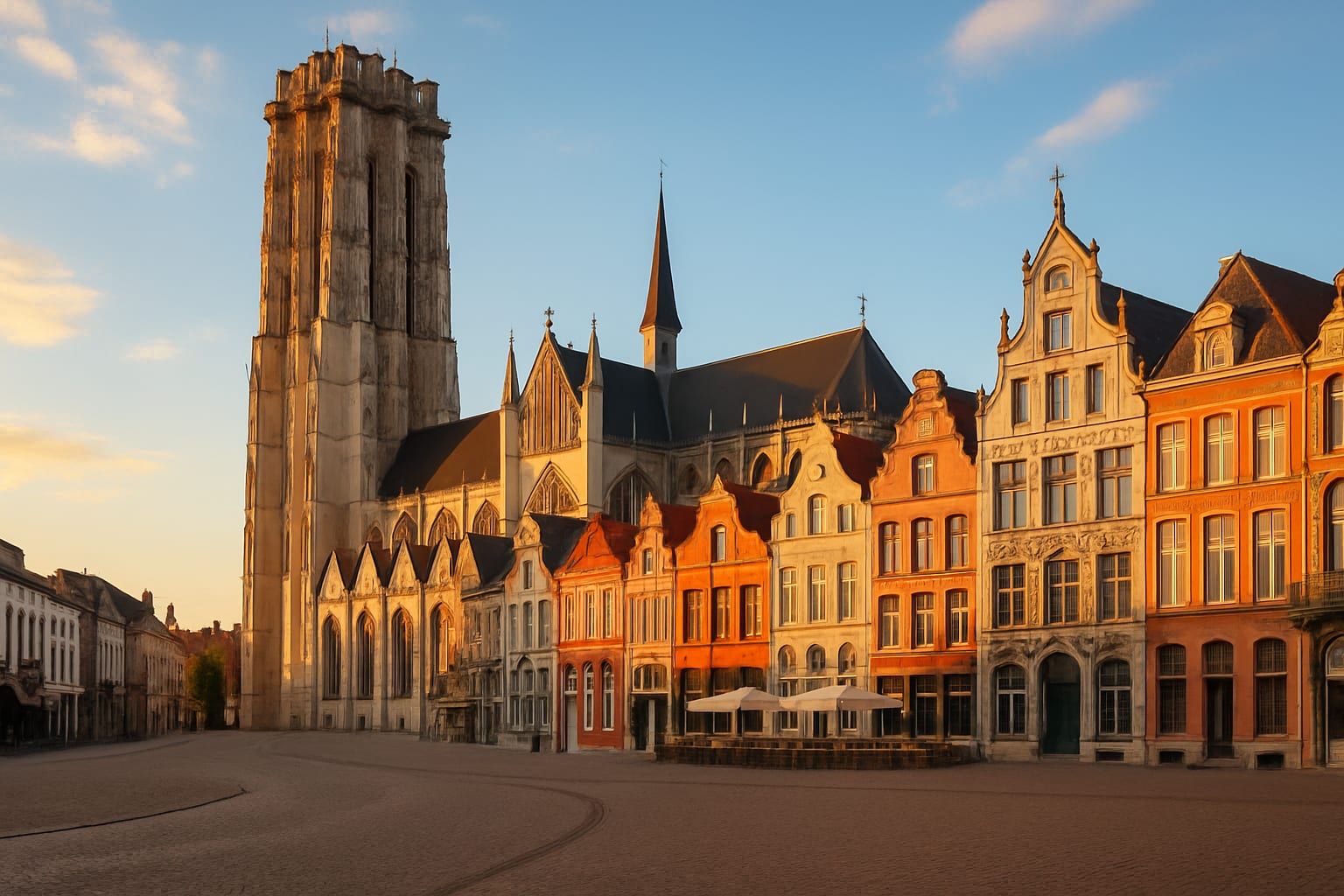
Mechelen: Belgium's Best-Kept Secret
Nestled between Brussels and Antwerp, Mechelen is a compact, medieval city with soaring towers, a vibrant beer scene, peaceful beguinages and river paths — Belgium without the crowds.
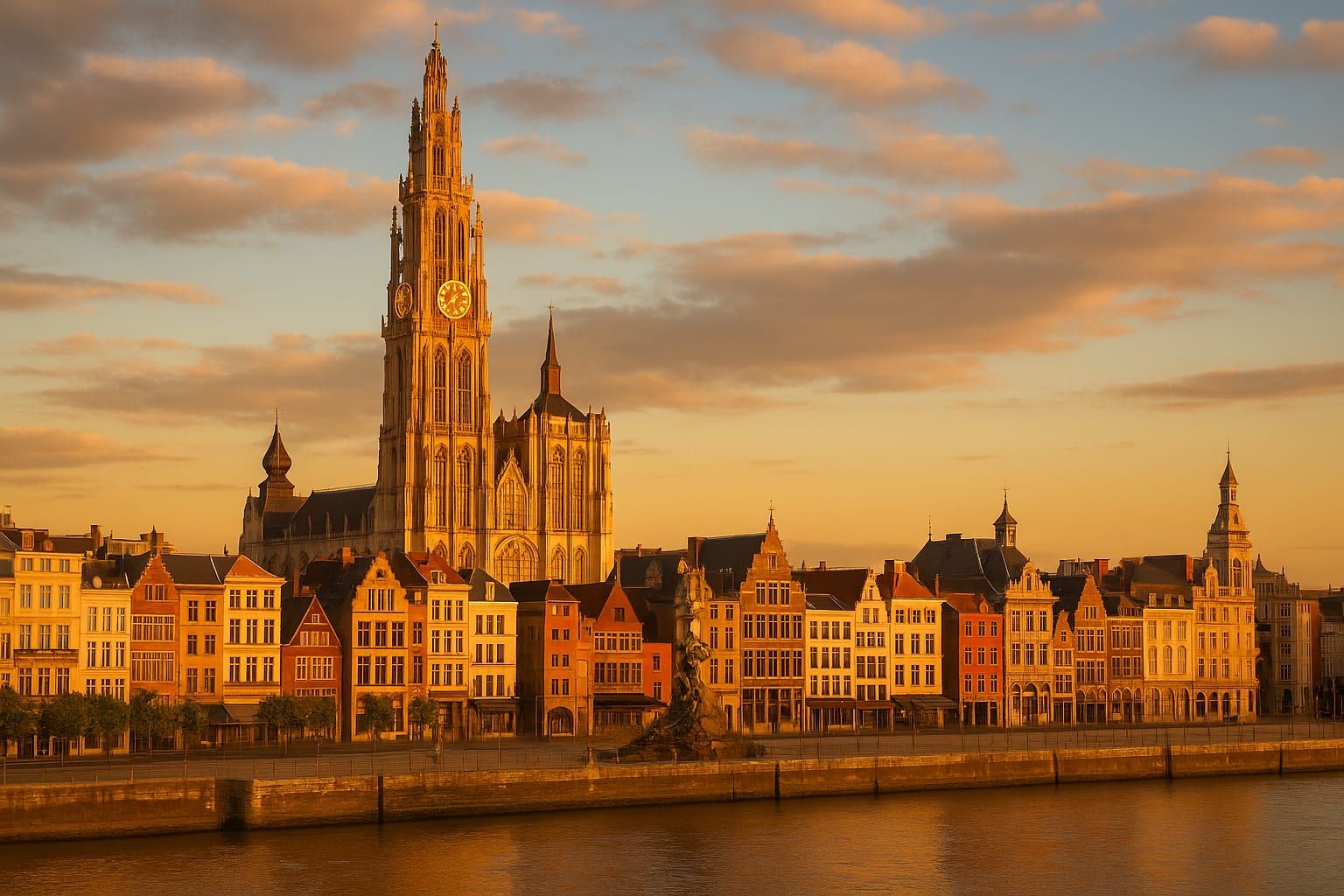
Antwerp: Belgium's Diamond in the Rough
Discover Antwerp's glittering history, thriving arts scene, and practical travel tips— from the famed Diamond Quarter to Rubens’ masterpieces and local foodie finds.
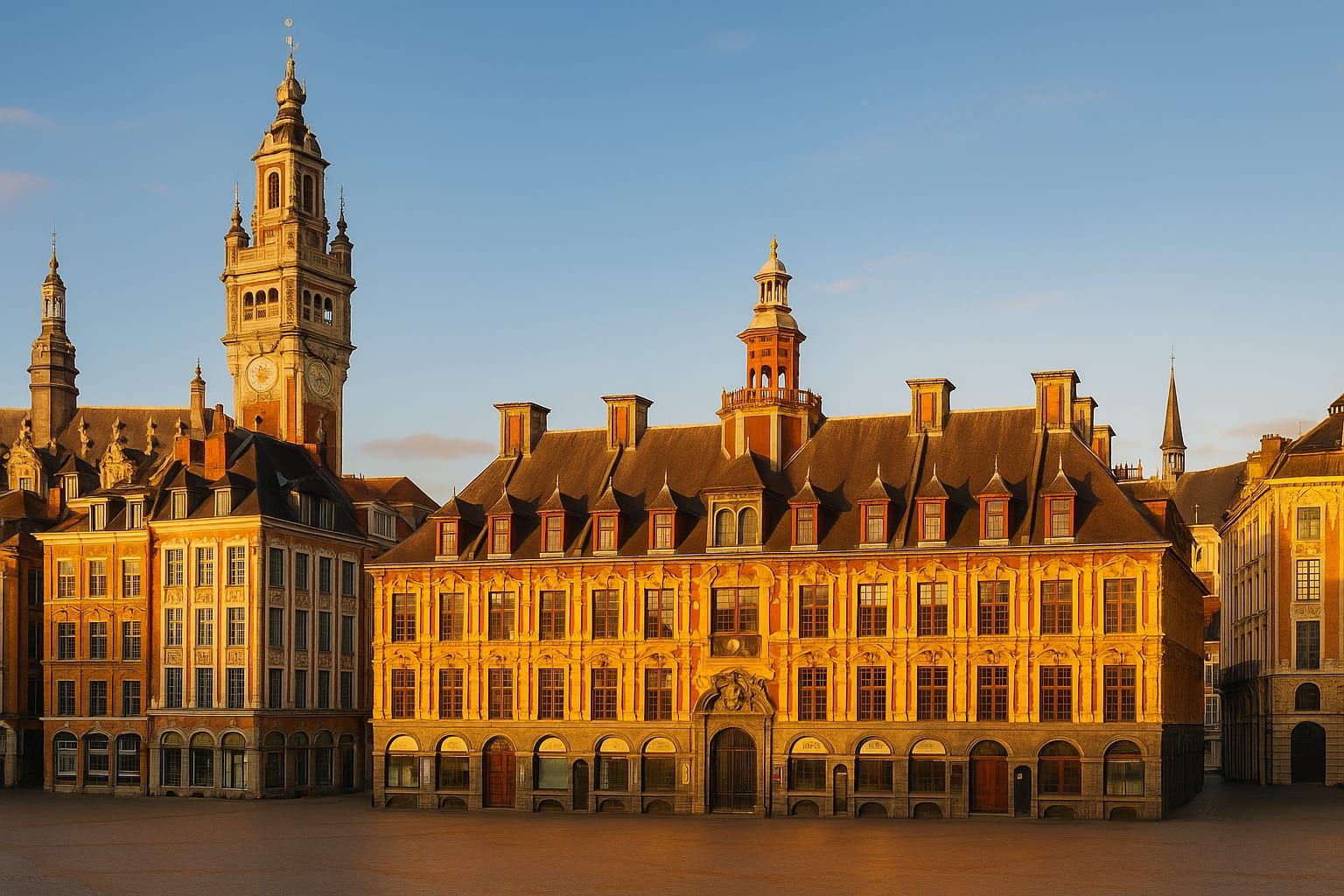
Lille: Northern France's Cultural Powerhouse
Discover Lille — a lively northern French city where Flemish brick facades, world-class museums, buzzing markets and year-round festivals make culture part of daily life.