
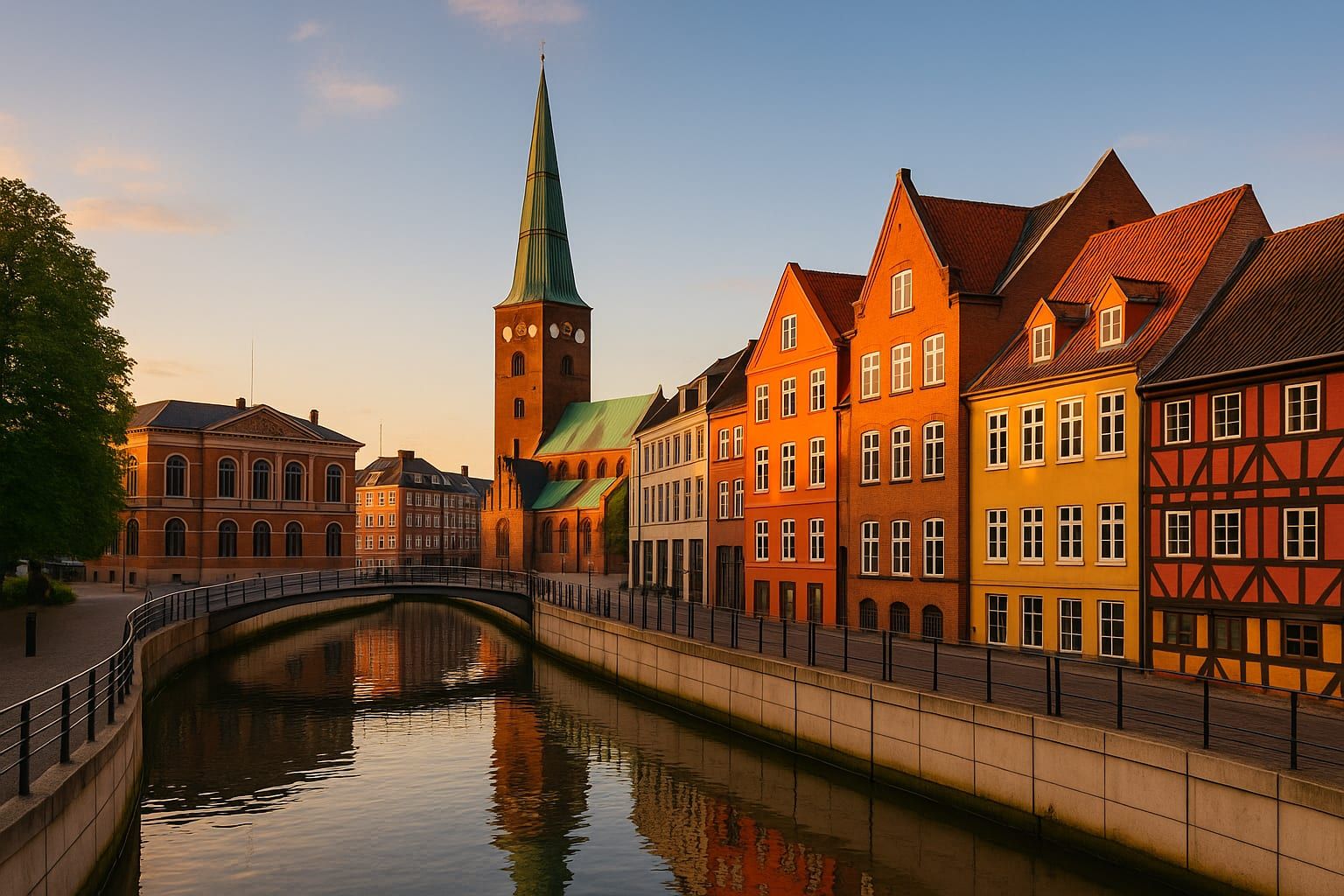
Aarhus: Denmark's Second City, First in Culture
Discover Aarhus — a youthful, design-driven Danish city where Viking history meets cutting-edge art, world-class food and effortless coastal living. Practical tips included.
Aarhus: Denmark's Second City, First in Culture
Aarhus wears many comfortable hats: university town, creative hub, harbour playground and gateway to the gentle landscapes of eastern Jutland. Denmark’s second-largest city is compact enough to explore on foot or by bike, yet rich with museums, contemporary architecture, café culture and seaside escapes. This guide helps you experience the best of Aarhus — from iconic museums and timbered alleys to where locals eat, drink and catch the sun.
Why Aarhus matters
Aarhus blends deep history and energetic modern culture. You’ll find Viking roots and medieval streets alongside bold contemporary buildings such as ARoS Aarhus Art Museum (famous for the circular "Your Rainbow Panorama") and the sculptural Moesgaard Museum outside the city. The city’s youthful population — driven by Aarhus University — keeps the creative scene lively year-round: galleries, experimental restaurants and festivals like Aarhus Festuge (Aarhus Festival) make it feel continually fresh.
Aarhus also earned international attention when it was European Capital of Culture in 2017, an accolade that accelerated investment in public spaces, waterfront redevelopment and cultural venues. The result is a city that feels both established and newly adventurous.
Top attractions (don’t miss)
ARoS Aarhus Art Museum
A striking contemporary museum crowned by Olafur Eliasson’s rainbow walkway. The permanent and temporary exhibitions make ARoS an essential stop for modern art lovers and photographers.
Den Gamle By (The Old Town)
An open-air museum of reconstructed Danish townscapes from different eras. Costumed interpreters, reconstructed shops and period homes create an immersive glimpse into urban life across centuries.
Moesgaard Museum
Set outside the city in a dramatic modern building with a grass-covered roof, Moesgaard’s archaeological and anthropological exhibits — including immersive Viking-era displays — are world-class. It’s also a scenic spot for walking trails.
Aarhus Cathedral and Latin Quarter
The medieval cathedral, with its 15th-century frescoes, anchors the charming Latin Quarter — narrow streets filled with boutiques, cafés and timbered houses that are perfect for wandering.
The Harbour & Aarhus Ø
The regenerated harbour is a lively mix of culture and leisure. Walk along the new waterfront, see the Iceberg buildings at Aarhus Ø, or relax at Dokk1 — a modern cultural centre and library.
Beaches, forests and the Infinite Bridge
A short ride from the centre you’ll find Bellevue Beach and the Infinite Bridge, a circular wooden walkway over the sea that’s perfect for photography and reflection. Marselisborg Forests offer trails and coastal promenades.
Food, drink and the local culinary scene
Aarhus punches above its weight gastronomically. New Nordic influences mingle with traditional Danish fare.
- Fine dining: Aarhus has Michelin-recognized restaurants as well as inventive tasting menus that spotlight local produce.
- Street food and markets: Food halls and markets, like Aarhus Street Food, are great for casual sampling — everything from smørrebrød to global flavours.
- Coffee culture: With plenty of small roasters and cosy cafes, Aarhus should appeal to readers of our guide to Best Coffee Cities in Europe.
- Local specialities: Try smørrebrød (open-faced sandwiches), fish dishes from the Kattegat and Jutland cheeses. Don’t miss trying craft beers from local microbreweries.
Insider tip: Book ahead for Michelin and popular new Nordic restaurants, especially on weekends.
Where to stay — neighbourhoods that fit different trips
- Latin Quarter / City Centre: Best for first-time visitors who want walkable access to shops, nightlife and historic streets.
- Frederiksbjerg: A residential area with cafés and markets, popular with locals and families.
- Aarhus Ø & the Harbour: Modern waterfront living, close to Dokk1 and contemporary architecture.
- Near the University / Risskov: Great for quieter stays and easy access to forested coastal paths.
Getting around
Aarhus is one of Europe’s most bikeable cities. Rental bikes and extensive cycle lanes make it a fast way to travel short distances. The compact centre is very walkable.
Public transport includes buses and a light rail (letbane) connecting neighbourhoods and suburbs. For longer journeys, DSB trains link Aarhus with Copenhagen and other Danish cities; the trip to Copenhagen takes roughly 3–4 hours by train.
Practical tip: Use a Rejsekort (travel card) or mobile ticketing for public transport. Many visitors find renting a bike the most convenient and authentic way to move around.
Best time to visit
- Summer (June–August): Warmest weather, long daylight hours, beach time and festivals. Expect crowds and higher prices.
- Spring / Early autumn: Mild weather, fewer tourists — ideal for museum visits, cycling and day trips.
- Winter: Crisp, atmospheric and cosy — perfect for hygge, museum days and short-break city trips. Note: some outdoor attractions have limited hours.
Events and the cultural calendar
- Aarhus Festuge (Aarhus Festival) — a multi-week celebration of art, music and theatre in late August/September.
- Jazz and music festivals — the city hosts numerous concerts year-round, reflecting its young, creative population.
- Christmas markets and seasonal events — smaller than Copenhagen’s but very charming.
Day trips and nature escapes
- Mols Bjerge National Park: Rolling hills, scenic hikes and dramatic coastal views — about an hour by car.
- Ebeltoft: A picturesque historic town with half-timbered houses and glasswork studios.
- Wineries & fruit wine producers: Explore small producers in Jutland for Danish fruit wines and scenic countryside.
You can also follow tranquil trails around the lakes outside the city for swimming and summer paddling; see more ideas in our piece on Best Lakes for Swimming in Europe.
Practical travel tips and local insights
- Currency & payment: Denmark uses the Danish krone (DKK). Cards are widely accepted — many places prefer card over cash.
- Language: Danish is the official language; however, most locals speak excellent English and are happy to help.
- Tipping: Not obligatory. Rounding up the bill or adding a small tip for great service is appreciated but not expected.
- Safety: Aarhus is safe and family-friendly; usual city-care precautions apply. Cyclists have right-of-way on many lanes, so be alert when walking in bike-heavy areas.
- Opening hours: Shops and attractions may close earlier than you expect, especially on Sundays. Museums and cafés typically have extended hours in summer.
- Connectivity: Free Wi‑Fi is common in cafés and public spaces; consider a local SIM for longer trips.
- Sustainable travel: Walk, cycle or use public transport — Aarhus is well set up for low-impact visitors.
Local insight: Embrace the slow pace. Danes prize hygge — a relaxed, convivial atmosphere — so allow time to linger in cafés, parks and at the harbour.
Sample itineraries
48 hours — Essential Aarhus
Day 1: Morning at ARoS (don’t miss the Rainbow Panorama). Lunch in the Latin Quarter. Afternoon at Den Gamle By. Evening: dinner at a modern Nordic restaurant and drinks near the harbour.
Day 2: Morning trip to Moesgaard Museum. Afternoon bike to Marselisborg Forests and Bellevue Beach. Sunset walk on the Infinite Bridge or along the harbour.
3 days — Culture, coast and countryside
Day 1: Museums and city centre highlights. Day 2: Moesgaard + coastal trails and beaches. Day 3: Day trip to Mols Bjerge or Ebeltoft; return for an evening concert or festival event.
Where locals go (off the beaten track)
- Trøjborg: A lively residential area north of the centre with student cafés, independent shops and a relaxed vibe.
- Godsbanen: A creative hub in an old freight depot with workshops, pop-up events and artist studios — a great place to catch experimental culture.
- Small harbour-side cafés and microbreweries near Aarhus Å (the river) where locals gather for a low-key evening.
Accessibility and family travel
Many attractions are stroller- and wheelchair-friendly, including ARoS and Den Gamle By (though some historic buildings have limited access). The city’s green spaces and beaches make it a good family destination. Bring layers — Danish weather can change quickly.
Budgeting and money-saving tips
- City cards: Check if an Aarhus Card (or combination cards) fits your plans — it can save on museum entry and transport.
- Markets and street food: Eating at food halls or markets is cheaper than full-service restaurants and a great way to sample many flavours.
- Bike rental: A cost-effective way to see lots in a short time.
Final thoughts
Aarhus is a compact cultural capital where creativity and history coexist across cobbled streets and contemporary waterfront developments. Whether you’re after world-class museums, a lively food scene, or quick access to beaches and countryside, Aarhus rewards the curious traveller with a friendly, human-scale urban experience.
If you plan to extend your Danish trip, compare Aarhus’s relaxed, design-forward vibe with the capital: our 3 Days in Copenhagen guide covers why both cities deserve time on your itinerary.
Happy travels — and make sure to leave room for coffee, slow walks and a little Danish hygge.
Written by
City Voyager
City Voyager is a team of travel writers and explorers dedicated to uncovering hidden gems, local culture, and authentic experiences in cities around the world.
Keep Exploring
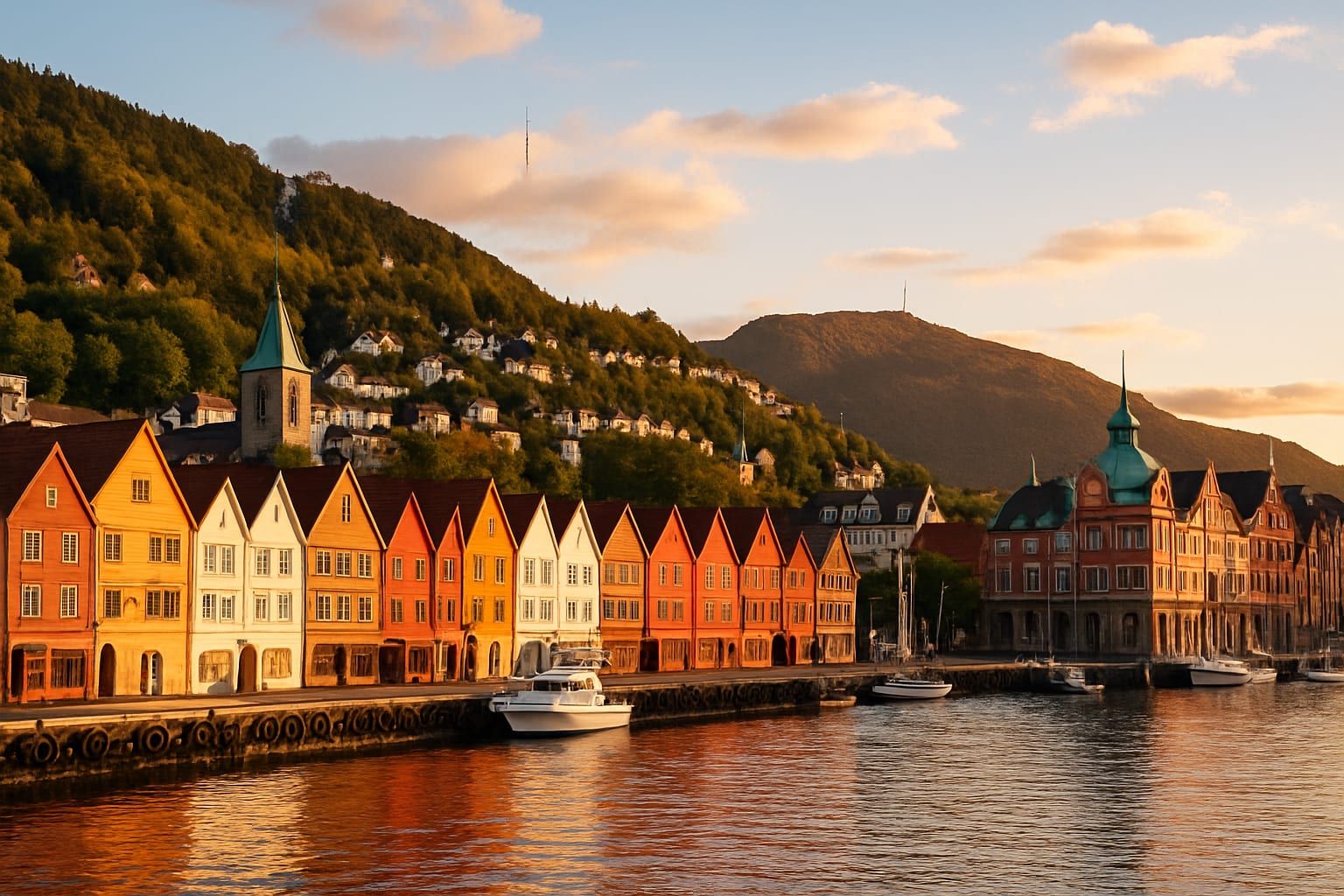
Bergen: Norway Beyond the Fjords
Discover Bergen beyond its fjord postcard: UNESCO-listed Bryggen, vibrant food scene, mountain hikes, museums, island escapes and practical local tips for a memorable visit.
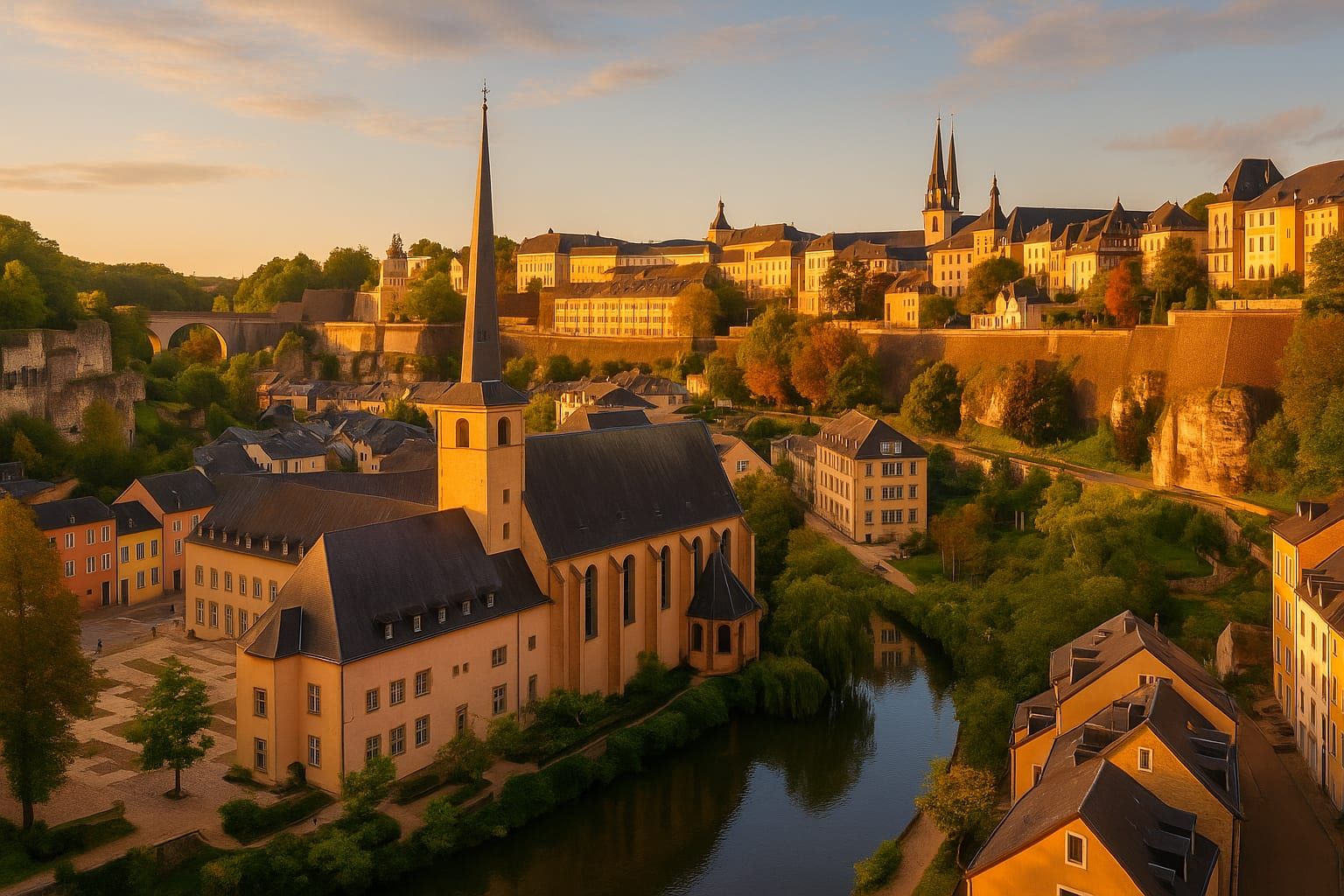
Luxembourg City: Europe's Most Underrated Capital
Discover why Luxembourg City — with its UNESCO old town, cliff-side casemates, riverside Grund, and world-class food — is Europe’s most underrated capital.
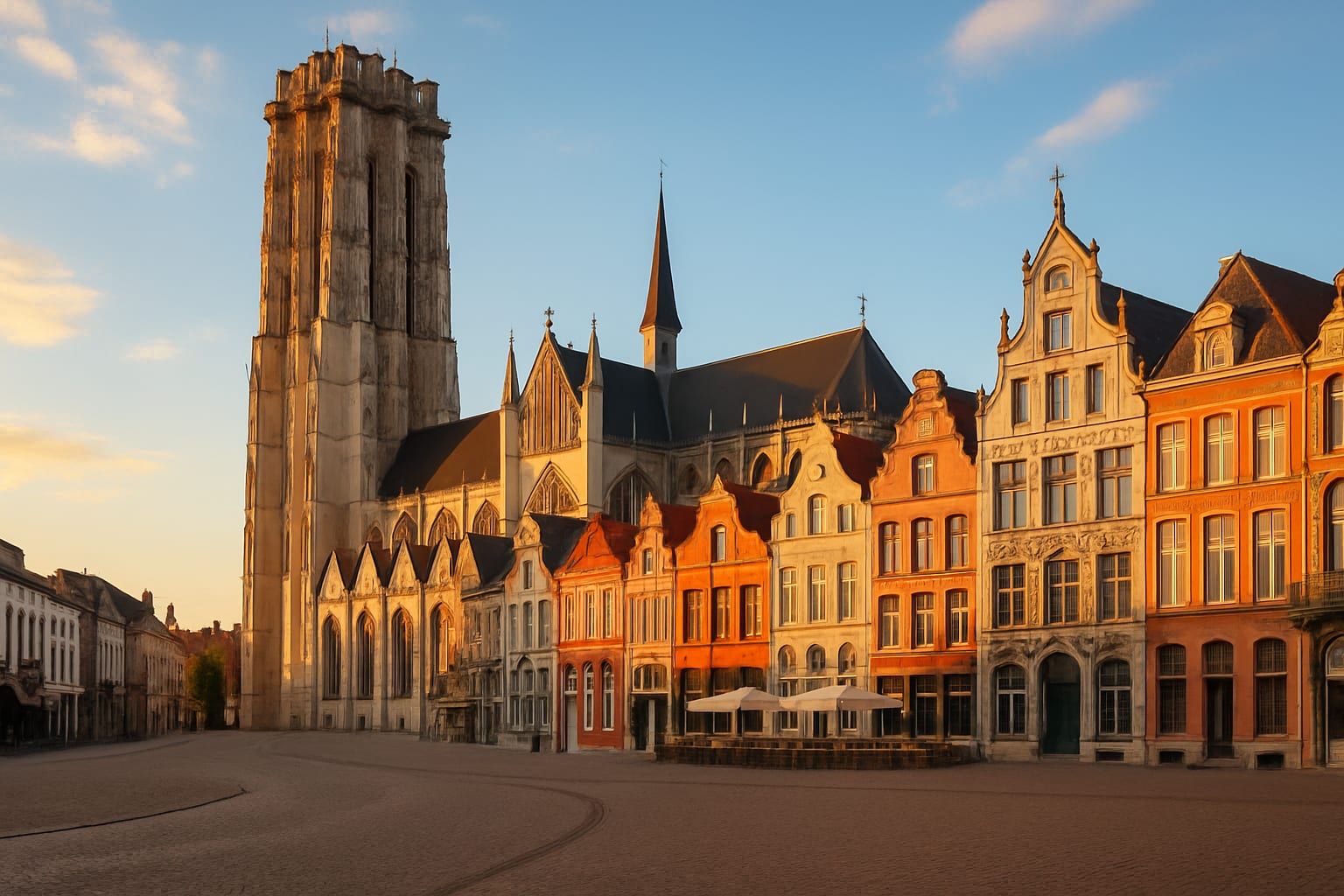
Mechelen: Belgium's Best-Kept Secret
Nestled between Brussels and Antwerp, Mechelen is a compact, medieval city with soaring towers, a vibrant beer scene, peaceful beguinages and river paths — Belgium without the crowds.