
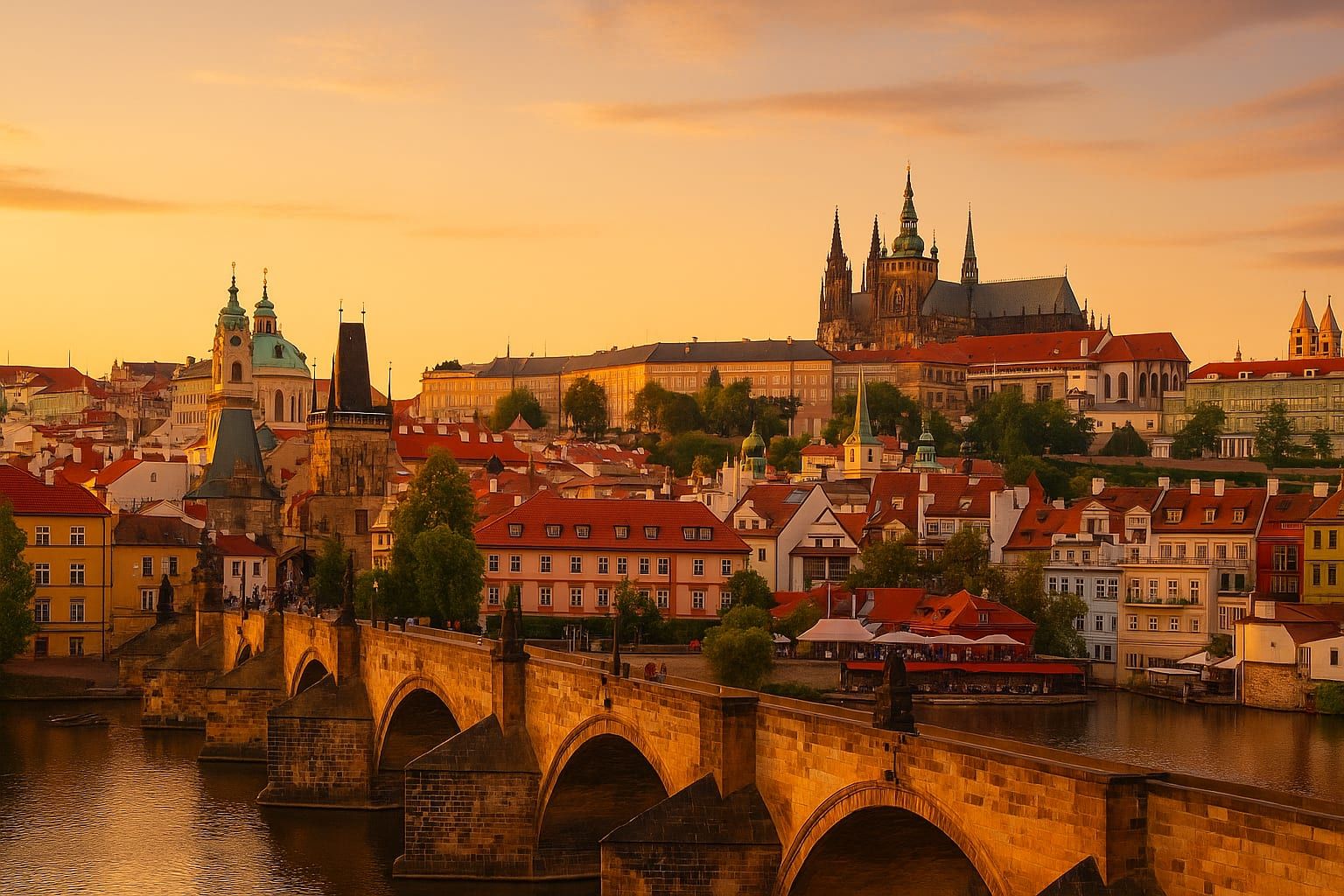
A practical, step-by-step guide to seeing Europe on €50 a day — budgets, routes, accommodation hacks, food tips and apps to stretch every euro.
How to Travel Europe on €50 a Day
Traveling Europe on €50 a day is absolutely possible — with planning, flexibility and local know-how. This guide gives realistic daily budgets, transport and accommodation hacks, money-saving food tips, sample itineraries and practical apps so you can explore more for less without sacrificing the joy of travel.
Is €50 a Day Realistic?
Yes — depending on where you go and how you travel. In Western Europe (Paris, London, Amsterdam) €50/day is tight; in Eastern Europe and the Balkans, it’s comfortably achievable. You’ll need to prioritize cheap lodging, local food, low-cost transport and free activities.
Tip: target cheaper countries listed in our roundup of the Cheapest Countries to Visit in Europe 2025 for the best value per day.
Typical Daily Budget Breakdown (Target: €50)
- Accommodation: €12–20 — hostel dorm, private room in budget guesthouse, or Airbnb split
- Food & drink: €10–15 — groceries, street food, market meals
- Local transport & attractions: €5–10 — city buses, museums, paid baths
- Extras & contingency: €5–10 — laundry, small splurge
Example low-cost day (€50):
- Dorm bed: €12
- Breakfast (self-catered): €2
- Lunch at market: €5
- Museum or paid attraction: €6
- Dinner groceries + one local beer: €10
- Local bus & incidentals: €5
- Contingency/emergency: €10
Where to Stretch €50 Further
H2: Best regions for a €50/day budget
- Balkans (Albania, North Macedonia, Bosnia & Herzegovina, Montenegro): great value for food, transport and accommodation. Use our Ultimate Balkans Road Trip — 2-Week Itinerary for route ideas.
- Eastern Europe (Poland, Romania, Bulgaria, Hungary): cultural cities with low costs and excellent hostels.
- Baltic states (Estonia, Latvia, Lithuania): small capitals that are cheap compared to Western Europe.
- Portugal and parts of Spain (off-season): less expensive than France/Italy, especially outside major tourist hubs.
H3: When to travel
- Shoulder seasons (April–June, September–October) give mild weather, lower prices and fewer crowds.
- Winter can be cheap (except Christmas and New Year in tourist hotspots), but plan for short daylight and some closed attractions.
Accommodation Hacks
- Hostels: book private rooms or dorms with kitchens to save on meals.
- Guesthouses & pensions: in smaller towns, family-run stays can be cheaper and more authentic.
- Airbnb: split a flat with travel companions to reduce per-person cost.
- Couchsurfing: free stays with locals if you’re comfortable; great for meeting people.
- Night trains/buses: combine transport + accommodation for long hops to save a night’s lodging.
Practical tip: prioritize a kitchen and laundry access — cooking and doing laundry reduce recurring expenses.
Food & Drink: Eat Like a Local
- Shop at markets and supermarkets: cook breakfast and dinner, pack picnic lunches from markets or grocery stores.
- Street food & bakeries: inexpensive, tasty and local (pierogi in Poland, burek in the Balkans, pastel de nata in Portugal).
- Lunch menus (menu del dia / business lunch): many restaurants offer budget midday deals.
- Limit touristy restaurants near attractions; walk a few blocks into residential neighborhoods for cheaper authentic food.
- Tap water: in most European countries tap water is safe; carry a refillable bottle.
Local insight: in cities like Porto, Lisbon or Budapest, bakeries and snack stands serve high-quality food at low prices — perfect for filling up without blowing the budget. See what to eat in Porto in our 48 Hours in Porto: Wine, Views & Azulejos guide for inspiration.
Transport: Cheap Ways to Get Around
- Long-distance buses: FlixBus, Eurolines and local carriers are often the cheapest option between cities.
- Budget airlines: Ryanair, Wizz Air and easyJet can be cheap when booked well in advance, but watch baggage fees and add-on costs.
- Trains: in some countries (e.g., Spain, Italy) trains are affordable if booked early; in Eastern Europe trains are comfortable and cheap.
- Car shares and BlaBlaCar: great for spontaneous trips and are cheaper than private transfers.
- Public transit cards: multi-day or group tickets can save money in big cities.
Money-saving tip: night buses/trains save a night’s accommodation and maximize daylight hours.
Free & Low-Cost Things to Do
- Free walking tours: tip-based, informative and a great way to meet people.
- Parks, public beaches and hiking trails: unbelievable value for outdoor lovers.
- Museums with free days/hours: plan visits around free-entry times.
- City festivals and local markets: cultural immersion without big costs.
- Self-guided walking routes: research neighborhoods, street art, architecture and food markets.
Local insight: many cities have free classical concerts, open-air movie nights or museum late openings — check local event listings or the tourist office.
Money, Cards & Connectivity
- Cards vs cash: cards are widely accepted across Europe, but always carry small cash for markets, bakeries and rural areas.
- ATM fees: use cards with low foreign ATM fees or get cash in larger amounts to minimize fees.
- Currency: most of Europe uses euros, but many budget-friendly countries (Poland, Romania, Czechia) use other currencies — be mindful when exchanging.
- SIM & data: buy a local SIM or an EU-wide plan; many hostels and cafes offer free Wi-Fi.
Apps to use: WhatsApp (communication), Rome2rio and FlixBus (transport), Hostelworld and Booking.com (accommodation), Splitwise (split costs), Google Maps and maps.me (offline maps).
Safety & Practicalities
- Travel insurance: don’t skip it — cheap plans cover medical emergencies and theft.
- Valuables: use a money belt or inside jacket pockets in crowded areas.
- Scams: be aware of common scams (overfriendly distraction, fake petitions) and keep copies of important documents.
- Local laws & customs: respect cultural norms; tipping is modest in many Eastern European countries but appreciated.
How to Plan a Week on €50/Day — Sample 7-Day Itinerary
Day 1 — Arrive in Kraków (Poland)
- Accommodation: hostel dorm €10
- Activities: free walking tour (tip €5), explore Old Town
- Food: groceries & bakery €8 Total: €23
Day 2 — Kraków
- Visit Kazimierz, Schindler factory (discount/cheap entrance) €6
- Dinner: pierogi + beer €6 Total: €22
Day 3 — Bus to Bratislava (overnight bus to save costs) €15
- Spend daytime visiting cheap museums or strolling the Danube Total: €25 (split across days because of overnight travel)
Day 4 — Bratislava to Budapest
- Train/bus €10
- Thermal baths (choose off-peak or discount days) €8 Total: €38
Day 5 — Budapest
- Explore ruin bars (one cheap local beer €2–3), free walking tour tip €5
- Food: market/falafel €6 Total: €23
Day 6 — Night bus to Belgrade or Sofia (budget hop) €15
- Evening stroll and local cheap eats €8 Total: €25
Day 7 — Explore Belgrade/Sofia
- Museums/parks €5
- Splurge: nice local meal €12 Total: €29
Weekly average stays below €50/day with smart transport choices and cooking most meals.
Two-Week Budget Route Idea (€50/day friendly)
- Week 1: Lisbon → Porto → Salamanca → Madrid (use trains and regional buses; Portugal is generally affordable)
- Week 2: Fly/bus to Eastern Europe: Kraków → Budapest → Ljubljana → Zagreb → Split
This mixes inexpensive Western European cities with cheaper Eastern highlights. For Balkan-focused routes and scenic drives, our Ultimate Balkans Road Trip — 2-Week Itinerary is a good reference.
Packing & Gear Tips to Save Money
- Lightweight daypack with water bottle, refillable utensils and a small towel.
- Quick-dry clothes and laundry soap to wash clothes in hostels (less laundry expenses).
- Portable charger and universal adapter — avoid buying replacements abroad.
- Reusable shopping bag for market purchases (many countries charge for plastic bags).
Practical Booking Tips
- Book accommodation with free cancellation and a kitchen.
- Check local bus and train providers (often cheaper than aggregators).
- Set fare alerts for flights and book trains as early as possible for discounts.
Final Local Insights
- Befriend locals: ask where they eat and shop — their recommendations are often cheaper and tastier than guidebook picks.
- Small towns can offer the most authentic experiences at a fraction of city prices — consider swapping some capital days for nearby towns.
- Learn a few phrases in the local language — shopkeepers and hosts appreciate the effort and can offer better deals.
Traveling Europe on €50 a day is a balancing act between priorities and experiences. With flexible dates, a focus on cheaper regions, smart transport choices, and cooking most meals, you’ll enjoy meaningful travel without a big budget. For destination inspiration on where your euros will go furthest, see our guide to the Cheapest Countries to Visit in Europe 2025 or explore a scenic Balkan route in the Ultimate Balkans Road Trip — 2-Week Itinerary.
Safe travels — and remember: the best memories often come from simple moments, not expensive tickets.
Related
Keep Exploring
Budget Balkans Route: 2 Weeks for €1000
See the Balkans for two weeks on a €1000 budget. Practical day-by-day route, costs, transport tips and local insights from Sofia to Kotor — perfect for shoestring travellers.
Best Hostels in Europe: Budget Accommodation Guide
A practical guide to Europe's best hostels: top picks by traveler type, city-by-city budget options, booking tips, safety advice and money-saving strategies for a smarter trip.
Cheapest Countries to Visit in Europe 2025
Planning a budget-friendly European trip in 2025? Discover the top cheapest countries to visit, realistic daily budgets, travel tips, and local insights to stretch your euro.