
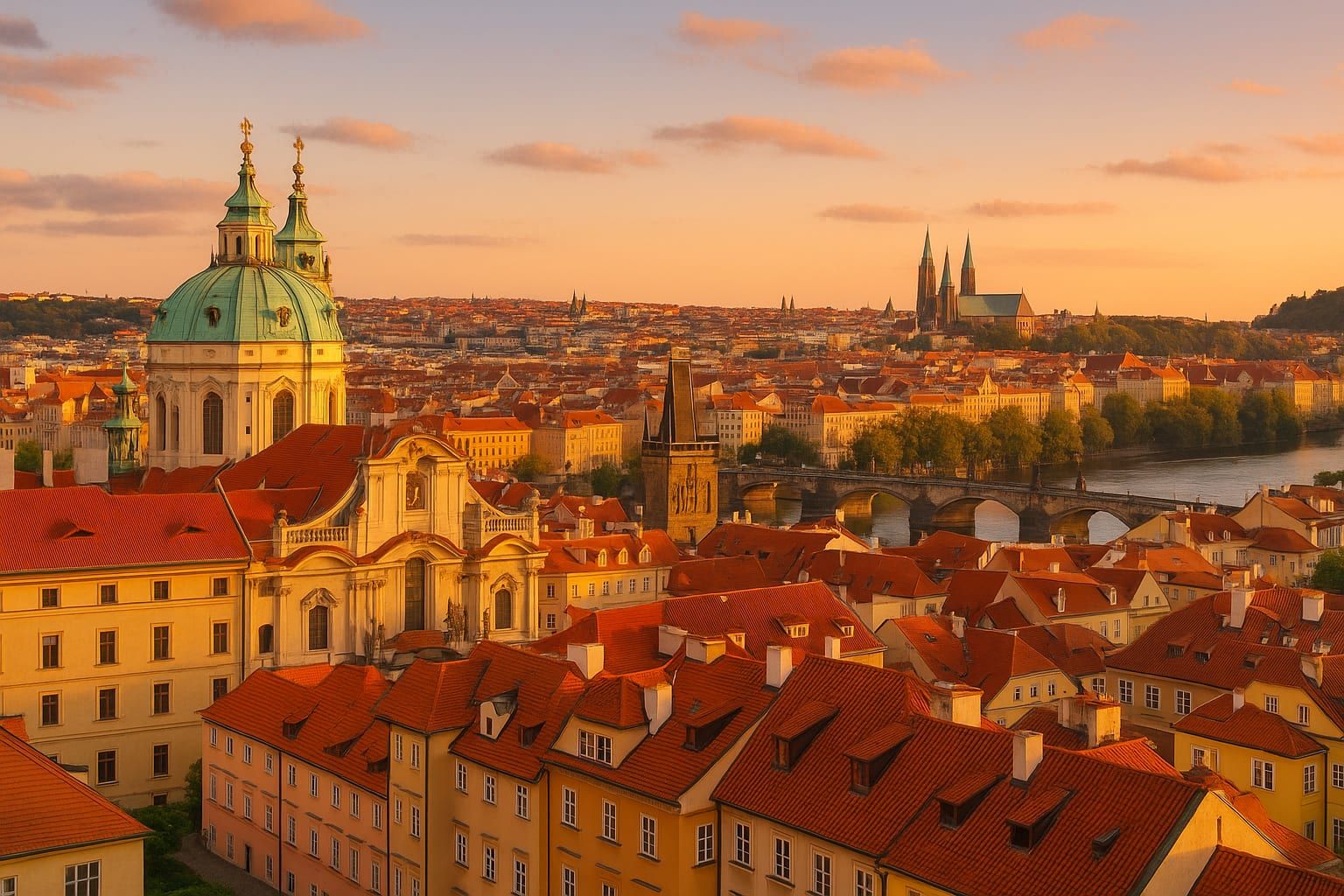
Planning a budget-friendly European trip in 2025? Discover the top cheapest countries to visit, realistic daily budgets, travel tips, and local insights to stretch your euro.
Cheapest Countries to Visit in Europe — 2025 Ranking
Europe is famously diverse—and so are its price tags. In 2025, the best bargains are still clustered in Eastern and Southeastern Europe. This guide ranks the cheapest countries to visit, gives realistic daily-budget ranges, highlights what to see and where to splurge a little, and offers practical tips to help you travel smart.
How this ranking was compiled
This list synthesizes recent backpacker-price indices and cost-of-living trends for 2025 (cities in Eastern and Central Europe repeatedly top affordability lists). Rather than a single numeric score, the ranking uses typical tourist costs for accommodation, food, transport and attractions, plus on-the-ground reports. Expect regional variations—capital cities and popular resorts cost more than small towns.
Top 10 cheapest countries to visit in Europe (2025)
Below are the countries offering the best value for travellers in 2025. Each entry includes why it’s cheap, a realistic daily budget range (USD), main draws, and local tips.
1. Albania
Why it’s cheap: Low labour and food costs, an economy still growing into tourism, and affordable accommodation make Albania one of Europe’s best bargains.
Daily budget: $25–50 (hostels, cheap meals, public transport)
Must-see: Berat’s white Ottoman houses, the Albanian Riviera (Ksamil, Himarë), Gjirokastër, and the ancient site of Butrint.
Local tips: Eat at bakeries and family-run tavernas (try byrek). Buses are slow but extremely cheap—consider renting a car for remote beaches but expect rough roads in places.
2. Bulgaria
Why it’s cheap: Low prices across food, transport and entry fees; a long season for beaches and low-cost mountain escapes.
Daily budget: $25–55
Must-see: Sofia (budget-friendly city with great museums), Plovdiv’s old town, the Black Sea resorts (outside peak weeks), and Rila Monastery.
Local tips: Use local markets for cheap fresh food. For a budget city guide, see our full Sofia on a Budget guide: /en/budget-travel/sofia-on-a-budget-complete-guide.
3. North Macedonia
Why it’s cheap: Modest tourism infrastructure keeps prices low; lively markets and inexpensive local food.
Daily budget: $25–45
Must-see: Lake Ohrid (UNESCO), Skopje’s quirky monuments, Mavrovo National Park.
Local tips: Ferries and buses around Lake Ohrid are inexpensive; try tavče gravče (bean stew) in local eateries.
4. Serbia
Why it’s cheap: Affordable nightlife, low-cost dining and lodging, and easy overland connections across the Balkans.
Daily budget: $30–55
Must-see: Belgrade’s riverfront and nightlife, Novi Sad’s festivals, and the wineries of Fruška Gora.
Local tips: Public transport in cities is cheap; try local rakija at family-run kafanas and enjoy large portions for little money.
5. Bosnia & Herzegovina
Why it’s cheap: Lower prices for dining and accommodation, and excellent value for outdoors and historical attractions.
Daily budget: $25–50
Must-see: Mostar’s Stari Most, Sarajevo’s Old Bazaar, and hiking in Sutjeska National Park.
Local tips: Eat ćevapi and visit local bakeries for cheap, filling meals. Intercity buses are the most reliable way to travel.
6. Romania
Why it’s cheap: Inexpensive transport, food and attractions—plus dramatic scenery (Carpathians) that’s free to enjoy.
Daily budget: $30–60
Must-see: Brasov and Transylvania’s castles, Bucharest’s mix of styles, and the Danube Delta.
Local tips: Rural guesthouses offer great value; combine castle visits with hikes to maximize your experience.
7. Moldova
Why it’s cheap: One of Europe’s lowest-cost countries, especially for wine tourism and rural stays.
Daily budget: $25–45
Must-see: Cricova and Mileștii Mici wine cellars, Chișinău’s parks, and rural villages.
Local tips: Moldova is small—renting a car or joining a cheap day tour is often the most efficient way to see wineries.
8. Ukraine (with caveats)
Why it’s cheap: Before 2022 and in many safer regions, Ukraine was among Europe’s best values—low prices for dining, transport and museums.
Daily budget: $25–60 (where safe and permitted)
Must-see: Lviv, Kyiv, Odesa—rich culture, architecture and food.
Safety note: Ongoing conflict affects travel safety and logistics. Check government travel advisories and only travel if it’s safe and permissible. Expect rapidly changing conditions.
9. Montenegro
Why it’s cheap: Off-season bargains and modest prices inland make Montenegro affordable outside summer hotspots.
Daily budget: $30–70
Must-see: Kotor Bay, Durmitor National Park, and hidden coastal towns.
Local tips: Avoid peak summer in Kotor and Budva for lower prices; explore lesser-known coastlines for the best value.
10. Poland
Why it’s cheap: While Kraków and Gdańsk draw visitors, Poland still offers low prices for food, transport and many attractions.
Daily budget: $35–70
Must-see: Kraków’s old town, Warsaw’s mix of old and new, the Baltic coast, and the Tatra Mountains.
Local tips: Kraków is a great budget city break—see our 3 Days in Krakow itinerary for ideas: /en/itineraries/3-days-in-krakow-polands-cultural-heart.
Honorable mentions
- Hungary: Budapest remains very good value for Western-Europe standards—hot baths and cheap street food.
- Slovakia: Affordable mountain hikes and small-city charm.
- Latvia & Lithuania: The Baltics are more affordable than Western Europe but pricier than the Balkans.
- Czech Republic: Prague can be surprisingly expensive; explore regional towns for better value (Český Krumlov, Olomouc).
Practical tips to save money in Europe (2025)
- Travel off-season: Shoulder seasons (late spring and early autumn) reduce accommodation and flight costs—plus fewer crowds.
- Use buses and regional trains: Long-distance buses in the Balkans and Eastern Europe (FlixBus, local carriers) are very cheap. Trains are often slower but comfortable.
- Eat like a local: Street food, bakeries and markets give authentic flavours for a fraction of restaurant prices. Look for weekday lunch specials (fixed-price menus).
- Stay in guesthouses or family-run pensions: Expect friendlier prices and valuable local advice compared with central hotels.
- Book flexible tickets: In uncertain times, flexible or refundable bookings help if plans change.
- Local SIM + offline maps: A small prepaid SIM is cheaper than roaming; download maps for offline navigation to avoid extra data costs.
- Cash vs card: Many cheap towns are cash-first—carry local currency for markets and small vendors. Cards work well in larger cities.
Where to splurge and where to save
- Splurge: Unique experiences—wine tours in Moldova, a guided hike in the Carpathians, or a private boat in Kotor Bay—are worth a little extra.
- Save: City walking tours can be free (tip-based). Public transport and local eateries will stretch your budget most effectively.
Sample 7-day budget itineraries (examples)
Ultra-budget Balkans (Albania + North Macedonia): $200–300/week
- Sleep in hostels or guesthouses, eat at markets, use buses for intercity travel.
Comfortable Eastern Europe (Romania + Bulgaria): $350–550/week
- Mix budget hotels and occasional mid-range meals; museums and national parks included.
City break (Kraków or Sofia): $150–300 for 3 days
- Budget-friendly public transport, market food, and compact city centres reduce costs.
Getting around safely and cheaply
- Intercity buses are the backbone of budget travel in Eastern Europe. They’re frequent and affordable.
- Trains are scenic and economical for overnight or longer routes—book in advance for the best prices.
- Car rentals can be economical if shared by 3–4 people and when visiting remote areas; check local road and fuel costs.
Cultural tips & local insights
- Learn a few basic phrases: A simple hello and thank you in the local language goes a long way in smaller towns.
- Respect local customs: Dress modestly at religious sites and ask before photographing people in rural areas.
- Markets reveal more than goods: They’re great for budget meals, souvenirs and seeing daily life.
Safety and health advice (2025)
- Check government travel advisories before visiting countries with complex security situations.
- Get travel insurance that covers medical evacuation and trip disruptions.
- In rural areas, carry a small first-aid kit and any prescription medicines, as pharmacy hours can be limited.
Final thoughts: Best value isn’t always the cheapest price
The cheapest destinations often deliver the richest experiences—warm hosts, authentic food, and landscapes that cost nothing to enjoy. But the best value depends on what you want: culture, beaches, hiking, food or nightlife. For overland planners, consider combining several neighbouring bargain countries (see our Ultimate Balkans Road Trip for inspiration): /en/itineraries/ultimate-balkans-road-trip-2-weeks-itinerary.
Travel planning checklist
- Check visa and entry rules for each country.
- Book major transport during shoulder seasons.
- Pack versatile clothing for sudden weather changes.
- Bring local currency for markets and small towns.
Where will your euro go furthest in 2025? For bold travellers prepared to wander off the beaten path, Eastern and Southeastern Europe remain the smart, affordable choice.
Happy (and wallet-wise) travels!
Related
Keep Exploring
Budget Balkans Route: 2 Weeks for €1000
See the Balkans for two weeks on a €1000 budget. Practical day-by-day route, costs, transport tips and local insights from Sofia to Kotor — perfect for shoestring travellers.
Best Hostels in Europe: Budget Accommodation Guide
A practical guide to Europe's best hostels: top picks by traveler type, city-by-city budget options, booking tips, safety advice and money-saving strategies for a smarter trip.
How to Travel Europe on €50 a Day
A practical, step-by-step guide to seeing Europe on €50 a day — budgets, routes, accommodation hacks, food tips and apps to stretch every euro.